Introduction: The Electric Outback
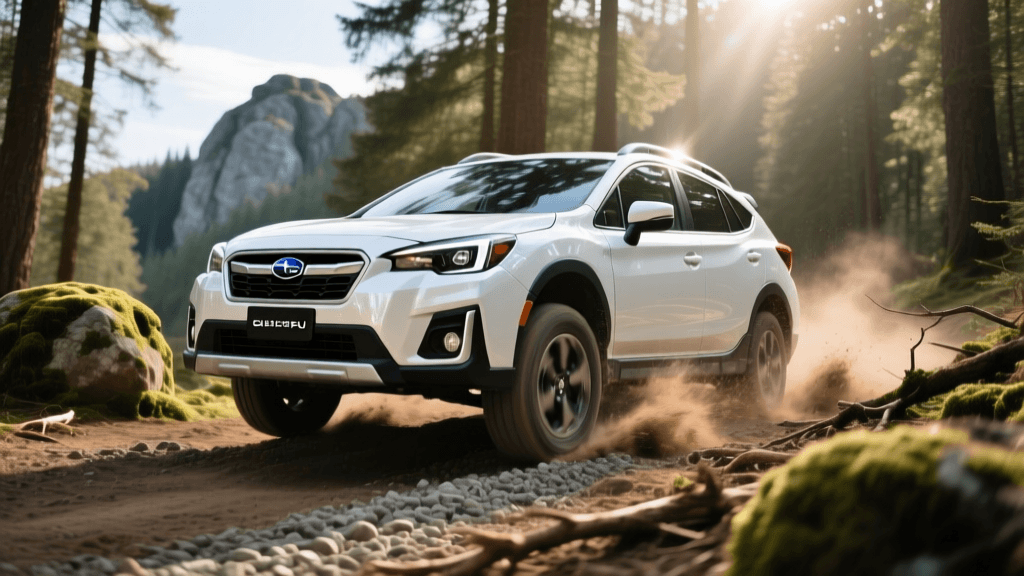
When Subaru announced its first dedicated electric vehicle, the automotive world had one pressing question: Could it actually handle the dirt? For decades, Subaru has built its reputation on symmetrical all-wheel drive, rugged ground clearance, and a loyal following of outdoor enthusiasts. The Subaru Solterra, co-developed on the e-TNGA platform alongside the Toyota bZ4X, aims to translate that legacy into the electric era. However, blending genuine off-road capability with the inherent weight and range limitations of a battery-electric vehicle requires careful engineering and, more importantly, informed driving techniques. In this comprehensive review, we dive deep into the Subaru Solterra's off-road hardware, dissect its real-world range, and provide expert best practices for maximizing your trail performance without suffering from range anxiety.
The Reality of the Solterra's Real-World Range
Before hitting the trails, we must address the elephant in the room: range. The EPA estimates the Solterra's range between 222 and 228 miles, depending on the trim level and wheel size. According to extensive testing by Car and Driver, real-world highway driving at 75 mph often yields results closer to 190 miles, especially in colder climates or when facing heavy headwinds. The heavier Touring trim, equipped with 20-inch wheels, sacrifices a few miles of efficiency compared to the Premium trim's 18-inch wheels.
For the off-road enthusiast, range is further complicated by terrain. Climbing steep fire roads, navigating deep sand, or pushing through thick mud requires immense torque and continuous high-current draw from the 71.4 kWh lithium-ion battery pack. Conversely, descending those same trails offers a unique opportunity to recapture energy. Understanding how to manage this energy flow is the cornerstone of expert EV off-roading.
Off-Road Hardware and X-Mode Dynamics
Subaru did not compromise on the foundational metrics required for trail riding. The Solterra boasts 8.3 inches of ground clearance, an approach angle of 18.1 degrees, and a departure angle of 25.4 degrees. While these numbers might not match a lifted Wrangler, they are more than sufficient for forest service roads, rocky creek beds, and snowy mountain passes.
The magic lies in Subaru's renowned X-Mode system, which has been specifically recalibrated for the instant torque delivery of dual electric motors. X-Mode offers two primary settings: Snow/Dirt and Deep Snow/Mud. Furthermore, the Solterra includes Grip Control, essentially an off-road cruise control that manages the brakes and throttle at low speeds (up to 6 mph in Deep Snow/Mud mode, and up to 12 mph in standard settings), allowing the driver to focus entirely on steering and line selection.
Expert Best Practices for Trail Driving
To get the most out of the Solterra in off-road environments, experienced drivers should adopt the following actionable best practices:
1. Master the Regenerative Braking Paddles
The Solterra features paddle shifters behind the steering wheel that adjust the level of regenerative braking from D1 (lowest) to D4 (highest). When descending steep, technical fire roads, shift the vehicle into D4. This aggressive regeneration acts as a virtual low-range gear, slowing the vehicle down without overheating the physical friction brakes, all while pumping valuable kilowatt-hours back into the battery pack. On flat, slippery surfaces like mud or wet grass, drop it down to D1 to prevent the wheels from locking up and digging ruts due to aggressive regen bite.
2. Strategic Tire Selection and Pressure Management
The factory all-season tires are adequate for light gravel and snow, but serious overlanders should consider swapping to a dedicated all-terrain tire like the Falken Wildpeak A/T Trail or BFGoodrich Advantage T/A Trail. Be warned: aggressive tread patterns and heavier tire constructions will reduce your on-road range by 10% to 15%. When airing down to 28 PSI for rocky terrain to improve traction and ride quality, remember to reinflate to the factory-recommended 38 PSI before hitting the highway to minimize rolling resistance and preserve your remaining range.
3. Thermal Management and Pre-Conditioning
As noted by the U.S. Department of Energy's Alternative Fuels Data Center, EV batteries operate most efficiently within specific temperature bands. The Solterra currently lacks active battery pre-conditioning for DC fast charging. To mitigate this on trail days, use the Subaru app to pre-condition the cabin while the car is still plugged in at home. Furthermore, if you are heading to a trailhead charger after a long day of wheeling, drive the final 20 miles at sustained highway speeds. The natural heat generated by the motors and battery discharge will warm the pack, resulting in noticeably faster charging speeds once you plug in.
Charging Logistics for the Overlander
Off-roading in an EV requires meticulous route planning. The Solterra maxes out at a DC fast-charging rate of 100 kW. While this is slower than competitors like the Hyundai Ioniq 5 or Kia EV6, it is manageable with proper logistics. A 10% to 80% charge takes approximately 56 minutes under ideal conditions. Expert tip: utilize apps like PlugShare or A Better Routeplanner (ABRP) and filter for chargers located near grocery stores or restaurants. Since off-road driving drains the battery faster than highway cruising, always set your arrival State of Charge (SoC) buffer to 20% rather than the default 10% when navigating remote mountain loops.
Solterra Off-Road & Range Specification Table
Understanding the hardware limitations and capabilities of your specific trim is vital for safe trail navigation. Below is a structured breakdown of the Solterra's core metrics:
| Metric | Premium Trim (18" Wheels) | Touring Trim (20" Wheels) |
|---|---|---|
| EPA Estimated Range | 228 Miles | 222 Miles |
| Ground Clearance | 8.3 Inches | 8.3 Inches |
| Curb Weight | 4,365 lbs | 4,520 lbs |
| Max DC Fast Charge Rate | 100 kW | 100 kW |
| Towing Capacity | 2,000 lbs | 2,000 lbs |
| X-Mode Settings | Snow/Dirt, Deep Snow/Mud | Snow/Dirt, Deep Snow/Mud |
Final Verdict: A Capable Companion with Caveats
The Subaru Solterra is not a hardcore rock crawler, nor is it a long-distance highway cruiser designed to cross the country in record time. Instead, it excels exactly where most Subaru owners actually drive: muddy forest service roads, snowy ski-resort access routes, and weekend camping trails. By leveraging X-Mode, mastering the regenerative braking paddles, and planning your DC fast-charging stops with a generous buffer, the Solterra proves itself to be a highly capable, comfortable, and remarkably quiet off-road companion. For the outdoor enthusiast willing to adapt to the rhythms of EV charging and battery management, the Solterra offers a uniquely refined gateway into the backcountry.
For further insights into how the Solterra compares to its peers in the electric SUV segment, you can review comprehensive ownership data and reliability metrics via Edmunds' Solterra hub. Proper preparation and an understanding of your vehicle's thermal and electrical systems will ensure that your electric adventures are both safe and unforgettable.