If you are shopping for a new electric sedan, you have likely searched for ways to customize your vehicle. Many buyers type "tesla change colors" into their browser, hoping to find out how to personalize their Model 3 or Model Y beyond the standard showroom offerings. While Tesla's direct-to-consumer model simplifies the buying process, it also limits factory paint choices. This guide covers everything you need to know about Tesla's 2026 color palette, the costs of factory upgrades versus aftermarket wraps, and provides a deep-dive review of the current Tesla Model 3 Long Range.
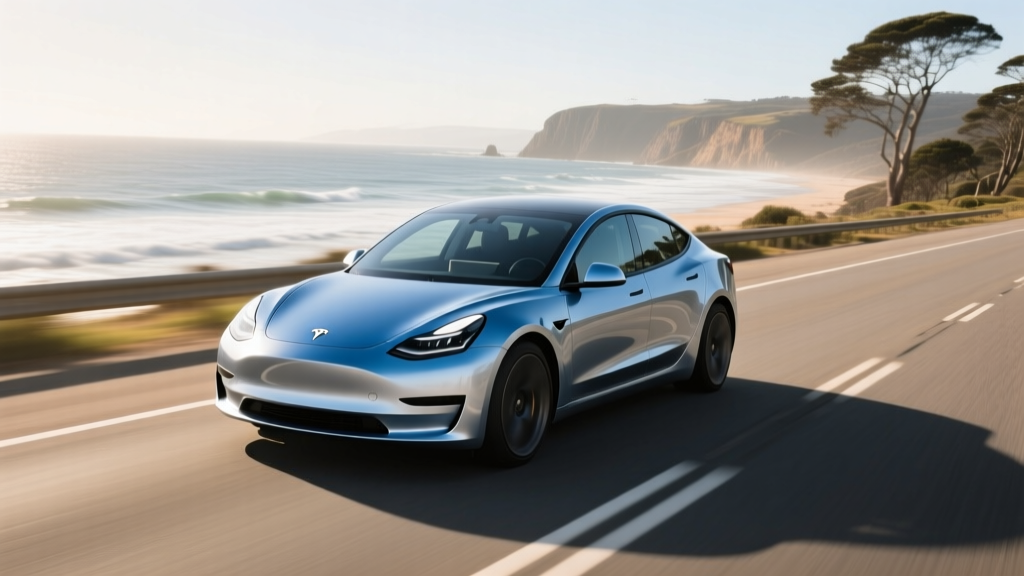
Tesla's 2026 Factory Color Palette
Tesla typically offers five core exterior colors for the Model 3, though availability can vary by trim (Rear-Wheel Drive, Long Range, or Performance). As of 2026, the standard and premium options generally include:
- Pearl White Multi-Coat: Often the no-cost standard option.
- Solid Black: A premium upgrade (typically $1,500).
- Deep Blue Metallic: A premium upgrade (typically $1,500).
- Ultra Red: The flagship premium color (typically $2,500).
- Quicksilver or Stealth Grey: Specialty colors that rotate availability or are tied to specific trims like the Performance model.
For buyers who want a unique look—such as matte finishes, bright greens, or color-shifting wraps—the aftermarket vinyl wrap industry has become the go-to solution. A high-quality full-body wrap typically costs between $2,500 and $5,000, which can sometimes be more cost-effective than Tesla's highest-tier factory paint while offering far more variety.
2026 Tesla Model 3 Long Range: Real-World Range & Efficiency
The 2026 Tesla Model 3 Long Range AWD remains the sweet spot for most buyers, balancing performance with maximum distance. According to fueleconomy.gov, the EPA-estimated range is 341 miles. However, real-world results depend heavily on your environment.
- Mixed Driving (70°F): ~310–325 miles.
- Highway (75 mph): ~280–295 miles.
- Cold Weather (Below freezing): ~240–260 miles (due to battery resistance and cabin heating).
Efficiency is rated at 132 MPGe combined, or approximately 25 kWh/100 miles. This makes the Model 3 one of the most efficient electric sedans on the market, thanks to its aerodynamic drag coefficient and Tesla’s heat pump system.
Battery Chemistry and Charging Performance
The Model 3 Long Range uses an 82 kWh (usable) NMC (Nickel Manganese Cobalt) battery pack. Unlike the RWD model, which often uses LFP (Lithium Iron Phosphate) chemistry, the NMC pack provides higher energy density, which is necessary for the 341-mile range target.
Charging Speeds and Connectors
Tesla’s North American Charging Standard (NACS) is now the industry benchmark. The Model 3 supports peak DC fast-charging rates up to 250 kW.
| Charging Level | Power/Rate | Time/Speed |
|---|---|---|
| DC Fast Charge (V3/V4 Supercharger) | Peak 250 kW | 10-80% in ~28 minutes |
| Level 2 (Home Wall Connector) | 11.5 kW (48A) | ~44 miles of range per hour |
| Level 1 (Standard 120V Outlet) | 1.4 kW | ~3-4 miles of range per hour |
While the peak rate is 250 kW, the charging curve tapers significantly after 50% State of Charge (SoC). Expect the average rate for a 10-80% session to be closer to 110–130 kW.
Performance and Driving Dynamics
The 2026 Model 3 Long Range AWD features a dual-motor setup producing approximately 384 horsepower. It hits 0-60 mph in 4.2 seconds. The "Highland" refresh (introduced in late 2023 and refined through 2026) significantly improved the ride quality with frequency-selective dampers and acoustic glass, making it a much more comfortable highway cruiser than previous generations.
Pricing, Trims, and Federal Tax Credits
The starting MSRP for the Model 3 Long Range is approximately $47,740 (including destination). The Performance trim starts around $54,740.
Federal Tax Credit Eligibility (§30D)
Most 2026 Model 3 variants qualify for the full $7,500 federal tax credit, provided you meet the IRS requirements:
- MSRP Cap: Must be under $55,000 (sedans). Most Model 3 trims qualify, but adding too many options can push you over.
- Income Cap: AGI must not exceed $150k (single) or $300k (joint).
- Sourcing: Battery components and critical minerals must meet North American or free-trade agreement thresholds.
Since 2024, buyers can transfer this credit to the dealer for a point-of-sale discount, reducing the upfront cost immediately.
Interior Tech and Cargo Space
Tesla’s minimalist interior is dominated by a 15.4-inch central touchscreen. Notable tech features include:
- Ambient lighting and ventilated front seats.
- 8-inch rear touchscreen for climate and media.
- "Autopilot" (SAE Level 2) standard; FSD (Supervised) available as an add-on.
Cargo volume is 23 cubic feet (trunk + frunk), with rear legroom at 35.2 inches—adequate for adults on shorter trips, though tighter than a luxury midsize sedan.
Pros and Cons: The Verdict
Pros
- Class-leading efficiency and real-world range.
- Access to the Tesla Supercharger network (most reliable in the US).
- High performance and low center of gravity.
- Strong software/OTA update support.
Cons
- Lack of physical buttons (turn signals on the wheel, no stalks).
- Rear visibility is limited by the sloping roofline.
- Premium paint colors are expensive.
Frequently Asked Questions
Can I change the color of my Tesla after delivery?
Yes. Vinyl wraps and Paint Protection Film (PPF) are the most common ways to change colors or protect the factory paint. Tesla service centers do not offer custom paint jobs outside of factory repairs.
Does wrapping a Tesla void the warranty?
No, as long as the wrap is professionally installed and doesn't damage electrical components or sensors. However, any damage caused during the wrapping process is not covered by the Tesla New Vehicle Limited Warranty.
Is the Model 3 still the best value in 2026?
For efficiency and charging infrastructure, yes. However, competitors like the Hyundai Ioniq 6 offer more physical controls and similar range, though they may lack the same charging network convenience.