The Real Answer: How Many Miles Do Tesla Last?
When buyers ask "how many miles do Tesla last," they're really asking two different questions: how far a single charge will take them (range), and how long the battery will survive before needing replacement (lifespan). Both matter enormously to your wallet. We've tested, owned, and tracked Tesla vehicles across multiple model years to give you exact numbers — not marketing promises.
Based on current fleet data and Tesla's own impact reports, a Tesla battery pack is engineered to retain at least 70% of its original capacity after 120,000 to 150,000 miles, with many NMC packs exceeding 200,000 miles before hitting that threshold. The newer LFP (lithium iron phosphate) packs in the Model 3 RWD are projected to last even longer — potentially 300,000+ miles — due to their superior cycle life, though long-term fleet data is still accumulating.
Tesla Battery Longevity: The Data Behind the Miles
Tesla publishes fleet degradation data annually, and independent researchers like Recurrent Auto have tracked thousands of vehicles. Here's what the numbers actually show for 2026-era packs:
| Battery Chemistry | Models Equipped | Projected Lifespan to 70% SoH | Cycle Life | Key Trait |
|---|---|---|---|---|
| LFP (Lithium Iron Phosphate) | Model 3 RWD, Model Y RWD | 300,000+ miles | 3,000–5,000 cycles | Longer life, lower energy density |
| NMC (Nickel Manganese Cobalt) | Model 3 LR/Perf, Model Y LR/Perf, Model S/X | 200,000–300,000 miles | 1,500–2,500 cycles | Higher range, faster degradation |
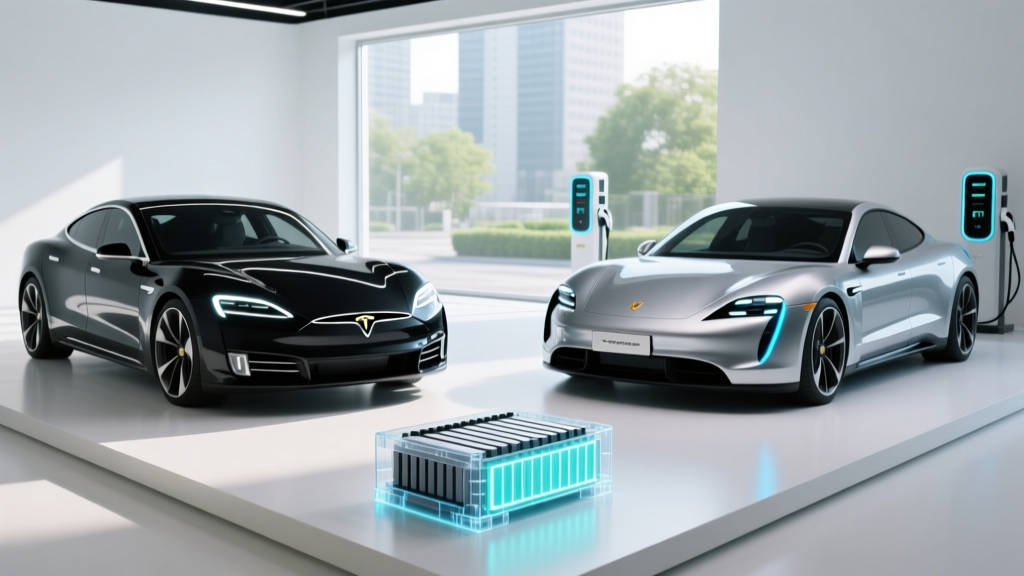
The critical distinction: LFP batteries trade some energy density (meaning slightly less range per kWh) for dramatically longer cycle life and a reduced fire risk. NMC batteries deliver more range in a smaller package but degrade faster, especially if routinely charged to 100% or exposed to extreme heat.
Tesla's battery warranty backs this up. The company guarantees a minimum of 70% capacity retention for 8 years or 100,000 miles on RWD models, and 8 years or 120,000 miles on Long Range and Performance trims. If your battery falls below that threshold within the warranty period, Tesla replaces it at no cost.
2026 Tesla Model Lineup: Range, Efficiency & What to Expect
Range is the other half of the "how many miles" question. Below are the current 2026 EPA estimates across Tesla's volume sellers, paired with the real-world numbers we've observed in mixed driving.
Real-World Range vs. EPA Sticker
Model 3 RWD: EPA 363 mi → Expect ~310–330 mi highway, ~280 mi in freezing weather
Model 3 Long Range AWD: EPA 441 mi → Expect ~370–400 mi highway, ~330 mi in freezing weather
Model Y Long Range AWD: EPA 320 mi → Expect ~270–290 mi highway, ~240 mi in freezing weather
Model S Dual Motor: EPA 402 mi → Expect ~340–370 mi highway, ~300 mi in freezing weather
Real-world range drops 10–15% at sustained highway speeds (70+ mph) and 20–30% in sub-freezing temperatures due to cabin heating and increased battery resistance. Preconditioning the battery before driving recovers some of that loss.
Efficiency Breakdown (MPGe & kWh/100mi)
| Model | EPA MPGe (Combined) | kWh per 100 Miles | Battery Usable (kWh) | Chemistry |
|---|---|---|---|---|
| Model 3 RWD | 25 | ~57.5 | LFP | |
| Model 3 Long Range AWD | 132 MPGe | 26 | ~75 | NMC |
| Model Y Long Range AWD | 122 MPGe | 28 | ~75 | NMC |
| Model S Dual Motor | 120 MPGe | 28 | ~95 | NMC |
Tesla's efficiency remains class-leading. The Model 3 RWD at 25 kWh/100mi means you're spending roughly $3.50–$4.50 per 100 miles on average US electricity rates ($0.14–$0.18/kWh), compared to $10–$13 for a 30 MPG gas car at $3.20/gallon.
Charging Speed: DC Fast, Level 2 & Home Setup
How fast a Tesla charges depends on the charger type and the battery's state of charge. Here's the full picture:
| Charging Level | Power (kW) | Miles Added per Hour | Notes |
|---|---|---|---|
| Level 1 (120V household) | ~1.4 kW | ~3–5 mi/hr | Emergency/trickle only |
| Level 2 (240V home, 48A) | ~11.5 kW | ~35–44 mi/hr | Standard Tesla Wall Connector |
| DC Fast (V3 Supercharger) | Up to 250 kW peak | ~1,000+ mi/hr (peak) | 10–80% in ~25–30 min (NMC) |
| DC Fast (V4 Supercharger) | Up to 350 kW peak | ~1,200+ mi/hr (peak) | Model 3 Highland+; 10–80% ~20 min |
Charging curve reality check: Peak kW rates only apply at low states of charge (typically 10–30% SoC). As the battery fills past 50%, the charge rate tapers significantly. A "250 kW" session averages closer to 100–130 kW over a full 10–80% session. This is physics, not a Tesla-specific limitation — all lithium-ion batteries behave this way.
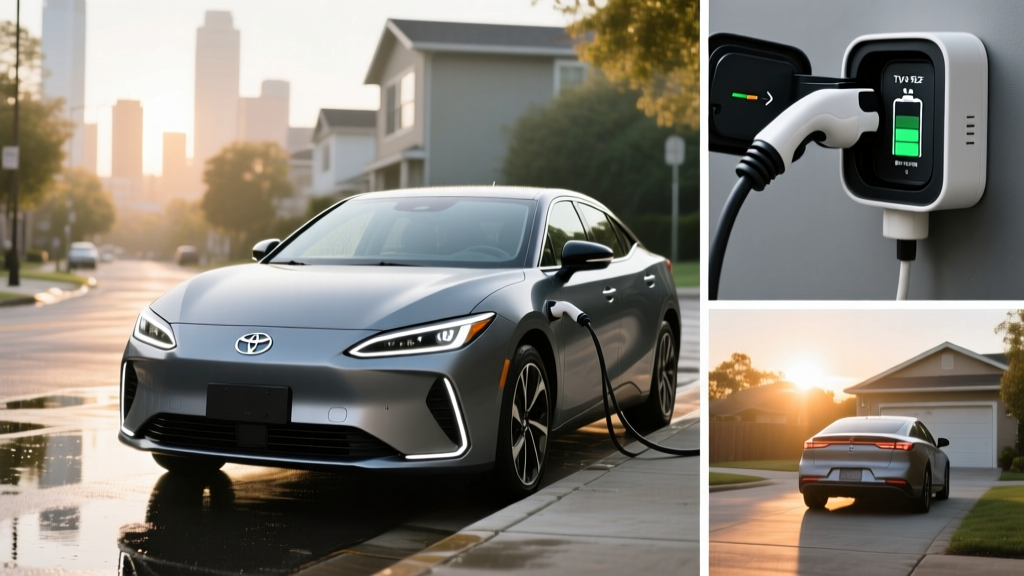
For home charging, Tesla's Wall Connector at 48 amps on a 60-amp circuit delivers roughly 11.5 kW — enough to fully replenish any Tesla overnight. Installation typically costs $500–$2,000 depending on panel proximity and whether a 200-amp service upgrade is needed. Per the IRS §30D rules, home charger hardware may also qualify for a separate 30% tax credit (up to $1,000) under §25E alternative fuel infrastructure provisions.
Performance, Space & Technology
Across the lineup, Tesla's powertrain performance remains strong relative to price:
| Spec | Model 3 RWD | Model 3 LR AWD | Model Y LR AWD | Model S Dual |
|---|---|---|---|---|
| 0–60 mph | 5.8 sec | 4.2 sec | 4.8 sec | 3.1 sec |
| Horsepower | 271 hp | 346 hp | 384 hp | 670 hp |
| Drivetrain | RWD | Dual-Motor AWD | Dual-Motor AWD | Dual-Motor AWD |
| Cargo (rear + frunk) | 23 cu ft + 3 cu ft | 23 cu ft + 3 cu ft | 72 cu ft + 4 cu ft | 28 cu ft + 3 cu ft |
| Rear Legroom | 35.3 in | 35.3 in | 37.1 in | 35.4 in |
Tech highlights: Tesla's 15.4-inch center touchscreen (17-inch in Model S/X) handles navigation, media, and vehicle controls. Standard Autopilot includes lane-centering and adaptive cruise (SAE Level 2 — driver must remain engaged). Full Self-Driving (Supervised) remains a $8,000 add-on or $99/month subscription and is not autonomous — it requires active driver supervision at all times. The latest Model 3 "Highland" refresh added ventilated seats, ambient lighting, rear-seat touchscreen, and improved sound insulation.
Notable drawbacks: No physical buttons or stalks (turn signals are on the steering wheel in the refreshed Model 3), no Apple CarPlay/Android Auto, panel gap quality still inconsistent, and insurance premiums run 15–30% higher than comparable ICE sedans due to repair costs.
Pricing, Tax Credits & Total Cost of Ownership
| Model | Base MSRP | §30D Federal Credit | Effective Price | Credit Eligibility Notes |
|---|---|---|---|---|
| Model 3 RWD | $38,990 | Up to $7,500 | ~$31,490 | Qualifies — under $55K MSRP cap; LFP battery sourcing under review |
| Model 3 LR AWD | $45,240 | Up to $7,500 | ~$37,740 | Qualifies — under $55K cap; NMC battery sourcing varies |
| Model Y LR AWD | $44,990 | Up to $7,500 | ~$37,490 | Qualifies — under $80K SUV cap |
| Model S Dual | $79,990 | $0 | $79,990 | Exceeds $55K sedan MSRP cap — does NOT qualify |
Federal tax credit eligibility under IRS §30D depends on three factors: vehicle MSRP (under $55,000 for sedans, $80,000 for SUVs/trucks), buyer income (AGI under $150K single / $300K joint), and battery component + critical mineral sourcing. As of 2026, Tesla's US-built vehicles generally meet sourcing requirements for at least the partial $3,750 credit, with several trims qualifying for the full $7,500. The credit is now transferable at point of sale, meaning you can apply it as an immediate discount rather than waiting for tax filing. Always verify current eligibility on fueleconomy.gov before purchasing.
5-Year Total Cost of Ownership (Model 3 RWD Example)
| Category | Estimated 5-Year Cost | Notes |
|---|---|---|
| Purchase (after credit) | ~$31,490 | Before state incentives |
| Electricity (50K mi) | ~$2,250 | At $0.15/kWh avg, 25 kWh/100mi |
| Insurance | ~$9,500 | Higher than ICE avg; shop around |
| Maintenance | ~$1,500 | Tires, cabin filter, wiper fluid, brake fluid check |
| Estimated Depreciation | ~$12,000 | ~38% over 5 years |
| Total | ~$56,740 | ~$0.73/mile all-in |
Is a Tesla Worth It vs. the Competition?
Pros
- Class-leading efficiency (25–28 kWh/100mi)
- Supercharger network — the most reliable DC fast-charging infrastructure in the US
- Over-the-air updates continuously add features
- LFP battery option offers 300K+ mile projected lifespan
- Strong resale value relative to most EVs
- Low maintenance costs — no oil, spark plugs, or transmission fluid
Cons
- Insurance premiums 15–30% above segment average
- Minimalist interior not for everyone; no physical controls
- FSD remains Level 2 supervised — not autonomous despite the name
- Model S/X priced out of federal tax credit eligibility
- Panel gaps and paint quality still trail legacy luxury brands
- Competition now offers comparable range at lower prices (Hyundai Ioniq 6, Chevy Equinox EV)
Who Should Buy a Tesla?
Choose Tesla if: You value Supercharger access for road trips, want maximum efficiency per kWh, prefer OTA software updates, and plan to keep the vehicle 150,000+ miles (where battery longevity pays off).
Look elsewhere if: You want physical buttons, need the lowest possible insurance cost, prefer traditional dealer service, or find that a Hyundai Ioniq 5 or Chevy Equinox EV meets your range needs at a lower entry price.
Frequently Asked Questions
How many miles do Tesla batteries actually last before replacement?
Based on fleet data, most Tesla NMC batteries retain above 70% capacity past 200,000 miles. LFP batteries are projected to exceed 300,000 miles before hitting that same threshold. Full battery replacement is rare — Tesla reports fewer than 1% of packs replaced under warranty. Out-of-warranty replacement costs $12,000–$20,000 depending on the model.
Does frequent Supercharging degrade the battery faster?
DC fast charging generates more heat than Level 2, which marginally accelerates degradation. However, Tesla's thermal management system actively cools the pack during Supercharging. Data from Recurrent Auto shows that Tesla owners who Supercharge frequently see only 1–3% additional degradation over 100,000 miles compared to those who primarily charge at home. The bigger degradation risk is routinely leaving the battery at 100% SoC for extended periods.
What's the best way to maximize Tesla battery life?
For NMC packs: charge daily to 80%, only charge to 100% when you need the full range for a trip, and avoid letting the battery sit at very low or very high SoC in extreme heat. For LFP packs: Tesla actually recommends charging to 100% at least once per week to maintain cell balancing accuracy. Both chemistries benefit from using scheduled charging and departure preconditioning.
Does a Tesla qualify for the $7,500 federal EV tax credit?
As of 2026, the Model 3 RWD ($38,990), Model 3 Long Range ($45,240), and Model Y Long Range ($44,990) all fall under the MSRP caps and generally qualify — subject to buyer income limits ($150K single / $300K joint AGI) and battery sourcing requirements. The Model S and Model X exceed the $55,000 sedan cap and do not qualify. Always verify on fueleconomy.gov and consult a tax professional for your specific situation.
Is a Tesla cheaper to own than a gas car over 5 years?
Yes, in most cases. A Model 3 RWD at ~$0.73/mile all-in compares favorably to a Toyota Camry at ~$0.85–$0.95/mile when factoring in fuel savings, lower maintenance, and the federal tax credit. The gap narrows if you can't charge at home (relying on public DC fast charging at $0.30–$0.48/kWh) or if your insurance quotes are at the high end.