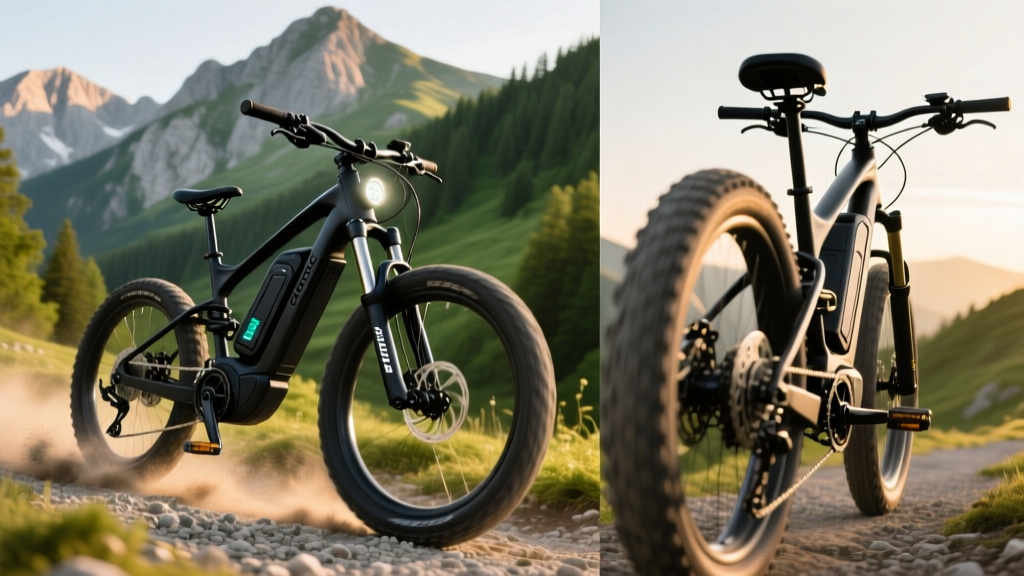
The Stark Varg EX is a high-performance electric enduro motorcycle built for off-road competition and trail riding. If you're researching this bike, you likely want to know whether an electric enduro can replace a gas 250F/300F on the trail — and what real-world range, charging logistics, and ownership costs look like. This guide covers the Varg EX's specs, compares it head-to-head against gas enduros, and breaks down the practical realities of owning an electric dirt bike in 2026.
Quick Verdict
The Stark Varg EX delivers 80 HP from a 6 kWh battery pack, weighing roughly 198 lbs (90 kg). Real-world trail range runs 1.5–3 hours depending on riding intensity — roughly equivalent to 1.5–2 tanks on a comparable gas 250F. At a base price around $13,890 (2026 MSRP), it costs more upfront than a KTM 250 XC-F (~$11,099), but eliminates fuel, oil, and top-end rebuilds. Best suited for riders with home charging access and trail sessions under 2 hours, or those who can carry a spare battery/generator for longer days.
Stark Varg EX: Core Specs & Performance
Stark Future, the Barcelona-based manufacturer, positioned the Varg EX as a race-ready enduro platform. Here are the numbers that matter:
| Spec | Stark Varg EX (2026) |
|---|---|
| Motor Output | 80 HP (peak) |
| Battery Capacity | 6 kWh (usable) |
| Battery Chemistry | NMC (Nickel Manganese Cobalt) |
| Curb Weight | ~198 lbs (90 kg) |
| Charge Time (Level 1 / 120V) | ~4–5 hours (0–100%) |
| Charge Time (Level 2 / 240V) | ~1.5–2 hours (0–100%) |
| Trail Ride Time (moderate) | ~2–3 hours |
| Trail Ride Time (hard enduro) | ~1–1.5 hours |
| Base MSRP | $13,890 |
| Federal EV Tax Credit | Not eligible (§30D applies to 4-wheel vehicles only) |
Key distinction — kW vs kWh: The Varg EX's motor produces power measured in kW (roughly 60 kW peak, or 80 HP). Its battery stores energy measured in kWh (6 kWh). Think of kW as how hard the motor can pull at any moment, and kWh as the size of the fuel tank. This distinction matters when comparing electric and gas enduros.
Electric vs Gas Enduro: Head-to-Head Comparison
How does the Varg EX stack up against a proven gas enduro like the KTM 250 XC-F or Yamaha WR250F? Here's a data-driven comparison:
| Factor | Stark Varg EX (Electric) | KTM 250 XC-F (Gas) |
|---|---|---|
| Peak Power | 80 HP | ~44 HP |
| Weight | ~198 lbs | ~227 lbs |
| Ride Time (moderate trail) | 2–3 hours | 3–4 hours (2.4 gal tank) |
| Refuel/Recharge Time | 1.5–5 hours (depending on outlet) | ~2 minutes (gas can) |
| Fuel/Energy Cost per Hour | ~$0.15–$0.40 (home charging) | ~$4–$7 (premium fuel + oil) |
| Maintenance (annual, moderate use) | ~$50–$100 (chain, brake pads) | ~$400–$800 (top-end, filters, oil) |
| Noise Level | ~60 dB (near-silent) | ~94–100 dB |
| Purchase Price | $13,890 | ~$11,099 |
| Altitude Performance Loss | None | Noticeable above 5,000 ft |
Where electric wins: The Varg EX's near-silent operation is transformative for trail access — many areas restrict gas bikes due to noise. Zero altitude power loss means consistent performance at elevation. Instant torque delivery and 80 HP output outclass most 250cc 4-strokes in raw acceleration. Maintenance is drastically lower: no air filter cleaning, no valve checks, no oil changes, no top-end rebuilds.
Where gas still wins: Refueling takes 2 minutes vs hours of charging. For all-day enduro events or multi-loop races, gas bikes are more practical unless you carry a generator or spare battery. The gas bike ecosystem has decades of aftermarket support, and any small-engine shop can service a KTM or Yamaha.
Real-World Range: What the Trail Actually Looks Like
Stark doesn't publish an EPA-style range figure because off-road riding doesn't map to standardized testing the way highway driving does. Based on rider reports and testing data, here's what to expect from the 6 kWh pack:
Range Reality Check
Moderate trail riding (single-track, mixed terrain): 2–3 hours, approximately 25–40 miles depending on speed and elevation.
Hard enduro (steep climbs, rock gardens, race pace): 1–1.5 hours, approximately 10–20 miles.
Fire road cruising (steady throttle, flat terrain): Up to 3.5 hours, 40–55 miles.
Cold weather (below 40°F): Expect 15–25% reduction in usable range due to battery chemistry limitations.
The Varg EX uses an NMC (Nickel Manganese Cobalt) battery, which offers high energy density but is more sensitive to temperature extremes than LFP (Lithium Iron Phosphate) chemistry. In cold conditions, internal resistance increases, reducing both available capacity and peak power delivery. Preconditioning the battery (if the app/firmware supports it) before a cold-weather ride can recover some of this loss.
Charging curve reality: Like all lithium batteries, the Varg EX charges fastest between 10–60% state of charge. The final 20% (80–100%) charges significantly slower to protect cell health. If you're using a generator at the trailhead for a mid-day top-up, plan for a 30–45 minute session to get from 20% to 80% on a Level 1 (120V) outlet — not a full recharge.
Ownership Costs: 3-Year Breakdown
Let's model real ownership costs for a rider who hits the trails 50 days per year, averaging 2 hours per session:
| Cost Category | Stark Varg EX (Electric) | KTM 250 XC-F (Gas) |
|---|---|---|
| Purchase Price | $13,890 | $11,099 |
| Fuel/Energy (3 years) | $45–$120 | $1,800–$3,150 |
| Maintenance (3 years) | $150–$300 | $1,200–$2,400 |
| Insurance (3 years, avg) | $900–$1,500 | $900–$1,500 |
| Estimated Resale (3 years) | ~$7,500–$9,000 | ~$6,000–$7,500 |
| Total 3-Year Net Cost | ~$5,160–$7,310 | ~$8,599–$12,149 |
Energy cost math: A full charge of the 6 kWh battery at the US average residential electricity rate of ~$0.16/kWh costs about $0.96. Over 150 riding days across 3 years, that's roughly $144 in electricity — compared to $1,800+ in premium fuel for the gas bike. Even at higher commercial charging rates ($0.30–$0.40/kWh), the electric bike's energy cost stays under $300 over 3 years.
Maintenance savings are substantial: Gas 250F enduros require regular top-end rebuilds ($400–$800 every 100–200 hours), air filter service, oil changes, and valve adjustments. The Varg EX eliminates all of this. You're left with consumables: chain/sprocket replacement, brake pads, and suspension service — similar to any bike.
Depreciation caveat: Electric motorcycle resale values are less predictable than gas bikes in 2026. The used market for electric dirt bikes is still developing, and battery health perception affects pricing. Stark's battery warranty (typically 2 years) is shorter than the 8-year/100,000-mile warranties common on electric cars, reflecting the high-stress use case.
Charging Logistics: Home, Trail, and Generator Options
Charging is the single biggest practical consideration for electric enduro ownership. Here's how the options break down:
| Charging Method | Power (kW) | 0–100% Time | Practical Use Case |
|---|---|---|---|
| Level 1 (standard 120V outlet) | ~1.2 kW | ~4–5 hours | Overnight at home |
| Level 2 (240V outlet) | ~3–4 kW | ~1.5–2 hours | Garage with dryer/RV outlet |
| Portable generator (2000W) | ~1.5–2 kW | ~3–4 hours | Trailhead mid-day top-up |
| Spare battery swap | N/A (instant) | ~1 minute | All-day riding (if budget allows) |
Home charging is straightforward: The Varg EX charges from any standard 120V household outlet. If you ride in the morning and plug in when you get home, the bike will be fully charged by the next day. A 240V outlet (like a dryer or EV charger circuit) cuts charge time to under 2 hours, which is useful for back-to-back riding days.
Trailhead charging requires planning: Unlike a gas bike where you toss a fuel can in the truck, electric enduro charging at the trail requires either a portable generator (Honda EU2200i or similar, ~$1,200) or access to a 120V outlet at a staging area. A 2000W generator can add roughly 50–60% charge in 2 hours — enough for another solid session. Factor in generator weight (~50 lbs), fuel for the generator, and noise (which somewhat defeats the purpose of a silent bike).
Spare battery option: Stark has indicated support for swappable battery configurations, but as of 2026, a spare 6 kWh pack adds significant cost (likely $3,000–$4,000+) and weight to carry. For most riders, a generator top-up is more practical than hauling a second battery.
Common Misconceptions — Myth vs Fact
| Myth | Fact |
|---|---|
| "Electric bikes have no power" | The Varg EX produces 80 HP peak — more than most 450cc gas enduros. Instant torque delivery makes it feel even more responsive off the line. |
| "You can't ride all day" | With a generator or spare battery, you can extend sessions significantly. For most recreational riders, 2–3 hours per session is sufficient, and the bike charges while you take a break. |
| "The battery will die in 2 years" | NMC batteries in off-road use typically retain 80%+ capacity after 500–800 charge cycles. At 50 rides/year, that's 10+ years before significant degradation. |
| "Electric bikes are heavier" | At ~198 lbs, the Varg EX is actually lighter than most 250F gas enduros (KTM 250 XC-F: ~227 lbs). Weight distribution is also more centralized. |
| "You qualify for a $7,500 tax credit" | The federal §30D EV tax credit applies to 4-wheeled vehicles only. Motorcycles, including the Varg EX, do not qualify. Some states may offer separate incentives — check your state energy office. |
Decision Framework: Is the Varg EX Right for You?
Choose the Stark Varg EX if:
- You ride trails with noise restrictions or want to ride near residential areas without complaints
- Your typical sessions are under 2–3 hours, or you're willing to carry a generator
- You ride at altitude and want zero power loss
- You want to eliminate routine engine maintenance (oil, filters, top-end rebuilds, valve checks)
- You have access to a standard 120V or 240V outlet at home for overnight charging
- You value instant torque delivery and 80 HP in a sub-200 lb package
Stick with a gas enduro if:
- You regularly ride all-day events, multi-loop races, or remote backcountry where charging isn't feasible
- You need 2-minute refueling and can't plan around charging logistics
- Your local dealer network and mechanic support matter for quick turnaround
- You're on a tighter budget and the $2,800+ price premium over a gas 250F is significant
- You frequently ride in extreme cold (below 20°F) where battery performance drops further
Frequently Asked Questions
Does the Stark Varg EX qualify for any federal tax credits?
No. The IRS §30D Clean Vehicle Credit applies only to 4-wheeled motor vehicles. Electric motorcycles, including the Varg EX, are not eligible. Some states and local utilities offer separate incentives for electric motorcycles — check with your state energy office or utility provider for current programs.
How long does the Stark Varg EX battery last before replacement?
NMC batteries in high-stress off-road use typically maintain 80% capacity after 500–800 full charge cycles. At 50 rides per year, that translates to roughly 10–15 years before significant range loss. Stark offers a battery warranty (check current terms at purchase), and replacement battery costs are estimated at $3,000–$4,500 based on current NMC cell pricing.
Can I ride the Varg EX in the rain and through water crossings?
Yes. The Varg EX is built for enduro competition and is sealed against water and dust ingress (typically IP67-rated for the battery and motor). Water crossings, mud, and rain are within the bike's design parameters. As with any bike, avoid submerging electronics beyond manufacturer-specified depths.
How does the Varg EX compare to the Stark Varg MX (motocross version)?
The Varg MX is tuned for motocross track use with different suspension setup, gearing, and power delivery mapping. The EX (enduro) version has wider-ratio gearing for trail speeds, different suspension valving for technical terrain, a skid plate, and lighting provisions. Both share the same 80 HP motor and 6 kWh battery platform.
What's the top speed of the Stark Varg EX?
The Varg EX is geared for enduro use, with a top speed of approximately 60–70 mph depending on gearing configuration and terrain. This is comparable to a gas 250F enduro. The bike's strength is acceleration and technical performance, not top-speed highway riding.
Is the Stark Varg EX street legal?
In most US states, the Varg EX is sold as an off-road competition vehicle and is not DOT-approved for street use. Some states allow limited off-highway vehicle (OHV) registration for dual-sport use on designated trails and roads. Check your state's OHV regulations before assuming any road-legal capability.
Bottom Line: What First-Time EV Bike Buyers Should Know
The Stark Varg EX represents the leading edge of electric enduro performance in 2026. It's genuinely competitive with — and in several metrics superior to — gas 250F enduros. The 80 HP output, sub-200 lb weight, and near-silent operation make it a compelling choice for trail riders who can work within its charging constraints.
For first-time electric vehicle buyers coming from gas bikes, the biggest adjustment isn't the riding experience — it's the logistics. Plan your charging strategy before you buy: confirm you have a 120V outlet near where you store the bike, consider whether a generator makes sense for your riding style, and be realistic about your session lengths. If your typical ride is 2 hours and you charge overnight, the Varg EX fits seamlessly. If you ride 6-hour days in remote backcountry, a gas enduro (or a hybrid approach with a generator) remains more practical.
The ownership economics favor the Varg EX over a 3–5 year horizon, with energy and maintenance savings offsetting the higher purchase price. Just don't expect a federal tax credit to help — this one's on you.