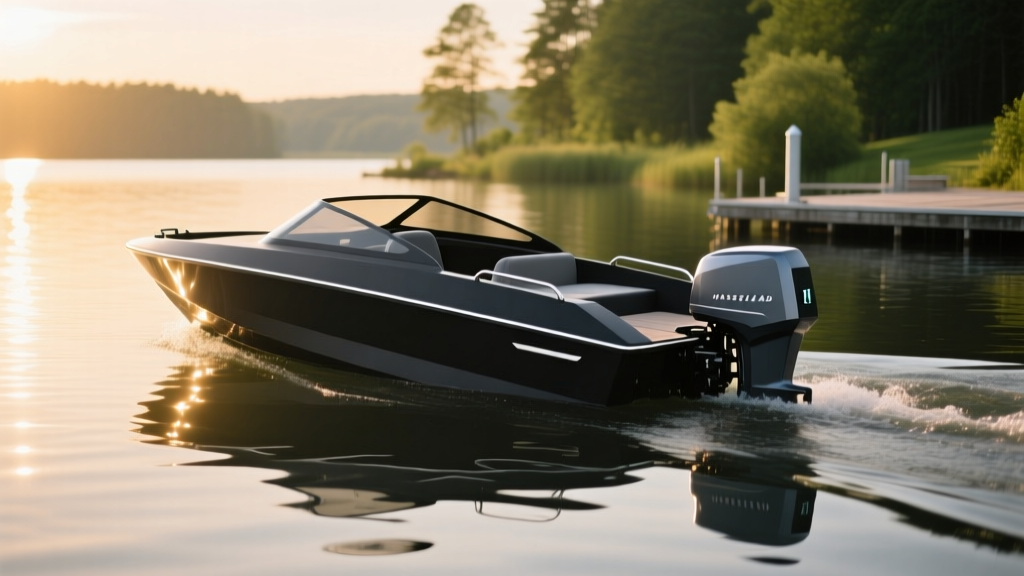
At AutoEdgeView, we focus on electrified vehicles—cars, trucks, and SUVs. However, the principles of electric propulsion (battery chemistry, kWh capacity, kW charging rates, and range anxiety) apply across the board. If you are researching a small boat with electric motor, the ownership reality is often misunderstood due to a lack of standardized "EPA-style" testing for marine vessels. Here is the practical truth for 2026 buyers: electric outboards are highly efficient at displacement speeds but suffer from a steep power-to-weight penalty compared to gas, making them best suited for protected waters, fishing, and short day-trips where silence and zero local emissions are priorities.
The Quick Answer: Is an Electric Boat Right for You?
Verdict: A small boat with electric motor (typically 5–20 HP equivalent) is ideal for lake fishing, tender use, or protected coastal waters where speeds stay under 15 mph and daily range needs are under 20 miles. It is a poor choice for watersports, long-distance cruising, or offshore use where energy density is king. Expect to pay 2–3x more upfront than a gas equivalent, primarily due to the cost of marine-grade lithium batteries.
Electric vs. Gas Outboards: The Energy Density Reality
The biggest misconception in marine electrification is comparing horsepower to horsepower without looking at energy storage. A gallon of gasoline contains roughly 33.7 kWh of energy. Even with a gas engine's low thermal efficiency (~25%), you are effectively carrying a high-density battery that you can refill in two minutes.
| Feature | Small Electric Outboard (e.g., ePropulsion/Torqeedo) | Small Gas Outboard (e.g., Honda/Mercury 10HP) |
|---|---|---|
| Upfront System Cost (Motor + Battery) | $4,500 – $9,500 | $1,800 – $2,800 |
| Energy Storage Cost | ~$500–$800 per kWh (Marine Li-ion) | $3–$4 per gallon (Gasoline) |
| Weight (Motor + Fuel/Source) | 60–110 lbs (for ~3 kWh usable) | ~80 lbs (Motor + 6 gal tank) |
| Range at 5 mph (Trolling) | 15–25 miles | 60+ miles |
| Refuel/Recharge Time | 3–8 hours (Level 1/2) | 2 minutes |
Real-World Range: The "Marine MPGe" Problem
Unlike cars, boats don't have an EPA sticker. Range depends heavily on hull type and speed. A planing hull requires exponentially more power to get "on step" than a displacement hull (like a pontoon or kayak).
- Displacement Speed (3–5 mph): A 3 kWh battery can push a 10ft dinghy for 3–5 hours.
- Planing Speed (15+ mph): That same 3 kWh might be drained in 20–30 minutes.
This is the "charge curve" of the marine world: pushing past the hull speed creates massive drag and energy waste. For most electric boat owners, the real-world range is 40–60% of the manufacturer's "ideal condition" claims.
Charging Logistics and Costs
Most portable electric outboards use removable lithium-ion batteries (often NMC chemistry for weight savings, though LFP is emerging for docked pontoons). You will likely charge these on a standard 120V household outlet (Level 1 equivalent).
| Scenario | Gas Cost (per 4-hr trip) | Electric Cost (per 4-hr trip) |
|---|---|---|
| Trolling (2 kWh used) | $8.00 (2 gallons @ $4/gal) | $0.32 (2 kWh @ $0.16/kWh) |
| Mixed Use (5 kWh used) | $20.00 (5 gallons) | $0.80 (5 kWh) |
The "fuel" savings are massive, but it takes years of frequent use to recoup the $5,000+ upfront battery premium. Maintenance is where electric truly shines: no impellers, no fuel stabilizers, no lower-unit gear oil, and no winterizing with antifogging spray.
Decision Framework: Which Propulsion Should You Choose?
Choose Electric If:
- You boat on small lakes or protected reservoirs.
- Silence is critical (e.g., fishing or wildlife photography).
- You have easy access to shore power or solar charging at your dock.
- You want zero local emissions and minimal maintenance.
Choose Gas If:
- You need to plane a heavy boat or travel long distances.
- You boat in remote areas without charging infrastructure.
- Budget is a primary concern and you boat infrequently.
Common Misconceptions
| Myth | Fact |
|---|---|
| "Electric motors don't have enough power." | They have massive instant torque, but battery capacity limits how long that power can be sustained. |
| "Solar panels will keep me running forever." | A typical 200W marine panel adds roughly 1 mile of range per hour of full sun—good for maintenance, not propulsion. |
| "They are completely maintenance-free." | While the motor is simple, marine-grade lithium batteries degrade over time and are expensive to replace (every 7–10 years). |
Frequently Asked Questions
Are there tax credits for electric boats?
As of 2026, the federal §30D Clean Vehicle Credit applies only to highway-capable vehicles (cars/trucks). However, some state-level "clean off-road" or marine incentive programs exist. Check your local DNR or state energy office.
How long do marine lithium batteries last?
Most NMC marine batteries are rated for 1,000–2,000 cycles before reaching 80% State of Health (SoH). With proper care (avoiding 100% storage and extreme heat), expect 7–10 years of service.
Can I use a car EV charger for my boat battery?
Only if the battery system supports it. Most portable outboards use proprietary DC chargers or standard AC cords. Integrated electric boats (like those from X Shore or Arc) are beginning to adopt NACS/CCS standards for dockside Level 2 charging.