Quick Answer: Is the Sixthreezero EVryjourney Electric Rickshaw Right for You?
The sixthreezero EVryjourney electric rickshaw is a low-speed, three-wheeled electric vehicle designed for short neighborhood trips, campus commuting, and light cargo hauling. With a 500-watt hub motor, a top speed of approximately 15 mph, and an estimated range of 15 miles per charge, it serves a niche well below that of a full-size EV or even a plug-in hybrid. If your daily travel stays under 10 miles round-trip on flat terrain and you can charge from a standard 120V outlet at home, the EVryjourney can replace car trips at a fraction of the cost. If you need highway speeds, weather protection, or more than 15 miles of range, a conventional EV or PHEV is the correct tool.
What the Sixthreezero EVryjourney Electric Rickshaw Actually Is
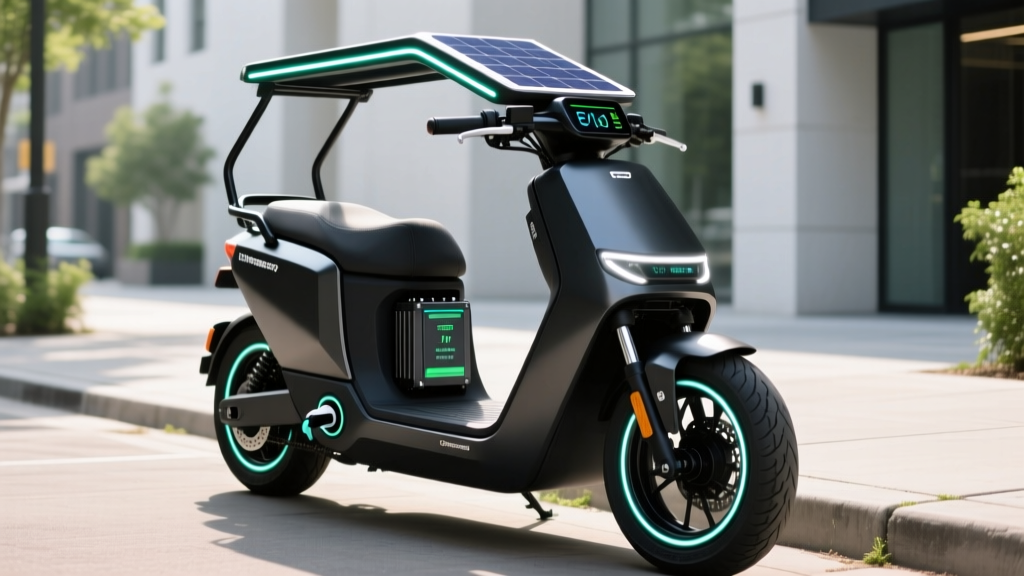
The sixthreezero EVryjourney electric rickshaw sits in the category of low-speed electric vehicles (LSEVs) — sometimes called neighborhood electric vehicles (NEVs) when they meet federal safety standards. It is not an automobile. It does not appear on fueleconomy.gov, is not rated by the EPA for MPGe, and does not qualify for the federal §30D clean vehicle tax credit that applies to highway-capable EVs with four wheels and a gross vehicle weight rating above certain thresholds.
Here is what it delivers:
- Motor: 500W rear hub motor
- Top speed: ~15 mph (varies by rider weight and terrain)
- Battery: 48V lithium-ion pack (approximately 0.5–0.7 kWh usable capacity)
- Estimated range: 10–15 miles on a full charge (pedal-assist mode extends this; throttle-only reduces it)
- Charge time: 4–6 hours on a standard 120V household outlet
- Weight capacity: Approximately 300 lbs including rider and cargo
- Vehicle weight: ~75 lbs (frame and battery combined)
This is essentially an electric tricycle with a cargo platform, not a car replacement. Understanding that distinction is critical before comparing it to a gas vehicle or a full EV.
EVryjourney vs. Gas Car vs. Full EV: By the Numbers
Comparing a 500W electric rickshaw to a $35,000+ electric car or a $28,000 gas compact is an apples-to-watermelons exercise — but buyers considering the EVryjourney often want to know whether it can genuinely replace short car trips. Here is how the economics stack up for a 5-mile round-trip commute done 5 days per week (roughly 1,300 miles per year):
| Metric | Sixthreezero EVryjourney | Gas Compact Car (30 MPG) | Full-Size EV (e.g., Chevy Equinox EV) |
|---|---|---|---|
| Upfront purchase price | ~$2,200–$2,800 | ~$28,000 | ~$33,000 (after §30D credit) |
| Energy cost per mile | ~$0.003 (at $0.16/kWh) | ~$0.12 (at $3.60/gal) | ~$0.04 (at $0.16/kWh, 3.5 mi/kWh) |
| Annual energy cost (1,300 mi) | ~$4 | ~$156 | ~$52 |
| Annual insurance | $0 (not required in most states) | ~$1,400 | ~$1,600 |
| Annual maintenance | ~$30 (tire, brake pads) | ~$600 | ~$300 |
| 5-year total operating cost | ~$170 | ~$10,780 | ~$9,760 |
The EVryjourney wins operating costs decisively — but only for trips it can actually make. It cannot handle highways, sustained rain, freezing temperatures without range loss, or passengers beyond one rider. A full EV or PHEV remains necessary for anything beyond a 5-mile fair-weather radius.
Real-World Range and Charging: What to Expect
The stated 15-mile range assumes moderate pedal assist, a 170-lb rider, flat terrain, and temperatures above 60°F. Real-world conditions compress that number significantly:
- Throttle-only, no pedaling: Expect 8–10 miles from a full charge.
- Hilly terrain: Range drops 20–30% due to the 500W motor working harder on inclines.
- Cold weather (below 40°F): Lithium-ion cells lose 15–25% of usable capacity in cold temperatures. Expect 8–11 miles even with pedal assist.
- Heavy cargo loads: Approaching the 300-lb capacity limit reduces range proportionally.
Charging is straightforward: the battery charges from a standard 120V household outlet — no Level 2 charger, no 240V circuit, and no electrician visit required. A full charge from empty takes approximately 4–6 hours. There is no DC fast charging capability, and the small battery capacity (under 1 kWh) means your electricity cost per charge is measured in pennies — roughly $0.08 to $0.11 per full charge at the national average of $0.16/kWh.
One ownership practicality: the battery is removable on most EVryjourney configurations, meaning apartment dwellers can carry the pack indoors to charge. This eliminates the home-charging-access barrier that complicates full EV ownership for renters.
Total Cost of Ownership: The Honest Breakdown
Let's project five-year costs assuming you ride the EVryjourney 1,300 miles per year and store it properly:
| Cost Category | Year 1 | Years 2–5 | 5-Year Total |
|---|---|---|---|
| Purchase (MSRP ~$2,500 avg) | $2,500 | $0 | $2,500 |
| Electricity (~$4/year) | $4 | $16 | $20 |
| Tires and brake pads | $0 | $60 | $60 |
| Battery replacement (year 4–5) | $0 | $300–$500 | $300–$500 |
| Accessories (lock, lights, cover) | $100 | $0 | $100 |
| Total | $2,604 | $376–$576 | $2,980–$3,180 |
The largest long-term expense is battery replacement. Lithium-ion packs in light electric vehicles typically last 500–800 full charge cycles before capacity drops below 80%. At 1,300 miles per year and roughly 10 miles per charge, you will cycle the battery about 130 times per year — meaning the pack should last 4–6 years before noticeable degradation. A replacement 48V battery pack runs $300–$500 depending on capacity and source.
There is no federal tax credit available for the EVryjourney. The IRS §30D clean vehicle credit applies to four-wheeled, highway-capable vehicles with a battery capacity of at least 7 kWh — the EVryjourney meets none of these criteria. Some states and local utilities offer rebates for e-bikes and low-speed electric vehicles; check your local programs.
Common Misconceptions About Electric Rickshaws
| Myth | Fact |
|---|---|
| "It qualifies for the $7,500 federal EV tax credit." | No. The §30D credit requires a four-wheeled vehicle with ≥7 kWh battery, MSRP under caps, and highway-capable design. The EVryjourney qualifies for none of these. |
| "I can ride it on any road." | Most states restrict low-speed vehicles to roads with speed limits of 35 mph or below. Check your local DMV or NHTSA regulations for LSEV/NEV classification in your state. |
| "The 15-mile range is guaranteed." | Range varies with rider weight, terrain, temperature, and assist level. Throttle-only use on hills in cold weather may yield under 8 miles. |
| "It's a car replacement." | It is a car-trip replacement for specific short, fair-weather trips. You still need a primary vehicle for highway driving, bad weather, and longer distances. |
| "Maintenance-free." | Tires wear, brake pads need replacement, chains need lubrication, and the battery degrades over 4–6 years. Budget $60–$100/year in upkeep. |
Decision Framework: Should You Buy the EVryjourney?
Buy the sixthreezero EVryjourney electric rickshaw if:
- Your daily trips are under 10 miles round-trip on local roads (≤35 mph speed limit)
- You live in a mild climate or accept reduced winter range
- You have access to a standard 120V outlet for charging (including indoors via removable battery)
- You want to eliminate fuel and insurance costs for short errands and commutes
- You view it as a supplement to — not a replacement for — a primary vehicle
Look at a full EV or PHEV instead if:
- You need to travel on roads with speed limits above 35 mph
- Your one-way commute exceeds 10 miles
- You need to carry passengers or more than ~50 lbs of cargo regularly
- You live in an area with harsh winters and need a reliable year-round commuter
- You want a vehicle that qualifies for the §30D federal tax credit (up to $7,500 for eligible new EVs meeting IRS sourcing and income requirements)
Consider a standard e-bike instead if:
- You don't need cargo capacity and prioritize portability and storage
- You want to ride on bike paths and multi-use trails where three-wheeled vehicles may be restricted
- Your budget is under $1,800
First-Time EV Buyer Essentials: What Applies at Any Scale
Even though the EVryjourney is a light electric vehicle rather than a full EV, the same foundational principles of electric ownership apply:
kW vs. kWh matters at every scale. The EVryjourney's 500W (0.5 kW) motor determines how much power it can deliver at any moment — affecting top speed and hill-climbing ability. The battery's capacity in kWh (roughly 0.5–0.7 kWh) determines how far you can go. A full-size EV like the Tesla Model Y has a ~250 kW motor and a ~75 kWh battery. The ratio is similar; the scale is not.
Battery chemistry affects longevity. Most light EV batteries use NMC (nickel manganese cobalt) chemistry for its energy density. NMC degrades faster than LFP (lithium iron phosphate) but weighs less — a critical trade-off on a 75-lb vehicle. Store the battery at 40–60% charge if not using it for extended periods, and avoid leaving it at 100% charge overnight routinely. These habits extend cycle life measurably.
Charging access defines ownership ease. The EVryjourney's removable battery and 120V charging eliminate the biggest barrier in full EV ownership: home charging installation. A Level 2 home charger for a full EV costs $500–$2,000 installed (equipment plus electrician). The EVryjourney requires $0 in charging infrastructure — just a wall outlet.
Frequently Asked Questions
How fast does the sixthreezero EVryjourney electric rickshaw go?
Approximately 15 mph on flat ground with a single rider. Speed decreases with added weight, inclines, and low battery state of charge. This is below the speed limit of most roads, which is why LSEV regulations apply.
Can I ride the EVryjourney in the rain?
The motor and battery have basic water resistance, but sixthreezero does not rate the vehicle for heavy rain or submersion. Riding in light rain is generally fine; sustained downpours or standing water risk electrical damage. This is a practical limitation versus any enclosed vehicle.
Does the EVryjourney require registration or a license?
Regulations vary by state and locality. In many jurisdictions, electric tricycles under 750W and 20 mph do not require registration, insurance, or a driver's license. However, some states classify three-wheeled electric vehicles differently. Check with your state DMV before purchasing.
How long does the battery last before needing replacement?
Expect 500–800 full charge cycles, which translates to roughly 4–6 years at typical usage levels (130 cycles/year). Capacity will gradually decline — you may notice reduced range starting in year 3 or 4. A replacement 48V lithium pack costs $300–$500.
Is the sixthreezero EVryjourney eligible for any tax credits?
Not the federal §30D clean vehicle credit, which requires a four-wheeled, highway-capable EV with at least 7 kWh of battery capacity. Some state and local e-bike rebate programs may apply — check your utility and state energy office for current incentives.
How does this compare to buying a used EV for short trips?
A used Nissan Leaf or Chevy Bolt can be found for $12,000–$18,000 and offers 100+ miles of range, highway capability, weather protection, and §30D used-EV credit eligibility (up to $4,000 on qualifying vehicles under $25,000 from a dealer). If you need a vehicle for more than fair-weather neighborhood trips, a used EV is the stronger investment. The EVryjourney makes sense only when your trip profile is strictly short, local, and low-speed — and when you want to spend under $3,000 total.