Rivian Apple CarKey: Your iPhone Is Now Your Truck Key
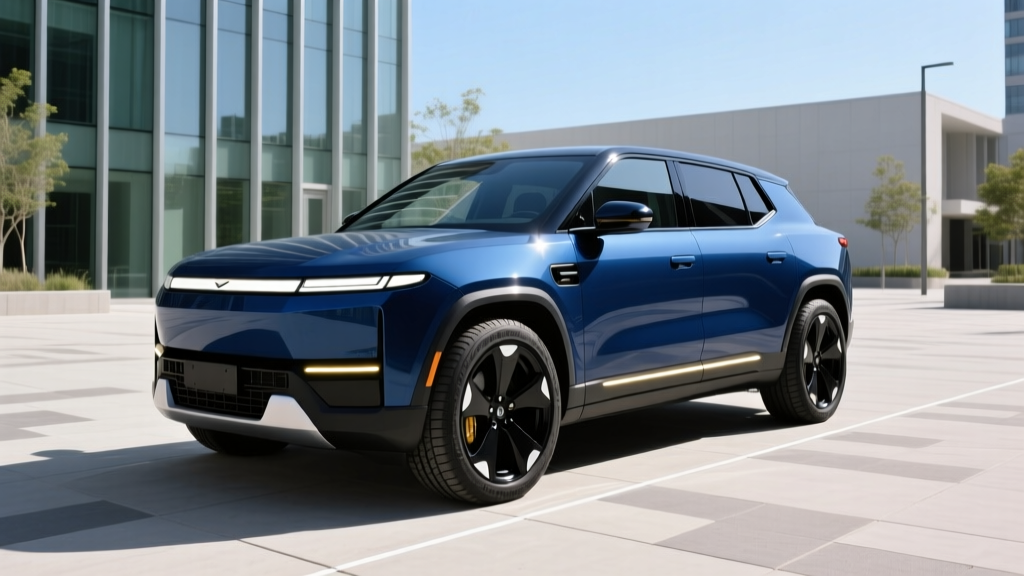
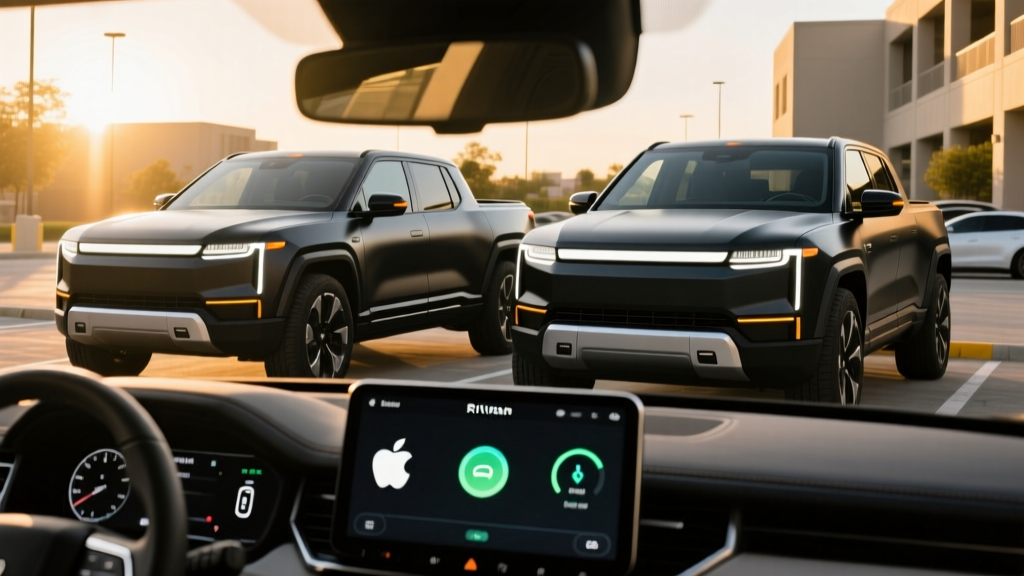
If you own a 2026 Rivian R1T or R1S — or you're shopping for one — the Rivian Apple CarKey feature is one of those quality-of-life upgrades that quietly reshapes how you interact with your vehicle. Apple CarKey replaces the physical key fob with your iPhone (or Apple Watch), enabling passive unlock, start, and sharing functions using Ultra Wideband (UWB) and NFC. Rivian rolled out full Apple CarKey support starting with software update 2024.44 and has continued refining it through the 2026 model year, making it one of the most seamless digital-key implementations in the EV space.
But digital-key convenience is just one part of the ownership equation. Below, we break down exactly how to set up and use Rivian Apple CarKey, then deliver a full 2026 spec profile of the R1T and R1S — range, charging, pricing, tax credit eligibility, and whether these trucks earn a spot in your garage.
How to Set Up Rivian Apple CarKey (Step-by-Step)
Setting up Apple CarKey on a 2026 Rivian requires an iPhone XR or newer running iOS 17+ (iOS 18 recommended for full UWB precision), a paired Apple Watch (Series 6+ for watch-based passive entry), and a Rivian with the latest OTA software. Here's the process:
- Open the Rivian app on your iPhone and ensure your vehicle is linked and Bluetooth is active.
- Tap Vehicle Settings → Digital Key → Add Apple CarKey. The app redirects you to Apple Wallet.
- Follow the on-screen pairing prompts. Your iPhone communicates with the truck via Bluetooth and UWB to establish a secure key.
- Enable Express Mode in Apple Wallet for battery-reserve access (lets you unlock even if your iPhone battery dies, for up to 5 hours).
- Share with family via the Wallet app — you can send a digital key to up to 5 other Apple users, with optional driving restrictions for teen drivers.
Real-world tip: UWB-based passive entry works from approximately 10–15 feet away. You don't need to pull out your phone — the R1T/R1S detects your approach, illuminates the door handles, and unlocks automatically. NFC tap-to-unlock serves as a backup if UWB isn't triggered or your phone is in a signal-blocking bag.
2026 Rivian R1T & R1S: Full Spec Profile
Apple CarKey is a headline feature, but the hardware underneath matters more for daily ownership. Rivian offers the 2026 R1T (pickup) and R1S (three-row SUV) in three battery configurations, all built on the updated Gen 2 platform with improved thermal management and drive-unit efficiency.
| Spec | Standard Pack | Large Pack | Max Pack |
|---|---|---|---|
| EPA Range | 270 mi | 352 mi | 420 mi |
| Battery Capacity (usable) | 92 kWh (LFP) | 119 kWh (NMC) | 141 kWh (NMC) |
| Horsepower | 533 hp | 533 hp | 533 hp |
| 0–60 mph | 4.5 sec | 4.5 sec | 4.7 sec |
| Max DC Fast Charge | 190 kW | 220 kW | 220 kW |
| 10–80% DC Charge Time | ~28 min | ~30 min | ~38 min |
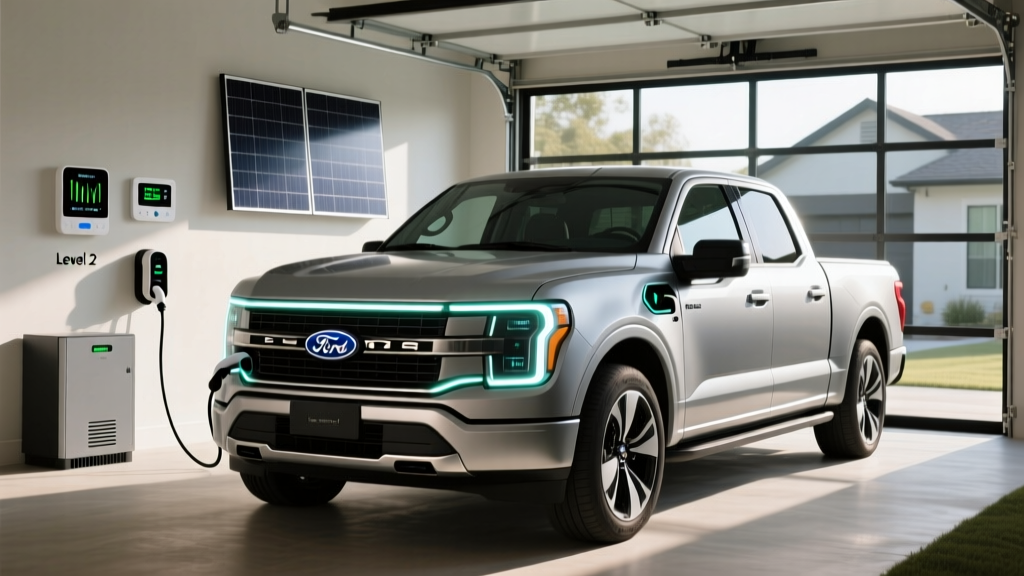
| Level 2 Home Charge Rate | 11.5 kW (~28 mi/hr) | 11.5 kW (~28 mi/hr) | 11.5 kW (~28 mi/hr) |
| Drivetrain | Dual-Motor AWD | Dual-Motor AWD | Dual-Motor AWD |
| Towing Capacity | 11,000 lbs | 11,000 lbs | 10,000 lbs |
| Base MSRP | $69,900 | $75,900 | $83,400 |
Source: Rivian Official Specs, fueleconomy.gov
The R1S SUV carries a slight range penalty (~10–15 miles less per pack) due to its larger, heavier body, but gains a third row and up to 104.7 cu ft of cargo space with both rear rows folded.
Real-World Range: What the EPA Sticker Doesn't Tell You
- Mixed driving (city/highway): Expect ~310–330 miles in mild weather (65–75°F)
- Sustained highway (75 mph): ~275–295 miles — aerodynamic drag hits tall pickups hard
- Cold weather (below 32°F): ~240–270 miles; LFP Standard Pack loses proportionally more due to chemistry
- Towing (5,000+ lb trailer): Range drops 40–50% — plan for ~160–180 miles between charges
The 2026 Gen 2 R1T's heat pump (standard across all trims) mitigates cold-weather loss better than the Gen 1, but physics still governs: a 7,000-lb electric pickup pushing air at 75 mph will consume more energy than a sleek sedan. For road-trip planning, budget 80% of EPA range as your safe operating window.
The LFP (lithium iron phosphate) Standard Pack battery deserves special mention. LFP chemistry sacrifices some energy density (hence the 270-mile range in a relatively large 92 kWh pack) but gains major longevity advantages: it tolerates daily 100% charging without accelerated degradation and offers a longer cycle life than NMC. If your daily commute is under 150 miles round-trip and you want a battery that'll outlast the truck, the Standard Pack is a smart choice.
Charging Speed: DC Fast, Level 2, and the Curve Reality
| Charging Level | Power / Rate | Miles Added per Hour | Notes |
|---|---|---|---|
| Level 1 (120V household) | ~1.4 kW | ~3 mi/hr | Emergency/trickle only |
| Level 2 (240V home, 48A) | 11.5 kW | ~28 mi/hr | Full charge overnight (10–12 hrs for Large Pack) |
| DC Fast (Max Pack/Large) | Peak 220 kW | ~140 mi in 15 min | 10–80% in ~30 min; tapers above 80% |
| DC Fast (Standard/LFP) | Peak 190 kW | ~120 mi in 15 min | 10–80% in ~28 min |
| Tesla Supercharger (NACS) | Up to 250 kW (adapter) | Varies by pack | NACS port native on 2025+ models; adapter included for older |
Charging curve reality check: Rivian's 220 kW peak rate is just that — a peak. On a Large Pack, you'll see 200–220 kW between roughly 10–35% State of Charge (SoC). From 35–60%, it holds a steady ~170 kW. Above 80%, the rate drops to under 50 kW to protect battery health. This is why manufacturers quote 10–80% times rather than 0–100%. For road trips, plan to charge to 80% and go — the last 20% takes nearly as long as the first 70%.
Rivian's native NACS (North American Charging Standard) port on 2025 and newer models grants direct access to Tesla's Supercharger network — over 25,000 stalls in North America. This is a major practical advantage for road-trippers, especially in rural corridors where Electrify America and EVgo coverage thins out.
Pricing, Trims, and Federal Tax Credit Eligibility
| Trim / Pack | Base MSRP | §30D Credit Eligibility | Est. After-Credit Price |
|---|---|---|---|
| Dual-Motor Standard (LFP) | $69,900 | Likely eligible (under $80K truck cap) | ~$62,400* |
| Dual-Motor Large (NMC) | $75,900 | Likely eligible (under $80K truck cap) | ~$68,400* |
| Dual-Motor Max (NMC) | $83,400 | NOT eligible (exceeds $80K MSRP cap) | $83,400 |
| Tri-Motor Performance (any pack) | $99,900+ | NOT eligible (exceeds $80K MSRP cap) | $99,900+ |
* Credit eligibility depends on buyer income, battery sourcing, and MSRP caps per IRS §30D rules. Consult a tax professional.
- MSRP cap: Trucks, SUVs, and vans must be under $80,000 — this eliminates the Max Pack and all Tri-Motor R1T/R1S trims
- Buyer income cap: AGI must not exceed $300,000 (joint), $225,000 (head of household), or $150,000 (single)
- Battery sourcing: Critical minerals and battery components must meet escalating domestic-content thresholds — Rivian has been working to qualify, but verify at purchase via the IRS clean vehicle report
- Point-of-sale transfer: Eligible buyers can apply the credit as an immediate price reduction at the dealer (or Rivian direct), rather than waiting for tax filing
Interior, Cargo, and Daily Livability
The R1T's cabin is genuinely premium — rivian uses vegan leather, real wood, and aluminum throughout, with a minimalist 15.6-inch landscape touchscreen running Rivian's custom OS. Apple CarKey integration means your phone handles entry, but the infotainment itself does not support Apple CarPlay (Rivian uses its own native navigation, media, and phone-mirroring system). This is a common point of contention for iPhone users who expect CarPlay.
Cargo dimensions (R1T):
- Bed length: 54.5 inches (4.5 ft) — shorter than a traditional half-ton truck
- Gear Tunnel: 11.7 cu ft lockable pass-through storage (unique to Rivian)
- Frunk (front trunk): 11.1 cu ft, drainable — useful for wet gear or groceries
- Max payload: 1,764 lbs
Cargo dimensions (R1S SUV):
- Behind 3rd row: 21.0 cu ft
- Behind 2nd row (3rd folded): 56.3 cu ft
- Max (all rear rows folded): 104.7 cu ft
- Second-row legroom: 39.5 inches; third-row legroom: 30.4 inches (tight for adults on long trips)
Driver Assistance and Safety Technology
Rivian's Driver+ bundle includes highway assist (lane centering + adaptive cruise), automatic emergency braking, blind-spot monitoring, rear cross-traffic alert, and a 360-degree camera system. It's competent but not class-leading — the lane-centering can be conservative on curves, and the system disengages more readily in construction zones than competitors.
For safety ratings, the 2026 R1T carries a 5-star overall rating from NHTSA and earned IIHS Top Safety Pick+ recognition in the prior model year (2026 crash-test results pending at publication).
Warranty Coverage and Battery Longevity
Rivian's warranty package is competitive for the premium EV truck segment:
- Basic vehicle: 5 years / 60,000 miles
- Battery & drive unit (powertrain): 8 years / 175,000 miles
- Battery capacity retention: Rivian warrants at least 70% capacity over the 8-year/175,000-mile period
- Corrosion: 5 years / unlimited miles
The 175,000-mile powertrain coverage is generous — it exceeds the federal minimum of 8 years / 100,000 miles and matches or beats most competitors. For the LFP Standard Pack, real-world degradation data from Gen 1 owners suggests roughly 5–7% capacity loss over 100,000 miles with regular 100% charging, which is consistent with LFP's known longevity advantage.
Efficiency: MPGe and Energy Consumption
Efficiency is where a 7,000-lb electric pickup will never match a sedan, but the Gen 2 R1T has improved meaningfully over its predecessor:
- Dual-Motor Large Pack: 73 MPGe combined / 46 kWh per 100 miles (EPA est.)
- Dual-Motor Standard Pack (LFP): 70 MPGe combined / 48 kWh per 100 miles
- Dual-Motor Max Pack: 70 MPGe combined / 48 kWh per 100 miles
At the national average electricity rate of ~$0.17/kWh (EIA, 2025 data), charging a Large Pack R1T from 10–80% at home costs roughly $14.50 — equivalent to about $4.15 per gallon of gas in cost-per-mile terms. That's a meaningful savings over a comparable gas-powered F-150 or Tacoma, especially for high-mileage commuters.
Pros, Cons, and Who Should Buy
- Apple CarKey with UWB passive entry is best-in-class digital key UX
- Gear Tunnel and frunk add real utility beyond a standard truck bed
- 11,000-lb towing capacity with integrated trailer brake controller
- LFP Standard Pack offers daily 100% charging with minimal degradation
- NACS port = native Tesla Supercharger access (2025+ models)
- 8-yr/175,000-mi battery warranty exceeds federal minimum
- Over-the-air updates continuously add features
- No Apple CarPlay — Rivian's native OS only
- Driver+ is competent but trails Super Cruise/BlueCruise in hands-free capability
- 4.5-ft bed is shorter than most half-ton trucks
- Max Pack and Tri-Motor trims exceed the $80K tax-credit MSRP cap
- Charging above 80% is slow — plan road trips around 80% stops
- Service center network still expanding; some rural owners face long tow distances
- You want an electric pickup for outdoor recreation, light towing, and daily commuting
- You value Apple ecosystem integration (CarKey, Wallet sharing, Watch unlock)
- You have home Level 2 charging and drive under 200 miles daily
- You want a premium cabin with genuine off-road capability
- You need a full 6.5-ft truck bed for work (consider Ford F-150 Lightning)
- You want hands-free highway driving (GM Silverado EV with Super Cruise)
- You tow heavy loads long distances frequently — charging logistics remain challenging for 10,000+ lb towing
- Apple CarPlay is non-negotiable for your infotainment workflow
Frequently Asked Questions
What is the real-world range of the 2026 Rivian R1T?
The EPA rates the R1T Dual-Motor Large Pack at 352 miles, but real-world highway driving at 75 mph yields approximately 275–295 miles. In cold weather (below 32°F), expect 240–270 miles. The LFP Standard Pack's 270-mile EPA figure drops to roughly 210–230 miles in winter conditions. Always plan road trips around 80% of the EPA sticker for a safe buffer.
How fast does the Rivian R1T charge at home and on the road?
At home on a Level 2 (240V, 48A) charger, the R1T charges at 11.5 kW, adding about 28 miles of range per hour — a full Large Pack charges overnight in roughly 10–12 hours. On DC fast chargers, the Large and Max Packs peak at 220 kW, achieving 10–80% in approximately 30–38 minutes. The LFP Standard Pack peaks at 190 kW with a 10–80% time of about 28 minutes. Remember: charging slows dramatically above 80% SoC.
How much does a 2026 Rivian R1T cost after tax credits?
The base Dual-Motor Standard Pack starts at $69,900 and is likely eligible for the $7,500 federal tax credit (assuming buyer income and battery-sourcing requirements are met), bringing the effective price to roughly $62,400. The Large Pack at $75,900 similarly qualifies, netting ~$68,400. However, the Max Pack ($83,400) and all Tri-Motor trims ($99,900+) exceed the IRS §30D MSRP cap of $80,000 for trucks and do not qualify. Always verify current eligibility on the IRS clean vehicle credits page.
Is the Rivian R1T worth buying vs. the Ford F-150 Lightning or Chevy Silverado EV?
It depends on your priorities. The R1T wins on premium interior quality, unique storage (Gear Tunnel, frunk), Apple CarKey integration, and genuine off-road capability (adjustable air suspension, quad-motor option). The F-150 Lightning offers a larger bed (5.5–6.5 ft), Pro Power Onboard for job-site use, and a lower starting price. The Silverado EV provides 400+ miles of range and Super Cruise hands-free driving. For lifestyle-oriented truck buyers who value tech and adventure features, the R1T is the strongest pick. For work-truck buyers, the Lightning is more practical.
Does the Rivian R1T/R1S qualify for the federal EV tax credit?
The Standard and Large Pack Dual-Motor trims (under $80,000 MSRP) are likely eligible for up to $7,500 under IRS §30D, provided the buyer's AGI is within limits ($300K joint / $150K single) and the battery meets critical-mineral and component-sourcing thresholds. The Max Pack and Tri-Motor trims exceed the $80K MSRP cap and are ineligible. Rivian offers point-of-sale credit transfer, so eligible buyers can apply the credit as an immediate price reduction. Confirm your specific eligibility with a tax professional and check the IRS clean vehicle report at the time of purchase.
Does Rivian Apple CarKey work with Android phones?
No. Apple CarKey is exclusive to the Apple ecosystem (iPhone and Apple Watch). Android users can use Rivian's built-in Bluetooth digital key via the Rivian app, which provides similar passive-entry functionality but lacks the Wallet integration and cross-device sharing that Apple CarKey offers.
Can I still use a physical key fob with the 2026 Rivian?
Yes. Rivian includes a physical key card (NFC-based) and offers an optional traditional key fob. Apple CarKey supplements — but does not replace — these backup entry methods. The NFC key card is useful as an emergency backup if your phone is lost or dead beyond the Express Mode reserve window.