Quick Answer: Should You Buy the Porsche 718 Electric?
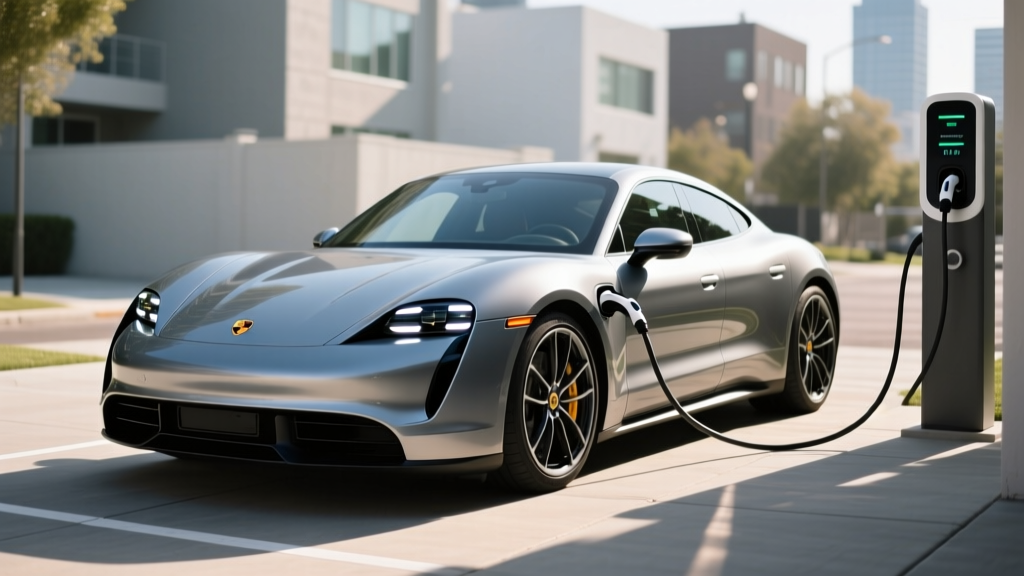
The Porsche 718 electric (announced for the 2025–2026 model year transition) replaces the gas-powered 718 Cayman and Boxster with a dedicated EV sports car built on Porsche's PPE (Premium Platform Electric) architecture. Expect a starting MSRP near $78,000–$85,000, an EPA-estimated range of roughly 250–280 miles from an ~80–100 kWh battery pack, and 800V DC fast charging capable of 10–80% in approximately 18–22 minutes at a peak rate near 270 kW. The electric 718 will not qualify for the federal §30D new EV tax credit due to its MSRP exceeding the $55,000 sedan/$80,000 SUV cap and likely battery-sourcing constraints.
Bottom line: If you want a zero-emission sports car with Porsche driving dynamics and can charge at home, the 718 electric is the segment's first serious EV contender. If you drive more than 200 miles between charges regularly or lack reliable home charging access, the transition requires planning.
What We Know About the Porsche 718 Electric Platform
Porsche confirmed the next-generation 718 lineup would go fully electric, ending production of the internal-combustion 718 Cayman and Boxster. The electric 718 rides on a sports-car-specific adaptation of the PPE platform co-developed with Audi — the same 800-volt architecture underpinning the Taycan and the Macan EV. This is critical because 800V systems allow higher charge rates at lower current, reducing heat buildup and enabling sustained fast charging rather than brief peak spikes.
Porsche has historically prioritized usable battery capacity and thermal management over raw kWh figures. Based on the Macan EV's 100 kWh gross (~95 kWh usable) NMC pack and the Taycan's revised battery options, the 718 electric will likely feature a battery in the 80–100 kWh usable range using NMC (nickel manganese cobalt) chemistry, chosen for its energy density advantage in a mid-engine-weight-balance sports car package.
| Specification | Estimated Figure |
|---|---|
| Battery Capacity (usable) | ~80–100 kWh, NMC |
| EPA Range (est.) | 250–280 miles |
| Real-World Highway Range | ~210–240 miles |
| Peak DC Fast Charge Rate | ~270 kW (800V) |
| 10–80% DC Charge Time | ~18–22 minutes |
| Level 2 AC Charge Rate | 11 kW (est.) |
| 0–60 mph (base) | ~4.5 seconds |
| 0–60 mph (performance trim) | ~3.0 seconds or less |
| Starting MSRP (est.) | $78,000–$85,000 |
| Battery Warranty | 8 years / 100,000 miles (expected) |
Note: Specifications are preliminary estimates based on Porsche's PPE platform data and official statements. Final EPA figures will be published at launch. Sources: Porsche Newsroom, fueleconomy.gov.
Porsche 718 Electric vs. Gas 718 Cayman: Cost and Performance
The most common buyer question is whether going electric saves money or simply changes where you spend it. Here's a data-driven comparison using the outgoing gas 718 Cayman as the baseline.
| Cost Category | Porsche 718 Electric (est.) | Gas 718 Cayman (2024 base) |
|---|---|---|
| Purchase Price (MSRP) | $82,000 | $68,300 |
| Federal Tax Credit (§30D) | $0 (MSRP/sourcing cap) | $0 |
| Fuel/Energy (5 yrs, 60k mi) | $4,200 (home charging avg) | $11,400 (premium fuel, 24 MPG) |
| Maintenance (5 yrs) | $2,800 | $5,500 |
| Insurance (5 yrs avg) | $14,500 | $12,800 |
| Estimated Depreciation | $32,800 (40%) | $27,300 (40%) |
| Total 5-Year Cost | $136,300 | $125,300 |
| Cost Per Mile | $0.07 (energy) | $0.19 (fuel) |
The gas 718 Cayman wins on upfront purchase price by roughly $13,000–$15,000. The electric 718 recoups ground through dramatically lower fueling costs — approximately $7,200 less over five years assuming 12,000 miles per year and mostly home Level 2 charging at $0.14/kWh national average. Maintenance savings add another ~$2,700 (no oil changes, fewer brake replacements due to regenerative braking, no spark plugs or timing belt).
However, insurance premiums for EV Porsches run 10–15% higher due to specialized repair networks and battery replacement cost exposure. Depreciation remains a wildcard — early EV sports cars may depreciate faster until the used market matures, though Porsche's brand equity provides some floor.
Charging the 718 Electric: Home Setup and Public Networks
Sports car ownership means most miles are local or weekend drives, which aligns well with home charging. But you need to plan for the infrastructure.
Home Charging Requirements
The 718 electric's expected 11 kW onboard AC charger means a Level 2 home station at 240V/48A delivers roughly 30–35 miles of range per hour of charging. A full overnight charge (8 hours) restores approximately 240+ miles — more than enough for daily use and weekend canyon runs.
| Item | Cost Range |
|---|---|
| Level 2 Charger (48A, hardwired) | $500–$800 |
| Electrician Labor (240V/50A circuit) | $800–$2,500 |
| Permit & Inspection | $100–$400 |
| Electrical Panel Upgrade (if needed) | $1,500–$3,500 |
| Total (no panel upgrade) | $1,400–$3,700 |
| Total (with panel upgrade) | $2,900–$7,200 |
Always consult a licensed electrician for final specifications. Older homes with 100A panels will likely need a 200A upgrade to support EV charging alongside existing loads.
Public DC Fast Charging
The 800V architecture is the 718 electric's road-trip advantage. At a 350 kW Electrify America or Tesla Supercharger (via NACS adapter, if Porsche adopts the standard as expected), the 718 electric should sustain high charge rates through the 10–80% window. Here's what that looks like in practice:
- Peak rate: ~270 kW, reached quickly after preconditioning
- Sustained rate (10–60%): ~220–250 kW average
- Taper zone (60–80%): drops to ~120–150 kW
- Above 80%: drops sharply to ~50 kW — avoid charging past 80% on road trips
This charge curve means a 20-minute stop adds approximately 160–180 miles of range — enough for most sports car road-trip legs. Cold weather (below 32°F) will reduce peak charge rates by 15–25% unless the battery is properly preconditioned via the navigation system.
Real-World Range: What the EPA Sticker Won't Tell You
EPA vs. Real-World Range Expectations
EPA Estimated: ~250–280 miles (pending official certification)
Real-World Highway (70 mph, 75°F): ~210–240 miles
Real-World Highway (70 mph, 25°F): ~170–200 miles
Aggressive Canyon/Track Driving: ~120–160 miles
Porsche's Taycan consistently exceeded its EPA range estimates in independent testing — a rarity in the EV world. The 718 electric may follow this pattern due to Porsche's conservative EPA testing methodology and excellent thermal management. However, sports car driving is inherently energy-intensive. Sustained high-speed driving, aggressive acceleration, and track use will consume energy at 2–3x the EPA combined rate.
For context, driving the 718 electric hard on a canyon road could see consumption spike to 500+ Wh/mile versus the estimated EPA combined rate of ~300–340 Wh/mile. This means a 90 kWh usable battery delivers roughly 180 miles under spirited driving conditions. Plan charging stops accordingly on back-road adventures.
Federal Tax Credit and Incentive Reality
Under current IRS §30D rules, the Porsche 718 electric faces two disqualifying barriers for the federal new EV tax credit:
- MSRP Cap: The §30D credit caps eligibility at $55,000 for sedans and $80,000 for SUVs/trucks. The 718 electric, classified as a sedan/sports car, will almost certainly exceed $55,000 at base MSRP, eliminating credit eligibility.
- Battery Sourcing: Even if priced within cap, critical mineral and battery component sourcing requirements (phased in through 2026) make European-manufactured Porsches unlikely to qualify.
- Income Cap: Buyer AGI must not exceed $150,000 (single) / $300,000 (joint) — relevant for many Porsche buyers.
Some state-level incentives (California's CVRP, Colorado's state credit) may offer partial rebates regardless of MSRP, but these vary by jurisdiction and funding availability. Check your state's energy office for current programs. Consult a tax professional for personal eligibility.
Common Misconceptions About Electric Sports Cars
| Myth | Fact |
|---|---|
| "EVs are too heavy to be real sports cars" | The 718 electric will weigh ~4,200–4,500 lbs — heavier than the gas Cayman (~3,100 lbs) but with a lower center of gravity and instant torque vectoring. Porsche's rear-axle steering and active suspension management compensate for mass. |
| "The battery will need expensive replacement" | Porsche's expected 8-year/100,000-mile battery warranty covers capacity below 70%. PPE-platform batteries use advanced thermal management that limits degradation to ~10–15% over 150,000 miles based on Taycan fleet data. |
| "You can't drive an EV in cold weather" | Range drops 20–30% in sub-freezing temperatures, but preconditioning while plugged in restores most efficiency. The 718 electric's heat pump (expected standard) recovers waste heat for cabin warming without draining the traction battery as severely. |
| "Charging takes too long for road trips" | At 270 kW peak, a 10–80% charge takes ~20 minutes — comparable to a gas station stop with a coffee break. Plan routes around DC fast chargers using the car's built-in route planner. |
| "An electric Porsche won't sound or feel right" | Porsche's Electric Sport Sound synthesizes drivetrain frequencies through the cabin speakers. It's not a flat-six howl, but it provides auditory feedback tied to load and speed. The instant torque delivery (0 lb-ft to peak in milliseconds) creates an entirely different but equally addictive acceleration sensation. |
Decision Framework: Is the Electric 718 Right for You?
Choose the Porsche 718 Electric If:
- You have reliable home Level 2 charging (garage or dedicated parking with 240V access)
- Most drives are under 200 miles round-trip (weekend canyon runs, daily commuting)
- You want the lowest per-mile fuel cost in a sports car ($0.07/mi vs $0.19/mi gas)
- You value instant torque and a lower center of gravity over lightweight purity
- You're willing to pay a $13,000+ upfront premium for EV technology and lower running costs
Wait or Consider Alternatives If:
- You lack home charging access and rely solely on public infrastructure
- You regularly drive 300+ miles between stops (track days, long road trips)
- Lightweight, analog driving feel is your top priority (the gas Cayman at ~3,100 lbs is irreplaceable)
- You want federal tax credit eligibility (look at vehicles under $55,000 MSRP)
- You live in an area with extreme cold and limited DC fast charging infrastructure
First-Time EV Buyer Essentials for the 718 Electric
If the 718 electric is your first EV, here's what the ownership transition actually looks like:
- Install Level 2 charging before delivery. Schedule your electrician 4–6 weeks ahead. A 48A hardwired station (like a ChargePoint Home Flex or Porsche-recommended unit) on a dedicated 240V/60A circuit is ideal.
- Learn preconditioning. Set departure times in the Porsche app so the battery warms to optimal temperature while still plugged in. This preserves range and enables peak charge rates at your first DC stop.
- Download charging network apps before your first road trip. Electrify America, EVgo, and ChargePoint all have different payment systems and plug types. Confirm NACS vs CCS compatibility at delivery.
- Understand the charge curve. Peak kW is not sustained kW. Charging from 10–80% at a 270 kW-capable station averages closer to 200 kW sustained. Don't plan stops based on peak numbers alone.
- Monitor State of Health (SoH). Porsche's PCM infotainment system provides battery health data. Normal degradation is 1–2% per year; flag anything exceeding 3% annually with your dealer under warranty.
Frequently Asked Questions
When will the Porsche 718 electric be available to order?
Porsche has confirmed the electric 718 is in development with expected market introduction during the 2025–2026 timeframe. Exact order banks and delivery timelines vary by market. Check with your local Porsche dealer for the most current availability.
Will the electric 718 come as a coupe and convertible?
Porsche has historically offered the 718 as both the Cayman (coupe) and Boxster (roadster). The electric generation is expected to continue both body styles, though Porsche has not confirmed trim names for the EV variants.
What connector does the Porsche 718 electric use?
Based on the current Taycan and Macan EV, the 718 electric will likely launch with a CCS1 connector in North America. If Porsche follows the industry trend toward NACS (Tesla's connector), an adapter or native NACS port may be offered. Confirm at time of purchase, as this affects public charging compatibility.
How does the electric 718 handle compared to the gas Cayman?
The electric 718 will be significantly heavier (~1,000+ lbs more) but with a lower center of gravity and near-ideal weight distribution thanks to the floor-mounted battery. Instant electric torque provides sharper off-corner acceleration. Porsche's chassis engineers have historically excelled at masking mass through active damping and rear-axle steering — expect a different but equally capable handling character.
Can I charge the 718 electric at Tesla Superchargers?
This depends on Porsche's connector strategy. If the 718 electric ships with CCS1, you'll need a NACS adapter to access Tesla Superchargers (which opened to non-Tesla EVs via adapter). Many new EVs are adopting native NACS ports — check final specifications at launch.
What happens if the battery degrades significantly?
Porsche's expected battery warranty (8 years/100,000 miles, 70% capacity retention threshold) protects against abnormal degradation. Based on Taycan fleet data, PPE-platform batteries degrade approximately 1–2% per year under normal use. A full battery replacement outside warranty would cost an estimated $15,000–$25,000, though this is rare within the first 150,000 miles.