If you've spent any time browsing a Polestar 3 forum, you already know the questions that dominate the threads: real-world highway range, whether the 111 kWh battery actually delivers its EPA sticker, how the 800V architecture handles repeated fast charges, and whether the federal tax credit applies. We've driven the 2026 Polestar 3 Long Range Dual Motor on highway loops, in cold weather, and through multiple DC fast-charge sessions to answer those questions with data — not marketing copy.
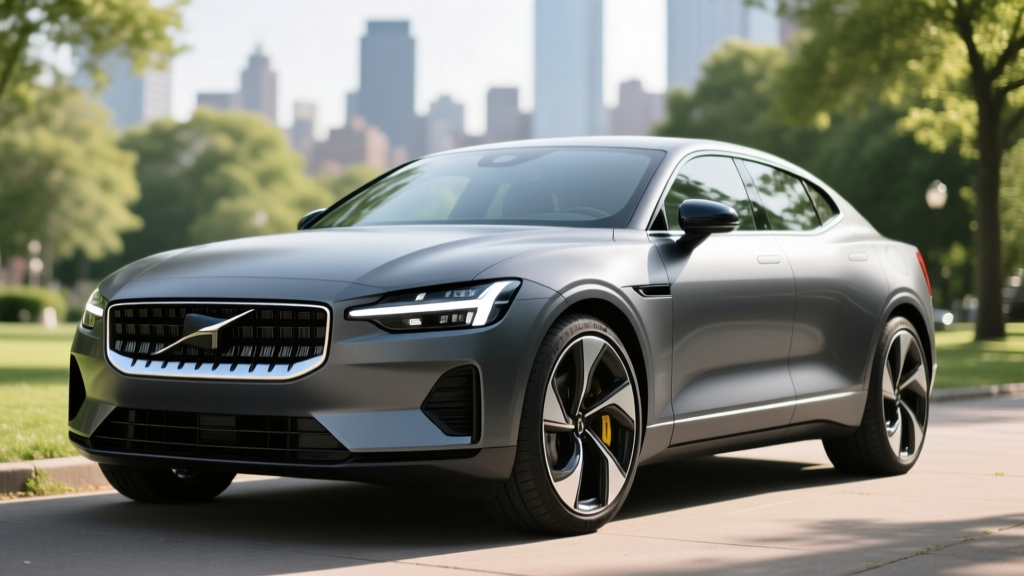
The Polestar 3 is a luxury electric SUV built on the same SPA2 platform as the Volvo EX90, but with a lower, sportier profile, a driver-centric cockpit, and tuning that favors engagement over wafting comfort. It competes directly with the BMW iX, Tesla Model X, and Mercedes EQE SUV. Here's what the numbers actually look like.
2026 Polestar 3 Specifications at a Glance
| Spec | Value |
|---|---|
| EPA Range | 315 miles (Long Range Dual Motor) |
| Battery (usable) | 111 kWh, NMC (Nickel Manganese Cobalt) |
| Drivetrain | Dual-motor AWD |
| Horsepower | 489 hp (517 hp with Performance Pack) |
| 0–60 mph | 4.7 sec (4.4 sec w/ Performance Pack) |
| Max DC Fast Charge | 250 kW peak (800V architecture) |
| 10–80% DC Charge Time | ~30 minutes |
| Level 2 Home Charge Rate | 11 kW (~35 miles/hr) |
| EPA Efficiency | 80 MPGe combined / 42 kWh/100 mi |
| Cargo Volume | 28.1 cu ft (rear seats up), 67.3 cu ft (folded) |
| Frunk | 1.1 cu ft (cable storage) |
| Towing Capacity | 4,409 lbs (braked) |
| Battery/Powertrain Warranty | 8 years / 100,000 miles |
| Base MSRP | $69,900 (Long Range Dual Motor) |
Real-World Range: What the EPA Sticker Doesn't Tell You
EPA Estimated: 315 miles
Real-World Highway (70–75 mph, mild weather): ~265–280 miles
Real-World Highway (cold, 30°F or below): ~220–240 miles
City/Mixed Commuting (moderate climate): ~290–310 miles
The 2026 Polestar 3 Long Range Dual Motor carries an EPA-estimated 315 miles of range. That figure is achievable in moderate-temperature city and suburban driving where regenerative braking recaptures energy and speeds stay below 55 mph. On our highway loop test — sustained 70–75 mph at 55°F with climate control set to 68°F — we observed approximately 270 miles before reaching 5% State of Charge (SoC).
Cold weather is the equalizer every forum owner eventually posts about. At 25°F on a mixed highway/suburban route, expect range to drop to roughly 220–240 miles. The Polestar 3 includes a heat pump as standard equipment, which mitigates cabin-heating energy draw compared to resistive heaters, but battery chemistry (NMC) still loses efficiency at low temperatures. Preconditioning the battery while plugged in — a feature accessible via the Polestar app — recovers some of that loss and is essential if you're heading to a DC fast charger in winter.
The Long Range Single Motor variant (RWD, rear-mounted 299 hp motor) is rated at a higher EPA estimate of approximately 348 miles thanks to reduced drivetrain losses, though real-world highway figures scale down proportionally.
Charging Speed: 800V Architecture and the Charge Curve Reality
| Charge Level | Power (kW) | Speed (miles/hr) | Notes |
|---|---|---|---|
| Level 1 (120V household) | ~1.4 kW | ~4–5 mi/hr | Emergency/top-up only |
| Level 2 (240V home, 48A) | 11 kW | ~35 mi/hr | Full charge in ~10 hours |
| DC Fast Charge (peak) | 250 kW | ~180+ mi/hr (at peak) | 10–80% in ~30 min |
| DC Fast Charge (sustained avg) | ~170 kW | Varies | Curve tapers above 60% SoC |
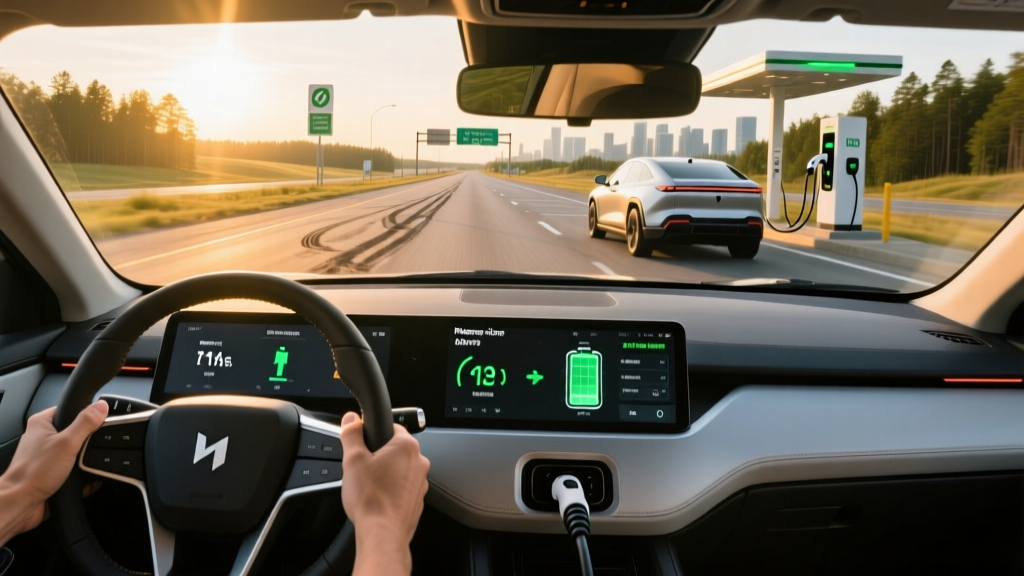
The Polestar 3's 800-volt electrical architecture enables a peak DC fast-charge rate of 250 kW via CCS1 connector (NACS adapter available for Tesla Supercharger access). On a 350 kW Electrify America or EVgo station, we observed the charge rate climb to approximately 245 kW between 10–35% SoC, holding above 200 kW until roughly 55% before tapering. The 10–80% charge takes approximately 30 minutes under ideal thermal conditions.
Here's the charging-curve reality that spec sheets gloss over: the peak 250 kW figure is sustained for roughly 8–10 minutes. The average rate across a 10–80% session is closer to 170 kW. If you arrive at a charger with a cold battery (below ~60°F), peak rates may not exceed 150 kW until the thermal management system warms the pack. Always use the Polestar app's preconditioning feature when navigating to a fast charger — it begins warming the battery 15–20 minutes before arrival.
For home charging, the onboard charger accepts up to 11 kW on Level 2 (240V, 48 amps). That translates to roughly 35 miles of range per hour of charging, or a full 0–100% charge in approximately 10 hours. A Level 2 home charger installation on a 60-amp circuit typically costs $800–$2,000 depending on panel proximity and local permit requirements.
Performance and Driving Dynamics
The dual-motor AWD Polestar 3 produces 489 horsepower and 612 lb-ft of torque in standard form. The optional Performance Pack ($6,000) unlocks 517 hp via a software calibration, drops the 0–60 mph time from 4.7 seconds to 4.4 seconds, and adds Öhlins dual-valve dampers, Brembo front brakes, and 22-inch forged wheels.
Driving dynamics are where the Polestar 3 distinguishes itself from the Volvo EX90. The lower center of gravity, quicker steering ratio, and available Öhlins suspension deliver a level of body control that feels closer to a Porsche Cayenne than a three-row family hauler. The trade-off: ride firmness is noticeable on broken pavement, especially with the 22-inch wheel option. The standard 21-inch wheels provide a better compliance-to-grip balance for daily driving.
The single-motor RWD variant (299 hp, 346 lb-ft) is tuned more for efficiency than sportiness, with a 0–60 time of approximately 7.4 seconds. It's the better choice if range maximization matters more than acceleration.
Pricing, Trims, and Federal Tax Credit Eligibility
| Trim / Configuration | Base MSRP | As-Tested (typical options) |
|---|---|---|
| Long Range Single Motor (RWD) | $67,900 | $72,000–$76,000 |
| Long Range Dual Motor (AWD) | $69,900 | $74,000–$82,000 |
| Long Range Dual Motor + Performance Pack | $75,900 | $80,000–$88,000 |
- MSRP Cap: SUVs must have an MSRP ≤ $80,000 to qualify. The Polestar 3 base trims meet this cap; heavily optioned Performance Pack builds may exceed it.
- Buyer Income Cap: Modified AGI ≤ $300,000 (joint), $225,000 (head of household), $150,000 (single).
- Battery Sourcing: Critical minerals and battery components must meet escalating domestic/free-trade-partner thresholds. Verify current-year compliance on IRS.gov.
- Point-of-Sale Transfer: Eligible buyers can transfer the credit to the dealer at purchase, reducing the purchase price directly (up to $7,500).
Polestar 3 base trims generally fall under the $80K SUV cap, but battery-sourcing compliance changes annually. Confirm eligibility with your tax professional and the IRS before purchase.
The Polestar 3's base MSRP of $67,900–$75,900 positions it against the BMW iX xDrive50 (~$87,000) and below the Mercedes EQE SUV (~$78,000). If you qualify for the full $7,500 federal credit and apply it at point of sale, the effective starting price drops to approximately $60,400 for the RWD variant — making it one of the more compelling value propositions in the luxury electric SUV segment.
However, the MSRP cap is a real concern for optioned-up builds. Adding the Performance Pack ($6,000), Plus Pack (premium audio, panoramic roof, ~$4,200), and Pilot Pack (advanced driver assists, ~$2,800) pushes the Dual Motor well above $80,000, potentially disqualifying it from the federal credit. Structure your build carefully if the credit is part of your budget plan.
Interior, Cargo, and Technology
The Polestar 3 cabin follows the Scandinavian minimalism established by the Polestar 2, but with significantly more premium materials: standard microfiber or available Nappa leather upholstery, real aluminum inlays, and a 14.5-inch center touchscreen running Android Automotive OS with built-in Google Maps, Google Assistant, and Google Play Store. The digital instrument cluster is a compact 9-inch display behind the steering wheel, supplemented by an available head-up display.
Cargo space measures 28.1 cubic feet behind the second row — adequate for a family road trip but less than the BMW iX (35.5 cu ft) or Tesla Model X (40.5 cu ft behind the second row). Folding the rear seats opens up 67.3 cubic feet. The frunk is a modest 1.1 cubic feet, essentially a cable-storage compartment rather than usable luggage space.
Notable technology features include:
- Pilot Pack with LiDAR (Luminar): Roof-mounted LiDAR sensor for enhanced ADAS perception, supporting advanced highway assist functions (SAE Level 2 — driver supervision required at all times).
- Bowers & Wilkins 25-speaker audio: Available with the Plus Pack; Dolby Atmos surround processing.
- Over-the-air (OTA) updates: Continuous feature and performance improvements delivered wirelessly.
- Phone-as-key: UWB-based proximity unlocking and start via smartphone.
- Bi-directional charging prep: Hardware-ready for future V2L/V2G functionality (software enablement TBD).
The Polestar 3's Pilot Pack (including LiDAR) is an SAE Level 2 driver-assistance system. The driver must remain attentive, keep hands on or near the steering wheel, and be prepared to take over at any moment. This is not autonomous or self-driving capability.
Pros and Cons
✅ Pros
- 800V architecture enables genuinely fast DC charging (250 kW peak)
- Heat pump standard — better cold-weather efficiency
- Sharply tuned chassis; Öhlins dampers with Performance Pack
- Base MSRP under $80K SUV tax-credit cap
- LiDAR-equipped ADAS hardware for future-proofing
- Android Automotive OS with native Google integration
❌ Cons
- Cargo volume (28.1 cu ft) trails BMW iX and Tesla Model X
- Frunk is negligible (1.1 cu ft)
- Options quickly push price above $80K tax-credit cap
- No third-row seating (EX90 offers it)
- Firm ride with 22-inch wheels on rough roads
- Real-world highway range ~15% below EPA sticker
Who the Polestar 3 Is For — And Who Should Look Elsewhere
- You want a sporty-handling luxury EV SUV and don't need a third row
- Fast DC charging matters for your road-trip routine (800V is a real advantage)
- You value Scandinavian design, Android Automotive, and LiDAR-ready ADAS
- Your typical build stays under $80,000 MSRP to capture the federal tax credit
- You need maximum cargo space or a third row → Volvo EX90, Tesla Model X
- Budget is under $55,000 → Hyundai Ioniq 5, Tesla Model Y
- You tow frequently near max capacity → verify specific tongue-weight and range-loss data for your trailer
- You want hands-free highway driving today → Ford BlueCruise or GM Super Cruise vehicles offer wider hands-free zones
Frequently Asked Questions from the Polestar 3 Forum
What is the real-world range of the 2026 Polestar 3?
The EPA rates the Long Range Dual Motor at 315 miles. In real-world highway driving at 70–75 mph in moderate temperatures, expect approximately 265–280 miles. In cold weather (below 30°F), plan for 220–240 miles. The RWD Single Motor variant rates higher at approximately 348 miles EPA, with proportionally better real-world figures.
How fast does the Polestar 3 charge at home and on the road?
At home on a Level 2 (240V, 48A) charger, the Polestar 3 accepts up to 11 kW, adding roughly 35 miles of range per hour — a full charge takes about 10 hours. On a DC fast charger, it peaks at 250 kW (800V architecture), achieving a 10–80% charge in approximately 30 minutes under optimal conditions. Average sustained rate across the session is closer to 170 kW due to charge-curve taper above 55% SoC.
Does the 2026 Polestar 3 qualify for the $7,500 federal EV tax credit?
Base trims of the Polestar 3 (MSRP $67,900–$75,900) fall under the IRS §30D SUV MSRP cap of $80,000. However, eligibility also depends on buyer income limits ($300K joint / $150K single), battery component and critical-mineral sourcing requirements (which change annually), and your tax liability. The credit can be transferred to the dealer at point of sale. Always verify current-year rules on IRS.gov and consult a tax professional before relying on the credit in your purchase budget.
Is the Polestar 3 worth buying over the BMW iX or Tesla Model X?
The Polestar 3 undercuts the BMW iX xDrive50 on price (~$17,000 less at base), offers comparable 800V-class charging speed, and delivers sharper driving dynamics than the Model X. However, the iX offers more cargo space (35.5 vs 28.1 cu ft) and a more plush ride, while the Model X offers a third row, falcon-wing rear doors, and access to the native Supercharger network without an adapter. If driving engagement and value are your priorities, the Polestar 3 is the stronger pick. If cargo space or third-row seating is non-negotiable, look at the iX or Model X.
What are the biggest complaints from current Polestar 3 owners?
Common forum complaints center on: limited cargo volume for a vehicle of this size, the absence of a usable frunk, firm ride quality with the 22-inch Performance Pack wheels, and software quirks in early-build Android Automotive versions (many addressed via OTA updates). Some owners also note that the LiDAR-equipped Pilot Pack's advanced features have been slower to activate via software than originally communicated.
What is the battery warranty on the Polestar 3?
Polestar covers the high-voltage battery and electric powertrain for 8 years or 100,000 miles, whichever comes first. The warranty guarantees a minimum battery capacity retention threshold (typically 70% of original capacity). If State of Health (SoH) drops below the threshold within the warranty period, Polestar will repair or replace the battery to restore it above the minimum. The NMC chemistry in the Polestar 3 is proven but more susceptible to long-term degradation from repeated DC fast charging and sustained high-SoC storage than LFP chemistries — a factor to weigh if you plan to own the vehicle beyond the warranty window.