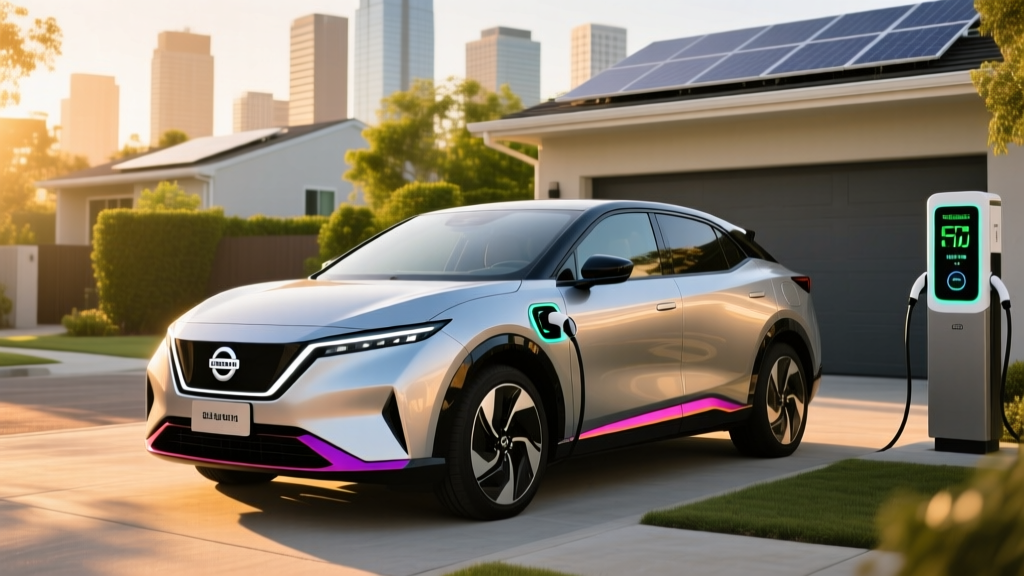
When shopping for an electrified vehicle, the monthly payment is only the beginning of the equation. A Nissan EV lease in 2026 presents a unique financial puzzle: you are navigating upfront prices, volatile depreciation curves, and the complex §30D federal tax credit rules that determine whether you save thousands or pay a premium. Nissan's current EV lineup—the refreshed Leaf and the larger Ariya crossover—offers distinct value propositions depending on your driving habits and home-charging setup.
This guide dissects the real cost of leasing a Nissan EV, including the often-overlooked insurance premiums and the precise math behind fuel and maintenance savings. We look past the sticker price to see how these vehicles perform in a 5-year total cost of ownership (TCO) analysis.
Nissan EV Lineup at a Glance: Leaf vs. Ariya
Before crunching the numbers, you need to know what you are buying or leasing. Nissan's 2026 lineup is split between a budget-friendly commuter and a premium family hauler.
| Feature | 2026 Nissan Leaf (S / SV Plus) | 2026 Nissan Ariya (Engage / Evolve+) |
|---|---|---|
| Base MSRP | ~$28,140 (S) / ~$36,190 (SV Plus) | ~$39,770 (Engage) / ~$47,570 (Evolve+) |
| EPA Range | 149 mi (S) / 212 mi (SV Plus) | 216 mi (Engage FWD) / 289 mi (Evolve+) |
| Battery Capacity | 40 kWh (S) / 60 kWh (SV Plus) - LMO/NMC | 63 kWh / 87 kWh (NMC) |
| DC Fast Charging | CHAdeMO (Peak ~50 kW - 100 kW) | CCS1 (Peak ~130 kW) |
| Real-World Range Caveat | Expect ~115 mi (S) or ~170 mi (Plus) at highway speeds or in cold weather. | Expect ~180 mi (Engage) or ~240 mi (Evolve+) in similar conditions. |
The §30D Federal Tax Credit: Does a Lease Qualify?
The federal EV tax credit is currently governed by strict IRS rules under §30D. However, there is a significant difference between purchasing and leasing.
Purchase Eligibility Requirements (2026):
- MSRP Caps: Vans/SUVs/Pickups must be under $80,000; Sedans/Hatchbacks under $55,000.
- Income Caps: AGI must be below $150k (Single), $225k (Head of Household), or $300k (Joint).
- Sourcing: Battery components and critical minerals must meet North American or FTA-partner thresholds.
- Point-of-Sale: You can transfer the credit to the dealer for an immediate down-payment reduction.
The Lease Loophole: Under the "commercial vehicle" classification (§45W), the leasing company (the lessor) technically claims the credit. Most manufacturers, including Nissan, pass this savings to the lessee as a "lease cash" incentive, regardless of your personal income or the vehicle's battery sourcing. This means a high-income earner or someone leasing a Nissan that might not meet all §30D sourcing requirements for purchase can still see a ~$7,500 reduction in the lease cost.
Charging vs. Gas: The $/Mile Reality
Efficiency is where the Nissan EV shines, but the savings depend entirely on your electricity rate. The national average is ~$0.16/kWh, but this varies wildly.
| Vehicle / Scenario | Efficiency | Cost per Mile |
|---|---|---|
| Nissan Leaf (Home Charging) | 3.5 miles/kWh (~112 MPGe) | $0.045 (at $0.16/kWh) |
| Nissan Ariya (Home Charging) | 3.0 miles/kWh (~100 MPGe) | $0.053 (at $0.16/kWh) |
| Gas Compact SUV (Baseline) | 28 MPG Combined | $0.125 (at $3.50/gallon) |
| Nissan EV (DC Fast Charging) | Varies | $0.15 - $0.22 (at $0.35-$0.50/kWh) |
Note: If you rely exclusively on DC fast charging, the Nissan EV can actually be more expensive to "fuel" than a gas car. Home Level 2 charging is mandatory for the financial case to work.
Maintenance and Insurance: The Hidden Costs
EVs have fewer moving parts—no oil changes, spark plugs, or transmission fluid. However, insurance is a different story. Because EVs have higher repair costs (especially regarding battery packs and sensor calibration), insurance premiums are typically 15-25% higher than equivalent gas cars.
| Category | Nissan EV (5-Year) | Gas Vehicle (5-Year) |
|---|---|---|
| Routine Maintenance | ~$1,500 (Tires, cabin filters, fluid top-offs) | ~$3,500 (Oil, filters, belts, brakes) |
| Brake Wear | Minimal (Regen braking saves pads) | 1-2 Rotor/Pad Replacements |
| Insurance Premiums | Higher ($200-$400 more annually) | Standard Baseline |
Total Cost of Ownership: 5-Year Breakdown
This analysis assumes a 2026 Nissan Ariya Evolve+ leased at $550/month with $3,500 due at signing, compared to a similarly priced gas SUV. We assume 12,000 miles per year.
| Category | Nissan Ariya (Lease) | Gas SUV (Purchase/Finance) |
|---|---|---|
| Upfront/Payments | $36,500 (60 months payments + drive-off) | $38,000 (Down + Monthly payments) |
| Energy (Fuel) | $3,200 (Home charging) | $7,500 (Gasoline) |
| Maintenance | $1,500 | $3,500 |
| Insurance | $9,000 (Higher EV rates) | $7,500 |
| Incentives | -$7,500 (Lease cash/Credit) | $0 |
| 5-Year Total Net Cost | $42,700 | $56,500 |
Depreciation Note: In a lease, you are protected from the EV market's volatility. If battery tech jumps forward and the Ariya's resale value plummets, that is Nissan's problem, not yours.
Frequently Asked Questions
Can I get the tax credit if I lease a Nissan Leaf?
Yes, indirectly. The leasing company claims the commercial credit and typically passes it to you as a capitalized cost reduction (lease cash), regardless of your personal income limits.
Does the Nissan Leaf use CCS or CHAdeMO?
The 2026 Leaf still uses the CHAdeMO connector for DC fast charging. This is becoming less common in the US as most networks transition to CCS or NACS (Tesla). The Ariya uses the CCS1 standard.
What is the battery warranty on a leased Nissan?
Nissan provides an 8-year/100,000-mile warranty on the battery capacity (typically covering loss below 9 bars or ~65-70% capacity). Since most leases are 36-48 months, you will be well within the warranty period.
Do state incentives apply to leases?
Many states (like New York or Colorado) allow the lessee to claim the rebate, but some require the lessor to claim it. Always check your local state incentive database before signing.