Quick Answer: The Monarch EV Tractor (MK Series) is a fully electric, compact utility tractor designed primarily for specialty crop farms (vineyards, orchards, nurseries). With a starting price around $89,000 before incentives, a 150 kWh battery delivering 10+ hours of mixed-duty runtime, and zero tailpipe emissions, it targets operations that run 500–1,500 hours annually. Most qualifying buyers can reduce the effective price by $7,500–$40,000 through the federal §45W Commercial Clean Vehicle Credit plus USDA REAP grants and state-level ag incentives. Payback vs. diesel typically occurs within 3–5 years depending on local electricity rates and annual operating hours.
What Is the Monarch EV Tractor?
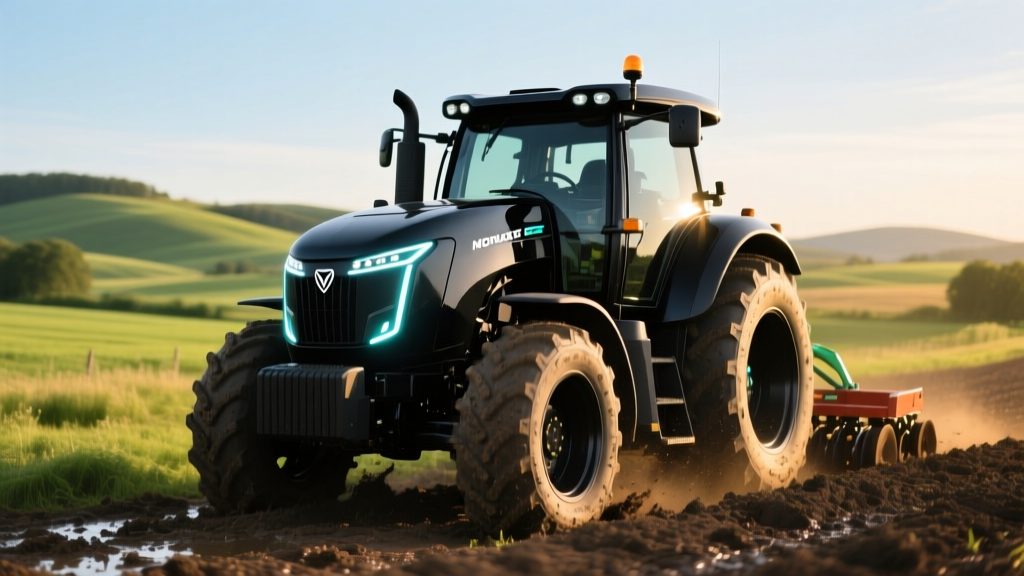
The Monarch EV Tractor is a battery-electric utility tractor built by Monarch Tractor, a California-based ag-tech company. Unlike conventional diesel tractors in the 40–70 HP class, the Monarch runs entirely on electricity stored in a lithium iron phosphate (LFP) battery pack. It's engineered for specialty agriculture — think vineyard rows, orchard alleys, and nursery operations — where its compact footprint, zero emissions, and precise electric torque delivery offer distinct advantages over internal combustion.
For the 2026 model year, the Monarch MK Series features:
- Peak power: 70 HP (52 kW) electric motor; continuous rated output ~40 HP
- Battery: ~150 kWh usable capacity, LFP chemistry
- Runtime: 10+ hours of mixed mowing/spraying/light tillage per full charge; 4–6 hours under heavy PTO or continuous heavy-draft loads
- Charging: Level 2 AC (J1772/CCS1 connector), ~10–14 hours for a full 0–100% charge at 11–15 kW; optional DC fast charging available on select configurations
- Autonomy-ready: Built-in sensor suite (cameras, LiDAR) enables optional Monarch Rows™ driver-assist and autonomous mowing/spraying features — classified as SAE Level 2–3 in structured ag environments, not fully driverless on public roads
Monarch EV Tractor vs. Diesel: The Numbers
The core buying decision comes down to economics and operational fit. Here's how the Monarch stacks up against a comparable 55–65 HP diesel utility tractor (e.g., Kubota M5 Series or John Deere 5M) over a typical 1,000-hour operating year.
| Category | Monarch EV Tractor | Diesel Utility Tractor (~60 HP) |
|---|---|---|
| Base MSRP (approx.) | $89,000–$98,000 | $45,000–$55,000 |
| Fuel/Energy Cost | $1,500–$2,500/yr (electricity at $0.12–$0.20/kWh) | $8,000–$12,000/yr (diesel at $3.80–$4.50/gal, ~4 gal/hr under load) |
| Maintenance (oil, filters, DEF, belts) | $200–$500/yr | $2,000–$3,500/yr |
| Annual Energy + Maintenance | $1,700–$3,000 | $10,000–$15,500 |
| Estimated Annual Savings (EV vs. Diesel) | $7,000–$12,500/yr | |
| CO₂ Tailpipe Emissions | 0 g/mi | ~25–35 metric tons/yr |
Key takeaway: The Monarch's energy and maintenance savings of roughly $7,000–$12,500 per year offset the ~$35,000–$50,000 upfront price premium within 3–5 years for a farm running 1,000+ hours annually. Operations running fewer hours will see a longer payback period.
Real-World Runtime, Charging, and Battery Considerations
Monarch's claim of 10+ hours of runtime assumes mixed-duty cycles: mowing, light spraying, and transport between rows. Under continuous heavy PTO loads (e.g., operating a flail mower in thick cover crop or running a PTO-driven sprayer pump continuously), expect runtime to drop to 4–6 hours on a full charge.
Real-World Runtime Reality: The 150 kWh LFP battery delivers ~10–12 hours of light-to-moderate work but only 4–6 hours under sustained heavy PTO loads. Plan operations around charging windows — a mid-day top-up during lunch break using Level 2 can recover ~30–40% in 4–5 hours.
Charging infrastructure is the make-or-break factor. Most farms will need a dedicated Level 2 charging station installed at the equipment barn. Here's what that involves:
| Component | Estimated Cost Range |
|---|---|
| Level 2 EVSE (15–19 kW, CCS1/J1772) | $800–$2,500 |
| Electrical panel upgrade (if needed, 200A service) | $1,500–$5,000 |
| Wiring, conduit, labor (electrician) | $2,000–$6,000 |
| Permitting and inspection | $200–$800 |
| Total estimated install | $4,500–$14,300 |
Farms with existing 200A+ three-phase service near the equipment yard will be at the low end. Remote barns requiring trenching and new service drops can push costs higher. Always get a site assessment from a licensed electrician familiar with agricultural electrical codes before committing.
Battery longevity and warranty: LFP chemistry is well-suited to agricultural use — it tolerates daily deep cycling better than NMC and has a longer calendar life. Monarch warranties the battery pack for approximately 5 years or a specified cycle count (confirm current terms with dealer). LFP packs typically retain 80%+ capacity after 3,000+ full cycles, which translates to 8–10+ years of daily use before meaningful degradation. Replacement cost for a 150 kWh pack, if needed out of warranty, is estimated at $20,000–$30,000 based on current LFP cell pricing trends.
Incentives and Tax Credits: Bringing the Price Down
The sticker price is the biggest barrier, but the incentive landscape for commercial electric equipment has expanded significantly. Here's what applies as of 2026:
| Incentive | Amount / Benefit | Eligibility Notes |
|---|---|---|
| Federal §45W Commercial Clean Vehicle Credit | Up to $7,500 (vehicles under 14,000 lb GVWR) or up to $40,000 (over 14,000 lb GVWR) | Must be used for business; subject to MSRP caps, domestic content, and critical mineral sourcing rules. IRS §45W details. |
| USDA REAP Grant (Rural Energy for America Program) | Up to 50% of project cost (equipment + install) | Competitive application; agricultural producers in rural areas. Covers the tractor and charging infrastructure. |
| State-level ag EV incentives (varies by state) | $5,000–$25,000+ in states like CA, NY, OR | Check your state's department of agriculture or energy office. California's CARB programs are among the most generous. |
| Utility demand-response / EV rate programs | Reduced electricity rates for off-peak charging | Contact local utility; many offer time-of-use rates that cut charging costs 30–50%. |
Best-case scenario: A qualifying farm in California could stack the $40,000 federal credit (if the tractor's GVWR exceeds 14,000 lb), a USDA REAP grant covering up to 50%, and a state incentive — potentially reducing the net cost to $15,000–$30,000. Always consult a tax professional to confirm eligibility, as sourcing and income rules apply.
Who Should Buy the Monarch EV Tractor (and Who Shouldn't)
Not every farm is a fit. Here's a practical decision framework:
Buy the Monarch EV Tractor if:
- You operate a vineyard, orchard, nursery, or specialty crop farm with 500–2,000 annual tractor hours
- Your daily tasks are mowing, spraying, light tillage, hauling, and transport — not heavy draft plowing or land clearing
- You have access to reliable Level 2 charging at your equipment yard (or can install it)
- You qualify for federal/state incentives that bring the net cost within 1.5–2x a diesel equivalent
- Zero tailpipe emissions matter for your operation (indoor/hoop-house use, sustainability certifications, worker health in enclosed cab environments)
- You value the optional autonomous mowing/spraying features to reduce labor costs
Stick with diesel (or wait) if:
- You need 80+ HP for heavy PTO work, deep tillage, or large-acreage row crops
- Your farm lacks electrical service near the equipment yard and upgrading is cost-prohibitive
- You operate in remote areas with no reliable grid power or need to run equipment in the field far from a charger
- You run fewer than 300 hours per year — the payback period becomes impractically long
- You need a tractor today and Monarch's dealer/service network doesn't cover your region
Common Misconceptions About Electric Tractors
| Myth | Fact |
|---|---|
| "Electric tractors don't have enough torque for real farm work." | Electric motors deliver peak torque at 0 RPM — the Monarch's 70 HP motor provides instant, smooth torque ideal for PTO-driven implements and precise speed control in rows. |
| "The battery won't last a full workday." | 10+ hours of mixed work is realistic. Heavy PTO loads reduce this to 4–6 hours, which is manageable with task planning or a mid-day charge. Many vineyard operations run 6–8 hours/day. |
| "Charging takes too long — I'll be waiting all day." | Overnight Level 2 charging (10–14 hours) fully replenishes the 150 kWh pack. Farms that charge overnight and work during the day never wait. DC fast charging is available for operations needing quicker turnaround. |
| "Battery replacement will bankrupt me." | LFP batteries are rated for 3,000+ cycles. At one cycle/day, that's 8+ years before hitting 80% capacity. Replacement cost (~$20,000–$30,000) is offset by years of fuel and maintenance savings. |
| "It's not really 'autonomous' — it's just a tractor." | Monarch's optional Rows™ system enables GPS-guided autonomous mowing and spraying in structured environments (vineyard rows). It's SAE Level 2–3, meaning a human operator monitors remotely — not Level 4 driverless. It reduces labor but doesn't eliminate supervision. |
Total Cost of Ownership: 5-Year Projection
| Cost Category | Monarch EV Tractor | Diesel Tractor (~60 HP) |
|---|---|---|
| Purchase Price (MSRP) | $92,000 | $50,000 |
| Federal + State Incentives | –$47,500 (est.) | $0 |
| Net Purchase Cost | $44,500 | $50,000 |
| Charging Infrastructure | $8,000 | $0 |
| Energy/Fuel (5 years) | $10,000 | $50,000 |
| Maintenance (5 years) | $2,000 | $14,000 |
| Insurance (5 years, est.) | $7,500 | $6,000 |
| Total 5-Year Cost | $72,000 | $120,000 |
| 5-Year Net Savings (EV vs. Diesel) | ~$48,000 | |
Note: Incentive amounts vary significantly by location, operation size, and current-year rules. The figures above assume a California-based operation qualifying for §45W, USDA REAP, and CARB incentives. Consult a tax professional and your state ag extension office for precise numbers.
What First-Time EV Tractor Buyers Should Know
If you've only ever operated diesel equipment, the transition to electric involves some operational shifts:
- Plan your charging like you plan fuel stops. Charge overnight, every night. Unlike diesel, where you can refuel in 5 minutes anywhere, electric charging requires infrastructure and time. Build the habit.
- Understand kW vs. kWh. The battery holds ~150 kWh of energy (think: fuel tank size). The charger delivers power in kW (think: fuel pump speed). A 15 kW Level 2 charger fills the 150 kWh battery in roughly 10 hours.
- Electric motors behave differently. Instant torque means no warm-up, no turbo lag, and very smooth power delivery. Regenerative features may slow the tractor when you lift off the accelerator — useful for controlled descents.
- Cold weather affects range. LFP batteries lose ~10–20% usable capacity in freezing temperatures. If you operate in northern winters, plan for shorter runtimes or keep the tractor in a heated barn when not in use.
- Dealer and service networks are still growing. Monarch's dealer footprint is expanding but doesn't yet match Kubota or John Deere's ubiquity. Confirm service availability in your region before purchasing.
Frequently Asked Questions
Does the Monarch EV Tractor qualify for the $7,500 federal EV tax credit?
The Monarch is a commercial vehicle and falls under the §45W Commercial Clean Vehicle Credit, not the consumer §30D credit. §45W provides up to $7,500 for vehicles under 14,000 lb GVWR or up to $40,000 for heavier vehicles. Eligibility depends on business use, battery sourcing requirements, and MSRP caps. Consult a tax professional to confirm your specific eligibility.
How long does it take to charge the Monarch EV Tractor?
Using a standard Level 2 charger (15–19 kW), a full 0–100% charge takes approximately 10–14 hours for the ~150 kWh battery. Most farms charge overnight. DC fast charging (where available) can reduce this significantly for mid-day top-ups.
Can the Monarch handle heavy tillage or plowing?
The Monarch is rated at 70 HP peak but is optimized for mowing, spraying, hauling, and light-to-moderate tillage. It is not designed as a replacement for a 100+ HP row-crop tractor doing deep moldboard plowing or heavy land clearing. Match the tractor to your primary tasks.
What happens if the battery runs out in the field?
Unlike a diesel tractor that can be refueled from a jerry can, a depleted EV tractor must be towed or recharged in place. Monarch's telematics system provides real-time battery monitoring and low-charge warnings. Plan operations around the battery's capacity and keep a margin — just as you'd keep a fuel reserve.
Is the Monarch truly autonomous?
Monarch's optional Rows™ system enables GPS-guided autonomous mowing and spraying in structured environments like vineyard rows. This is SAE Level 2–3 automation — a human operator must monitor the system remotely and can intervene. It is not Level 4 driverless operation and is not approved for use on public roads without a driver.
What's the battery warranty and replacement cost?
Monarch warranties the LFP battery pack for approximately 5 years (confirm current terms with your dealer). LFP chemistry is rated for 3,000+ cycles, typically retaining 80%+ capacity over 8–10 years of daily use. Out-of-warranty replacement is estimated at $20,000–$30,000 based on current LFP cell pricing.