Electric vehicles have reshaped how we think about daily transportation, and that electrified mindset is now spilling off the pavement and onto the water. Mini electric boats—compact, battery-powered watercraft typically under 20 feet—are gaining traction among EV owners who want the same silent, zero-tailpipe-emission experience on lakes, rivers, and calm coastal waters. But before you assume your EV charging knowledge translates directly to the dock, there are critical differences in battery chemistry, charging infrastructure, and range expectations you need to understand.
This guide bridges the gap between EV ownership and electric boating, covering the technology, real-world range, charging logistics, and practical ownership considerations for mini electric boats in 2026. Whether you're eyeing a compact electric pontoon for weekend lake days or a small electric runabout for quiet fishing, here's what the data tells us.
The Mini Electric Boat Landscape in 2026
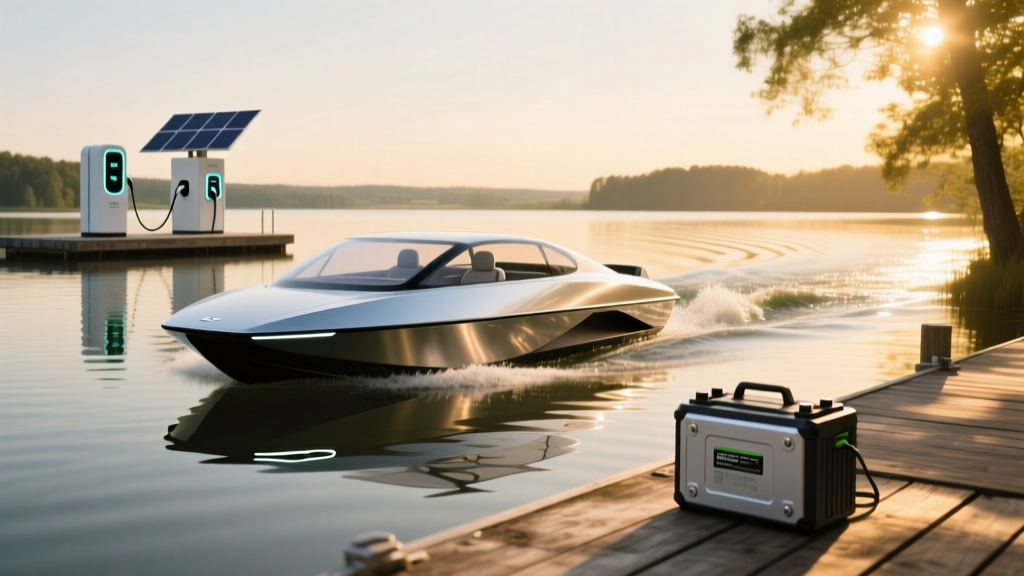
The mini electric boat market has matured considerably. Brands like Arc Boats, Candela (with their hydrofoiling C-8 and smaller models), Pure Watercraft, and X Shore have moved from concept to production, while more affordable options from companies like Navier and various Chinese manufacturers have entered the US market. These craft typically range from 10 to 20 feet in length, with battery packs from 20 kWh to over 100 kWh depending on the model and intended use.
For EV owners, the appeal is clear: no fuel dock visits, minimal maintenance (no oil changes, no winterizing combustion engines), near-silent operation that doesn't disturb wildlife or conversation, and the satisfaction of running on electricity that may already come from your home solar array.
Battery Tech: What EV Owners Already Know (And What's Different)
If you own an EV, you're already familiar with lithium-ion battery packs, but marine applications introduce new variables:
| Factor | EV (Typical) | Mini Electric Boat |
|---|---|---|
| Chemistry | NMC dominant; LFP growing | NMC common; LFP for cost-sensitive models |
| Pack Size | 50–120 kWh | 20–120 kWh |
| Thermal Management | Active liquid cooling standard | Varies—premium models use liquid cooling; budget may use passive |
| Marine Rating | N/A | IP67+ waterproofing required; corrosion-resistant terminals |
| Weight Sensitivity | Moderate | Extreme—heavier batteries reduce planing efficiency and range significantly |
| Typical Warranty | 8 yr / 100,000 mi | 2–5 yr on battery pack (industry still maturing) |
Key insight for EV owners: Water is roughly 800 times denser than air. Pushing a hull through water demands far more energy per mile than rolling tires on asphalt. A 60 kWh battery that gives an EV 250+ miles of range might deliver only 30–60 miles of range in a mini electric boat, depending on hull design and speed. LFP (lithium iron phosphate) packs offer longer cycle life and better safety margins—important on water—but carry a weight penalty that directly impacts nautical range.
Real-World Range on the Water
Electric boat "range" is typically measured in hours of runtime or nautical miles at a given speed, not a single EPA-style sticker number. Here's what to expect from common mini electric boat categories in 2026:
- Small electric pontoons (20–40 kWh): 4–6 hours at trolling speed (3–5 mph); 20–40 nautical miles. At cruising speed (15–20 mph), expect 1–2 hours / 15–25 nmi.
- Electric runabouts (60–80 kWh): 2–3 hours at cruising speed; 40–60 nmi. Hydrofoiling models (like Candela) can extend this by 30–50% by lifting the hull above water.
- Performance electric boats (100+ kWh): 1.5–2 hours at high speed; range drops sharply above 30 mph just as EV highway range drops at 80+ mph.
Cold-water caveat: Like EVs, battery performance degrades in cold conditions. Expect 15–25% range loss in water temperatures below 50°F, and always precondition the battery if your model supports it.
Charging Mini Electric Boats: Dock vs. Home vs. Portable
This is where EV owners have a major head start—but also where infrastructure gaps become obvious.
| Charging Level | Power (kW) | Typical Time (20–80%) | Availability |
|---|---|---|---|
| Level 1 (120V Shore Power) | 1.0–1.9 kW | 20–40+ hours (large packs) | Any standard dock outlet; painfully slow |
| Level 2 (240V Dock/Home) | 7.2–19.2 kW | 3–8 hours | Requires marine-rated 240V install at dock or garage; $2,000–$6,000 install |
| DC Fast Charge | 50–150 kW (select models) | 30–60 minutes | Extremely limited—few marinas offer DC marine charging; some models use CCS adapters |
| Trailer + Home Charging | 7.2–19.2 kW | 3–8 hours | Most practical for non-dock owners; charge in garage using Level 2 EV charger |
The EV owner advantage: If your mini electric boat is trailerable, you can charge it at home using the same Level 2 wall connector you use for your EV (assuming you have a dedicated circuit or can add one). Many boat owners charge overnight in the garage and launch in the morning—just like fueling an EV in the driveway instead of at a gas station.
The infrastructure gap: Public marine charging is years behind EV charging networks. While PlugShare lists thousands of EV stations, dockside electric boat chargers remain rare outside of select premium marinas in California, Florida, and the Pacific Northwest. Plan accordingly.
Performance, Pricing, and Tax Credit Eligibility
| Spec | Budget Pontoon | Premium Runabout | Hydrofoiling Model |
|---|---|---|---|
| Battery | 25 kWh (LFP) | 72 kWh (NMC) | 69 kWh (NMC) |
| Motor Output | 10–20 kW (13–27 HP) | 150 kW (201 HP) | 75 kW (100 HP) |
| Top Speed | 8–12 mph | 40–50 mph | 25–30 mph (foiling) |
| Range (Cruise) | 20–30 nmi | 40–55 nmi | 50–65 nmi |
| Charge (L2, 10–80%) | ~3 hours | ~5 hours | ~4.5 hours |
| Base MSRP | $15,000–$25,000 | $80,000–$130,000 | $150,000–$290,000 |
| Warranty (Battery) | 2 yr / limited | 5 yr / limited | 3–5 yr / limited |
Federal tax credit note: Unlike EVs, mini electric boats do not qualify for the IRS §30D Clean Vehicle Credit, which applies to highway-capable motor vehicles with four wheels. However, some electric boats may qualify for the §25E Used Clean Vehicle Credit if purchased used (under $25,000 sale price), and certain commercial electric watercraft may be eligible for §45W Commercial Clean Vehicle Credits. Always consult a tax professional and check current IRS guidance before assuming eligibility.
Who Should Buy a Mini Electric Boat?
Choose a mini electric boat if:
- You boat primarily on lakes, calm rivers, or protected bays where range is manageable
- You value silent operation for fishing, wildlife viewing, or conversation
- You already have a Level 2 home charger and can trailer the boat for garage charging
- You want minimal maintenance (no engine winterizing, fuel stabilizer, or oil changes)
- You're in a no-wake or electric-only waterway zone (increasingly common in environmentally sensitive areas)
Stick with gas or wait if:
- You need 100+ mile open-water range or offshore capability
- Your marina has no charging infrastructure and you can't trailer home
- You need high-speed performance for watersports (electric is getting there, but premium-priced)
- Your budget is under $10,000—entry-level electric boats start around $15K and up
Pros, Cons, and the Bottom Line
Pros
- Near-silent operation—transformative for fishing and nature
- Zero direct emissions; no fuel spills or fumes
- Dramatically lower maintenance than gas outboards
- Charge at home with existing Level 2 EV infrastructure (if trailerable)
- Instant torque for responsive handling
- Growing access to electric-only waterways
Cons
- Range limited to 20–65 nmi depending on model and speed
- Public marine charging infrastructure is sparse
- High upfront cost vs. comparable gas boats
- No federal §30D tax credit (unlike EVs)
- Battery replacement cost unknown long-term (industry too new for data)
- Cold-water range loss of 15–25%
Frequently Asked Questions
Can I charge an electric boat with my home EV charger?
If your boat is trailerable and has a compatible charging inlet (some use standard J1772 or CCS, others use proprietary marine connectors), yes—your Level 2 home charger can top up the boat overnight in your garage. Confirm connector compatibility and circuit capacity with your boat manufacturer and electrician.
How far can a mini electric boat go on a charge?
Real-world range varies enormously by hull type, speed, and conditions. Budget pontoons deliver 20–30 nautical miles at low speed; premium runabouts manage 40–55 nmi at cruise; hydrofoiling models can stretch to 50–65 nmi. All figures drop significantly at higher speeds or in cold water.
Do mini electric boats qualify for any tax incentives?
Not the §30D credit that EV buyers receive. However, used electric boats under $25,000 may qualify for the §25E used vehicle credit, and commercial applications may access §45W. State and local incentives vary—check with your tax advisor and your state's energy office.
Is an electric boat worth it compared to a gas outboard?
For calm-water recreation where range isn't a concern, the silent operation and near-zero maintenance make a compelling case—especially if you can charge at home. For long-distance boating, offshore fishing, or watersports, gas still dominates on range and cost.
What happens if the battery dies on the water?
Just like an EV running out of charge, you'd need a tow—either from a friend's boat, a marina service, or Sea Tow/TowBoatUS. Always monitor your state of charge, plan routes within your range envelope, and carry a marine radio or phone for emergencies. Many electric boats include a small auxiliary range-extender option.
Sources: IRS Clean Vehicle Credits, BoatUS, manufacturer specifications from Arc Boats, Candela, and Pure Watercraft (2026 model year).