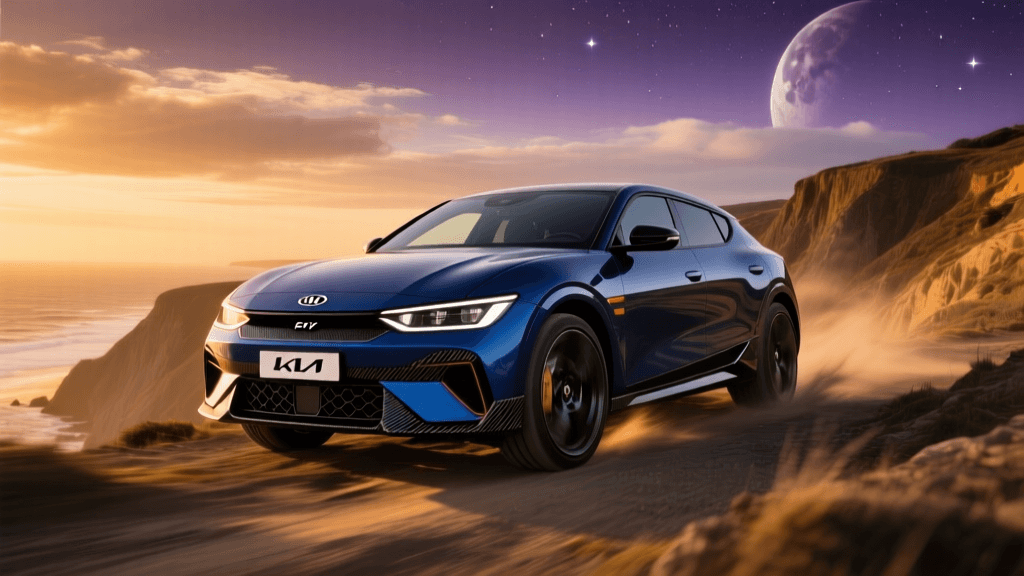
The Kia EV6 GT: A Halo EV for the Masses
When Kia introduced the EV6, it fundamentally shifted the brand's perception from a manufacturer of budget-friendly commuters to a serious contender in the premium electric vehicle space. But the Kia EV6 GT takes this transformation to its absolute limit. As Kia's most powerful production vehicle ever, the EV6 GT is a 576-horsepower, dual-motor beast that promises supercar-rivaling acceleration in a practical crossover package. However, for buyers focused on the bottom line, the critical question remains: does the GT badge justify its significant price premium over the standard EV6 models? In this comprehensive cost and value breakdown, we analyze the real-world performance, range data, charging economics, and long-term ownership costs to determine if the EV6 GT is a smart financial move for EV enthusiasts.
Performance Metrics: Supercar Territory
To understand the value proposition of the EV6 GT, you first have to understand what you are buying. The GT variant utilizes a heavily modified version of the standard dual-motor setup. The rear motor is upgraded to produce 362 horsepower, while the front motor adds 214 horsepower, resulting in a combined output of 576 horsepower and 545 lb-ft of torque.
The real-world performance data is staggering. In independent testing, the EV6 GT consistently hits 60 mph in just 3.4 seconds, with a top speed electronically limited to 161 mph. But straight-line speed is only part of the story. Kia equipped the GT with an Electronic Limited-Slip Differential (e-LSD), upgraded high-performance braking systems, and a specially tuned adaptive suspension. It even features a dedicated "Drift Mode" that sends up to 100% of the rear motor's torque to the wheels. From a value perspective, achieving this level of track-capable hardware and sub-3.5-second acceleration typically requires stepping into the six-figure territory occupied by the Porsche Taycan Turbo or the Tesla Model S Plaid. At an MSRP hovering around $61,400, the EV6 GT is essentially offering hypercar performance at a fraction of the traditional cost.
Range and Efficiency: The Cost of Speed
Performance always demands a compromise, and in the EV world, that compromise is range. The EV6 GT is equipped with the same 77.4 kWh (usable) battery pack found in the long-range versions of the standard EV6. However, the aggressive performance tuning, wider 21-inch wheels, and stickier Michelin Pilot Sport 4S tires take a heavy toll on efficiency.
According to the EPA's Fuel Economy Guide, the EV6 GT is rated for just 206 miles of combined range, with an efficiency rating of 89 MPGe. In real-world highway testing at 70 mph, many reviewers have noted that the range can dip closer to 180 miles, especially in colder climates or when utilizing the GT's immense power reserves.
The Value Trade-off: You are sacrificing roughly 70 to 100 miles of range compared to the standard EV6 Wind AWD (which boasts up to 316 miles). If your daily commute exceeds 150 miles round-trip and you lack reliable home charging, the GT's range deficit could introduce hidden costs in the form of increased public charging reliance and time lost at the charger.
Cost and Value Breakdown: Pricing the Premium
The base MSRP for the Kia EV6 GT is approximately $61,400 (excluding destination charges). To put this into perspective, the EV6 GT-Line AWD—the next closest trim in terms of sporty aesthetics and dual-motor capability—starts around $51,200. That is a roughly $10,000 premium for the GT badge.
What Does the $10,000 Premium Get You?
- Powertrain: An additional 256 horsepower and 145 lb-ft of torque.
- Chassis & Handling: e-LSD, upgraded dampers, and reinforced structural bracing.
- Brakes & Wheels: Larger front rotors with 4-piston calipers and bespoke 21-inch alloy wheels.
- Interior: Suede and vegan leather sport bucket seats with neon green stitching and GT-specific digital cluster displays.
- Software: Exclusive Drive modes including Drift and My Drive customizable settings.
From a pure hardware standpoint, $10,000 is a bargain for the mechanical upgrades provided. However, the value calculation is complicated by the current landscape of EV tax incentives.
The Tax Credit Conundrum
Because the Kia EV6 is manufactured in South Korea, it does not qualify for the $7,500 Federal Clean Vehicle Credit under the current IRS guidelines for direct purchases. This immediately impacts the GT's value proposition compared to US-assembled rivals like the Ford Mustang Mach-E or the Tesla Model Y. However, savvy buyers can leverage the "lease loophole." By leasing the EV6 GT, the $7,500 Commercial Clean Vehicle Credit is passed to the financing company, which Kia Finance typically translates into a capitalized cost reduction (effectively a $7,500 discount on the lease). If you are open to leasing, the EV6 GT's value proposition skyrockets, effectively bridging the price gap with the standard GT-Line.
Charging Costs: The 800-Volt Architecture Advantage
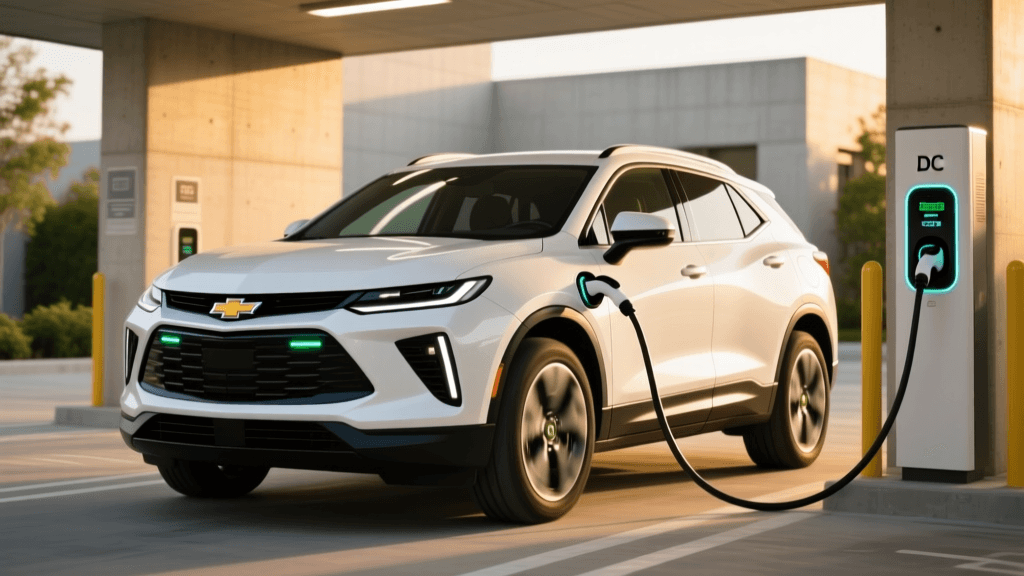
Where the EV6 GT reclaims significant value is at the charging station. Built on Hyundai Motor Group's E-GMP platform, the EV6 GT features an 800-volt electrical architecture. This allows it to accept DC fast charging speeds up to 240 kW. Under optimal conditions, the EV6 GT can charge from 10% to 80% in just 18 minutes.
When calculating the total cost of ownership, time is money. While a standard 400-volt EV might take 40-50 minutes to achieve the same 10-80% charge on a 150 kW public charger, the EV6 GT cuts that time in half. Furthermore, if you utilize home Level 2 charging (which costs an average of $0.15 per kWh nationally), "filling" the 77.4 kWh battery from empty costs roughly $11.60. Even with the lower range, the cost per mile driven on home electricity remains exceptionally low compared to internal combustion performance cars that require premium fuel.
Long-Term Ownership: Tires, Insurance, and Maintenance
A true cost breakdown must look beyond the purchase price. High-performance EVs carry specific long-term financial burdens that buyers must anticipate.
The Tire Tax
The EV6 GT comes wrapped in custom-marked Michelin Pilot Sport 4S tires. These are phenomenal for grip and handling, but they are expensive and wear quickly under the weight and instant torque of a 4,700-pound AWD EV. Expect to replace a set of these tires every 15,000 to 20,000 miles if driven enthusiastically. A replacement set will cost upwards of $1,400 to $1,600 installed. This is a significant recurring cost that standard EV6 owners (using all-season touring tires) will not face as frequently or expensively.
Insurance Premiums
Insurance companies price policies based on risk, repair costs, and vehicle performance. The GT's 576 horsepower, specialized suspension components, and higher MSRP will result in insurance premiums that are notably higher than the standard EV6. We recommend securing insurance quotes before purchasing, as the annual premium delta could add $400 to $800 to your yearly running costs depending on your zip code and driving record.
The Warranty Safety Net
To offset these potential costs, Kia provides its industry-leading 10-year/100,000-mile powertrain warranty and 5-year/60,000-mile basic warranty. For the EV6 GT, this covers the dual motors, the high-voltage battery, and the complex e-LSD system. This long-term coverage provides immense financial peace of mind and protects against catastrophic out-of-warranty repair bills, a massive value-add that European competitors cannot match.
Data Table: EV6 GT vs. EV6 GT-Line AWD
For a clear financial and technical comparison, Edmunds' Kia EV6 review section highlights the stark differences between the top-tier trims. Below is a structured breakdown of the core metrics:
| Feature / Metric | Kia EV6 GT-Line AWD | Kia EV6 GT | Value Delta |
|---|---|---|---|
| Base MSRP | ~$51,200 | ~$61,400 | +$10,200 |
| Horsepower | 320 hp | 576 hp | +256 hp |
| 0-60 MPH | 5.1 seconds | 3.4 seconds | -1.7 seconds |
| EPA Est. Range | 282 miles | 206 miles | -76 miles |
| DC Fast Charge (10-80%) | 18 minutes (800V) | 18 minutes (800V) | Equal |
| Tires (OEM) | Continental CrossContact (All-Season) | Michelin Pilot Sport 4S (Summer) | Higher replacement cost on GT |
Final Verdict: Who Should Buy the EV6 GT?
From a strict cost-efficiency standpoint, the standard Kia EV6 Wind or GT-Line AWD is the smarter financial choice. They offer excellent range, the same blazing-fast 800V charging architecture, and a more comfortable ride for thousands of dollars less.
However, the Kia EV6 GT is not about pure financial efficiency; it is about the value of performance. If you are a driving enthusiast who wants supercar acceleration, track-capable handling, and daily-driver practicality, the EV6 GT is an undeniable bargain compared to the Porsche Taycan or Audi RS e-tron GT, which cost nearly double. By utilizing the lease tax credit loophole, budgeting for high-performance tire replacements, and relying on Kia's 10-year warranty to protect the complex drivetrain, the EV6 GT stands as one of the most compelling, high-value performance EVs on the market today.