When the automotive world first began its shift toward electrification, the Jaguar I-PACE emerged as a true trailblazer. Unlike many early electric vehicles that were simply modified internal combustion platforms, the I-PACE was designed from the ground up as a bespoke battery-electric vehicle. It successfully challenged the status quo, proving that a luxury automaker could deliver a compelling, high-performance, and stylish electric SUV that rivals the best offerings from Silicon Valley. In this comprehensive review, we dive deep into the Jaguar I-PACE, examining its real-world range, charging capabilities, interior technology, and overall ownership experience to see how it holds up in the increasingly crowded luxury EV market.
Vehicle Overview: The Pioneer of Luxury Electric SUVs
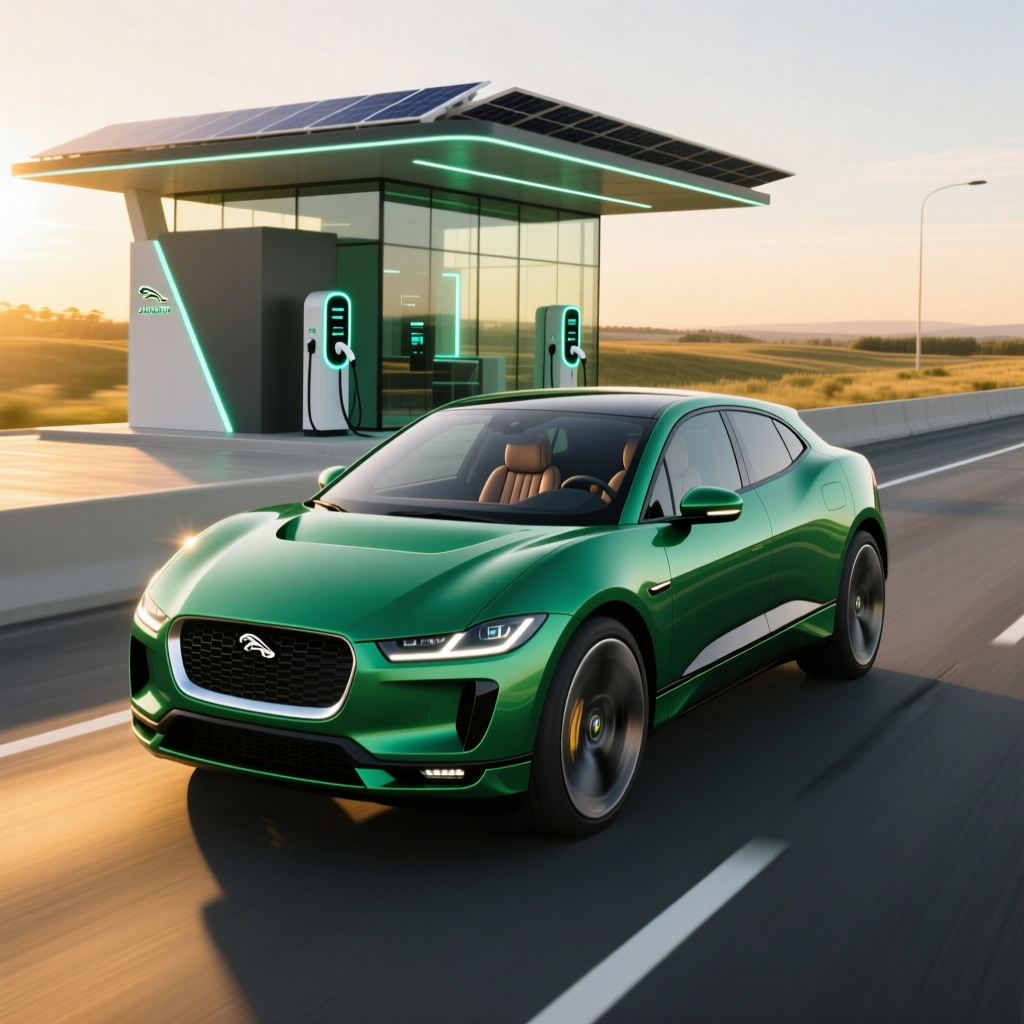
The Jaguar I-PACE occupies a unique space in the electric vehicle landscape. It blends the aggressive, cab-forward styling of a sports car with the practicality and ride height of a midsize SUV. Its aerodynamic silhouette, complete with a hood scoop and flush door handles, is not just for show; it actively reduces drag to maximize efficiency. As one of the first premium electric SUVs to market, it set a benchmark for driving dynamics and interior luxury. For buyers exploring the best luxury electric SUVs, the I-PACE remains a striking alternative to the ubiquitous Tesla Model X or the more traditional Audi e-tron. It is a vehicle that prioritizes the emotional connection of driving while delivering the silent, instant torque that defines the EV experience.
Real-World Range & Battery Efficiency
Range anxiety is often the primary concern for prospective EV buyers, and the I-PACE addresses this with a substantial 90 kWh lithium-ion battery pack. According to the EPA Fuel Economy ratings, the I-PACE achieves an estimated range of up to 246 miles on a full charge. However, as with all electric vehicles, real-world results can vary significantly based on driving conditions, weather, and driving style.
In independent real-world highway testing conducted by major automotive publications, the I-PACE typically delivers between 200 and 220 miles at sustained speeds of 70 mph. The vehicle's advanced thermal management system actively heats or cools the battery to optimize efficiency, which is particularly beneficial in extreme climates. Furthermore, the I-PACE features an adjustable regenerative braking system. When set to its highest level, the vehicle allows for true one-pedal driving, capturing kinetic energy during deceleration and feeding it back into the battery. This system is highly effective in city traffic, where stop-and-go driving can actually help extend the vehicle's range closer to its EPA estimate.
It is worth noting that equipping the I-PACE with larger, more aggressive wheel options or opting for the panoramic glass roof can slightly reduce overall efficiency. For those prioritizing maximum distance, sticking with the standard aerodynamic wheel designs and utilizing the vehicle's built-in Eco mode—which moderates throttle response and climate control usage—will yield the best real-world mileage.
Charging Speed & Infrastructure Compatibility
Charging infrastructure and speed are critical components of the EV ownership experience. The Jaguar I-PACE utilizes the CCS (Combined Charging System) standard, making it compatible with the vast majority of public charging networks across North America and Europe. For a complete breakdown of network compatibility, be sure to read our comprehensive EV charging guide.
When connected to a DC fast charger, the updated iterations of the I-PACE support charging speeds of up to 150 kW (with earlier models capped at 100 kW). Under optimal conditions, this allows the battery to charge from 10% to 80% in approximately 40 to 45 minutes. While this is slightly slower than the ultra-fast 250 kW charging architectures found on some newer competitors, it is more than adequate for highway road trips, providing enough time to grab a meal and stretch your legs while the vehicle replenishes its battery.
For home charging, the I-PACE is equipped with an 11 kW onboard charger (on newer models, with older models featuring a 7.2 kW charger). Using a Level 2 home wallbox connected to a 240-volt outlet, a fully depleted battery can be replenished in roughly 8.5 to 10 hours. This means that plugging in overnight will easily provide a full charge by morning, which is the most convenient and cost-effective way to "refuel" an electric vehicle. Jaguar also provides a portable charging cable for emergency Level 1 charging via a standard household outlet, though this method is painstakingly slow and only recommended for overnight top-ups or emergencies.
Interior Design, Comfort & Technology
Stepping inside the I-PACE reveals a cabin that perfectly marries traditional British luxury with modern digital innovation. Jaguar offers a variety of premium materials, including supple Windsor leather and a highly sustainable, premium textile alternative developed in collaboration with Kvadrat. This wool-blend fabric is not only eco-friendly but also highly durable and temperature-regulating, making it a favorite among luxury EV buyers.
The centerpiece of the dashboard is the Pivi Pro infotainment system, displayed on a beautiful 11.4-inch curved glass touchscreen. Unlike earlier iterations of Jaguar's software, Pivi Pro is lightning-fast, highly intuitive, and features over-the-air (OTA) update capabilities. The system includes wireless Apple CarPlay and Android Auto, ensuring seamless smartphone integration. Below the main screen, a secondary lower touchscreen handles climate controls and terrain response settings, though some users may find the lack of physical buttons for temperature adjustments slightly distracting while driving.
Comfort is paramount in the I-PACE. The front seats are heavily bolstered, supportive on long journeys, and offer available heating, ventilation, and massage functions. The cab-forward design and flat floor—made possible by the bespoke EV skateboard platform—create surprisingly generous rear legroom. The panoramic glass roof floods the cabin with natural light, enhancing the sense of space. Cargo capacity is also impressive, offering 25.3 cubic feet of space behind the rear seats, expanding to over 51 cubic feet when the seats are folded flat. Additionally, a small front trunk (frunk) provides extra space for storing charging cables or small bags.
Driving Dynamics & Performance
Where the Jaguar I-PACE truly separates itself from the pack is in its driving dynamics. While many electric SUVs feel like heavy, disconnected appliances, the I-PACE drives with the soul of a sports sedan. The battery pack is mounted low in the chassis, granting the vehicle an exceptionally low center of gravity and a near-perfect 50:50 weight distribution.
In its most potent EV400 guise, the dual-motor all-wheel-drive system produces 394 horsepower and a massive 512 lb-ft of torque. This results in a blistering 0-60 mph time of just 4.5 seconds. The instant torque delivery provides effortless passing power on the highway and thrilling acceleration from a standstill. The steering is communicative and precise, offering a level of feedback rarely found in the electric SUV segment.
The available adaptive air suspension further elevates the driving experience. It automatically adjusts the ride height based on speed and terrain, lowering the vehicle at highway speeds to improve aerodynamics, and raising it for rough roads or light off-road excursions. The brake blending between the regenerative system and the physical friction brakes is remarkably smooth, avoiding the jerky deceleration feel that plagues some competitors. For a deeper look at how it stacks up against its main rival, check out our Tesla Model X vs. Jaguar I-PACE comparison.
Ownership Costs & Value Proposition
Evaluating the ownership costs of the Jaguar I-PACE requires looking at both the new and pre-owned markets. As a luxury vehicle, the I-PACE experiences steeper initial depreciation than some of its mainstream EV counterparts. However, this makes it an absolute bargain on the used market, offering incredible value for buyers seeking a premium electric SUV without the premium new-car price tag.
Maintenance costs for the I-PACE are significantly lower than those of a traditional internal combustion Jaguar. Without an engine, transmission, or exhaust system, there are no oil changes, spark plugs, or timing belts to worry about. Routine maintenance is largely limited to cabin air filter replacements, tire rotations, and windshield washer fluid. It is important to note that EVs are heavier and produce instant torque, which can wear through tires faster than gas-powered cars; budgeting for premium, EV-specific tires is a necessary ownership expense.
Insurance premiums for the I-PACE are generally in line with other luxury electric SUVs, though they can vary based on your location and driving history. Depending on your region, buyers may also be eligible for federal, state, or local tax incentives and rebates for purchasing a new or used EV, which can drastically reduce the overall cost of ownership. For those looking to maximize space and value, the I-PACE frequently appears on our list of the best electric SUVs for families.
Pros & Cons of the Jaguar I-PACE
To summarize the ownership experience, here are the primary advantages and disadvantages of the Jaguar I-PACE:
Pros:
- Exceptional driving dynamics and sports-car-like handling
- Stunning, aerodynamic exterior design that stands out in traffic
- Premium, sustainable interior materials and excellent build quality
- Generous cargo space and comfortable rear seating
- Smooth and intuitive regenerative braking system
Cons:
- Real-world highway range falls slightly short of some newer competitors
- DC fast charging speeds are adequate but not class-leading
- Steep depreciation curve (though beneficial for used buyers)
- Lack of physical buttons for climate controls can be distracting
Key Specifications Comparison Table
Below is a detailed breakdown of the key specifications for the Jaguar I-PACE (EV400 Dual Motor configuration):
| Specification | Jaguar I-PACE (EV400) |
|---|---|
| Battery Capacity | 90 kWh Lithium-Ion |
| EPA Estimated Range | Up to 246 miles |
| Horsepower | 394 hp |
| Torque | 512 lb-ft |
| 0-60 mph Acceleration | 4.5 seconds |
| Drivetrain | Dual Motor All-Wheel Drive (AWD) |
| DC Fast Charging (10-80%) | ~45 minutes (up to 150 kW) |
| Level 2 Home Charging | ~8.5 hours (11 kW onboard charger) |
| Cargo Volume (Rear Seats Up) | 25.3 cu. ft. |
| Towing Capacity | Up to 1,653 lbs |
Frequently Asked Questions
How does the I-PACE compare to the Tesla Model X?
The Jaguar I-PACE and Tesla Model X target similar luxury EV buyers but offer vastly different experiences. The Model X boasts superior range, access to the Supercharger network, and faster straight-line acceleration. However, the I-PACE counters with vastly superior interior build quality, a more engaging and traditional driving dynamic, and a quieter, more refined cabin. If you prioritize software and range, the Tesla wins; if you prioritize luxury materials and driving feel, the Jaguar is the better choice.
Is the Jaguar I-PACE reliable for long road trips?
Yes, the I-PACE is highly capable of long road trips, provided you plan your charging stops. With a real-world highway range of around 200 to 220 miles, you will need to stop for a 30 to 40-minute DC fast charge approximately every two hours. The vehicle's navigation system includes excellent route planning with automatic charging stop integration, and the comfortable, supportive seats make it an excellent highway cruiser.
What is the warranty coverage for the I-PACE battery?
Jaguar provides robust warranty coverage for its electric powertrain. The high-voltage battery is covered by an 8-year or 100,000-mile warranty (whichever comes first), guaranteeing that the battery will retain at least 70% of its original capacity. Additionally, the vehicle's basic limited warranty and powertrain warranty cover the rest of the car for 5 years or 60,000 miles, providing peace of mind for long-term ownership.
Does the I-PACE support over-the-air (OTA) updates?
Yes, modern iterations of the I-PACE equipped with the Pivi Pro infotainment system support Software-Over-The-Air (SOTA) updates. This allows Jaguar to remotely push improvements to the vehicle's infotainment system, navigation maps, and even certain powertrain and battery management modules without the owner needing to visit a dealership. This ensures the vehicle's technology remains current and can even improve efficiency over time.
Can the Jaguar I-PACE tow a trailer?
While it is not designed to be a heavy-duty hauler, the I-PACE does offer a modest towing capacity. When properly equipped with the factory towing package, it can tow up to 1,653 pounds. This is sufficient for pulling a small utility trailer, a pair of jet skis, or a lightweight teardrop camper, though owners should be aware that towing will drastically reduce the vehicle's real-world driving range.