The Bottom Line on the Ford Focus Electric
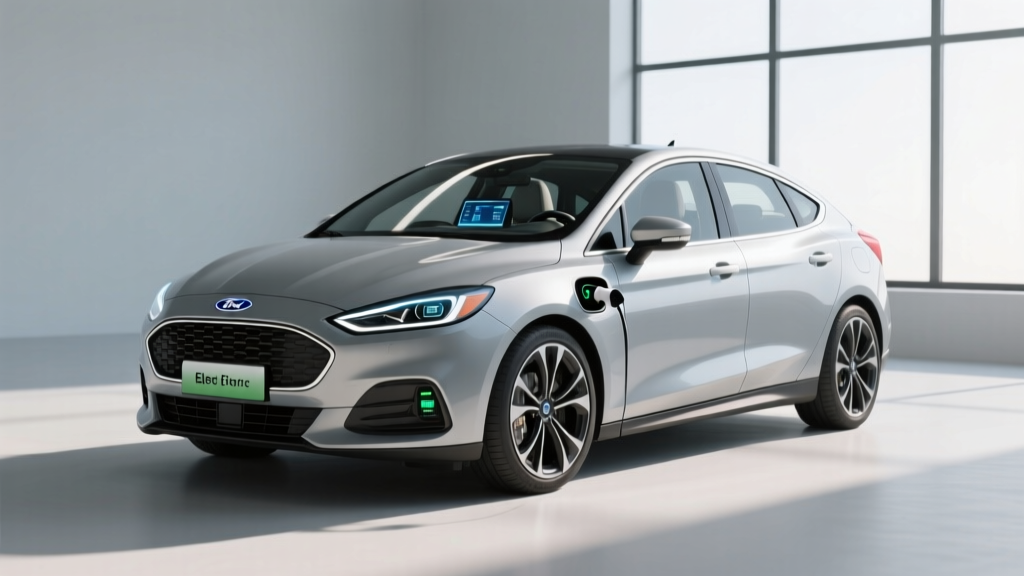
The Ford Focus Electric was discontinued after the 2018 model year, so there is no new 2026 version to buy. On the used market, it remains one of the cheapest EVs available — typically $6,000–$12,000 depending on model year and mileage. The 2017–2018 models offer an EPA-estimated 115 miles of range from a 33.5 kWh (usable) liquid-cooled battery, while 2012–2016 models deliver just 76 miles from a 23 kWh pack. It's a viable budget commuter if you have home charging, a short daily drive, and realistic expectations about its age and limited DC fast-charging capability.
Range, Battery, and Real-World Expectations
Ford built the Focus Electric on the same platform as the gas Focus, stuffing a liquid-cooled lithium-ion battery pack beneath the rear seats and cargo floor. The battery size changed significantly mid-production:
| Model Years | Battery (Usable) | Chemistry | EPA Range | MPGe (Combined) |
|---|---|---|---|---|
| 2012–2016 | ~23 kWh | NMC | 76 miles | 105 MPGe |
| 2017–2018 | ~33.5 kWh | NMC | 115 miles | 107 MPGe |
Source: EPA / fueleconomy.gov
Real-World Range Reality
The EPA sticker is a laboratory estimate. In practice, expect the following for the 2017–2018 model (33.5 kWh):
- Summer city driving: 105–120 miles (regen braking helps in stop-and-go)
- Highway at 70 mph: 85–100 miles (EVs lose efficiency at sustained high speed)
- Cold weather (below 30°F): 65–85 miles — the Focus Electric lacks a heat pump, relying on a resistive cabin heater that draws heavily from the pack
- Battery degradation: After 7–10+ years, expect 10–20% capacity loss on NMC cells, further reducing range. A 2017 model that originally delivered 115 EPA miles may now show 90–100 miles at full charge.
For the 2012–2016 models (76-mile EPA), subtract proportionally. A degraded 2014 model might realistically deliver 55–65 miles in mild conditions.
Charging: Speeds, Connectors, and Limitations
Charging is where the Focus Electric shows its age most clearly. Here's what you're working with:
| Charging Level | Power (kW) | Time (Empty to Full) | Notes |
|---|---|---|---|
| Level 1 (120V household) | ~1.2 kW | 24–30 hours (33.5 kWh) | Emergency/top-up only |
| Level 2 (240V, 6.6 kW onboard) | 6.6 kW | ~5–5.5 hours (33.5 kWh) | Standard home/work charging |
| DC Fast Charge (CHAdeMO) | ~50 kW peak | 30 min (10–80%) | 2017–2018 only; CHAdeMO network shrinking |
Critical distinction — kW vs kWh: The battery stores 33.5 kWh (energy capacity, like gallons in a tank). The onboard charger accepts up to 6.6 kW (power, like flow rate from a pump). A 6.6 kW charger fills 33.5 kWh in roughly 5 hours.
The CHAdeMO Problem
The 2017–2018 Focus Electric uses the CHAdeMO DC fast-charging connector, the same standard adopted by Nissan for the Leaf. However, the North American charging industry has consolidated around CCS and Tesla's NACS connector. Electrify America still supports CHAdeMO at many stations, but new installations increasingly skip it. Before buying, check PlugShare or the DOE Alternative Fuels Data Center for CHAdeMO stations near your routes.
The 2012–2016 models have no DC fast charging at all — only Level 2 J1772 AC charging. This makes them strictly local-use vehicles.
EV vs Gas: Cost Comparison for the Focus
Let's compare a used 2017 Focus Electric against a typical used 2017 Focus SE gas model over a year of commuting (12,000 miles annually).
| Cost Factor | 2017 Focus Electric | 2017 Focus SE (Gas) |
|---|---|---|
| Purchase Price (used, 2026) | $8,000–$11,000 | $9,000–$13,000 |
| Energy/Fuel (annual) | ~$480 (at $0.14/kWh avg) | ~$1,200 (at $3.20/gal, 30 MPG) |
| Oil Changes (annual) | $0 | ~$150–$200 |
| Brake Wear | Minimal (regen braking) | Normal replacement cycle |
| Insurance (annual avg) | ~$1,100–$1,400 | ~$1,000–$1,300 |
| Federal Tax Credit (§30D) | Not eligible (used EV credit expired Dec 31, 2025 per IRS) | N/A |
| Annual Operating Savings | EV saves ~$700–$900/year in fuel + maintenance | |
At roughly $800/year in savings, the Focus Electric pays back any price premium in 1–3 years, depending on local electricity rates and gas prices. If you have solar panels or access to cheap overnight utility rates (below $0.10/kWh), the savings widen further.
What a First-Time EV Buyer Must Know
Home Charging Is Non-Negotiable for This Car
With only 65–115 miles of real-world range and slow DC charging, the Focus Electric demands reliable home charging. A Level 2 home charger (240V, 32A or 40A circuit) is strongly recommended. Expect to pay:
| Item | Cost Range |
|---|---|
| Level 2 EVSE (ChargePoint Home Flex, Emporia, etc.) | $350–$700 |
| Electrician labor (240V outlet or hardwire) | $500–$1,500 |
| Electrical panel upgrade (if needed, 100A → 200A) | $1,500–$3,000 |
| Permit & inspection | $50–$200 |
| Total (no panel upgrade) | $900–$2,400 |
Always have a licensed electrician evaluate your panel capacity before purchasing any EV. The Focus Electric's 6.6 kW onboard charger requires a 30A or higher dedicated circuit.
Cold Climate Buyers: Proceed With Caution
The Focus Electric uses a resistive PTC heater for cabin warmth — not a heat pump. Resistive heaters draw 2–4 kW from the battery, which can cut range by 25–40% in sustained sub-freezing temperatures. If you live in the upper Midwest or Northeast and need to commute more than 40 miles round-trip in winter, this car will feel limiting.
Battery Health Check Before Purchase
Request a battery State of Health (SoH) report. Some Ford dealers can pull this via OBD-II diagnostics. You want to see at least 80% capacity retention. Ford's original battery warranty was 8 years/100,000 miles — most 2012–2016 models are now outside that window, and 2017–2018 models are expiring or have expired. A replacement battery, if available, can cost $5,000–$8,000+, potentially exceeding the car's value.
Common Misconceptions — Myth vs Fact
| Myth | Fact |
|---|---|
| "The Focus Electric gets 115 miles no matter what." | 115 miles is the EPA lab estimate. Highway driving, cold weather, and battery degradation all reduce real range to 65–105 miles depending on conditions. |
| "I can use any DC fast charger." | The Focus Electric uses CHAdeMO, not CCS or NACS. Many newer DC fast stations only have CCS and NACS cables. |
| "Used EVs qualify for the $4,000 used-EV tax credit." | The federal used clean vehicle credit (§25E) expired December 31, 2025. As of 2026, used EV purchases do not receive a federal credit. Check your state for local incentives. |
| "EV batteries always need replacing after 8 years." | NMC batteries typically retain 75–85% capacity after 8–10 years with normal use. Degradation is gradual, not a cliff — but it does reduce already-limited range on a short-range EV. |
| "It's just as practical as a gas Focus." | The battery pack intrudes into the cargo area, reducing trunk space significantly compared to the gas model. Rear cargo volume is approximately 14.5 cu ft vs 23.8 cu ft in the gas Focus. |
Performance and Driving Impressions
The Focus Electric produces 143 horsepower (107 kW) and 184 lb-ft of torque from its front-mounted electric motor. Ford claimed a 0–60 mph time of approximately 9.5 seconds — adequate for merging but not quick by modern EV standards. Top speed is electronically limited to 84 mph.
The driving experience is where the Focus Electric still earns praise. The low center of gravity from the underfloor battery gives it composed handling, and the one-pedal-style regenerative braking (Ford called it "Brake Coach") is intuitive. The cabin is quiet, the ride quality matches the gas Focus, and the Sync infotainment system — while dated — supports basic Bluetooth and USB connectivity.
Notable omissions for 2026 expectations: no adaptive cruise control, no lane-keeping assist, no Apple CarPlay/Android Auto (in most model years), and no over-the-air updates. This is a pre-ADAS-era EV.
Decision Framework: Should You Buy the Focus Electric?
Choose the Ford Focus Electric If:
- Your round-trip commute is under 50 miles (under 35 miles in cold climates)
- You have or can install Level 2 home charging
- You want the cheapest possible entry into EV ownership
- You have a second gas or hybrid vehicle for longer trips
- You live in a mild climate where cold-weather range loss is minimal
- You're buying a 2017–2018 model with verified battery SoH above 85%
Look Elsewhere If:
- You need more than 100 miles of reliable daily range
- You rely on public DC fast charging (CHAdeMO network is shrinking)
- You live in a cold climate and commute more than 40 miles round-trip
- You want modern ADAS features (automatic emergency braking, lane-keeping)
- You need cargo space — the battery eats into the trunk
- You can't find a CHAdeMO-equipped station within your driving area
Better Alternatives in the Same Budget ($8,000–$15,000 used)
- 2018–2019 Nissan Leaf (40 kWh): 151-mile EPA range, more widely available, but also CHAdeMO and passive battery cooling
- 2017–2019 Chevrolet Bolt EV: 238-mile EPA range, CCS charging, 60 kWh battery — the strongest used-EV value in this price bracket
- 2019–2020 Hyundai Kona Electric: 258-mile EPA range, CCS, more modern interior
Ownership Economics Summary
Over five years and 60,000 miles, a Focus Electric owner who charges primarily at home can expect:
| Category | 5-Year Estimate |
|---|---|
| Purchase price (2017 model, avg) | $9,500 |
| Home charging install (Level 2) | $1,500 |
| Electricity (60,000 mi × 0.30 kWh/mi × $0.14/kWh) | $2,520 |
| Maintenance (tires, cabin filter, wipers, brake fluid) | $800 |
| Insurance (5 years avg) | $6,000 |
| Total 5-Year Cost | ~$20,320 |
| Estimated resale value (year 5) | –$3,000 |
| Net 5-Year Cost | ~$17,320 |
Compare this to a gas Focus over the same period at ~$27,000–$30,000 net cost. The EV wins on operating costs, but the savings are modest in absolute terms because the car itself is cheap either way. The real financial risk is an out-of-warranty battery failure — a $5,000+ repair that could total the vehicle economically.
Does the Ford Focus Electric qualify for any tax credits in 2026?
No. The federal new-vehicle credit (§30D) was never claimable on a used purchase, and the used-EV credit (§25E, up to $4,000) expired December 31, 2025. Some states and utilities still offer rebates for used EVs — check the DOE AFDC state incentives database for your area.
Can I fast-charge a Ford Focus Electric on a road trip?
Only the 2017–2018 models have DC fast charging, and only via CHAdeMO — not CCS or NACS. At ~50 kW peak, a 10–80% charge takes roughly 30 minutes. However, the shrinking CHAdeMO network makes trip planning difficult. The 2012–2016 models have no DC fast charging at all.
How do I check the battery health on a used Focus Electric?
Ask a Ford dealer to run an OBD-II battery health report showing State of Health (SoH) as a percentage. You can also compare the dashboard's estimated range at a full charge against the original EPA rating — if a 2017 model shows only 85 miles at 100% SoC, the battery has degraded roughly 25%.
Is the Ford Focus Electric safe?
The Focus Electric was not separately crash-tested by the IIHS or NHTSA in most years, though the gas Focus received mixed IIHS ratings (Good in moderate overlap front, Acceptable in side). It lacks modern active safety features like automatic emergency braking or blind-spot monitoring. Check NHTSA.gov for specific model-year data.
What happens if the battery fails?
Ford's original battery warranty covered 8 years/100,000 miles against defects and excessive capacity loss (below 60% of original). Most Focus Electrics are now outside this window. Independent EV repair shops can sometimes replace individual modules for $2,000–$4,000, but full pack replacement runs $5,000–$8,000+. Factor this risk into your purchase decision.