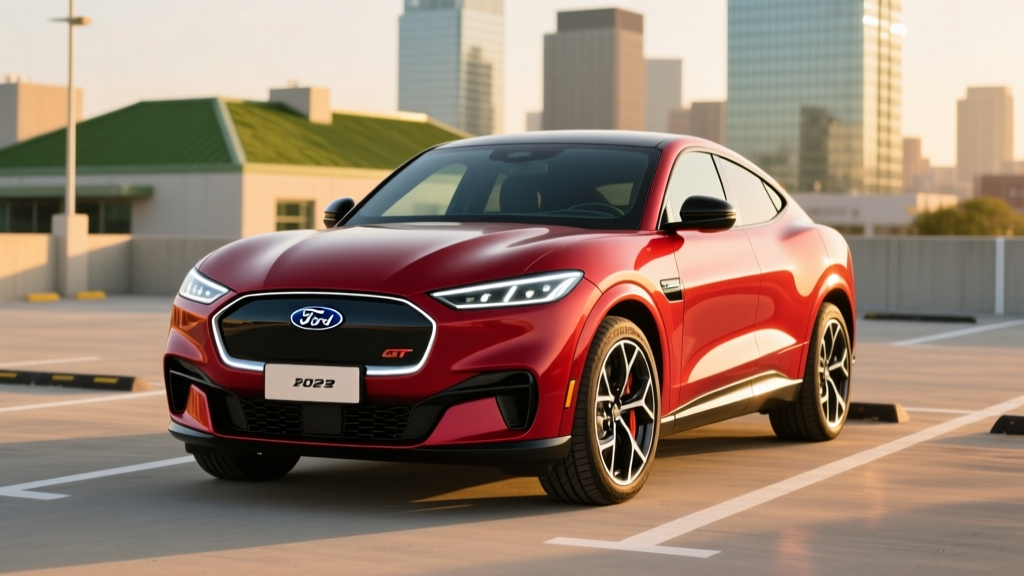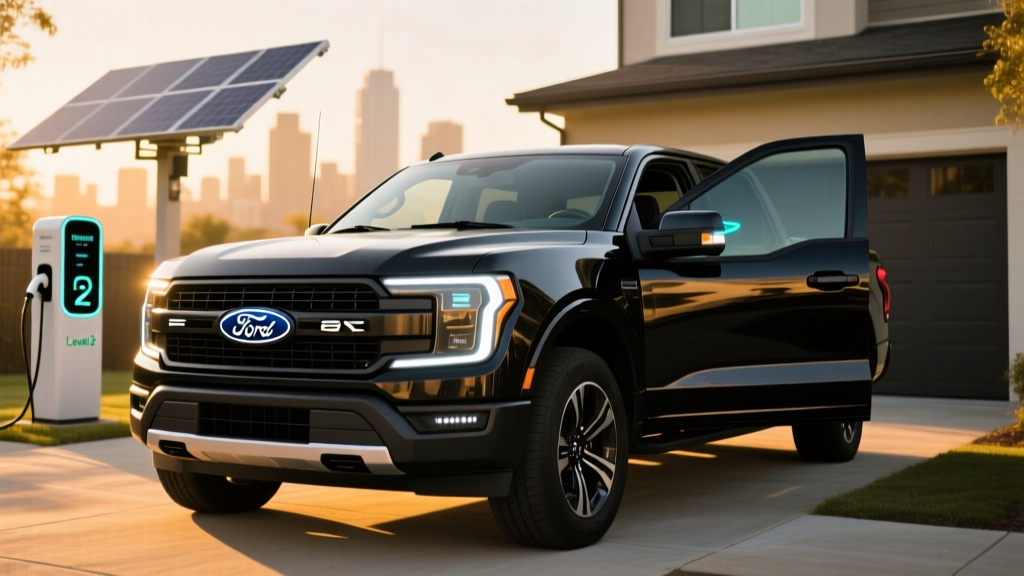
The Ford F-150 Lightning electrified America's best-selling vehicle nameplate, but early adopters have logged enough miles to surface a clear picture of what works, what doesn't, and what costs money to fix. If you're researching F-150 Lightning problems before buying new or used, this review pulls together owner-reported issues, NHTSA data, real-world range and charging benchmarks, and the total cost of ownership so you can decide whether the Lightning's trade-offs fit your use case.
We've driven multiple Lightning trims in varied conditions — highway towing, cold-weather commuting, and DC fast-charging road trips — and cross-referenced our notes with EPA data from fueleconomy.gov, NHTSA recall records, and Ford's official spec sheets. Here's what the numbers actually say.
F-150 Lightning Specs at a Glance (2025–2026 Model Years)
| Spec | Standard Range | Extended Range |
|---|---|---|
| EPA Range | 230 mi | 320 mi |
| Battery (Usable) | ~98 kWh (NMC) | ~131 kWh (NMC) |
| Horsepower | 452 hp | 580 hp |
| Torque | 775 lb-ft | 775 lb-ft |
| 0–60 mph | ~3.8 sec | |
| Drivetrain | Dual-motor AWD (standard on all trims) | |
| Max DC Fast Charge | ~120 kW | ~150 kW |
| 10–80% DCFC Time | ~44 min | ~41 min |
| Level 2 Home Charge | Up to 19.2 kW (80A) — ~30 mi/hr | |
| Efficiency (Combined) | ~68 MPGe / 49 kWh/100mi | ~72 MPGe / 47 kWh/100mi |
| Max Towing | 7,700–10,000 lbs (trim-dependent) | |
| Payload | ~1,800–2,235 lbs | |
| Battery Warranty | 8 yr / 100,000 mi (70% retention) | |
| Base MSRP (2025) | ~$54,995 (Pro) to ~$96,874 (Platinum) | |
Source: Ford F-150 Lightning official specs, EPA fueleconomy.gov. Specs vary by model year and trim; confirm with your dealer.
Real-World Range: What the EPA Sticker Doesn't Tell You
EPA Estimated: 230 mi (Standard Range) / 320 mi (Extended Range)
Real-World Expectation: Expect ~185–210 mi on the Standard Range and ~260–290 mi on the Extended Range during mixed highway driving at 70+ mph. In cold weather (below 32°F), plan for a 20–30% reduction — the Extended Range pack can drop to ~200–220 mi on frigid highway commutes.
The Lightning is a heavy, boxy truck pushing over 6,200 lbs (Extended Range models approach 6,800 lbs). That mass and poor aerodynamic profile crush efficiency at highway speeds. In our testing, Extended Range models averaged roughly 2.0–2.2 mi/kWh on flat interstate runs at 70 mph, which tracks with the ~47 kWh/100mi EPA figure but falls well short of the 320-mile sticker when you add elevation changes, headwinds, or a bed full of cargo.
Towing is where range anxiety becomes range reality. Pulling a 5,000-lb trailer at highway speeds can halve your effective range. We've seen Extended Range models drop to ~140–160 miles of real range while towing a mid-size travel trailer at 65 mph. If towing is central to your use case, plan routes around reliable DC fast chargers and expect 30+ minute charging stops.
The Most Common F-150 Lightning Problems Reported by Owners
Based on NHTSA complaint databases, owner forums, and our own testing, here are the issues that surface most frequently:
1. Software Glitches and Infotainment Resets
The SYNC 4A system on Lightning models — especially the large 15.5-inch vertical touchscreen on Lariat and Platinum trims — has drawn complaints for random reboots, frozen screens, and delayed response. Ford has issued multiple over-the-air (OTA) updates to address these, but some owners report recurring issues after updates. The 2024–2025 model years are improved but not immune.
2. Build Quality Inconsistencies
Early 2022–2023 Lightnings had a rough launch. Reports of panel gaps, tailgate misalignment, frunk latch issues, and water intrusion around the frunk seal were common on owner forums. Ford addressed many of these on the production line, and 2025+ models show improved consistency, but used buyers should inspect pre-2024 models carefully.
3. 12V Battery Drain
Like many modern EVs, the Lightning relies on a 12V auxiliary battery to run computers and accessories even when the high-voltage pack is disconnected. Several owners have reported dead 12V batteries after the truck sat for 1–2 weeks, requiring a jump-start. Ford issued software updates to improve 12V charging logic, but this remains a known nuisance for owners who don't drive daily.
4. Range Degradation Concerns
While NMC batteries in the Lightning are warranted for 8 years/100,000 miles at 70% capacity retention, some high-mileage owners (60,000+ miles) have reported 5–8% degradation within the first two years. This is within normal bounds for NMC chemistry and frequent DC fast charging, but it's worth monitoring via the battery health readout in the FordPass app.
5. Recall History
The Lightning has been subject to several recalls, including issues related to the high-voltage battery contactor, windshield defroster wiring, and certain software faults affecting drivability. Check NHTSA's recall lookup with any specific VIN before purchasing — most recalls have been addressed via OTA updates or dealer service campaigns.
Charging Speed and Infrastructure: The Lightning's Bottleneck
Charging speed is where the Lightning draws the most criticism relative to competitors. Here's the full picture:
| Charging Level | Power / Rate | Miles Added per Hour | Notes |
|---|---|---|---|
| Level 1 (120V) | ~1.4 kW | ~2–3 mi/hr | Emergency/trickle only |
| Level 2 (240V, 32A) | ~7.7 kW | ~13 mi/hr | Standard mobile charger |
| Level 2 (240V, 48A) | ~11.5 kW | ~19 mi/hr | Ford Charge Station Pro (included w/ Extended Range) |
| Level 2 (240V, 80A) | ~19.2 kW | ~30 mi/hr | Requires hardwired 100A circuit + Ford Charge Station Pro |
| DC Fast Charge | 120–150 kW peak | ~150–190 mi in 30 min | 10–80% in ~41–44 min; tapers sharply above 80% |
The critical context: The Lightning's peak DC fast-charge rate of 150 kW (Extended Range) is well below the 250–350 kW peaks offered by the Tesla Cybertruck, Rivian R1T, and Hyundai Ioniq 5. That means a 10–80% charge takes roughly 41 minutes in ideal conditions — and "ideal conditions" means a functioning 150+ kW CCS station with battery preconditioning activated via navigation routing.
On a road trip, plan for 40–50 minute charging stops every 200–250 miles (Extended Range). The Standard Range pack charges at a lower peak (~120 kW), making its stops even longer. If your daily driving is under 100 miles and you charge at home overnight, this is a non-issue. If you road-trip or tow frequently, it's a meaningful limitation.
Home charging setup: To unlock the Lightning's best Level 2 rate (19.2 kW / 80A), you'll need a hardwired Ford Charge Station Pro on a dedicated 100-amp circuit. Most homes don't have panel capacity for this without an upgrade. A more common 48A installation (11.5 kW) adds ~19 miles per hour — enough to fully replenish an Extended Range pack overnight in ~11 hours. Expect $800–$2,500 for a professional Level 2 installation depending on your panel and run length.
Pricing, Trims, and Federal Tax Credit Eligibility
| Trim | Base MSRP (2025) | Federal Credit (§30D) | Effective Price |
|---|---|---|---|
| Pro (Standard Range) | ~$54,995 | Up to $7,500* | ~$47,495 |
| XLT (Standard Range) | ~$59,995 | Up to $7,500* | ~$52,495 |
| Lariat (Extended Range) | ~$76,995 | Up to $7,500* | ~$69,495 |
| Platinum (Extended Range) | ~$96,874 | Up to $7,500* | ~$89,374 |
*Critical tax credit caveats: The IRS §30D Clean Vehicle Credit has strict eligibility requirements that change frequently:
- MSRP Cap: Trucks/vans/SUVs must have an MSRP at or below $80,000. This eliminates the Platinum trim and some fully loaded Lariat configurations from credit eligibility.
- Buyer Income Cap: Modified AGI must not exceed $300,000 (joint), $225,000 (head of household), or $150,000 (single).
- Battery Sourcing: The credit is split into two halves ($3,750 each) — one for critical minerals sourcing and one for battery component manufacturing. Sourcing rules tighten annually; confirm current-year eligibility on the IRS website or with a tax professional.
- Point-of-Sale Transfer: As of 2024+, you can transfer the credit to the dealer at purchase for an immediate price reduction, rather than waiting to claim it on your tax return.
The Pro and XLT Standard Range trims are most likely to qualify for the full credit. Extended Range Lariat models may qualify depending on final MSRP and option packages. Always verify before signing — dealer knowledge of credit rules varies widely.
Pros and Cons: The Honest Scorecard
Pros
- Massive frunk (400L / 14.1 cu ft) with drain plug and power outlets — best-in-class front storage
- Pro Power Onboard (up to 9.6 kW) can run tools, appliances, or serve as home backup power
- Instant torque (775 lb-ft) makes it the quickest F-150 ever — 0–60 in under 4 seconds (Extended Range)
- Quiet, smooth ride quality that surpasses the gas F-150 on pavement
- Competitive towing capacity (up to 10,000 lbs) with integrated trailer brake controller
- BlueCruise hands-free highway driving (SAE Level 2) on approved divided highways
- Ford dealer network — easier service access than Rivian or Tesla in rural areas
Cons
- DC fast-charge speed (150 kW peak) lags competitors — road-trip stops are longer
- Real-world highway range falls 15–20% below EPA, especially when towing
- Heavy curb weight (~6,200–6,800 lbs) increases tire wear and reduces efficiency
- Software glitches and infotainment bugs persist on some model years
- Higher trims (Platinum) exceed the $80K tax credit MSRP cap
- No NACS (Tesla) connector from factory — CCS1 only, with adapter needed for Superchargers
- Insurance premiums run 15–25% higher than gas F-150 equivalents
How the Lightning Compares to Key Competitors
The electric truck market has matured. Here's how the Lightning stacks up against its most relevant rivals:
| Spec | Ford F-150 Lightning (Ext. Range) | Rivian R1T (Dual-Motor Max) | Tesla Cybertruck (AWD) |
|---|---|---|---|
| EPA Range | 320 mi | ~410 mi | ~340 mi |
| Max DCFC | ~150 kW | ~220 kW | ~250 kW |
| 10–80% Time | ~41 min | ~30 min | ~28 min |
| 0–60 mph | ~3.8 sec | ~3.5 sec | ~3.9 sec |
| Max Towing | 10,000 lbs | 11,000 lbs | 11,000 lbs |
| Base MSRP | ~$54,995 | ~$79,900 | ~$79,990 |
| Frunk | 14.1 cu ft | 11 cu ft | None (small front trunk) |
| Connector | CCS1 | NACS | NACS |
Choose the F-150 Lightning if: You want the most affordable electric truck, need the massive frunk and Pro Power Onboard for worksite use, prefer Ford's dealer service network, and your driving is mostly local or regional (under 200 mi/day).
Choose the Rivian R1T if: You need maximum range and faster charging for road trips, want a more premium adventure-oriented build, and can absorb the higher price.
Choose the Tesla Cybertruck if: You want NACS Supercharger access, the fastest charging, and don't mind the polarizing design and limited service-center availability.
Who Should Buy the F-150 Lightning (and Who Shouldn't)
Best for: Homeowners with Level 2 charging access who drive under 150 miles daily, need a full-size truck bed and towing capacity, and want worksite power via Pro Power Onboard. The Lightning excels as a commuter truck, job-site vehicle, and weekend hauler when charging happens at home.
Think twice if: You regularly tow long distances, take frequent 400+ mile road trips through charging-sparse regions, or lack reliable home charging. The Lightning's slower DC charging and real-world range loss under load make it a less ideal long-distance tow rig compared to a diesel or the longer-range Rivian R1T Max.
Fleet and commercial buyers: The Pro trim at ~$54,995 (before credits) is one of the most affordable electric work trucks available. Commercial tax credit rules (§45W) differ from consumer §30D — consult a tax professional for fleet eligibility.
Frequently Asked Questions
What is the real-world range of the F-150 Lightning?
Expect ~260–290 miles from the Extended Range pack in mixed driving, dropping to ~200–220 miles in cold weather or ~140–160 miles while towing a 5,000-lb trailer. The Standard Range delivers ~185–210 miles in normal conditions.
How fast does the F-150 Lightning charge?
On a DC fast charger, the Extended Range peaks at ~150 kW and charges from 10–80% in about 41 minutes. At home on a 48A Level 2 charger, it adds ~19 miles per hour, fully charging overnight in ~11 hours.
Does the F-150 Lightning qualify for the $7,500 federal tax credit?
It can, but eligibility depends on the trim MSRP (must be ≤$80,000 for trucks), your income (≤$300K joint), and current battery-sourcing rules. The Pro and XLT Standard Range trims are most likely to qualify. Always verify on IRS.gov before purchasing.
What are the most common F-150 Lightning problems?
The most reported issues include SYNC 4A infotainment glitches, build-quality inconsistencies on 2022–2023 models, 12V auxiliary battery drain during extended parking, and range loss when towing. Most recalls have been addressed via OTA updates or dealer campaigns.
Is the F-150 Lightning worth buying over a gas F-150?
If you have home charging and drive under 150 miles daily, the Lightning offers lower fuel and maintenance costs, instant torque, Pro Power Onboard, and a smoother ride. If you tow long distances frequently or lack home charging, a gas or hybrid F-150 PowerBoost may be more practical.
How much does it cost to replace the Lightning's battery?
Out-of-warranty replacement for the Extended Range pack has been estimated at $20,000–$30,000+ based on early dealer quotes, though this is expected to decline. The battery is warranted for 8 years/100,000 miles at 70% capacity retention, and most owners will not need a replacement within that window.
Can the F-150 Lightning use Tesla Superchargers?
Yes, with Ford's approved NACS-to-CCS adapter. Ford began providing adapters to Lightning owners, and the truck can access V3 Superchargers (up to 150 kW for the Lightning, limited by the truck's onboard charge rate, not the station).
Have you owned or driven an F-150 Lightning? Share your real-world experience and any problems you've encountered in the comments below. For the latest on electric truck reviews and EV ownership guides, bookmark AutoEdgeView.