Quick Answer: Is the Electric Ford Explorer Worth It?
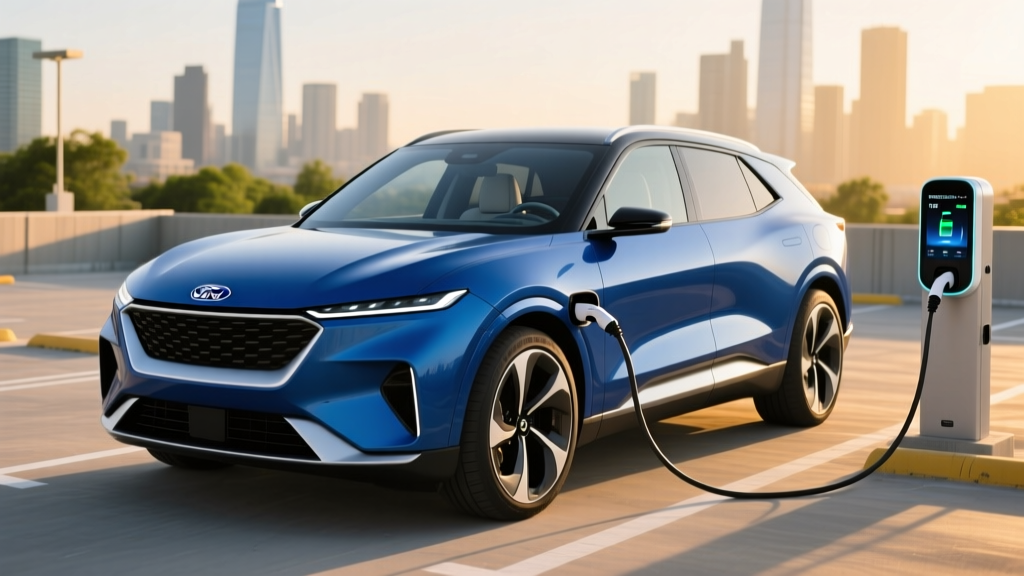
The electric Ford Explorer is a midsize three-row SUV built on Volkswagen's MEB platform, offering an EPA-estimated range of up to 310 miles on the rear-wheel-drive Select trim and around 270 miles on the all-wheel-drive variants. Pricing starts near $48,000 for the base Select, climbing to roughly $56,000 for the GT Performance trim. It supports up to 170 kW DC fast charging (10–80% in approximately 25 minutes) and Level 2 charging at 11 kW. Federal §30D tax credit eligibility depends on current-year battery sourcing, income caps, and MSRP limits — always verify on IRS.gov before purchasing.
Range, Battery, and Efficiency: What the EPA Says vs. Reality
| Specification | Select RWD | Select AWD | GT Performance AWD |
|---|---|---|---|
| EPA Range | 310 miles | 270 miles | 265 miles |
| Battery Capacity (usable) | 77 kWh (NMC) | 77 kWh (NMC) | 77 kWh (NMC) |
| MPGe (combined) | ~99 MPGe | ~89 MPGe | ~85 MPGe |
| 0–60 mph | ~7.5 sec | ~6.5 sec | ~5.0 sec |
| Horsepower | 282 HP | 335 HP | 453 HP |
| Peak DC Fast Charge | 170 kW | 170 kW | 170 kW |
| 10–80% DC Charge Time | ~25 min | ~25 min | ~25 min |
| Level 2 Charge Rate | 11 kW | 11 kW | 11 kW |
| Base MSRP | ~$48,000 | ~$51,000 | ~$56,000 |
| Battery Warranty | 8 years / 100,000 miles | ||
Real-World Range Expectations
EPA Sticker: 310 miles (Select RWD) / 270 miles (AWD trims)
Real-World Highway: Expect 250–275 miles on the RWD and 220–240 miles on AWD at sustained 70+ mph. Aerodynamic drag hits three-row SUVs harder at highway speed.
Cold Weather (below 32°F): Plan for 15–25% range reduction. The Explorer uses a heat pump for cabin heating, which helps, but battery chemistry still loses efficiency in freezing temps. A cold-weather road trip that would use 250 miles of range in summer may require a charge stop at 200 miles in winter.
Charge Curve Reality: The 170 kW peak rate holds roughly from 10% to 50% SoC, then tapers. From 80% to 100%, expect significantly slower charging — don't plan road-trip stops beyond 80% unless you have time to wait.
The Explorer's 77 kWh usable NMC (nickel manganese cobalt) battery sits in a skateboard-style pack beneath the floor. Ford has not published an LFP option for the Explorer as of the 2026 model year — this chemistry offers higher energy density (more range in the same space) but requires more careful state-of-charge management for long-term health compared to LFP. For daily driving, Ford recommends charging to 80% and only going to 100% before longer trips.
EV vs. Gas Explorer: Cost and Driving Comparison
The gas-powered Ford Explorer starts around $38,000 and achieves roughly 21 MPG combined with the base 2.3L EcoBoost engine. Here's how the numbers stack up over five years of ownership at 15,000 miles per year:
| Cost Factor | Electric Explorer (Select RWD) | Gas Explorer (XLT AWD) |
|---|---|---|
| Base MSRP | ~$48,000 | ~$42,000 |
| Est. Federal Tax Credit (§30D) | Up to $7,500 (verify eligibility) | $0 |
| Effective Purchase Price | ~$40,500 | ~$42,000 |
| Fuel/Energy Cost (5 yrs, 75k mi) | ~$5,400 (home charging at $0.14/kWh) | ~$10,700 (at $3.40/gal, 21 MPG) |
| Maintenance (5 yrs) | ~$1,800 | ~$3,600 |
| Insurance (5 yrs, avg) | ~$9,500 | ~$7,800 |
| Est. 5-Year Total Cost | ~$57,200 | ~$64,100 |
Sources: fueleconomy.gov for EPA data; insurance estimates based on industry averages for midsize SUVs. Actual costs vary by state, driving profile, and electricity rate.
The electric Explorer closes its higher sticker price gap within roughly 3–4 years through fuel and maintenance savings — assuming you can charge at home. Public DC fast charging at rates of $0.35–$0.55/kWh narrows that savings considerably, which is why home charging access is the single biggest variable in whether the EV math works for you.
Charging Setup: Home, Public, and What It Costs
| Charging Level | Power (kW) | Miles Added/Hour | Typical Use Case |
|---|---|---|---|
| Level 1 (120V outlet) | 1.2–1.4 kW | ~4–5 miles/hr | Overnight top-up, low-mileage drivers |
| Level 2 (240V home) | 11 kW | ~35–38 miles/hr | Daily primary charging |
| DC Fast Charging | Up to 170 kW | ~150+ miles in 15 min | Road trips, quick stops |
Home Level 2 Installation: What to Budget
| Component | Low Estimate | High Estimate |
|---|---|---|
| Level 2 Charger (hardware) | $350 | $700 |
| Electrician labor (240V/50A circuit) | $600 | $2,000 |
| Permit and inspection | $50 | $300 |
| Panel upgrade (if needed, 200A) | $1,500 | $3,500 |
| Total (no panel upgrade) | $1,000 | $3,000 |
| Total (with panel upgrade) | $2,500 | $6,500 |
The Explorer uses a CCS1 connector for DC fast charging and a J1772 inlet for Level 1/Level 2 AC charging. If you have a Tesla Wall Connector at home, you'll need a J1772 adapter (or use a non-Tesla Level 2 charger). For public DC charging, the Explorer is compatible with Electrify America, EVgo, ChargePoint, and other CCS networks — but not natively with Tesla Superchargers without an adapter.
Important: A licensed electrician should assess your panel capacity before installation. Many older homes with 100A service will need an upgrade to support a 50A EV circuit alongside existing loads. Get a quote before committing to a charger purchase.
Tax Credit Eligibility: The §30D Rules That Matter
Federal Clean Vehicle Credit (§30D) — 2026 Requirements
- MSRP Cap: SUVs must be under $80,000 MSRP — the Explorer qualifies at all trims.
- Buyer Income Cap: AGI must not exceed $300,000 (married filing jointly), $225,000 (head of household), or $150,000 (single).
- Battery Sourcing: Critical minerals and battery components must meet escalating domestic/free-trade-partner percentages. This is the most restrictive rule and changes yearly.
- Point-of-Sale Transfer: You can transfer the credit to the dealer at purchase for an immediate price reduction, rather than waiting to claim it on your tax return.
- Final Assembly: Vehicle must undergo final assembly in North America.
Verify current eligibility at IRS.gov and fueleconomy.gov. Battery sourcing rules tighten annually and can change a vehicle's eligibility mid-year. Consult a tax professional for your specific situation.
Real-World Ownership: What First-Time EV Buyers Should Know
Driving Patterns That Make the Explorer EV Work
The electric Explorer is a strong fit if:
- Your daily commute is under 80 miles round-trip (you'll charge at home overnight and rarely think about range).
- You have access to Level 2 charging at home or work.
- You take road trips of 200–400 miles, where one DC fast-charge stop is manageable.
- You live in a region with moderate winters, or you precondition the battery while plugged in before cold-weather drives.
Where It Gets Complicated
- No home charging? Relying solely on public charging adds cost ($0.35–$0.55/kWh vs. ~$0.14 at home) and time. Check PlugShare for chargers near your home and workplace before buying.
- Frequent 500+ mile road trips? The 25-minute 10–80% charge time and 250-mile real-world highway range mean two or three stops on a 600-mile drive. Plan accordingly.
- Towing? The electric Explorer's towing capacity is approximately 3,000 lbs — significantly less than the gas Explorer's 5,600 lbs. If you regularly tow a boat or camper, this is a dealbreaker.
- Cold-climate living? Preconditioning while plugged in is essential. Range loss of 20%+ in sub-freezing temperatures is real, not theoretical.
Common Misconceptions: Myth vs. Fact
| Myth | Fact |
|---|---|
| "EV batteries need replacing every 5 years." | Ford warranties the Explorer's battery for 8 years/100,000 miles with a 70% capacity retention threshold. Real-world data from similar MEB-platform vehicles shows 5–8% degradation over 5 years under normal use. |
| "Charging takes hours on road trips." | A 10–80% DC fast charge takes ~25 minutes at a 170 kW station. That's a restroom and snack break. The key is route-planning with charged-in apps like A Better Routeplanner. |
| "The electric Explorer is just a gas Explorer with a battery." | It's built on VW's dedicated MEB EV platform with a flat floor, rear-biased weight distribution, and a completely different architecture. Interior packaging and driving dynamics differ substantially from the gas Explorer. |
| "I'll save $7,500 no matter what." | The §30D credit has income caps, battery sourcing rules, and MSRP limits. Eligibility is not guaranteed — always verify before signing a purchase agreement. |
| "EVs cost more to insure." | Generally true: EV insurance premiums run 10–20% higher than comparable gas vehicles due to repair costs and battery replacement value. Shop quotes from multiple insurers before buying. |
Decision Framework: Should You Buy the Electric Explorer?
Choose the Electric Ford Explorer If:
- You have Level 2 home charging (or can install it for under $3,000).
- Your daily driving is under 100 miles and you road-trip fewer than 5 times a year.
- You qualify for the §30D tax credit (verify income and sourcing rules).
- You want a three-row electric SUV under $60,000 and value Ford's dealer/service network over maximum range.
- You don't need to tow more than 3,000 lbs.
Look Elsewhere If:
- You have no home charging access and your area has sparse public infrastructure.
- You regularly tow over 3,000 lbs (consider the gas Explorer or a Rivian R1S).
- You need maximum range — the Hyundai Ioniq 9 or Kia EV9 offer 300+ miles on AWD trims.
- You live in extreme cold and frequently drive 300+ miles without stopping.
- The battery sourcing rules disqualify the Explorer from the tax credit in your purchase year, making the effective price gap too wide.
Frequently Asked Questions
What is the real-world range of the electric Ford Explorer?
The EPA rates the Select RWD at 310 miles and AWD trims at 265–270 miles. In real-world highway driving at 70+ mph, expect 250–275 miles (RWD) and 220–240 miles (AWD). In freezing weather, subtract another 15–25%.
Does the electric Ford Explorer qualify for the $7,500 federal tax credit?
It may, depending on current-year battery sourcing rules, your income, and the MSRP of the trim you choose. The Explorer's MSRP falls under the $80,000 SUV cap. However, critical mineral and battery component sourcing requirements tighten each year. Always verify on IRS.gov before purchasing.
How long does it take to charge the electric Explorer at home?
On a Level 2 home charger at 11 kW, a full 0–100% charge takes roughly 7–8 hours. Most owners charge from 20–80% overnight, which takes about 4–5 hours. On a standard 120V outlet (Level 1), expect roughly 4–5 miles of range per hour — suitable only for topping up if you drive fewer than 40 miles per day.
How does the electric Explorer compare to the Kia EV9 or Hyundai Ioniq 9?
The EV9 and Ioniq 9 are built on Hyundai Motor Group's E-GMP platform with 800V architecture, enabling faster DC charging (up to 240+ kW, 10–80% in ~18 minutes). The Explorer's 170 kW peak charge rate and ~25-minute 10–80% time are competitive but not class-leading. The Explorer's advantage is Ford's extensive US dealer network and the MEB platform's proven European-market track record. Range and pricing are similar across all three.
What is the battery replacement cost for the electric Explorer?
Ford has not published an official replacement figure for the Explorer's 77 kWh pack. Based on comparable MEB-platform battery replacements and industry data, expect a range of $12,000–$18,000 out of warranty. However, battery failures within the 8-year/100,000-mile warranty period are covered, and most EV batteries retain 90%+ capacity at 100,000 miles.
Can the electric Ford Explorer use Tesla Superchargers?
Not natively. The Explorer uses a CCS1 connector. Ford has announced adapter programs for some models, but as of the 2026 model year, Explorer owners should rely on CCS-compatible networks (Electrify America, EVgo, ChargePoint) for DC fast charging. Check Ford's official site for adapter availability updates.