Quick Answer: Which Electric Chevy Cars Are Available in 2026?
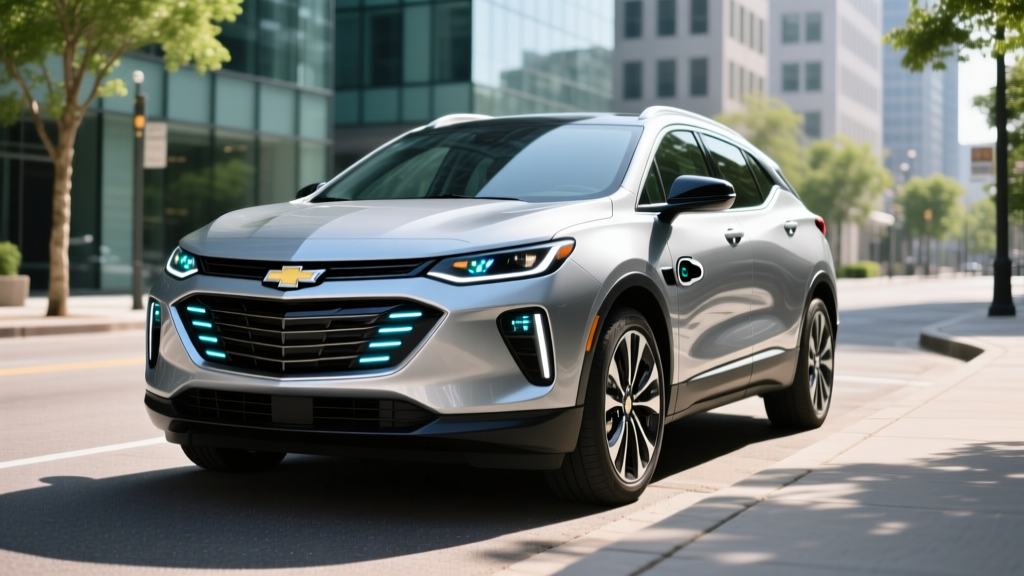
Chevrolet currently sells three battery-electric vehicles in the U.S.: the Equinox EV (compact SUV, starting ~$33,600, up to 319 miles EPA), the Blazer EV (midsize SUV, starting ~$44,600, up to 324 miles EPA), and the Silverado EV (full-size pickup, starting ~$57,900, up to 492 miles EPA on the 4WT fleet trim). All three ride on GM's Ultium platform with NMC lithium-ion batteries and support DC fast charging up to 190 kW (Equinox/Blazer) or 350 kW (Silverado). Federal §30D tax credit eligibility varies by trim, battery sourcing, and buyer income — always verify current rules at IRS.gov before purchasing.
The 2026 Chevy EV Lineup: Spec-by-Spec Breakdown
Chevrolet's electric portfolio targets three distinct buyer segments: affordable daily commuting (Equinox EV), sporty family hauling (Blazer EV), and work/towing duty (Silverado EV). Here's how they stack up on the numbers that matter.
| Spec | 2026 Equinox EV | 2026 Blazer EV | 2026 Silverado EV |
|---|---|---|---|
| Body Style | Compact SUV | Midsize SUV | Full-Size Pickup |
| Starting MSRP | $33,600 (LT) | $44,600 (LT) | $57,900 (4WT) |
| EPA Range (Max) | 319 mi (RS FWD) | 324 mi (RS AWD) | 492 mi (4WT) |
| Battery (Usable) | ~85 kWh, NMC | ~102 kWh, NMC | ~200 kWh, NMC |
| Peak DC Charge Rate | 190 kW | 190 kW | 350 kW |
| 10–80% DC Fast Charge | ~30 min | ~32 min | ~28 min |
| Level 2 Charge Rate | 11.5 kW | 11.5 kW | 19.2 kW |
| Horsepower | 213 hp (FWD) | 288 hp (AWD) | 510 hp (4WT) |
| 0–60 mph | ~8.0 sec | ~6.2 sec | ~4.5 sec |
| Max Towing | 1,500 lbs | 1,500 lbs | 12,500 lbs |
| Battery Warranty | 8 yr / 100,000 mi | 8 yr / 100,000 mi | 8 yr / 100,000 mi |
| Connector (2026) | NACS (native) | NACS (native) | NACS (native) |
Real-World Range Expectations
EPA stickers tell only part of the story. In highway driving at 70 mph, expect the Equinox EV RS FWD to deliver roughly 265–280 miles, the Blazer EV RS AWD around 270–285 miles, and the Silverado EV 4WT approximately 380–410 miles. In freezing temperatures (below 32°F), all three will lose 20–30% of rated range due to battery chemistry limitations and cabin heating demands — a 319-mile Equinox may drop to ~225–255 miles on a cold winter day. The Silverado's massive battery gives it the largest absolute buffer, but its aerodynamic drag penalizes highway efficiency more than the crossovers.
Charging at Home and on the Road
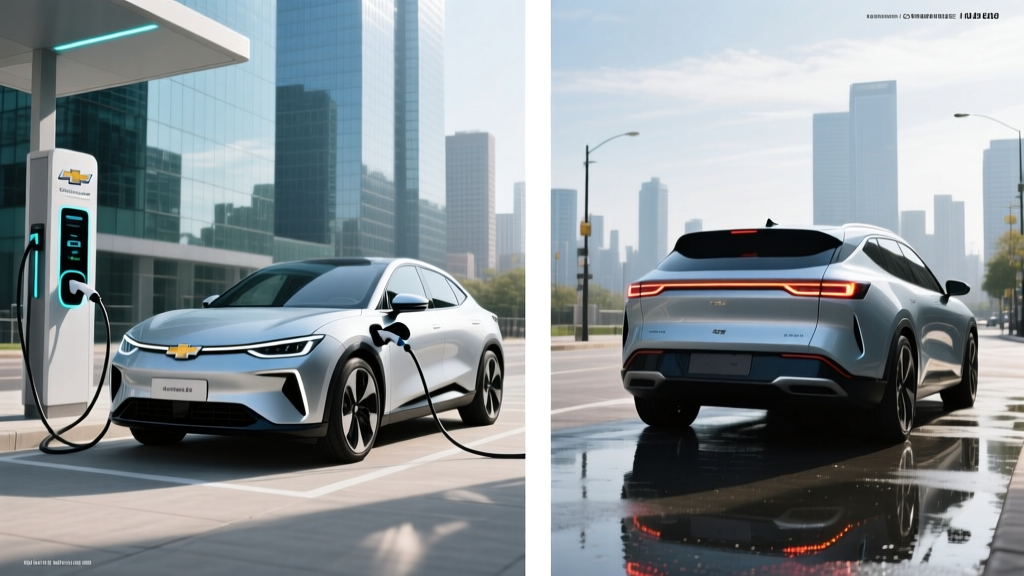
All 2026 Chevy EVs ship with a native NACS (North American Charging Standard) port, meaning direct access to Tesla's Supercharger network — over 20,000 stalls in North America — without an adapter. This is a significant practical advantage over older CCS-equipped vehicles that still require adapters for Supercharger access.
| Charging Level | Power | Equinox EV | Blazer EV | Silverado EV |
|---|---|---|---|---|
| Level 1 (120V outlet) | ~1.4 kW | ~3 mi/hr | ~4 mi/hr | ~5 mi/hr |
| Level 2 (240V home) | 11.5–19.2 kW | ~29 mi/hr | ~33 mi/hr | ~52 mi/hr |
| DC Fast Charge | 190–350 kW | ~140 mi in 15 min | ~150 mi in 15 min | ~200 mi in 15 min |
Home charging is the backbone of EV ownership. A Level 2 home charger (240V) will fully replenish the Equinox EV overnight in roughly 8–9 hours and the Blazer EV in about 10 hours. The Silverado EV's larger pack takes longer at 11.5 kW (~17 hours), but its optional 19.2 kW onboard charger cuts that to ~10 hours — worth the upgrade if you drive the truck daily.
Home installation costs vary widely. Expect to pay $500–$1,500 for a straightforward install (charger near the panel, no panel upgrade needed). If your home requires a 200-amp panel upgrade, add $1,500–$3,500. Always get a quote from a licensed electrician — permits and local code requirements differ by jurisdiction.
EV vs. Gas: What Do You Actually Save?
The strongest argument for an electric Chevy isn't performance — it's operating cost. Let's compare the Equinox EV against its gas-powered sibling, the 2026 Equinox 1.5T AWD (EPA combined 26 MPG), over five years and 75,000 miles.
| Cost Factor | Equinox EV (LT FWD) | Equinox Gas (1.5T AWD) |
|---|---|---|
| Base MSRP | $33,600 | $30,400 |
| Est. Federal Tax Credit (§30D) | $0–$7,500* | $0 |
| Effective Purchase Price | $26,100–$33,600 | $30,400 |
| Fuel/Energy (75k mi) | $2,400–$3,800** | $7,500–$8,200** |
| Maintenance (5 yr) | ~$1,200 | ~$3,500 |
| 5-Year Total (purchase + fuel + maint) | $29,700–$38,600 | $41,400–$42,100 |
*Federal tax credit eligibility depends on MSRP caps, buyer income limits, and battery component/critical mineral sourcing. Verify at IRS.gov and with your dealer. Point-of-sale transfer is available.
**Energy costs assume $0.14/kWh home charging and $3.50/gal gas. Public DC fast charging at $0.35–$0.50/kWh raises EV fuel costs substantially. Check fueleconomy.gov for personalized estimates.
The Equinox EV breaks even on purchase price if you qualify for the full $7,500 credit, then saves $3,000–$5,000 on fuel and maintenance over five years. Without the credit, the EV still wins on operating costs, but the payback period extends to 6–8 years depending on your electricity rates and annual mileage.
Federal Tax Credit: What You Actually Qualify For
The IRS §30D Clean Vehicle Credit offers up to $7,500, but it's not automatic. Here's the checklist for 2026:
- MSRP Cap: SUVs and pickups must have an MSRP ≤ $80,000; sedans ≤ $55,000. All current Chevy EV trims fall under their respective caps.
- Income Cap: Modified AGI must not exceed $150,000 (single), $225,000 (head of household), or $300,000 (joint filers).
- Battery Sourcing: The credit splits into two halves — $3,750 for battery components manufactured in North America and $3,750 for critical minerals sourced from the U.S. or free-trade-agreement partners. GM has been aggressively re-shoring its Ultium supply chain, but qualifying percentages shift quarterly.
- Point-of-Sale Transfer: You can transfer the credit to the dealer at purchase, reducing your out-of-pocket cost immediately rather than waiting for a tax refund.
- One Credit Per VIN: The vehicle must be new, purchased for personal use, and primarily driven in the U.S.
Consult a tax professional before relying on credit eligibility — battery sourcing requirements have changed multiple times since the Inflation Reduction Act passed, and your specific tax situation may affect qualification.
Common EV Myths — Fact-Checked for Chevy Buyers
| Myth | Fact |
|---|---|
| "EV batteries need replacing every 5 years." | GM warranties Ultium batteries for 8 years/100,000 miles against defects and excessive degradation (below 60% capacity). Real-world data from earlier Ultium vehicles shows most packs retain 88–92% capacity after 100,000 miles. |
| "You can't road-trip in an EV." | With NACS and Supercharger access, the Equinox EV adds ~140 miles in 15 minutes on a DC fast charger. A 600-mile trip requires 2–3 stops of 20–25 minutes each — manageable with planning via the myChevrolet app or PlugShare. |
| "EVs are worse in winter." | Range drops 20–30% in extreme cold — that's real. But preconditioning the battery while plugged in (a feature on all Chevy EVs) mitigates charging-speed loss, and regenerative braking performs well on icy roads. A heat pump (standard on 2026 Equinox/Blazer EV) reduces cabin-heating energy draw. |
| "Charging at home is expensive to install." | A basic Level 2 install runs $500–$1,500 if your panel has capacity. The fuel savings typically recoup this cost within 2–3 years versus gas. Many utilities offer rebates of $200–$500 for home charger installation. |
| "EVs are slow and boring to drive." | The Blazer EV SS delivers 615 hp and a 0–60 time under 4.0 seconds. Even the base Equinox EV's instant electric torque (236 lb-ft at 0 RPM) feels quicker off the line than its 26-MPG gas counterpart. |
Real-World Ownership: What First-Time Buyers Should Know
Beyond the spec sheet, here's what actually shapes the EV ownership experience:
Home charging access is the single biggest factor. If you can install a Level 2 charger at home (garage or driveway with 240V access), an EV is dramatically more convenient than gas — you start every morning with a "full tank." If you rely solely on public charging, expect higher per-mile costs ($0.35–$0.50/kWh at DC fast chargers vs. $0.10–$0.18/kWh at home) and time spent waiting. Apartment dwellers should check whether their building has or plans EV charging infrastructure before committing.
Insurance premiums are typically 15–25% higher for EVs due to higher repair costs and vehicle values. Get quotes before purchasing — the premium gap varies significantly by insurer and state. Some insurers now offer EV-specific discounts.
Tires wear faster on EVs. The instant torque and heavier curb weight (the Silverado EV weighs over 8,500 lbs) accelerate tire wear by roughly 15–25% compared to gas equivalents. Budget for tire replacement every 25,000–35,000 miles instead of the 40,000–50,000 miles typical for gas vehicles.
Depreciation is still a wildcard. Early EVs depreciated faster than gas cars, but the Equinox EV's aggressive pricing and broad appeal may hold value better. The Silverado EV's fleet-heavy sales mix could pressure resale values in the consumer market.
Decision Framework: Which Electric Chevy Is Right for You?
Choose the Equinox EV if:
- Your daily commute is under 60 miles round-trip
- You want the lowest purchase price in the Chevy EV lineup
- You prioritize home charging convenience and rarely tow
- You qualify for the federal tax credit, bringing the effective price below $27,000
Choose the Blazer EV if:
- You need more interior space and a sportier driving experience
- You want AWD standard and stronger acceleration (288 hp)
- You take occasional road trips and value the larger 102 kWh battery buffer
- Budget is less of a constraint and you're cross-shopping the Tesla Model Y or Hyundai Ioniq 5
Choose the Silverado EV if:
- You need truck utility: 12,500-lb towing, a 5-foot bed, and ProPilot-style hands-free driving on highways
- You want maximum range (492 mi EPA on 4WT) for long-haul work routes
- You need V2L (vehicle-to-load) capability to power tools or equipment at job sites
- You're replacing a gas Silverado and drive 20,000+ miles/year, where fuel savings are largest
Consider a PHEV or gas vehicle instead if:
- You have no reliable home or workplace charging access
- You regularly drive 400+ miles in a single day through rural areas with sparse charging infrastructure
- You live in an area with extreme cold (below -10°F regularly) and cannot garage the vehicle
- Your budget is under $30,000 and you don't qualify for the federal credit
Frequently Asked Questions
Does Chevrolet still make the Bolt EV or Bolt EUV?
No. The original Bolt EV and EUV were discontinued after the 2023 model year. Chevrolet has not announced a next-generation Bolt as of early 2026. The Equinox EV effectively replaces the Bolt as Chevy's entry-level electric offering, though at a higher starting price ($33,600 vs. the Bolt's ~$26,500).
Can I use Tesla Superchargers with a 2026 Chevy EV?
Yes. All 2026 Equinox, Blazer, and Silverado EVs come with a native NACS charge port, meaning you can plug directly into any Tesla Supercharger V3 or V4 stall without an adapter. This opens access to over 20,000 Supercharger locations across North America — currently the most reliable public fast-charging network.
How long does a Chevy Ultium battery last?
GM warranties the Ultium battery pack for 8 years or 100,000 miles against defects and capacity loss below 60% of original. NMC chemistry typically retains 85–92% capacity after 100,000 miles based on fleet data. To maximize longevity, avoid routinely charging to 100% or letting the battery sit below 10% for extended periods. For daily driving, an 80% charge limit is ideal.
What does it cost to charge a Chevy EV at home?
At the U.S. average residential rate of $0.16/kWh, fully charging the Equinox EV's ~85 kWh battery costs roughly $13.60. The Blazer EV's ~102 kWh pack costs about $16.30, and the Silverado EV's ~200 kWh pack costs around $32.00. Compare that to $55–$70 for a tank of gas in a comparable gas vehicle. Over 15,000 miles/year, home charging saves most owners $800–$1,500 annually versus gasoline.
Is the Chevy Silverado EV good for towing?
The Silverado EV 4WT is rated to tow up to 12,500 lbs — competitive with gas Silverado 1500 configurations. However, towing significantly reduces range: expect a 40–50% drop when hauling near max capacity at highway speeds. That 492-mile EPA range could shrink to 250–290 miles with a heavy trailer. Plan charging stops accordingly, and use the truck's built-in trailering apps to estimate range with your specific load.
Do electric Chevy cars qualify for the $7,500 federal tax credit?
Eligibility depends on the specific trim, your income, and the battery's component and critical-mineral sourcing for the model year. GM's Ultium battery supply chain has been progressively qualifying for more of the credit, but the exact amount can change quarterly. Check the latest eligibility list on fueleconomy.gov and confirm with your dealer before signing. Point-of-sale transfer is available, letting you apply the credit as a down-payment reduction at purchase.