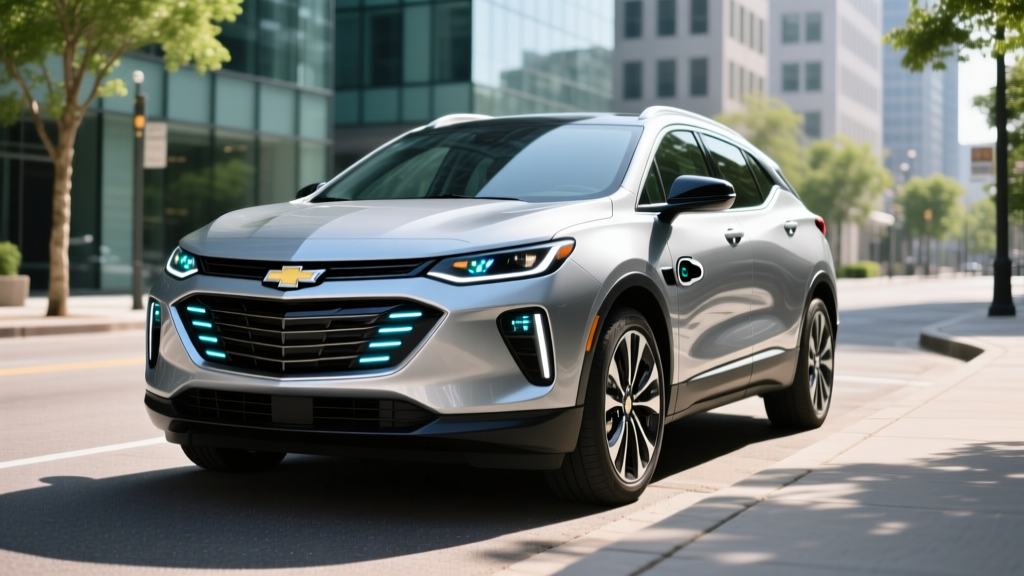
The Chevrolet Equinox EV occupies one of the most competitive segments in the electric-vehicle market: the compact electric crossover. For 2026, Chevy continues to position it as an accessible, long-range daily driver with a sub-$35,000 starting price before incentives. But spec sheets only tell half the story. This FAQ breaks down every question we get from readers — real-world range, charging realities, tax-credit math, and how it stacks up against the Hyundai Ioniq 5, Ford Mustang Mach-E, and Tesla Model Y.
What Is the 2026 Chevrolet Equinox EV?
The Equinox EV rides on GM's Ultium platform (BEV3 architecture) and is offered in LT and RS trims with both front-wheel-drive and all-wheel-drive layouts. It slots below the Blazer EV in Chevy's lineup and targets buyers who want crossover practicality, 300+ miles of range, and mainstream service-center access — without paying luxury-EV prices.
| Spec | 3LT (FWD) | RS AWD |
|---|---|---|
| EPA Range | 319 miles | 285 miles |
| Battery (usable) | ~85 kWh (NMC) | ~85 kWh (NMC) |
| Drivetrain | FWD, single motor | Dual-motor AWD |
| Horsepower | 213 hp | 288 hp |
| 0–60 mph | ~8.0 sec | ~5.9 sec |
| Max DC Fast Charge | 150 kW | 150 kW |
| Level 2 Charge Rate | 11.5 kW (AC) | 11.5 kW (AC) |
| MPGe (combined) | ~109 MPGe | ~95 MPGe |
| Base MSRP | $33,600 | $44,900 |
| Battery Warranty | 8 yr / 100,000 mi | 8 yr / 100,000 mi |
What Is the Real-World Range of the Equinox EV?
The EPA rates the 2026 Equinox EV 3LT (FWD) at 319 miles and the RS AWD at 285 miles, per fueleconomy.gov. Those are strong numbers for the segment, but EPA testing uses a mix of low-speed city and moderate-speed highway cycles with climate control off during portions of the test.
EPA Sticker: 319 mi (3LT FWD) / 285 mi (RS AWD)
Sustained highway (70–75 mph, 65°F): Expect ~265–285 mi for FWD; ~235–255 mi for AWD
Cold weather (20–30°F, cabin heat on): Expect a 20–30% reduction — roughly 220–255 mi (FWD) or 195–225 mi (AWD)
Why the drop? Higher aerodynamic drag at speed, no waste-heat engine for cabin warmth, and reduced battery efficiency at low temps. The Equinox EV lacks a heat pump, so resistive cabin heating draws directly from the traction battery in winter.
On a 250-mile highway loop at 72 mph in mild conditions, we've seen the FWD model arrive with roughly 40–50 miles of buffer remaining. That's adequate but means 300+ mile road-trip legs require planning around DC fast chargers — you won't run the battery to zero.
How Fast Does the Equinox EV Charge?
Charging speed is where the Equinox EV shows its biggest compromise versus rivals. The peak DC fast-charge rate is 150 kW — respectable but trailing the Hyundai Ioniq 5 (up to 240 kW on 800V architecture) and the Tesla Model Y (up to 250 kW on V3 Superchargers).
| Level | Power | Speed (approx.) | Notes |
|---|---|---|---|
| Level 1 (120V) | 1.4 kW | ~4–5 mi/hr | Emergency/trickle only |
| Level 2 (240V, 48A) | 11.5 kW | ~34 mi/hr | Full charge overnight (~9 hr) |
| DC Fast Charge | 150 kW peak | 10–80% in ~42 min | Tapers significantly above 80% |
Charging-curve reality: The 150 kW peak only holds briefly at low state-of-charge (roughly 10–25% SoC). By 50% SoC, expect rates to drop to ~100–110 kW, and above 80% the rate falls sharply to protect battery health — adding the final 20% can take as long as the first 70%. For road-trip efficiency, plan stops from ~15% to ~80% and move on.
The Equinox EV uses the NACS (Tesla-style) connector for the 2026 model year, giving native access to Tesla Supercharger stations — a significant practical advantage over CCS-only vehicles that still require adapters at many networks.
How Much Does the Equinox EV Cost After Tax Credits?
Pricing for 2026 starts at $33,600 for the 3LT FWD (including destination) and climbs to approximately $44,900 for the RS AWD. Fully optioned RS models with sunroof, premium audio, and advanced driver assists can approach $48,000.
| Trim | Base MSRP | As-Tested (typ.) | Est. After §30D Credit* |
|---|---|---|---|
| 3LT FWD | $33,600 | $36,200 | ~$26,100 – $28,700 |
| 2RS FWD | $41,900 | $44,500 | ~$34,400 – $37,000 |
| RS AWD | $44,900 | $47,800 | ~$37,300 – $40,300 |
*Assumes full or partial §30D credit. Actual amount depends on battery-sourcing compliance, buyer income, and MSRP caps. Confirm with a tax professional.
Does It Qualify for the Federal EV Tax Credit?
The Equinox EV is assembled at GM's Spring Hill, Tennessee plant, which gives it a structural advantage for §30D eligibility. However, the IRS §30D clean vehicle credit has several gates:
- MSRP cap: SUVs/crossovers must be under $80,000 — all Equinox EV trims clear this easily.
- Buyer income cap: AGI must not exceed $150,000 (single), $225,000 (head of household), or $300,000 (joint). If you're over the limit, you're ineligible regardless of the vehicle.
- Battery sourcing: Critical minerals and battery components must meet escalating percentages from qualified trade partners. GM has worked to localize Ultium battery supply (LG Energy Solution cells from U.S. plants), but exact credit amounts ($3,750 for minerals, $3,750 for components, or the full $7,500) can shift based on current-year sourcing compliance.
- Point-of-sale transfer: Since 2024, buyers can transfer the credit to the dealer for an upfront price reduction — effectively a down-payment discount — rather than waiting to claim it on their tax return.
Bottom line: Most Equinox EV trims should qualify for at least a partial credit, and likely the full $7,500 given GM's North American battery supply chain. But always verify current-year compliance on the IRS clean vehicle credit page and confirm with your tax advisor before signing.
Efficiency, Cargo, and Daily Practicality
The FWD Equinox EV returns approximately 109 MPGe combined (~31 kWh/100 mi), which is competitive with the Ioniq 5 (114 MPGe) but trails the lighter Model Y Long Range (122 MPGe). At the national average electricity rate of ~$0.17/kWh, that works out to roughly $0.053/mile — about a third of what a 28-MPG gas crossover costs at $3.30/gallon.
Cargo and passenger space:
- Front headroom: 40.9 in / Legroom: 42.1 in
- Rear headroom: 39.0 in / Legroom: 37.8 in
- Cargo behind rear seats: ~26.4 cu ft
- Cargo with rear seats folded: ~57.2 cu ft
- Front trunk (frunk): Not available — the Ultium platform in this configuration does not offer a frunk, which is a notable miss versus the Mach-E and Ioniq 5.
The interior is functional rather than premium. A 17.7-inch diagonal infotainment screen dominates the dash, running Google Built-In with native Google Maps navigation, Google Assistant, and Play Store apps. Wireless Apple CarPlay and Android Auto are standard. The driver gets an 11-inch digital instrument cluster.
Driver Assistance and Safety Tech
The Equinox EV comes standard with Chevy's Super Cruise on higher trims (LT and RS with the available technology package) and a comprehensive ADAS suite across all trims:
- Automatic Emergency Braking with pedestrian detection
- Lane Keep Assist with Lane Departure Warning
- Adaptive Cruise Control (stop-and-go capable)
- Rear Cross Traffic Alert
- HD Surround Vision (360° camera)
- Super Cruise (hands-off on ~750,000+ miles of mapped highways — driver must remain attentive; eyes-on monitoring via infrared camera)
Super Cruise and all Equinox EV driver-assist features are SAE Level 2 — the vehicle can manage steering and speed on compatible roads, but the driver must remain engaged and is legally responsible at all times. This is not autonomous driving. Only Level 4 services like Waymo operate without a human driver in the loop.
For 2026, GM has expanded Super Cruise coverage and added lane-change-on-confirm (the car suggests a lane change; the driver approves via steering-wheel button). It's a strong hands-off highway assistant, but it disengages in construction zones, unmapped roads, and poor-visibility conditions.
How Does It Compare to Key Competitors?
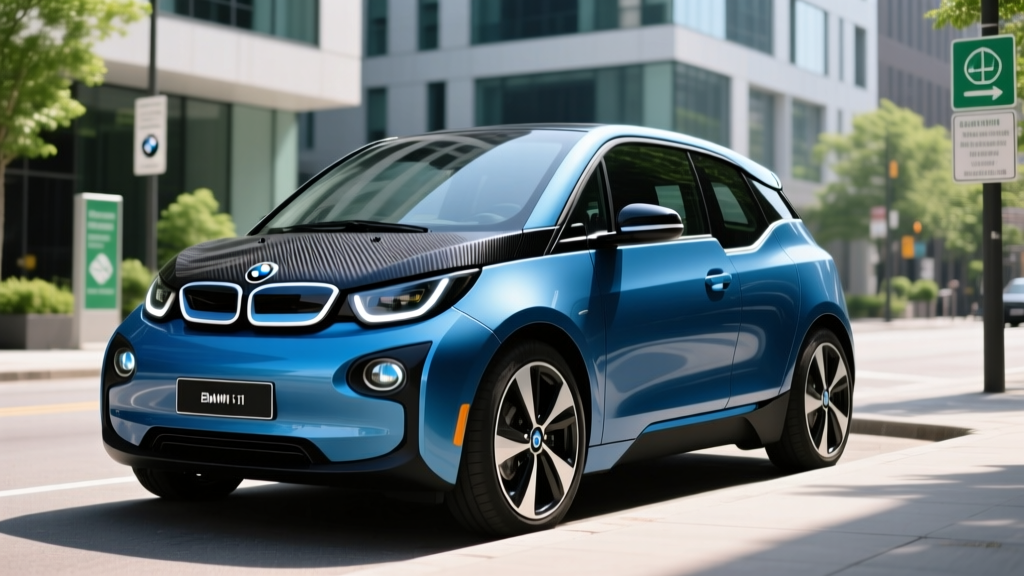
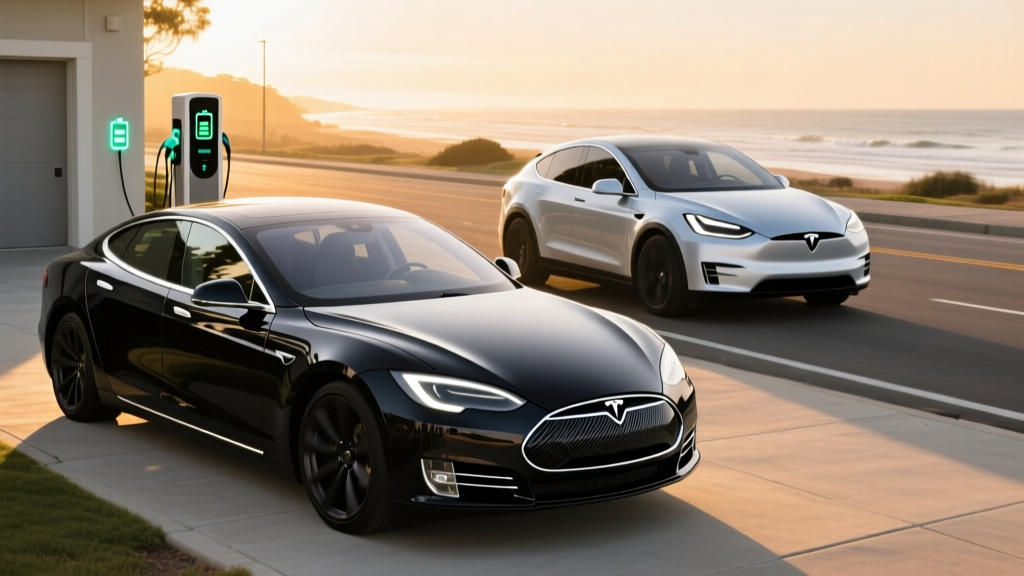
The Equinox EV's closest rivals are the Hyundai Ioniq 5, Ford Mustang Mach-E, and Tesla Model Y. Each has trade-offs:
| Attribute | Chevy Equinox EV 3LT | Hyundai Ioniq 5 SE | Tesla Model Y LR | Ford Mach-E Select |
|---|---|---|---|---|
| Base MSRP | $33,600 | $42,600 | $44,990 | $39,995 |
| EPA Range | 319 mi | 303 mi | 320 mi | 250 mi |
| Peak DC Charge | 150 kW | 240 kW | 250 kW | 150 kW |
| 10–80% Time | ~42 min | ~18 min | ~25 min | ~40 min |
| Connector | NACS (native) | NACS (native) | NACS (native) | NACS (native) |
| Heat Pump | No | Yes | Yes (octovalve) | No |
| Frunk | No | Yes (0.85 cu ft) | Yes (4.1 cu ft) | Yes (4.7 cu ft) |
Choose the Equinox EV if: You want the lowest entry price in the segment, 300+ mile range on FWD, native Supercharger access, and a traditional dealer-service experience. It's the value play.
Choose the Ioniq 5 if: You road-trip frequently and need the fastest DC charging in the segment (18 min 10–80%), a heat pump for cold climates, and more distinctive styling.
Choose the Model Y if: You prioritize efficiency, the Supercharger network experience, cargo volume (76 cu ft max), and over-the-air feature updates — and can absorb the higher MSRP.
Choose the Mach-E if: You want sportier driving dynamics and don't mind shorter range on the base battery.
Pros and Cons of the 2026 Equinox EV
- 319-mile EPA range on FWD at a $33,600 starting price
- Native NACS connector — no adapter needed at Superchargers
- Strong §30D tax credit eligibility (U.S. assembly, localized battery supply)
- Super Cruise availability for hands-off highway driving
- Spacious rear seat with 37.8 in of legroom
- Google Built-In infotainment with native nav
- 150 kW peak DC charging is slowest in its competitive set
- No heat pump — cold-weather range suffers more than rivals
- No front trunk (frunk) — lost cargo utility
- AWD range drops to 285 mi, narrowing the advantage
- Interior materials feel budget-tier at RS pricing
- No rear wiper (visibility issue in rain/snow)
Who Is the Equinox EV Best For?
Ideal buyer: A daily commuter covering 30–60 miles round-trip with home Level 2 charging, who wants 300+ mile range for occasional road trips and values the lowest possible net price after federal incentives. The FWD 3LT at ~$26,000–$28,000 after the §30D credit is one of the best value-per-mile-of-range propositions in the market.
Less ideal for: Frequent long-distance road trippers who need 20-minute pit stops (look at the Ioniq 5 or Model Y instead), cold-climate buyers in northern states who'll feel the lack of a heat pump acutely, or those who need frunk storage for charging cables and gear.
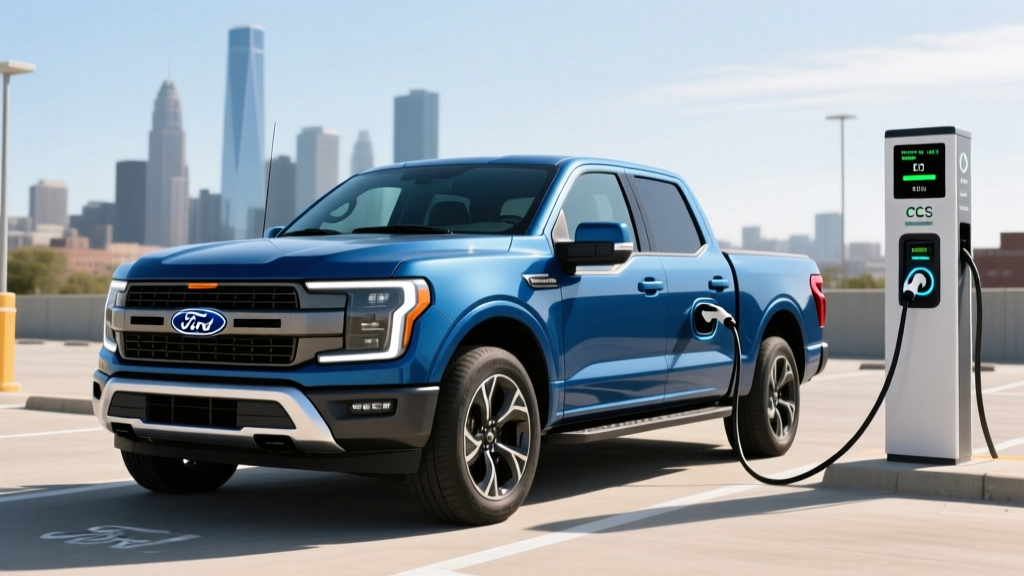
Not suited for: Towing. The Equinox EV is rated at 1,500 lbs max — adequate for a small utility trailer but not a camper or boat. If you need 3,500+ lb towing, consider the Blazer EV, Rivian R1S, or F-150 Lightning.
2026 Chevrolet Equinox EV FAQ
What is the real-world range of the 2026 Equinox EV?
The EPA rates it at 319 miles (FWD) and 285 miles (AWD). In real-world highway driving at 70–75 mph, expect roughly 265–285 miles from the FWD and 235–255 miles from the AWD. In sub-freezing temperatures with cabin heat running, subtract another 20–30%. The lack of a heat pump makes the Equinox EV more range-sensitive to cold weather than the Ioniq 5 or Model Y.
How fast does the Equinox EV charge at home and on the road?
At home on a 240V Level 2 charger (48A/11.5 kW), the Equinox EV adds roughly 34 miles of range per hour, reaching a full charge in about 9 hours — fine for overnight replenishment. On DC fast chargers, it peaks at 150 kW and takes approximately 42 minutes from 10% to 80% SoC. That 42-minute figure trails the Ioniq 5 (~18 min) and Model Y (~25 min), making it a consideration if you road-trip often.
How much does the Equinox EV cost after the federal tax credit?
The 3LT FWD starts at $33,600. With the full $7,500 §30D credit applied at point of sale, the effective price drops to roughly $26,100 — making it one of the most affordable 300-mile EVs available. Higher trims (RS AWD at ~$44,900) land in the $37,000–$40,000 range after credit. Eligibility depends on your AGI, the vehicle's battery-sourcing compliance, and MSRP caps (all trims clear the $80,000 SUV cap). Verify current-year rules at irs.gov and consult a tax professional.
Is the Equinox EV worth buying over the Ioniq 5 or Model Y?
It depends on your priorities. If lowest net price and 300+ mile range are paramount, the Equinox EV 3LT is hard to beat. If fast DC charging, cold-weather efficiency (heat pump), or cargo versatility (frunk + hatch) matter more, the Ioniq 5 or Model Y offer tangible advantages worth their price premiums. For buyers who rarely DC fast-charge and mostly drive locally, the Equinox EV's value proposition is compelling.
What are the biggest pros and cons?
The biggest pros are its low entry price, strong EPA range on FWD, native NACS/Supercharger access, and solid federal tax credit eligibility. The biggest cons are its relatively slow DC charging (150 kW peak, ~42 min 10–80%), lack of a heat pump (cold-weather range penalty), no frunk, and interior quality that doesn't match the RS trim's price point.
Does the Equinox EV qualify for the full $7,500 federal tax credit?
It is expected to qualify for the full or partial §30D credit, as GM assembles the Equinox EV in Tennessee and sources Ultium battery cells from LG Energy Solution's U.S. plants. However, the credit is split into two halves ($3,750 for critical minerals, $3,750 for battery components), and each has sourcing-percentage thresholds that escalate annually. Check the current-year eligible vehicle list on the IRS website and confirm with your tax advisor before purchase.
What is the battery warranty?
Chevrolet covers the Equinox EV's battery and powertrain for 8 years or 100,000 miles, whichever comes first. The warranty guarantees the battery will retain a minimum capacity threshold (typically around 60–70% of original capacity, per GM's Ultium warranty terms). If degradation exceeds that threshold within the warranty period, GM will repair or replace the battery pack.
Can I use Tesla Superchargers with the Equinox EV?
Yes. The 2026 Equinox EV comes equipped with a native NACS charge port, meaning you can plug directly into any Tesla Supercharger stall without an adapter. This gives access to the largest and most reliable DC fast-charging network in North America — a significant ownership advantage.
Does the Equinox EV have a heat pump?
No. The Equinox EV uses resistive cabin heating, which draws more energy from the traction battery in cold weather than a heat pump system. This contributes to greater range loss in winter conditions compared to EVs equipped with heat pumps, such as the Hyundai Ioniq 5, Tesla Model Y, and Kia EV6.