Quick Answer: Is the Dodge EV Discontinued?
No — the Dodge Charger Daytona EV is not discontinued as of early 2026. After months of conflicting reports, Stellantis confirmed in late 2024 that the battery-electric Charger Daytona (Scat Pack and R/T trims) would be produced alongside a gas-powered Charger variant. However, Dodge has scaled back its all-electric ambitions: the originally planned high-performance Banshee trim was dropped, and production volumes remain limited. If you're researching "Dodge EV discontinued" because you saw headlines about Stellantis pivoting away from EVs, the reality is more nuanced — the electric Daytona exists, but it's a niche product, not a mass-market rollout.
What Happened: The Dodge EV Timeline
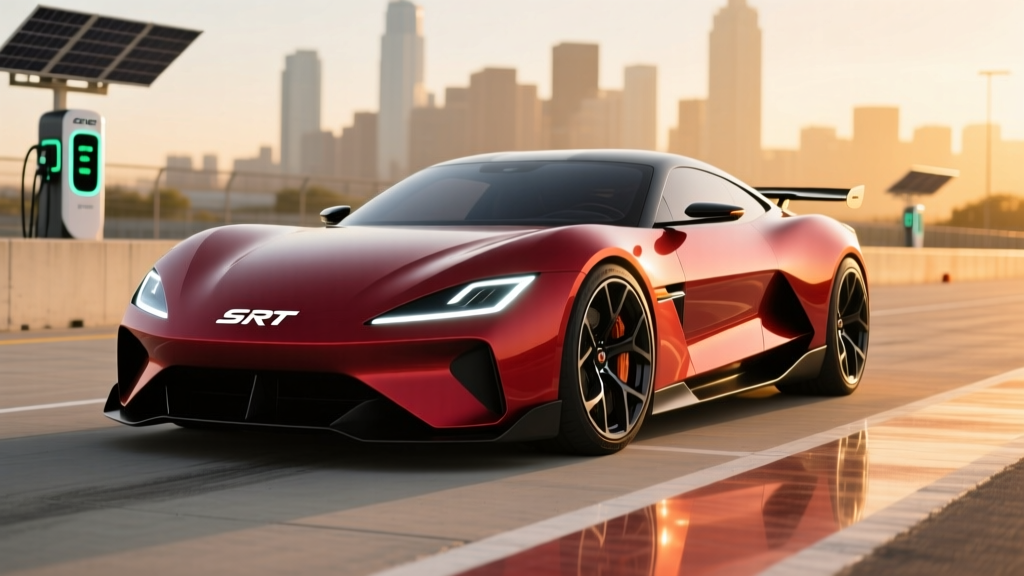
Dodge unveiled the Charger Daytona SRT Concept in August 2022 to massive enthusiast attention — a battery-electric muscle car promising 800-volt architecture, over 600 horsepower, and a "Fratzonic" exhaust note simulating a V8. By early 2024, Dodge confirmed production versions: the R/T (496 hp) and Scat Pack (670 hp), both riding on Stellantis' STLA Large platform with a 100.6 kWh (usable) battery pack.
Then came the headwinds. Stellantis CEO Carlos Tavares departed in late 2024, EV demand softened in the U.S., and the company announced a strategic pivot toward offering "powertrain choice" rather than forcing electrification. The Banshee — the range-topping 800+ hp variant — was quietly shelved. Some outlets reported the EV Charger was dead. It wasn't, but the confusion was understandable given the shifting messaging.
As of the 2026 model year, here's what you can actually order:
| Spec | Daytona R/T | Daytona Scat Pack |
|---|---|---|
| Base MSRP | $59,595 | $73,595 |
| Horsepower | 496 hp | 670 hp |
| 0–60 mph | 4.7 sec | 3.3 sec |
| Battery (usable) | 100.6 kWh (NMC) | 100.6 kWh (NMC) |
| EPA Range | 317 mi | 260 mi |
| Max DC Fast Charge | ~175 kW peak | ~175 kW peak |
| 10–80% DC Charge | ~27 min | ~27 min |
| Level 2 Charge Rate | 11 kW | 11 kW |
| Drivetrain | AWD (dual motor) | AWD (dual motor) |
| Battery Warranty | 8 yr / 100,000 mi | 8 yr / 100,000 mi |
| Federal Tax Credit (§30D) | Likely ineligible* | Likely ineligible* |
*The Charger Daytona's battery sourcing and Stellantis' supply chain make §30D eligibility uncertain. Check the IRS eligible vehicles list before assuming credit availability. MSRP also exceeds the $55,000 sedan cap if classified as a sedan, though coupe classification may apply.
Real-World Range vs. EPA Sticker
R/T EPA: 317 miles | Scat Pack EPA: 260 miles
Expect real-world highway driving at 70+ mph to reduce range by roughly 10–15%, putting the R/T closer to 270–285 miles and the Scat Pack around 220–235 miles. In cold weather (below 30°F), NMC chemistry without a dedicated heat pump can lose an additional 15–25%, meaning the Scat Pack could see under 200 miles on a winter road trip. The R/T's lower power tune gives it a meaningful efficiency advantage — if range matters, the R/T is the pragmatic pick.
Dodge Daytona EV vs. Gas Charger: Cost and Performance Compared
The elephant in the room: Dodge is also selling a gas-powered 2026 Charger with a twin-turbo inline-six (the "Hurricane" engine). Here's how the electric and gas variants stack up for a buyer weighing options.
| Metric | Daytona R/T (EV) | Charger R/T (Gas I6 Turbo) |
|---|---|---|
| Base MSRP | $59,595 | ~$52,000 (est.) |
| Horsepower | 496 hp | 420 hp |
| 0–60 mph | 4.7 sec | ~5.0 sec (est.) |
| Fuel/Energy Cost per Mile | $0.04–$0.06 (home L2) | $0.14–$0.18 (gasoline) |
| Annual Fuel/Energy (12k mi) | $480–$720 | $1,680–$2,160 |
| Maintenance (annual avg) | ~$300 | ~$700–$900 |
| EPA Range / Tank Range | 317 mi | ~380–420 mi |
| Refuel/Recharge Time | 27 min (10–80% DC) | 5 min (gas station) |
| Federal Tax Credit | Likely ineligible | N/A |
The cost math: At 12,000 miles per year, the EV Daytona saves roughly $1,200–$1,500 annually on energy and maintenance versus the gas Charger. Over a 5-year ownership period, that's $6,000–$7,500 in savings — enough to offset most of the EV's higher sticker price. But if you lack home charging or regularly drive 400+ mile road trips through charging-desert regions (rural Midwest, parts of the Mountain West), the gas Charger's 5-minute refuel and 400-mile tank range become significant advantages.
Real Costs of Owning the Dodge Charger Daytona EV
Let's break down the actual financial picture over five years and 60,000 miles.
| Cost Category | Daytona R/T (EV) | Charger R/T (Gas) |
|---|---|---|
| Purchase Price (MSRP) | $59,595 | $52,000 |
| Federal Tax Credit | $0 (likely ineligible) | $0 |
| Home Charger Install (L2) | $800–$2,000 | $0 |
| Energy/Fuel (5 yr, 60k mi) | $2,400–$3,600 | $8,400–$10,800 |
| Maintenance (5 yr) | $1,500 | $3,500–$4,500 |
| Insurance (5 yr avg) | $9,000–$11,000 | $7,000–$9,000 |
| Estimated Depreciation (5 yr) | $24,000–$28,000 | $18,000–$22,000 |
| Total 5-Year Cost | $97,295–$105,695 | $88,900–$98,300 |
Key takeaways from this breakdown:
- Insurance runs higher on the EV — performance EVs carry premium surcharges from most carriers. Get quotes before committing.
- Depreciation is the wild card. As a low-volume, niche EV from a brand in transition, the Daytona's resale value is unpredictable. Gas Chargers historically hold value well with enthusiasts.
- Energy savings are real but not transformative at this price point. You're saving $6,000–$7,200 on fuel and maintenance over five years, but paying more upfront, more for insurance, and potentially losing more to depreciation.
Charging the Daytona: Home Setup and Road-Trip Reality
The Daytona uses the CCS1 connector for DC fast charging (Stellantis has not adopted NACS for this platform as of 2026). With a peak rate of roughly 175 kW, it's competent but not class-leading — the Hyundai Ioniq 5 peaks at 240 kW, and the Tesla Model S at 250 kW.
Home Charging (Level 2)
At 11 kW AC, the Daytona adds roughly 30–35 miles of range per hour of charging. A full 0–100% charge on a 48-amp Level 2 home charger takes about 10 hours — fine for overnight replenishment. If your home has a standard 200-amp electrical panel, adding a 48-amp L2 charger (requiring a 60-amp circuit) typically costs $800–$2,000 for equipment and electrician labor, per U.S. Department of Energy guidance. Older homes with 100-amp panels may need a $2,000–$4,000 panel upgrade.
Public DC Fast Charging
On road trips, the 27-minute 10–80% time is acceptable but requires planning. Real-world charging curves matter: the Daytona peaks near 175 kW only between roughly 10–40% State of Charge (SoC), then tapers significantly. Your average power over a full 10–80% session is closer to 110–120 kW. On Electrify America or EVgo networks, budget 30–35 minutes per stop including plug-in and checkout.
If you live in an apartment without charging access, or if your region has sparse DC fast-charging infrastructure, the Daytona EV becomes a much harder proposition. This isn't a dealbreaker everywhere — metro areas with dense charging networks work fine — but it's a real constraint for rural buyers.
Common Misconceptions About the Dodge EV
| Myth | Fact |
|---|---|
| "The Dodge EV was fully discontinued." | The Charger Daytona EV is in production for 2026, though with reduced trim options (no Banshee). Stellantis scaled back, not canceled. |
| "It qualifies for the $7,500 federal tax credit." | As of 2026, the Daytona is likely ineligible due to battery sourcing requirements under §30D. Always verify on the IRS eligible models list before purchasing. |
| "The Fratzonic exhaust makes it sound like a V8." | The Fratzonic chambered exhaust produces a synthetic low-frequency rumble through external speakers. It's distinctive but not a convincing V8 replica — think of it as EV-specific character, not a mimicry. |
| "317 miles of range means 317 miles of real driving." | EPA range is a lab estimate. Highway driving at 75 mph in 40°F weather with HVAC running will yield closer to 220–250 miles in the R/T. Plan road trips around 200-mile legs for safety margin. |
| "EVs don't need maintenance." | EVs need less maintenance (no oil, no spark plugs), but tires wear 15–20% faster due to instant torque and heavier weight. Budget for tire replacement every 25,000–35,000 miles on a performance EV like the Daytona. |
Who Should Buy the Dodge Charger Daytona EV — and Who Shouldn't
Actionable Decision Framework
Buy the Daytona EV if:
- You have reliable Level 2 home charging (garage or driveway with 240V access)
- Your daily driving is under 80 miles round-trip, with occasional road trips under 300 miles
- You want instant torque and sub-4-second 0–60 performance without visiting a gas station
- You're a Mopar enthusiast who wants to be early on Dodge's electric transition
- You accept higher insurance premiums and uncertain resale value as the cost of being early
Buy the gas Charger (or wait) if:
- You live in an apartment or lack home charging access
- You regularly drive 400+ mile trips through areas with sparse charging (rural routes, Mountain West)
- You experience winters below 20°F and need reliable range without 20%+ cold-weather loss
- Resale value and total cost of ownership are top priorities — the gas Charger is the safer financial bet for now
- You want the Banshee-level performance that was promised but never delivered — the 670 hp Scat Pack is fast, but it's not the 800+ hp flagship Dodge originally teased
Consider a different EV entirely if:
- Charging speed matters to you — the Hyundai Ioniq 5 N (240 kW peak, NACS adapter available) charges significantly faster and starts at ~$67,500
- You want a proven EV platform with established charging infrastructure — Tesla Model 3 Performance ($54,990, 315 mi range, Supercharger access) is a more pragmatic performance EV
- Tax credit eligibility is essential to your budget — several competitors (Ford Mustang Mach-E, select Tesla models) may qualify for partial or full §30D credits depending on sourcing and your income
What This Means for Dodge's Electric Future
The Charger Daytona's uncertain rollout reflects a broader Stellantis strategy shift. The company has signaled it will offer electrified options where demand exists but won't force a transition. For Dodge specifically, the brand's core audience — performance enthusiasts who value sound, mechanical engagement, and heritage — is among the most EV-skeptical segments in the market.
Dodge's approach of offering both electric and gas Chargers simultaneously is a pragmatic hedge, but it creates buyer confusion (hence searches like "Dodge EV discontinued"). The practical reality: the Daytona EV is a real, orderable car for 2026, but it's a low-volume halo product, not a mainstream offering. Dealer allocation is limited, and you may face markups or extended wait times depending on your market.
If you're committed to an electric muscle car, the Daytona Scat Pack delivers genuine performance (3.3 seconds to 60 mph is supercar territory). If you're open to alternatives, the broader performance-EV market offers faster charging, better range efficiency, and more established ownership ecosystems.
Frequently Asked Questions
Can I still order a 2026 Dodge Charger Daytona EV?
Yes. Both the R/T ($59,595) and Scat Pack ($73,595) trims are available for the 2026 model year. However, production volumes are limited compared to the gas Charger, and dealer availability varies significantly by region. Contact a Dodge dealer directly for allocation status rather than relying on online inventory searches.
Why did I read that the Dodge EV was canceled?
In late 2024 and early 2025, Stellantis made several announcements about delaying EV investments and shifting toward powertrain flexibility. The Banshee trim was confirmed canceled, and some media outlets interpreted the broader strategic shift as a full cancellation. The R/T and Scat Pack EV trims survived, but the confusion generated ongoing search interest in "Dodge EV discontinued."
Does the Charger Daytona use Tesla's NACS connector?
No. The 2026 Daytona uses CCS1 for DC fast charging and J1772 for Level 2 AC charging. Stellantis has not adopted the North American Charging Standard (NACS) for the STLA Large platform. This means no direct Tesla Supercharger access without a third-party adapter, and you'll rely on Electrify America, EVgo, and other CCS networks for road-trip charging.
How much does it cost to charge the Daytona at home vs. public chargers?
At the U.S. average residential electricity rate of ~$0.16/kWh, fully charging the 100.6 kWh battery at home costs roughly $16. Public DC fast charging averages $0.35–$0.50/kWh depending on the network and time of day, putting a 10–80% session (about 70 kWh) at $24–$35. For daily driving, home charging is dramatically cheaper — public DC charging should be reserved for road trips.
Is the Daytona's battery covered under warranty?
Yes. Stellantis provides an 8-year/100,000-mile battery warranty, consistent with industry standards. The warranty typically covers capacity loss below 70% of original capacity, though exact terms should be confirmed in your purchase agreement. NMC chemistry in the Daytona should see roughly 10–15% degradation over 100,000 miles under normal use, based on comparable Stellantis EV data.