Quick Verdict: Who Should Buy the Dacia Spring Electric?
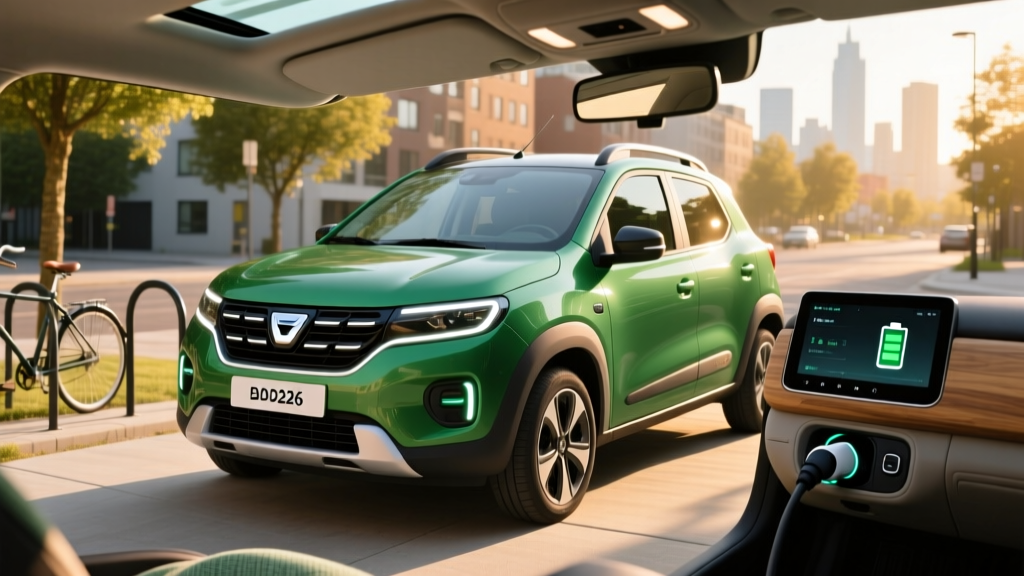
The Dacia Spring Electric is Europe's most affordable new EV, starting around €16,900 (~$18,200 USD) in its 2026 facelift form. With a 26.8 kWh LFP battery delivering a WLTP-rated 140 miles (225 km), a 45 kW (65 hp) motor, and DC fast charging up to 30 kW, the Spring is purpose-built for urban commuting. It is not a highway cruiser or family hauler. If your daily round trip is under 60 miles, you have reliable home charging access, and you prioritize low running costs over performance, the Spring makes a compelling case. If you need motorway range, cold-weather reliability, or more than 4 seats, look elsewhere.
Note: The Dacia Spring is sold exclusively in European and select international markets. It is not available in the United States. Pricing and incentives referenced here reflect European markets as of early 2026.
Range, Battery, and Efficiency: The Numbers That Matter
The 2026 Dacia Spring Electric carries a 26.8 kWh usable lithium iron phosphate (LFP) battery. LFP chemistry is a deliberate choice here: it offers longer cycle life (typically 2,000+ full cycles before significant degradation), better thermal stability, and no cobalt — but at the cost of lower energy density and reduced cold-weather performance compared to NMC cells.
| Spec | Value |
|---|---|
| Battery (usable) | 26.8 kWh, LFP chemistry |
| WLTP Range | 140 mi / 225 km |
| Real-World Range (city, mild weather) | 115–130 mi |
| Real-World Range (highway, 70 mph) | 85–95 mi |
| Real-World Range (cold weather, 32°F/0°C) | 75–90 mi |
| Motor Output | 45 kW / 65 hp, 114 Nm torque |
| 0–62 mph (0–100 km/h) | 19.9 seconds |
| Top Speed | 78 mph (125 km/h) |
| WLTP Efficiency | 119 Wh/km (~19.2 kWh/100 km) |
| DC Fast Charge (peak) | 30 kW |
| 10–80% DC Charge Time | ~45 minutes |
| AC Level 2 Charge (7.4 kW) | ~4 hours (0–100%) |
| AC Level 1 / Standard Outlet (2.3 kW) | ~11 hours (0–100%) |
| Connector | Type 2 (AC), CCS2 (DC) |
| Seats | 4 |
| Cargo Volume | 10.6 cu ft (300 L) rear seats up |
| Base MSRP (Europe) | ~€16,900 (~$18,200) |
| Battery Warranty | 8 years / 100,000 km, ≥70% capacity |
Real-World Range Reality Check
The WLTP sticker says 140 miles, but WLTP tends to be optimistic for real-world driving. In mild city conditions (30–40 mph, regenerative braking active), expect 115–130 miles. At sustained highway speeds of 70 mph, aerodynamic drag on the tall, narrow body cuts range to 85–95 miles. In freezing winter conditions, LFP cells lose roughly 30–40% of their usable capacity without a heat pump (the Spring uses a resistive heater), dropping effective range to 75–90 miles. Plan your commute around these numbers, not the sticker.
Charging Speed: What 30 kW DC Means in Practice
The Spring's 30 kW peak DC fast-charge rate is modest by 2026 standards — for context, a Hyundai Ioniq 5 peaks at 240 kW and a Tesla Model Y at 250 kW. But for a 26.8 kWh battery, the math works differently. At 30 kW sustained, you're adding roughly 0.5 kWh per minute, or about 2.5 miles of range per minute at the peak.
| Level | Power | Time (10–80%) | Miles Added/Hour |
|---|---|---|---|
| Level 1 (Standard Outlet) | 2.3 kW | N/A (~11h full) | ~8 mi/hr |
| Level 2 (Wallbox / Public AC) | 7.4 kW | ~3.5 hours | ~28 mi/hr |
| DC Fast Charge | 30 kW (peak) | ~45 min | ~90 mi/hr (peak) |
The 45-minute 10–80% DC time is acceptable for occasional top-ups but makes the Spring impractical for road trips. A 200-mile drive would require at least one lengthy stop — and at 30 kW, you'll be watching the clock. The charge curve also tapers noticeably above 60% SoC, meaning the last 20% takes disproportionately longer.
For daily use, the 7.4 kW AC onboard charger is the sweet spot: plug in at home overnight and you'll wake up to a full battery every morning. Most European homes with a standard 16A circuit can support this without a panel upgrade.
EV vs Gas: Dacia Spring Compared to a Dacia Sandero
The most direct comparison is Dacia's own Sandero, Europe's perennial best-selling budget gas car. Here's how the economics stack up over a typical 5-year / 60,000-mile ownership period:
| Cost Category | Spring Electric | Sandero 1.0 TCe (Gas) |
|---|---|---|
| Purchase Price (base) | €16,900 | €12,500 |
| Estimated Government Incentive (France bonus écologique) | –€4,000 | €0 |
| Effective Purchase Price | €12,900 | €12,500 |
| Fuel/Energy (60,000 mi) | €2,400 (€0.18/kWh avg, home) | €6,600 (€1.75/L avg, 42 mpg) |
| Maintenance (5 years) | €600 | €2,200 |
| Insurance (5 years, avg) | €3,500 | €3,000 |
| Total 5-Year Cost | €19,400 | €24,300 |
The Spring's €4,400 purchase premium (after incentive) is recovered within roughly 3 years through fuel and maintenance savings. Over 5 years, the Spring saves approximately €4,900. The gap widens further if you charge primarily on cheap overnight home tariffs (as low as €0.08/kWh in some markets) or if gas prices spike.
Key caveats: EV insurance premiums in Europe run 10–20% higher than equivalent gas cars due to repair costs and battery replacement risk. Incentive amounts vary by country — France's bonus écologique is €4,000 for vehicles under €47,000, while Germany's Umweltbonus was restructured in 2024 and offers reduced support. Check your local authority for current eligibility.
Real Ownership Considerations: What First-Time Buyers Must Know
Home Charging Is Nearly Essential
The Spring's 26.8 kWh battery is small enough that even a standard household outlet (2.3 kW) can fully recharge it in about 11 hours. However, relying exclusively on public charging at €0.40–0.60/kWh erases most of the cost advantage over gas. If you live in an apartment without dedicated parking or charging access, the Spring's economics weaken considerably. A basic 7.4 kW home wallbox installation in Europe typically costs €800–1,500 including equipment and electrician labor.
Cold Climate Is the Spring's Achilles Heel
LFP batteries suffer more capacity loss in cold weather than NMC cells, and the Spring uses a resistive cabin heater rather than a heat pump (which draws 2–3× less energy). In Scandinavian or alpine winters, expect 30–40% range reduction — that 140-mile WLTP figure becomes roughly 75–90 miles of real range. If your commute is 40+ miles each way in a cold climate, the Spring is a risky choice.
It's a City Car, Not a Motorway Car
With 65 hp and a 78 mph top speed, the Spring is content in urban traffic but strained on highways. Overtaking at speed requires planning, and the tall, narrow body generates noticeable crosswind sensitivity. The 85–95 mile highway range also limits intercity trips to under 80 miles one-way without charging. According to Euro NCAP, the Spring received a 1-star safety rating in its pre-facelift form — while the 2026 version includes updated ADAS features (autonomous emergency braking, lane-keeping assist), it remains a budget vehicle with fundamental structural limitations.
Common Misconceptions: Myth vs. Fact
| Myth | Fact |
|---|---|
| "The battery will need replacing in 5 years." | LFP cells are rated for 2,000+ full cycles. At 140 miles per cycle, that's 280,000+ miles before reaching 80% capacity. Dacia warrants the battery for 8 years/100,000 km at ≥70% capacity. |
| "Charging takes too long." | Overnight home charging at 7.4 kW fully replenishes the small battery in ~4 hours. You'll rarely need DC fast charging for daily use. |
| "It qualifies for the US $7,500 tax credit." | The Dacia Spring is not sold in the United States. US federal §30D credits apply only to vehicles purchased for use in the US, meeting IRS battery-sourcing and MSRP requirements per irs.gov. |
| "Cheap EVs are unsafe." | The 2026 Spring includes AEB, lane-keep assist, and updated structural reinforcements. However, it still sits on a budget platform — check the latest Euro NCAP scores before purchasing. |
| "EVs cost more to insure." | Generally true: European EV insurance runs 10–20% higher due to specialized repair requirements and battery replacement costs. Shop quotes before buying. |
Decision Framework: Is the Dacia Spring Electric Right for You?
Choose the Dacia Spring Electric IF:
- Your daily round-trip commute is under 60 miles, primarily on city/suburban roads
- You have access to home or workplace charging (even a standard outlet works overnight)
- You live in a mild climate where winter temperatures rarely drop below freezing
- You want the lowest possible running costs and qualify for local EV incentives
- This is a second car or dedicated city runabout, not your only vehicle
- You prioritize low purchase price over performance, range, or premium features
Look at Alternatives IF:
- Your commute exceeds 80 miles round-trip or includes sustained highway driving
- You regularly drive in sub-freezing temperatures (consider an EV with a heat pump and NMC battery)
- You need 5 seats, substantial cargo space, or towing capability
- You lack home charging access and would rely on public infrastructure
- You want DC fast charging under 25 minutes for road-trip flexibility (look at the MG4, BYD Dolphin, or Renault 5 E-Tech instead)
- Safety ratings are a top priority — explore the Volkswagen ID.3 or Cupra Born for higher Euro NCAP scores
2026 Dacia Spring Trim Levels and Pricing
The 2026 Spring is offered in two primary trims across most European markets:
- Essential (~€16,900): 45 kW motor, 26.8 kWh battery, manual AC, 7-inch infotainment screen with smartphone mirroring, rear parking sensors, AEB, lane-keep assist. Steel wheels with hubcaps.
- Extreme (~€19,400): Adds copper exterior accents, roof rails, heated front seats, 8-inch touchscreen with built-in navigation, rear parking camera, copper interior trim. Same powertrain and battery.
The Extreme trim's heated seats are a worthwhile upgrade for colder climates, but note that using seat heaters plus cabin heating further reduces range. A heat pump remains unavailable on any trim — a notable omission even at this price point.
Frequently Asked Questions
Can I take the Dacia Spring on a road trip?
You can, but it's not ideal. With 85–95 miles of real highway range and 45-minute DC fast-charge stops, a 200-mile trip becomes a 3.5-hour affair including one charging stop. The 78 mph top speed also means longer travel times. The Spring is best suited as a city and suburban vehicle.
How long will the LFP battery last?
LFP chemistry is among the most durable lithium-ion chemistries available, typically sustaining 2,000–3,000 full charge cycles before degrading to 80% capacity. For the Spring's 140-mile range, that translates to 280,000–420,000 miles of total battery life. Dacia's warranty covers 8 years or 100,000 km with a 70% capacity retention guarantee. In practice, most owners will sell the car long before the battery needs replacement.
Does the Dacia Spring qualify for any tax credits or incentives?
In Europe, incentives vary by country. France offers a bonus écologique of up to €4,000 for qualifying EVs (income-dependent). Italy, Spain, and other EU nations have varying scrappage and purchase incentive programs. The Spring is not available in the US and therefore does not qualify for the US federal §30D clean vehicle credit. Always verify current incentive rules with your national transport or tax authority before purchasing.
Is the Dacia Spring Electric safe?
The pre-facelift Spring (2021–2024) received a 1-star Euro NCAP rating, primarily due to limited active safety technology and modest crash protection. The 2026 facelift adds standard AEB and lane-keeping assist, but the underlying platform remains budget-oriented. Check the latest Euro NCAP test results for the updated model before making a safety-sensitive purchase decision.
How does the Spring compare to the Citroën ë-C3 or Renault 5 E-Tech?
The Citroën ë-C3 (~€23,300, 199-mile WLTP range, 100 kW DC charging) offers significantly more range, faster charging, and a more refined ride — but costs roughly €6,400 more. The Renault 5 E-Tech (~€25,000, up to 249-mile WLTP range, 80–100 kW DC) is a generation ahead in technology and performance. The Spring wins on pure purchase price; its rivals win on capability. Your choice depends on budget versus daily driving needs.
What's the cheapest way to charge the Spring at home?
A standard 2.3 kW household outlet costs nothing to set up and fully charges the 26.8 kWh battery in about 11 hours — perfectly adequate if you plug in every evening. For faster turnaround, a 7.4 kW wallbox (€800–1,500 installed) cuts that to ~4 hours. If your electricity provider offers time-of-use tariffs, scheduling charges during off-peak hours (typically 11 PM – 6 AM) can reduce per-kWh costs to €0.08–0.12, making a full charge cost just €2.15–€3.20.
Sources: Dacia official specifications (dacia.com), Euro NCAP safety ratings, IRS §30D Clean Vehicle Credit guidelines. European pricing and incentive figures reflect early 2026 data and are subject to change by market. Always confirm with your local dealer and tax authority.