Quick Answer: Is the Chrysler Airflow EV Available?
No. The Chrysler Airflow EV, first shown as a concept in 2022, was effectively cancelled when Stellantis pivoted its electrification strategy. As of 2026, Chrysler sells no battery-electric vehicles in the United States. The brand's first production EV is now expected no earlier than the 2027 model year. If you were considering the Airflow, the closest alternatives in the midsize electric SUV segment include the Hyundai Ioniq 5, Ford Mustang Mach-E, and Volkswagen ID.4 — all available now with EPA ranges between 250 and 310 miles and pricing from roughly $38,000 to $55,000 before incentives.
The Chrysler Airflow EV Story: From Concept to Cancellation
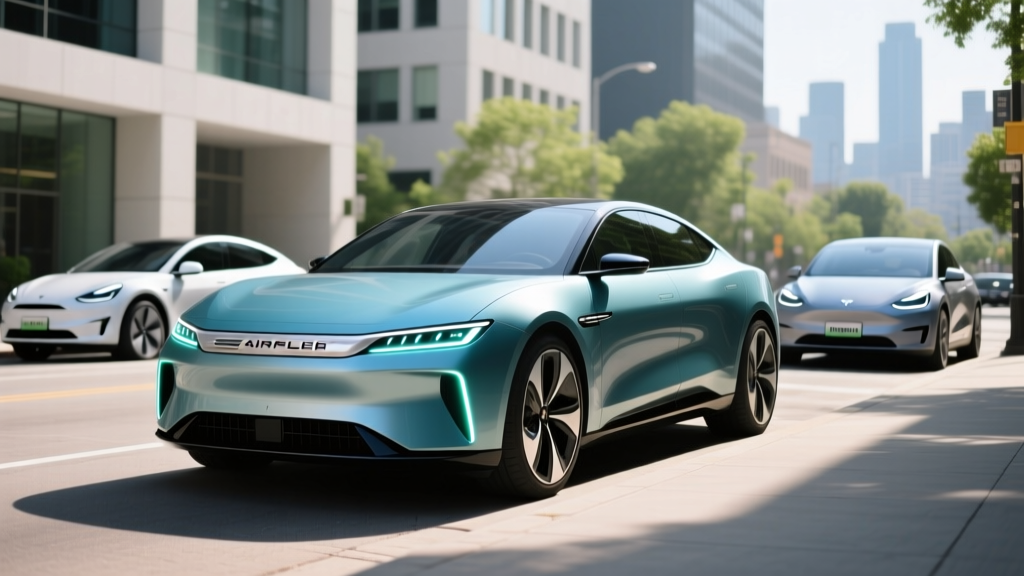
Chrysler unveiled the Airflow concept at CES in January 2022 as a preview of the brand's electric future — a sleek, midsize crossover riding on Stellantis's STLA Large platform with dual motors, all-wheel drive, and a projected range of up to 400 miles. At the time, Stellantis executives described it as a near-production design that would reach dealerships by 2025.
That timeline never materialized. By mid-2023, reports indicated Stellantis had deprioritized the Airflow in favor of other EV projects across its brand portfolio, including the Jeep Wagoneer S and Dodge Charger Daytona EV. Chrysler's limited dealership footprint and low brand volume made a standalone EV launch financially risky. The company shifted focus to developing a new EV on the STLA Medium platform, with a production timeline pushed to late 2026 or 2027.
The result: shoppers who were excited about the Airflow's promised blend of mainstream pricing, comfortable ride quality, and Chrysler's heritage of family-oriented design need to look elsewhere today.
What the Airflow Would Have Offered (Projected Specs)
Because the Airflow never reached production, official EPA figures do not exist. However, based on concept disclosures and STLA Large platform capabilities, here's what was projected:
| Attribute | Airflow Concept (Projected) | 2026 Hyundai Ioniq 5 (Actual) | 2026 Ford Mustang Mach-E (Actual) |
|---|---|---|---|
| EPA Range | ~350–400 mi (est.) | 310 mi (Long Range AWD) | 320 mi (Extended Range RWD) |
| Battery Capacity | ~100 kWh (est.) | 84 kWh usable (NMC) | 91 kWh usable (NMC) |
| DC Fast Charge Peak | ~150–200 kW (est.) | 240 kW | 150 kW |
| 10–80% Charge Time | ~30 min (est.) | ~18 min | ~35 min |
| Horsepower | ~400 hp (dual motor) | 320 hp (AWD) | 290 hp (ER AWD) |
| 0–60 mph | ~5.0 sec (est.) | 4.5 sec (AWD) | 5.1 sec (ER AWD) |
| Starting MSRP | ~$50,000–$55,000 (est.) | $42,600 | $39,995 |
| Federal Tax Credit (§30D) | Unknown | Up to $7,500 (eligibility varies) | Up to $7,500 (eligibility varies) |
Sources: Stellantis press materials; fueleconomy.gov for 2026 model-year EPA data.
EV vs. Gas: What You'd Save (or Spend) With a Midsize Electric SUV
If the Airflow had launched, it would have competed against gasoline midsize SUVs like the Toyota Highlander Hybrid and Honda Passport. Here's how a comparable 2026 electric SUV stacks up economically over five years of ownership, assuming 15,000 miles driven annually:
| Cost Factor | 2026 EV (e.g., Ioniq 5 AWD) | 2026 Gas SUV (e.g., Highlander Hybrid AWD) | 5-Year Difference |
|---|---|---|---|
| Purchase Price (MSRP) | $46,500 | $43,070 | EV costs $3,430 more |
| Federal Tax Credit (§30D) | –$7,500 (if eligible) | $0 | EV saves $7,500 |
| Fuel/Energy (5 yr) | $4,200 (at $0.14/kWh avg) | $7,950 (at $3.40/gal, 35 MPG combined) | EV saves $3,750 |
| Maintenance (5 yr) | $1,800 | $3,600 | EV saves $1,800 |
| Insurance (5 yr avg) | $9,500 | $7,800 | EV costs $1,700 more |
| Total 5-Year Cost | $54,500 | $62,420 | EV saves ~$7,920 |
Key caveats: The §30D federal tax credit under IRS rules has strict requirements — buyer income caps ($150K single / $300K joint), vehicle MSRP caps ($55K for SUVs), and critical-mineral/battery-component sourcing thresholds that change annually. Not every buyer or vehicle qualifies. Always verify eligibility before purchase. State incentives vary by jurisdiction; consult your state's energy office or a tax professional.
The EV advantage widens significantly if you charge primarily at home on off-peak utility rates ($0.08–$0.12/kWh) and narrow if you rely on public DC fast charging ($0.30–$0.50/kWh at networks like Electrify America or EVgo).
Real-World Ownership: What First-Time EV Buyers Must Know
If you're pivoting from the Airflow's promise to an available EV today, these practical factors determine whether ownership works for you:
Home Charging Is the Make-or-Break Factor
Over 80% of EV charging happens at home. A Level 2 home charger (240V, 32–48 amps) adds roughly 25–35 miles of range per hour of charging — enough to fully replenish a 300-mile battery overnight. Installation costs typically range from $500 to $2,500 depending on your electrical panel's capacity.
| Item | Typical Cost Range |
|---|---|
| Level 2 charger hardware (e.g., ChargePoint Home Flex, Emporia Vue) | $350–$700 |
| Electrician labor (240V/50A circuit, 40-ft run) | $400–$1,500 |
| Permit and inspection | $50–$200 |
| Panel upgrade (if needed, 100A → 200A) | $1,500–$3,500 |
| Total (without panel upgrade) | $800–$2,400 |
If you live in an apartment or lack access to a dedicated parking space with electrical infrastructure, public charging becomes your primary fueling method. That's viable in cities with robust networks but expensive and time-consuming compared to home charging. Be honest about your situation before committing.
Cold Weather Reduces Range 20–35%
Battery chemistry slows in freezing temperatures. An EV with a 310-mile EPA rating may deliver only 200–250 miles of real range at 20°F, particularly on highway trips where cabin heating draws significant energy. Vehicles equipped with a heat pump (standard on the Ioniq 5, optional on some competitors) mitigate this loss by 5–10 percentage points. If you live in the Upper Midwest or Northeast, plan routes around a 25% winter range buffer.
Charging Speed Matters More Than Peak kW Claims
Manufacturers advertise peak DC fast-charging rates, but batteries can't sustain peak power across the entire session. The Hyundai Ioniq 5 peaks at 240 kW but tapers significantly above 80% state of charge. A realistic 10–80% session takes about 18 minutes on a capable 350 kW charger. The Ford Mustang Mach-E peaks at 150 kW and takes roughly 35 minutes for the same 10–80% session. Always evaluate the 10–80% time, not the headline kW number.
Common EV Misconceptions — Fact-Checked
| Myth | Fact |
|---|---|
| "EV batteries need replacing every 5–7 years." | Modern NMC and LFP batteries are warrantied for 8 years / 100,000 miles with a minimum 70% capacity retention threshold (fueleconomy.gov). Real-world degradation data shows most packs retain 85–90% capacity at 100K miles. |
| "EVs are worse in winter than gas cars." | EVs start instantly in cold weather (no engine cranking), and regenerative braking provides strong deceleration on slippery roads. Range loss is real but manageable with preconditioning and heat-pump equipped models. |
| "I'll save $10,000+ in fuel every year." | At 15,000 miles/year, $0.14/kWh home charging, and 3.5 mi/kWh efficiency, annual energy cost is ~$600. A comparable gas SUV at 30 MPG and $3.40/gal costs ~$1,700. The annual savings is roughly $1,100 — meaningful but not dramatic. |
| "All EVs qualify for the $7,500 tax credit." | Under current IRS §30D rules, eligibility depends on buyer income, vehicle MSRP caps, battery-component sourcing from North America, and critical-mineral supply chain requirements. Many popular EVs qualify for partial or no credit depending on the model year. |
| "Electric SUVs can't tow." | The Ford Mustang Mach-E tows up to 1,500 lbs (limited), while the Hyundai Ioniq 5 can tow up to 1,650 lbs. For heavier loads (3,500+ lbs), the Rivian R1S or Tesla Model X are better choices, though at significantly higher price points. |
Decision Framework: Which EV Should You Buy Instead?
If You Wanted the Chrysler Airflow, Here's Where to Go
Choose the Hyundai Ioniq 5 if: You prioritize fast DC charging (240 kW peak, 10–80% in ~18 min), a spacious interior with a flat floor, and strong value at $42,600. Best for buyers with home charging who take occasional road trips and want minimal charging downtime.
Choose the Ford Mustang Mach-E if: You want a sportier driving experience (available 480 hp GT trim), Ford's BlueCruise Level 2 hands-free highway driving system, and a starting price under $40,000. Best for driving enthusiasts who value performance over charging speed.
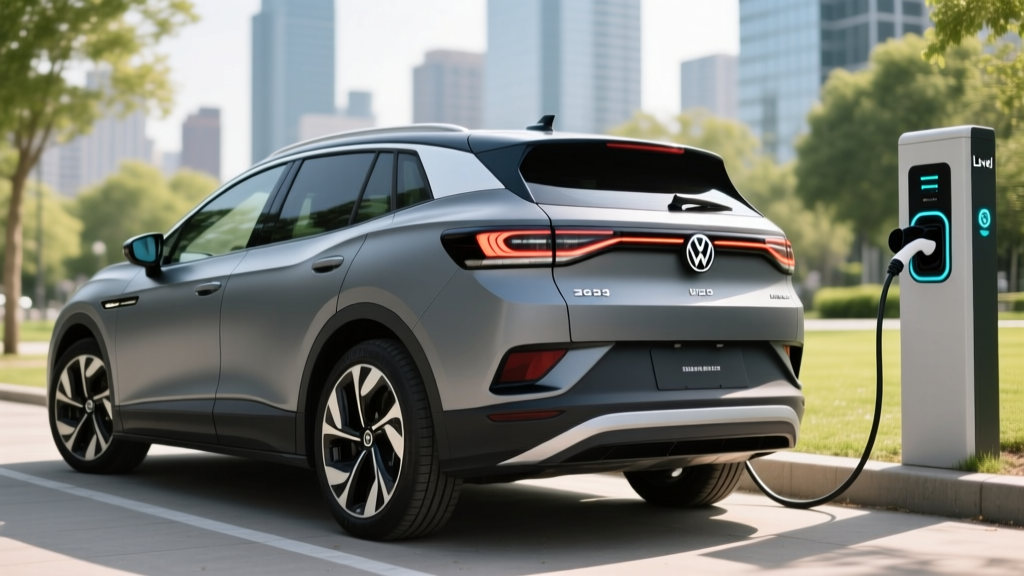
Choose the Volkswagen ID.4 if: You want the most affordable entry point ($38,995 base), a comfortable ride, and straightforward infotainment. Best for budget-conscious buyers who drive under 40 miles daily and charge exclusively at home.
Choose a plug-in hybrid (e.g., Toyota RAV4 Prime) if: You lack reliable home charging access, regularly drive over 300 miles in a single trip, or live in a region with sparse DC fast-charging infrastructure. The RAV4 Prime offers 42 miles of electric-only range plus 38 MPG combined on gas — a practical bridge until charging access improves in your area.
Wait for Chrysler's actual production EV if: You're a loyal Chrysler buyer who values the brand's dealership network, and you can defer your purchase to late 2027 or 2028. Understand that specs, pricing, and tax-credit eligibility remain entirely unknown.
Frequently Asked Questions
Will Chrysler ever make an electric SUV?
Stellantis has confirmed Chrysler will launch its first production EV, likely a crossover, by the 2027–2028 timeframe on the STLA Medium platform. However, specific specs, pricing, and availability have not been announced. Treat any pre-release figures as preliminary.
Is the Chrysler Airflow the same as the Jeep Wagoneer S?
No. Both were developed under Stellantis's electrification push, but the Wagoneer S is a premium-priced electric SUV that launched for the 2025 model year starting around $65,000. The Airflow was positioned as a mainstream, more affordable offering — closer to a $50,000 price point — but was never greenlit for production.
What's the best electric SUV for under $45,000 in 2026?
The Volkswagen ID.4 ($38,995 base) and Ford Mustang Mach-E ($39,995 base) both start under $40,000 and may qualify for the §30D federal tax credit depending on your income and the vehicle's current battery-sourcing compliance. The Hyundai Ioniq 5 starts at $42,600 for the Standard Range trim. Factor in state incentives, which vary widely — check AFDC's state incentive database for your jurisdiction.
How do I know if I qualify for the EV tax credit?
Under current IRS §30D rules, key requirements include: adjusted gross income below $150,000 (single) or $300,000 (married filing jointly), vehicle MSRP under $55,000 for SUVs ($80,000 for trucks/vans), and the vehicle must meet critical-mineral and battery-component sourcing thresholds that tighten each year. The credit can be transferred to the dealer at point of sale as a purchase-price reduction. Consult a tax professional and verify current-year rules on irs.gov before buying.
Should I lease instead of buying to avoid tax-credit complications?
Possibly. Under the commercial clean vehicle credit (§45W), lessors can claim a $7,500 credit on leased EVs without the same income, MSRP, or sourcing restrictions that apply to purchases. Many lessors pass this savings through as a lower monthly payment. However, you don't build equity, and lease terms may limit annual mileage. Run the numbers for both scenarios before deciding.