The Quick Answer: Chinese EVs in the US Market
Bottom line: As of 2026, most Chinese EV companies cannot sell their vehicles directly to US consumers due to steep tariffs and regulatory barriers. However, some are entering through partnerships, commercial vehicles, or adjacent markets. If you're shopping for an EV today, you'll mostly find established brands like Tesla, Ford, Hyundai, and Chevrolet — but understanding the Chinese EV landscape matters for future pricing pressure and technology trends.
Why Chinese EV Companies Matter (Even If You Can't Buy One Yet)
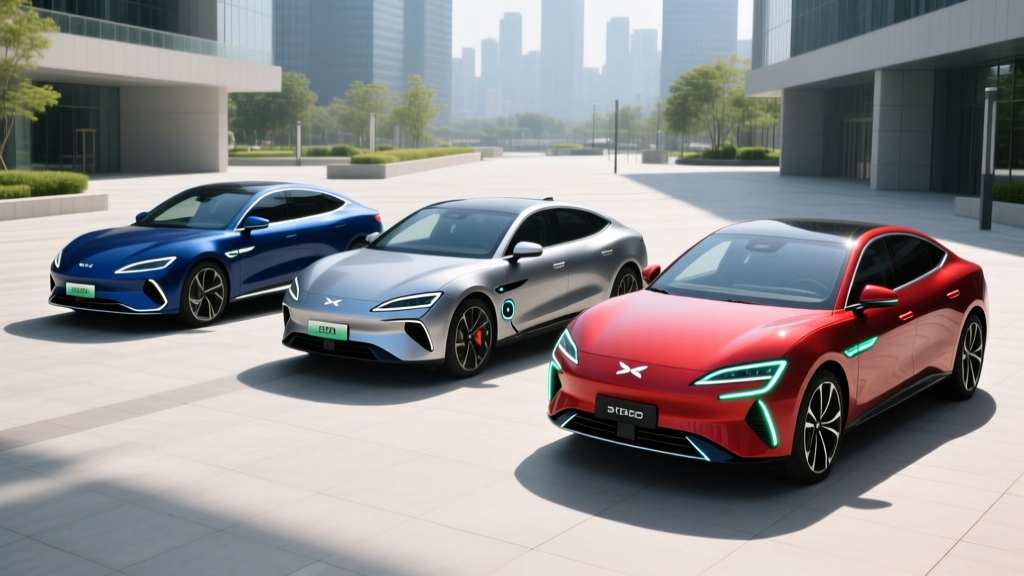
Chinese manufacturers produce over 60% of the world's electric vehicles, with companies like BYD outselling Tesla globally in Q3 2025. Their impact on US buyers comes through three channels:
- Price competition: Even without direct sales, Chinese EV pricing pressures force US automakers to cut costs and improve value
- Battery technology: CATL and BYD lead in LFP (lithium iron phosphate) battery production, which Tesla and Ford now use in US-market vehicles
- Future availability: Some brands are testing US market entry through joint ventures or commercial fleets first
Major Chinese EV Companies: Specs and US Availability
| Company | Flagship Model | EPA Range | Battery (kWh) | DC Fast Charge | US Status (2026) |
|---|---|---|---|---|---|
| BYD | Seal | ~350 mi (WLTP est.) | 82.5 (LFP Blade) | 150 kW peak, 10-80% ~30 min | Not available; commercial buses only |
| NIO | ET7 | ~375 mi (WLTP est.) | 100 (NMC) | 180 kW peak, 10-80% ~25 min | Not available; battery-swap tech under review |
| XPeng | G9 | ~320 mi (WLTP est.) | 98 (NMC) | 300 kW peak, 10-80% ~20 min | Not available; exploring US entry via Mexico |
| Li Auto | L9 (EREV) | ~130 mi EV + 620 mi total | 44.5 (NMC) + 1.5L range extender | 75 kW peak | Not available |
| Zeekr (Geely) | 001 | ~340 mi (WLTP est.) | 100 (NMC) | 200 kW peak, 10-80% ~28 min | Limited; Volvo/Polestar sister brand |
Note: WLTP range estimates typically run 10-15% higher than EPA ratings. Real-world US highway driving in cold weather could reduce these by 20-30%.
The Tariff Reality: Why You Can't Just Import One
Current US trade policy imposes a 100% tariff on Chinese-made EVs (up from 25% in 2024), plus additional duties on battery components. This means:
- A $35,000 BYD Seal in China would cost ~$70,000+ landed in the US before dealer markup
- Federal §30D tax credits ($7,500 max) require battery sourcing from free-trade partners — Chinese cells disqualify the vehicle
- Even if imported, Chinese EVs must meet NHTSA safety standards and EPA emissions certification, adding 12-18 months of compliance work
Exception: Some Chinese-made EVs assembled in third countries (Thailand, Mexico, or EU plants) may enter with reduced tariffs, but rules of origin requirements limit this pathway.
Cost Comparison: Chinese EV vs US-Market Alternatives
| Vehicle | Base MSRP | After §30D Credit | EPA Range | Charging (10-80%) | US Availability |
|---|---|---|---|---|---|
| BYD Seal (hypothetical US price) | ~$70,000* | $70,000 (no credit) | ~300 mi (EPA est.) | ~30 min @ 150 kW | No |
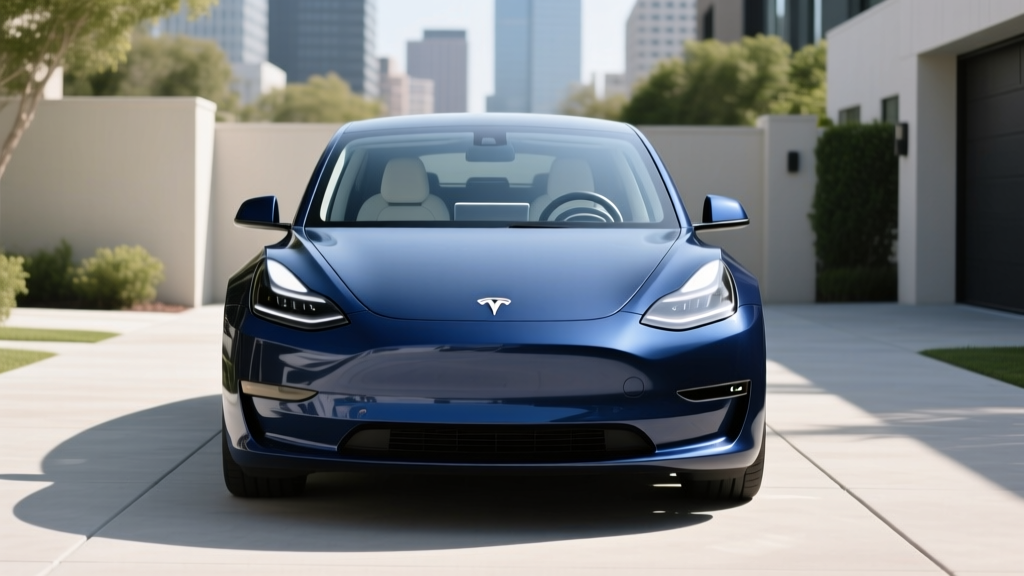
| Tesla Model 3 RWD | $38,990 | $31,490 | 272 mi | ~25 min @ 170 kW | Yes |
| Hyundai Ioniq 6 SE | $37,500 | $30,000 | 361 mi | ~18 min @ 240 kW | Yes |
| Chevrolet Equinox EV 2LT | $33,000 | $25,500 | 319 mi | ~32 min @ 150 kW | Yes |
*Tariff-inflated estimate; actual US pricing would require local assembly.
Key takeaway: Even if Chinese EVs reached US shores, tariff costs eliminate their price advantage. US buyers get better value from domestically assembled models that qualify for full tax credits.
Real-World Ownership: What First-Time EV Buyers Should Know
Whether you choose a Tesla, Hyundai, or wait for future Chinese entrants, these ownership realities apply:
Home Charging Access Is Non-Negotiable
Level 2 home charging (240V, 7-11 kW) adds 25-40 miles per hour of charging. Without it, you'll rely on public DC fast charging at $0.30-$0.50/kWh vs $0.12-$0.18/kWh at home. Installation costs:
- Basic install: $500-$1,200 (charger near panel, no upgrades)
- Panel upgrade: $1,500-$3,000 additional if you need 200A service
- Long runs: Add $5-$15 per foot for conduit/wiring over 50 feet
Climate Impacts Range Significantly
Cold weather (below 32°F) reduces EV range by 20-40% due to battery chemistry and cabin heating demands. If you live in Minnesota or Maine, a 300-mile EPA-rated EV may deliver only 180-220 miles in January. Heat pumps (standard on Hyundai/Kia, optional on Tesla) reduce this penalty to 15-25%.
Charging Speed Matters More Than Peak Range
A vehicle with 250-mile range but 240 kW DC fast charging (10-80% in 18 minutes) beats a 350-mile EV with 150 kW charging (10-80% in 35 minutes) for road trips. Look for sustained charge curves, not just peak kW numbers.
Decision Framework: Should You Wait for Chinese EVs?
Buy now if:
- You need a vehicle in the next 12 months
- You qualify for §30D tax credits (income under $150K single / $300K joint, MSRP under $55K cars / $80K SUVs)
- You have home charging access or reliable workplace charging
- You drive under 300 miles daily (covers 95% of US drivers)
Wait and monitor if:
- You're 3+ years from needing a new vehicle
- You want battery-swap technology (NIO's model, though US infrastructure is unlikely)
- You're buying for a commercial fleet where Chinese electric vans/trucks may enter sooner
Common Misconceptions About Chinese EVs
| Myth | Fact |
|---|---|
| "Chinese EVs are cheap and low quality" | BYD, NIO, and XPeng score 4-5 stars in Euro NCAP testing; build quality matches or exceeds US brands in fit/finish |
| "I can import one myself and save money" | 100% tariff + shipping + compliance costs make this economically impossible; plus no dealer support or warranty |
| "Chinese batteries are unsafe" | CATL and BYD supply Tesla, Ford, and BMW; LFP chemistry is actually safer (no thermal runaway) than NMC |
| "Chinese EVs will flood the US market in 2026" | Tariff barriers and IRA sourcing rules prevent this; expect limited entry via commercial vehicles or Mexico-assembled models by 2028-2030 |
Frequently Asked Questions
Will BYD ever sell cars in the US?
BYD has stated it's "evaluating" the US market but faces 100% tariffs. More likely: BYD will enter via Mexico assembly (if USMCA rules allow) or focus on commercial electric buses/trucks where tariffs are lower. Don't expect a BYD Seal at your local dealer before 2028.
Are Chinese EV batteries used in US cars?
Yes. Tesla uses CATL LFP cells in Model 3 RWD, and Ford licenses CATL technology for its Michigan LFP plant. However, vehicles with Chinese battery cells may lose §30D tax credit eligibility under IRA "foreign entity of concern" rules.
How do Chinese EVs compare on range and charging?
Comparable or better than US peers. The NIO ET7's 100 kWh battery and 180 kW charging match Tesla Model S specs. XPeng's 800V architecture enables 300 kW charging (faster than most US models). The gap is in US charging network compatibility (CCS vs NACS) and software localization.
Should I buy a Volvo/Polestar since Geely owns them?
Volvo (Geely-owned) assembles many vehicles in South Carolina and Belgium, avoiding Chinese tariffs. The Volvo EX30 (China-assembled) faces tariff issues, but the EX90 (US-assembled) qualifies for full credits. Check VIN origin, not just brand ownership.
What about Chinese EV companies' stock or investment potential?
Outside this guide's scope, but note: BYD, NIO, and XPeng trade on US exchanges. Geopolitical risk, tariff uncertainty, and domestic competition from Tesla make this a high-volatility sector. Consult a financial advisor, not an automotive site, for investment decisions.
Bottom Line: Focus on What's Available Now
Chinese EV companies build excellent vehicles at aggressive prices — in China. For US buyers in 2026, tariff barriers, tax credit ineligibility, and lack of dealer/service networks make them impractical. Instead, take advantage of the price war Chinese competition has sparked: Tesla, Hyundai, and Chevrolet now offer 300+ mile EVs in the $25K-$35K range after credits, with full US support and warranty coverage. Monitor Chinese brands for 2028+ entry, but don't delay your purchase waiting for a BYD that may never arrive.