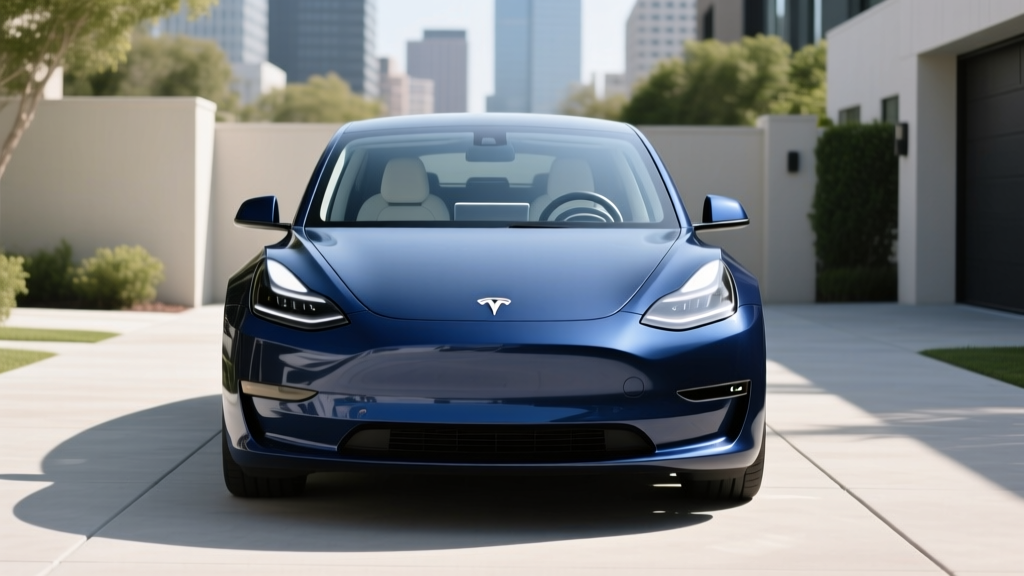
When Tesla launched the refreshed Model 3 (internally dubbed "Highland") in late 2023, it made a decision that polarized the EV community more than any other: it removed the physical turn signal stalk. As we move through the 2026 model year, the Tesla Model 3 turn signal stalk debate hasn't quieted — if anything, it's become the defining litmus test for whether Tesla's minimalist interior philosophy has gone too far, or whether drivers simply need more time to adapt.
This review covers the full 2026 Tesla Model 3 lineup — range, charging, performance, pricing, tax-credit eligibility, and ownership reality — with particular attention to how the stalk-less steering wheel affects daily driving. If you're cross-shopping the Model 3 against the Hyundai Ioniq 6, BMW i4, or Polestar 2, this is the data-driven breakdown you need.
2026 Tesla Model 3: Core Specifications at a Glance
| Spec | RWD (Standard Range) | Long Range RWD | Long Range AWD | Performance |
|---|---|---|---|---|
| EPA Range | 272 mi | 363 mi | 341 mi | 315 mi |
| Battery (usable) | ~57.5 kWh (LFP) | ~75 kWh (NMC) | ~75 kWh (NMC) | ~75 kWh (NMC) |
| Drivetrain | RWD, single motor | RWD, single motor | Dual-motor AWD | Dual-motor AWD |
| Horsepower | 271 hp | 329 hp | 440 hp | 510 hp |
| 0–60 mph | 5.8 sec | 4.9 sec | 4.2 sec | 2.9 sec |
| Max DC Fast Charge | 170 kW | 250 kW | 250 kW | 250 kW |
| 10–80% DC Time | ~25 min | ~25 min | ~25 min | ~25 min |
| Level 2 Home Rate | 11.5 kW (~44 mi/hr) | 11.5 kW (~44 mi/hr) | 11.5 kW (~44 mi/hr) | 11.5 kW (~44 mi/hr) |
| EPA Efficiency | 132 MPGe / 25 kWh/100mi | 141 MPGe / 24 kWh/100mi | 130 MPGe / 26 kWh/100mi | 118 MPGe / 28 kWh/100mi |
| Cargo Volume | 23 cu ft (trunk) + 3.1 cu ft (frunk) = 26.1 cu ft total | |||
| Base MSRP | $38,990 | $42,490 | $47,490 | $52,990 |
Source: fueleconomy.gov and Tesla.com, 2026 model year. Prices exclude destination fee ($1,390).
The Turn Signal Stalk Situation: How It Actually Works
Let's address the keyword in the room. On pre-2024 Model 3 vehicles, a traditional stalk on the left side of the steering column controlled turn signals, high beams, and wiper washers. The refreshed Model 3 eliminated this entirely.
Turn signals are now activated via capacitive-touch buttons on the steering wheel itself — a left-side button for left signals, right-side button for right signals. A long press activates the lane-change "three-blink" signal. The signals auto-cancel based on steering-angle sensors and GPS-curvature data, though Tesla has issued multiple OTA updates to refine the auto-cancel algorithm since launch.
High beams and wipers moved to the touchscreen and voice commands, with a physical wiper button on the steering wheel added in later production runs after early owner feedback.
Is it better than a stalk? Objectively, no — a physical stalk provides tactile, no-look operation that a capacitive button cannot match. But after several weeks of driving, most owners report the buttons become muscle memory. The real question is whether removing a $2 part to achieve a "cleaner" steering wheel was worth the usability trade-off. For many traditionalists, the answer is no.
Real-World Range: What the EPA Sticker Doesn't Tell You
City/mixed driving (65°F): ~310–330 mi achievable
Highway (75 mph, 65°F): ~270–290 mi
Highway (75 mph, 30°F, winter): ~220–250 mi
DC fast-charge road trip (accounting for 80% stops): effective ~250 mi between charges
Tesla's efficiency remains among the best in the segment. The Long Range RWD variant achieves an EPA-rated 141 MPGe (24 kWh/100mi), meaning it extracts more miles per kilowatt-hour than almost any competitor. The LFP-equipped RWD model uses a lithium iron phosphate battery, which sacrifices some energy density for longevity and lower cost. The NMC (nickel manganese cobalt) packs in Long Range and Performance trims offer higher density and faster charging.
For context, the Hyundai Ioniq 6 SE Long Range achieves 140 MPGe with 361 miles of EPA range, and the BMW i4 eDrive40 returns 109 MPGe with 301 miles. Tesla's efficiency advantage translates directly to lower electricity costs and faster effective charging on road trips.
Charging Speed: DC Fast and Home Level 2
Charging speed is where Tesla's Supercharger network advantage becomes tangible. All 2026 Model 3 variants support the NACS (North American Charging Standard) connector natively — no adapter needed at Superchargers.
| Charging Method | Power | Speed (mi/hr added) | Notes |
|---|---|---|---|
| Level 1 (120V household) | ~1.4 kW | ~5 mi/hr | Emergency/trickle only |
| Level 2 (240V, 48A home) | 11.5 kW | ~44 mi/hr | Full charge overnight (~7–8 hrs) |
| DC Fast (Supercharger V3) | Up to 250 kW | ~175 mi in 15 min | Peak rate; tapers above 60% SoC |
| DC Fast (CCS via adapter) | Up to 250 kW | Varies by station | Tesla includes CCS adapter with 2026 models |
Charge-curve reality: The 250 kW peak applies only between roughly 10–40% State of Charge. Above 60%, the rate drops to ~100 kW, and above 80% it falls below 50 kW. This is normal lithium-ion behavior, but it means the advertised "15-minute" charging window only applies to the 10–80% window under ideal thermal conditions. Always precondition the battery by navigating to a Supercharger in the car's navigation — this heats the pack for optimal charge acceptance and can shave 3–5 minutes off your stop.
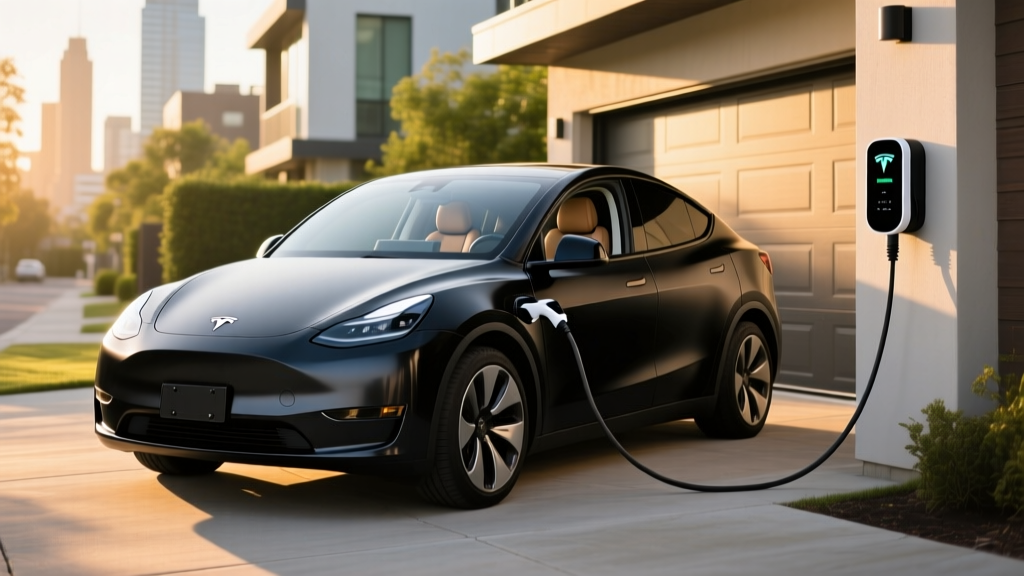
For home charging, a Tesla Wall Connector ($475) on a 60A circuit delivers the full 11.5 kW. Installation typically runs $800–$2,000 depending on panel proximity and whether your home needs a 200A service upgrade. Consult a licensed electrician for your specific situation.
Performance, Ride Quality, and Interior
The 2026 Model 3's driving dynamics are a significant step up from the pre-refresh car. Tesla reworked the suspension with frequency-selective dampers, added acoustic glass all around, and improved seat cushioning. The result is a noticeably quieter, more compliant ride — the most common criticism of older Model 3s.
Performance metrics remain strong across the lineup. The dual-motor Long Range AWD hits 60 mph in 4.2 seconds with 440 hp, while the Performance trim drops that to 2.9 seconds with 510 hp and includes track-mode features, adaptive dampers, and high-performance brakes.
Interior and cargo: The minimalist cabin centers on a 15.4-inch touchscreen that handles everything from climate control to turn-signal settings. Rear legroom measures 35.2 inches — adequate for adults on shorter trips but tighter than a BMW i4 (36.0 in). The trunk offers 23 cubic feet with a wide hatch opening, plus a 3.1-cubic-foot frunk for charging cables or small bags. Total cargo volume (26.1 cu ft) beats the Polestar 2 (14.4 cu ft hatchback trunk) but falls short of the Ioniq 6's combined 27.4 cu ft.
Tech highlights:
- 15.4-inch center touchscreen with Google Maps-based navigation
- 8-inch rear passenger touchscreen (climate, media, ventilation)
- Standard Autopilot (SAE Level 2) with adaptive cruise and lane-keeping
- Optional FSD Supervised ($8,000 or $99/mo) — still requires active driver engagement
- Ventilated front seats, ambient lighting, power-folding mirrors
- Over-the-air updates continue to add features post-purchase
Pricing, Trims, and Federal Tax Credit Eligibility
| Trim | Base MSRP | Destination | Est. §30D Credit | Effective Price |
|---|---|---|---|---|
| RWD (Standard Range) | $38,990 | $1,390 | Up to $7,500* | ~$32,880 |
| Long Range RWD | $42,490 | $1,390 | Up to $7,500* | ~$36,380 |
| Long Range AWD | $47,490 | $1,390 | Up to $7,500* | ~$41,380 |
| Performance | $52,990 | $1,390 | Up to $7,500* | ~$46,880 |
- MSRP cap: Sedans must be ≤$55,000 MSRP (all Model 3 trims qualify)
- Buyer income cap: AGI ≤$150,000 (single), ≤$225,000 (head of household), ≤$300,000 (joint) — per IRS §30D rules
- Battery sourcing: Critical minerals and battery component requirements phase in annually; as of 2026, the Model 3's LFP (RWD) and NMC (Long Range/Performance) packs have varying sourcing compliance — confirm current-year eligibility at purchase
- Point-of-sale transfer: The credit can be applied at the dealer as an instant rebate, reducing your out-of-pocket cost immediately
- Consult a tax professional: Eligibility depends on your specific tax situation and the credit's annual sourcing requirements, which the IRS updates periodically
Who Should Buy the 2026 Model 3?
- You want the lowest cost-per-mile efficiency in the luxury EV sedan segment
- Supercharger network reliability matters for frequent road trips
- You value OTA updates and a tech-forward ownership experience
- You can charge at home and your daily commute is under 150 miles
- Physical buttons and stalks are non-negotiable for your driving comfort
- You need maximum rear-seat legroom for tall adult passengers
- You want Apple CarPlay or Android Auto (Tesla uses its proprietary infotainment only)
- You prefer a traditional dealer/service-center experience over mobile service
The Model 3 is best suited for tech-comfortable commuters and road-trippers who prioritize efficiency, charging infrastructure, and performance over traditional luxury ergonomics. It's a compelling daily driver for single professionals, couples, and small families — though those regularly carrying rear-seat adults may prefer the roomier Hyundai Ioniq 5 or Tesla Model Y crossover.
Model 3 vs. Key Competitors
| Attribute | 2026 Tesla Model 3 LR AWD | 2026 Hyundai Ioniq 6 SEL | 2026 BMW i4 eDrive40 |
|---|---|---|---|
| EPA Range | 341 mi | 361 mi | 301 mi |
| Efficiency (MPGe) | 130 | 140 | 109 |
| 0–60 mph | 4.2 sec | 5.1 sec | 5.5 sec |
| Max DC Charge | 250 kW | 240 kW | 200 kW |
| Base MSRP | $47,490 | $42,450 | $57,900 |
| Charging Network | NACS (Supercharger native) | CCS → NACS adapter | CCS → NACS adapter |
| Turn Signal Stalk | ❌ Removed | ✅ Traditional stalk | ✅ Traditional stalk |
| CarPlay/Android Auto | ❌ No | ✅ Yes | ✅ Yes |
The Ioniq 6 offers more range at a lower price with a traditional interior, but lacks Supercharger-native access (though Hyundai now offers a NACS adapter). The BMW i4 delivers a more premium cabin and superior ride quality but at a significant price premium and lower range. The Model 3's advantages remain its charging ecosystem, efficiency, and performance-per-dollar.
Pros, Cons, and Final Verdict
- Class-leading efficiency (24–26 kWh/100mi)
- Supercharger network — most reliable DC charging in North America
- Strong performance even in base RWD trim
- Significantly improved ride comfort and cabin quietness vs. pre-2024
- Continuous OTA updates add features over time
- Excellent safety ratings (NHTSA 5-star, IIHS Top Safety Pick+)
- No physical turn signal stalk — adaptation period required
- No Apple CarPlay or Android Auto
- Rear seat tighter than key competitors
- All climate/media controls buried in touchscreen
- Service-center wait times can be long in some markets
- FSD Supervised costs $8,000 extra and remains Level 2
The 2026 Tesla Model 3 remains one of the most efficient, best-charging, and best-performing EV sedans available. The turn signal stalk removal is genuinely divisive — a real usability regression that Tesla has partially mitigated through software refinement, but not fully solved. If you can accept the capacitive-button learning curve (and most drivers do within a month), the Model 3 delivers exceptional value, especially with the federal tax credit applied.
Frequently Asked Questions
What is the real-world range of the 2026 Tesla Model 3?
The Long Range AWD's EPA rating is 341 miles. In real-world highway driving at 75 mph in moderate temperatures, expect roughly 270–290 miles. In winter conditions (30°F), that drops to 220–250 miles due to battery chemistry limitations and cabin heating load. The LFP-equipped RWD model (272 mi EPA) is more resilient to daily 100% charging but offers less total range.
How fast does the Model 3 charge at home and on the road?
On a Level 2 home charger (11.5 kW / 48A), the Model 3 adds about 44 miles of range per hour — a full overnight charge takes 7–8 hours. At a V3 Supercharger (250 kW peak), you can add roughly 175 miles in 15 minutes, with a 10–80% charge taking approximately 25 minutes. Always precondition the battery by setting a Supercharger as your navigation destination for fastest charging.
Does the 2026 Tesla Model 3 qualify for the federal EV tax credit?
Most trims qualify for up to $7,500 under IRS §30D, subject to buyer income limits ($150K single / $300K joint AGI), the $55,000 sedan MSRP cap (all Model 3 trims are under), and battery critical-mineral sourcing requirements that tighten annually. The credit can be transferred at point of sale as an instant rebate. Verify current-year eligibility on irs.gov and consult a tax professional.
Is the Tesla Model 3 worth buying over the Hyundai Ioniq 6 or BMW i4?
It depends on priorities. The Ioniq 6 offers more EPA range (361 mi) at a lower price with a traditional stalk and CarPlay, but uses CCS with an adapter for Superchargers. The BMW i4 provides a more premium interior and ride but costs significantly more with less range. The Model 3 wins on Supercharger-native access, efficiency, performance-per-dollar, and OTA evolution. If the stalk-less steering wheel is a dealbreaker, the Ioniq 6 is the closest alternative.
Can I add a physical turn signal stalk to the Model 3 aftermarket?
No. There is no Tesla-approved or reliable aftermarket solution to restore a physical turn signal stalk. The steering column hardware simply doesn't include the mounting point or wiring harness. Some third-party Bluetooth button accessories exist that clip onto the steering wheel, but they don't replicate stalk ergonomics and aren't officially supported.
What's the battery warranty on the 2026 Model 3?
Tesla covers the battery and drive unit for 8 years or 100,000 miles (whichever comes first) on the RWD trim, and 8 years or 120,000 miles on Long Range and Performance trims. The warranty guarantees the battery will retain at least 70% of its original capacity during that period. Real-world degradation data from Tesla's fleet suggests most Model 3 packs retain 85–90% capacity at 100,000 miles.