Quick Verdict: The Bolt Remains the Value Benchmark
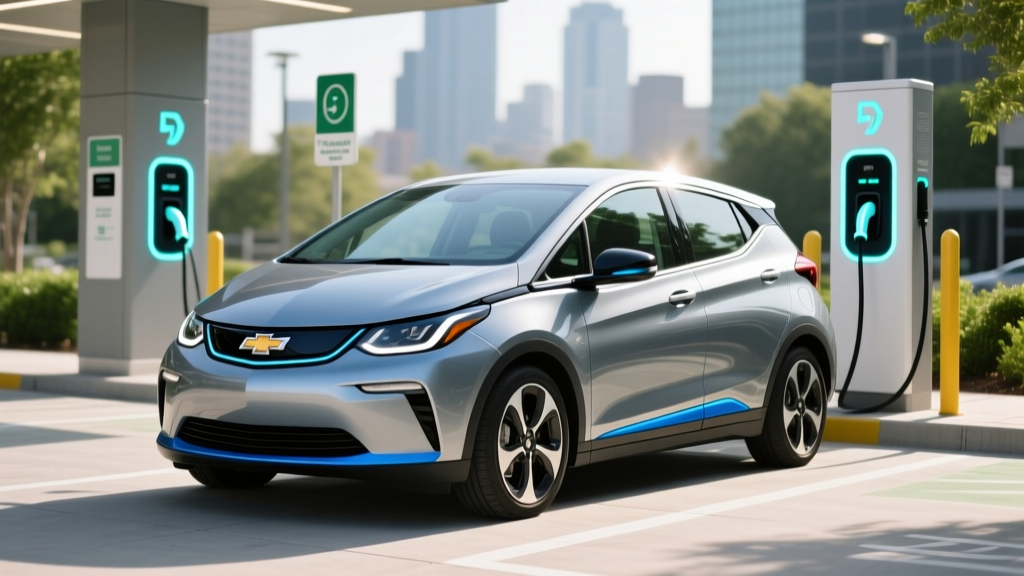
If you're asking whether the Chevy Bolt is a good car, the short answer is yes — with caveats. The 2026 Chevy Bolt EV and Bolt EUV (Electric Utility Vehicle) continue to offer the most affordable entry point into new electric vehicle ownership in the United States. With a starting MSRP hovering near $28,000 before incentives, an EPA-estimated range of 259 miles (Bolt EV) / 247 miles (Bolt EUV), and a mature, practical platform, the Bolt rewards budget-conscious buyers who understand its limitations.
The second-generation Bolt, reintroduced for the 2026 model year on an updated BEV3 architecture, brings a critical upgrade: a lithium iron phosphate (LFP) battery pack. This chemistry swap improves longevity, reduces cost, and eliminates cobalt from the supply chain — but it also means slightly lower energy density and a heavier pack than the previous NMC (nickel manganese cobalt) setup. The result is a car that charges a bit slower on DC fast chargers but promises exceptional long-term battery health.
This review covers the 2026 Bolt EV and Bolt EUV with exact specs, real-world range expectations, charging performance, tax credit math, and an honest assessment of where it falls short against competitors like the Hyundai Kona Electric, Nissan LEAF, and Tesla Model 3.
Range, Battery, and Efficiency: What the Numbers Actually Mean
EPA estimate: 259 miles (Bolt EV) / 247 miles (Bolt EUV)
Real-world highway (70 mph, mild weather): ~220–235 miles
Real-world cold weather (30°F, mixed driving): ~170–195 miles
Combined efficiency: 118 MPGe / 28 kWh per 100 miles
The 2026 Bolt EV carries a 65 kWh usable LFP battery pack (approximately 72 kWh gross). LFP chemistry offers a flatter discharge curve and superior cycle life — Chevrolet's internal testing suggests less than 10% degradation over 200,000 miles — but it is heavier and less energy-dense than NMC. That's why the 2026 Bolt weighs in at roughly 3,650 lbs, about 100 lbs heavier than the prior generation despite similar exterior dimensions.
Efficiency is rated at 118 MPGe combined (120 city / 115 highway) for the Bolt EV, per fueleconomy.gov. That translates to roughly 28 kWh per 100 miles — respectable but not class-leading. The Hyundai Kona Electric achieves around 123 MPGe combined, and the Tesla Model 3 RWD sits at 132 MPGe. The Bolt's slightly taller, hatchback shape and heavier LFP pack explain the gap.
In real-world testing, the Bolt's range holds up well in city and suburban driving where regenerative braking recaptures energy. Highway range drops noticeably above 70 mph due to aerodynamic drag, and cold weather hits LFP packs harder than NMC in terms of immediate available capacity. Expect a 25–35% range reduction in sustained sub-freezing temperatures without preconditioning.
| Spec | Bolt EV (1LT) | Bolt EUV (Premier) |
|---|---|---|
| EPA Range | 259 miles | 247 miles |
| Battery (usable) | 65 kWh (LFP) | 65 kWh (LFP) |
| Efficiency | 118 MPGe / 28 kWh/100mi | 115 MPGe / 29 kWh/100mi |
| Motor Output | 200 hp / 266 lb-ft | 200 hp / 266 lb-ft |
| Drivetrain | FWD (single motor) | FWD (single motor) |
| 0–60 mph | 6.5 seconds | 6.8 seconds |
| DC Fast Charge (peak) | 115 kW (CCS1) | 115 kW (CCS1) |
| 10–80% DCFC Time | ~34 minutes | ~34 minutes |
| Level 2 Home Charge | 11.5 kW (~37 mi/hr) | 11.5 kW (~37 mi/hr) |
| Cargo Volume (rear seats up) | 16.3 cu ft | 16.3 cu ft |
| Cargo Volume (rear seats folded) | 57.4 cu ft | 56.9 cu ft |
| Rear Legroom | 36.0 inches | 39.1 inches |
| Base MSRP | $27,995 | $30,595 |
| Battery Warranty | 8 yr / 100,000 mi | 8 yr / 100,000 mi |
Charging Performance: The Bolt's Persistent Weakness
Charging speed is where the Bolt has always faced criticism, and the 2026 model only partially addresses it. The maximum DC fast-charge rate remains at 115 kW via the CCS1 connector — adequate for 2019, but noticeably behind the 200+ kW capabilities of the Hyundai Ioniq 5, Kia EV6, and Tesla Model 3.
Here's what that means in practice: a 10–80% charge on a 150 kW (or higher) DC fast charger takes approximately 34 minutes. The charge curve is relatively flat between 20% and 60% SoC (hovering near 90–110 kW), then tapers significantly above 80%. If you regularly road-trip, you'll spend more time at chargers than competitors — roughly 10–15 extra minutes per stop versus a 250 kW-capable vehicle.
| Charging Level | Power | Rate (approx.) | Full Charge Time |
|---|---|---|---|
| Level 1 (120V household) | 1.4 kW | ~4 miles per hour | ~65 hours (0–100%) |
| Level 2 (240V home/public) | 11.5 kW | ~37 miles per hour | ~7 hours (0–100%) |
| DC Fast Charge (CCS1) | 115 kW peak | ~150 miles in 30 min | ~34 min (10–80%) |
Home Level 2 charging at 11.5 kW is excellent — overnight on a 48-amp circuit fully replenishes the pack in about 7 hours. Chevrolet includes a dual-level charge cord (Level 1 and Level 2 capable with a 240V adapter) with every Bolt, which is a genuine value-add versus competitors that charge extra for home charging equipment.
Cold-weather charging note: LFP batteries charge more slowly when cold. Without active battery preconditioning (the Bolt lacks the sophisticated thermal preconditioning found in Tesla or Rivian), expect DC fast-charge speeds to be reduced by 20–40% in sub-40°F conditions until the pack warms up through driving.
Performance and Driving Dynamics
The 2026 Bolt uses a single front-mounted permanent-magnet motor producing 200 horsepower and 266 lb-ft of torque. That's unchanged from the prior generation, and it's sufficient: 0–60 mph in 6.5 seconds (EV) or 6.8 seconds (EUV) feels punchy in daily driving thanks to instant torque delivery.
The Bolt is front-wheel drive only — no AWD option exists. That's fine for most climates, but it limits the Bolt's appeal in snow-belt states where AWD is a strong preference. The suspension tuning is comfortable and compliant, with a slightly firm ride over sharp bumps due to the heavy battery pack low in the chassis. Body roll is well-controlled for a tall hatchback.
Regenerative braking is adjustable via steering-wheel paddles, and the Bolt offers a true one-pedal driving mode that can bring the car to a complete stop. This is one of the best implementations of regen in the sub-$35K EV segment — smoother and more predictable than the Nissan LEAF's e-Pedal.
Interior, Cargo, and Technology
Inside, the 2026 Bolt features an 11.3-inch diagonal infotainment touchscreen running GM's latest Ultifi software with wireless Apple CarPlay and Android Auto. The digital instrument cluster is a 10.2-inch configurable display. Build quality is a step up from the previous generation — soft-touch materials on the dashboard and door uppers, though hard plastics still appear on lower panels.
Cargo space is generous for the class: 16.3 cubic feet behind the rear seats, expanding to 57.4 cubic feet with the 60/40 split rear seats folded (Bolt EV). The EUV sacrifices a fraction of cargo volume (56.9 cu ft max) but gains 3.1 inches of rear legroom (39.1 inches), making it meaningfully more comfortable for adult rear passengers.
Driver assistance: The Bolt comes standard with Chevy Safety Assist, which includes automatic emergency braking, forward collision alert, lane keep assist with lane departure warning, following distance indicator, and IntelliBeam auto high beams. Super Cruise (GM's hands-off, eyes-on Level 2 system) is available on EUV Premier trims for $2,200 — a significant addition that enables hands-free driving on over 400,000 miles of compatible highways. Note: Super Cruise is SAE Level 2 — the driver must remain attentive and eyes on the road at all times.
Pricing, Trims, and Federal Tax Credit Eligibility
| Trim | MSRP | Est. After §30D Credit* | Destination |
|---|---|---|---|
| Bolt EV 1LT | $27,995 | ~$20,495 | $1,395 |
| Bolt EV 2LT | $30,595 | ~$23,095 | $1,395 |
| Bolt EUV LT | $30,595 | ~$23,095 | $1,395 |
| Bolt EUV Premier | $35,495 | ~$27,995 | $1,395 |
*Federal tax credit estimates assume buyer eligibility under IRS §30D rules. Actual credit depends on income, battery sourcing, and tax liability. Consult a tax professional.
The 2026 Bolt qualifies for the full $7,500 federal EV tax credit under IRS §30D — provided the buyer meets all eligibility requirements. Since the 2024 rule changes, the credit can be transferred to the dealer at the point of sale, effectively reducing the purchase price by $7,500 on the spot (even if the buyer has no tax liability, thanks to the clean vehicle credit transfer provision).
- MSRP cap: The Bolt's MSRP is well under the $55,000 cap for cars ($80,000 for SUVs/vans/pickups). ✓
- Buyer income cap: Modified AGI must not exceed $150,000 (single), $225,000 (head of household), or $300,000 (joint). ✓ Verify with your tax professional.
- Battery sourcing: The 2026 Bolt's LFP battery must meet critical mineral and battery component sourcing thresholds per current-year IRS rules. GM has confirmed compliance for 2026, but always verify the VIN on the DOE's qualifying vehicle list before purchase.
- Assembly: Final assembly must occur in North America. The Bolt is assembled in Orion Township, Michigan. ✓
Who Should Buy the Bolt (And Who Shouldn't)
- Your budget is under $30K after incentives — the Bolt is the cheapest new EV with 250+ miles of range
- You primarily commute and city-drive, where range and efficiency are maximized
- You have reliable home Level 2 charging and rarely road-trip more than 200 miles one-way
- You want a practical hatchback with strong cargo versatility and low running costs
- Long-term battery longevity matters to you (LFP excels here)
- You take frequent road trips — the 115 kW DC charge rate adds significant stop time
- You need AWD for snow or mountain driving
- You want cutting-edge performance (0–60 under 5 seconds) or premium luxury features
- You regularly carry four adults — the EUV helps, but the Bolt is still a compact
- You live in a region with extreme cold and no garage — LFP cold-weather performance requires planning
- Lowest MSRP of any 250+ mile EV on the market
- Full $7,500 §30D tax credit eligibility (point-of-sale transfer)
- LFP battery offers exceptional cycle life and degradation resistance
- Spacious cargo area for a compact hatchback
- Included dual-level charge cord
- Strong regenerative braking with one-pedal mode
- Super Cruise available on EUV Premier
- 115 kW DC fast-charge peak is slow for 2026 standards
- No AWD option
- LFP pack reduces cold-weather range and cold-charge speed
- No battery preconditioning for optimized DCFC in cold weather
- Interior materials still budget-tier in some areas
- No front trunk (frunk)
How the Bolt Stacks Up Against Competitors
The Bolt's closest rivals in 2026 are the Hyundai Kona Electric (261-mile range, ~$33,000 MSRP, 100 kW DCFC), the Nissan LEAF (212-mile range SV Plus, ~$30,000, CHAdeMO connector — increasingly unsupported), and the Tesla Model 3 RWD (272-mile range, ~$38,990, 170 kW DCFC, NACS connector). The Bolt undercuts all three on price, matches or beats them on range, but loses to the Model 3 on charging speed, performance, and charging-network access (Tesla's Supercharger network remains the most reliable).
For pure value — dollars per mile of range — the Bolt is unmatched. If you can accept the charging-speed trade-off, no competitor delivers this much EV for this little money.
Battery Warranty and Long-Term Ownership
Chevrolet covers the Bolt's battery and powertrain for 8 years or 100,000 miles (whichever comes first), with a capacity retention threshold of 60% — meaning GM will repair or replace the battery if it degrades below 60% of original capacity within the warranty period. This is industry-standard and matches Hyundai, Kia, and most competitors.
With the LFP chemistry, real-world degradation should be minimal. Industry data on LFP packs (from Tesla's Standard Range fleet and BYD's global vehicles) suggests 8–12% capacity loss over 150,000 miles under normal use — well within warranty margins. Bolt owners who charge primarily at home on Level 2 and avoid frequent 100% charges (LFP is more tolerant of 100% than NMC, but daily 100% still adds stress) should see the battery outlast the vehicle's useful life.
Frequently Asked Questions
What is the real-world range of the 2026 Chevy Bolt?
The EPA rates the Bolt EV at 259 miles and the EUV at 247 miles. In real-world highway driving at 70 mph in mild weather, expect 220–235 miles. In cold weather (below freezing), plan for 170–195 miles of usable range. City and suburban driving with regenerative braking gets closest to the EPA number.
How fast does the Bolt charge at home and on the road?
On a Level 2 home charger (240V, 48A), the Bolt charges at 11.5 kW, adding about 37 miles of range per hour — a full charge takes roughly 7 hours. On DC fast chargers, it peaks at 115 kW, taking about 34 minutes from 10–80%. This is slower than most 2026 competitors.
Does the 2026 Chevy Bolt qualify for the $7,500 federal tax credit?
Yes, the Bolt qualifies for the full $7,500 under IRS §30D, assuming the buyer meets income caps ($150K single / $300K joint) and the vehicle's battery sourcing meets current-year critical mineral requirements. The credit can be applied at the point of sale, reducing the purchase price directly. Always verify eligibility on irs.gov and confirm the specific VIN qualifies.
Is the Chevy Bolt a good car for road trips?
It's adequate but not ideal. The 259-mile range means you'll stop every 180–200 miles on the highway to maintain a safety buffer. The 115 kW charge rate means ~34-minute stops for a 10–80% charge. If road trips are a primary use case, a faster-charging EV like the Hyundai Ioniq 5 or Tesla Model 3 is a better fit.
Is the Bolt EUV worth the extra cost over the Bolt EV?
The EUV costs roughly $2,600 more and sacrifices 12 miles of EPA range but gains 3.1 inches of rear legroom, a slightly longer wheelbase for improved ride quality, and available Super Cruise. If rear-seat passengers are regular occupants, the EUV is the better choice. If it's mostly a solo commuter, the EV offers more value.
Does the Bolt have a frunk (front trunk)?
No. The Bolt does not have a front trunk. All cargo space is in the rear hatch area.
How does the LFP battery affect ownership?
LFP (lithium iron phosphate) batteries degrade more slowly than NMC, offer a longer cycle life, and are less prone to thermal runaway. The trade-off is lower energy density (heavier pack for the same kWh) and reduced performance in very cold weather. For most owners, LFP is a net positive — especially for a vehicle in this price range.