The Ultium Mass-Market Hero: Separating Hype from Reality
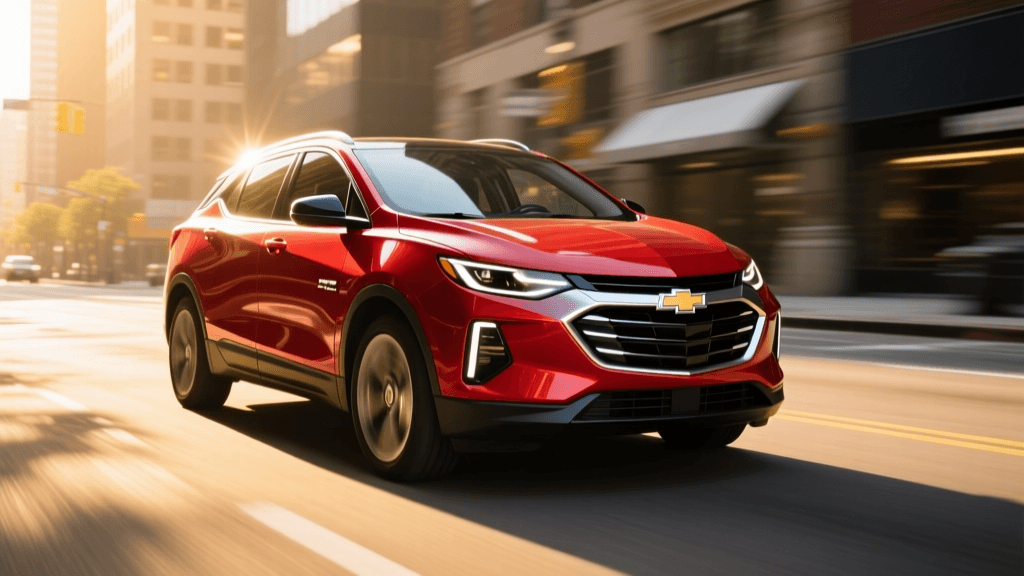
The Chevrolet Equinox EV is arguably one of the most important electric vehicles launched this decade. Built on General Motors’ flexible Ultium platform, it promises to bring over 300 miles of range, advanced driver assistance, and a spacious interior to the mainstream compact crossover segment—all while undercutting rivals like the Tesla Model Y and Hyundai Ioniq 5 on price. But with massive hype comes massive misinformation. As early deliveries roll out and journalists get behind the wheel, several misconceptions about the Equinox EV’s real-world capabilities have begun to circulate among prospective buyers.
At AutoEdgeView, we believe in data-driven, real-world testing. After spending significant time analyzing the spec sheets, observing early first-drive telemetry, and evaluating the ownership proposition, we are here to separate fact from fiction. If you are configuring an Equinox EV or waiting for your local dealer allocation, you need to avoid these common buyer mistakes and understand the truth behind the most persistent myths.
Myth #1: 'I Will Easily Get 319 Miles of Range on the Highway'
The Reality: The EPA-estimated 319 miles of range is highly conditional, and many buyers are making the costly mistake of ignoring the drivetrain and wheel-size penalties.
When Chevrolet first teased the Equinox EV, the headline-grabbing 319-mile figure became the primary marketing hook. However, achieving that specific number requires a very precise configuration: the Front-Wheel Drive (FWD) model equipped with the standard 19-inch wheels. The FWD powertrain utilizes a single front-mounted electric motor producing 213 horsepower and 236 lb-ft of torque. Because it only powers two wheels and uses smaller, more aerodynamic wheels with lower rolling resistance, it maximizes the efficiency of the 85 kWh (usable) Ultium battery pack.
The Common Mistake: Many buyers are lured by the aggressive styling of the RS trim and the all-weather security of All-Wheel Drive (AWD), assuming the range penalty will be negligible. This is a critical error. If you opt for the dual-motor AWD system (which bumps output to a much more robust 288 horsepower and 348 lb-ft of torque), the maximum range drops to 285 miles. Furthermore, if you select the available 21-inch wheels on the RS trim, aerodynamic drag and increased unsprung weight reduce that number even further. According to data compiled by Car and Driver's testing hub, real-world highway driving at 75 mph will naturally yield a 10% to 15% reduction from the EPA estimate in any EV. If you buy an AWD Equinox EV RS with 21-inch wheels expecting to see 300 miles on a winter road trip, you are setting yourself up for severe range anxiety.
Actionable Advice: If maximum range is your absolute priority for long commutes or road trips, you must order the FWD 3LT with 19-inch wheels. If you live in a snowy climate and require AWD, adjust your mental range expectations to roughly 240-250 miles of real-world highway driving.
Myth #2: 'It Charges at 800V Speeds Like the Ioniq 5'
The Reality: The Equinox EV utilizes a 400-volt architecture, meaning its DC fast-charging speeds are adequate, but not class-leading.
One of the most common mistakes new EV buyers make is assuming all modern electric vehicles charge at the blistering speeds popularized by Hyundai and Kia’s E-GMP platform. The Hyundai Ioniq 5 and Kia EV6 use an 800-volt architecture that allows them to peak at nearly 240 kW, charging from 10% to 80% in about 18 minutes under ideal conditions. The Equinox EV does not do this.
GM’s current iteration of the Ultium platform in the Equinox EV operates on a standard 400-volt architecture. The peak DC fast-charging rate is capped at 150 kW. While 150 kW is perfectly respectable and will add roughly 70 miles of range in 10 minutes, a full 10% to 80% session will take closer to 30 minutes. Furthermore, as noted on the official Chevrolet Equinox EV portal, the charging curve tapers significantly after 80% to protect battery health. Level 2 AC charging is handled by an 11.5 kW onboard charger, which is excellent for home charging, replenishing the battery from empty to full in roughly 9.5 hours.
The Common Mistake: Road-trippers planning their routes using apps that assume ultra-fast 800V charging speeds. If you plan a 20-minute stop, you will not get enough juice to reach your next destination if it is 150 miles away.
Actionable Advice: Plan road trip stops around 30-minute windows. Use the time to grab a meal or use the restroom. Additionally, take advantage of the Equinox EV’s standard battery preconditioning feature when navigating to a DC fast charger via the native infotainment system to ensure the battery is at the optimal temperature for that 150 kW peak.
Myth #3: 'The Interior is a Budget Compromise'
The Reality: The cabin technology and material quality punch far above their weight class, entirely debunking the 'cheap rental car' stereotype.
Because the Equinox EV starts at an aggressively low MSRP (especially when factoring in federal and state incentives), skeptics assumed GM would gut the interior to save costs. While there are some hard plastics on the lower door panels, the overall execution is remarkably premium. The dashboard is dominated by a massive 17.7-inch diagonal infotainment touchscreen angled toward the driver, paired with an 11-inch digital instrument cluster. The software is GM’s latest Android Automotive-based interface, which is snappy, intuitive, and features native Google Built-in apps.
Furthermore, the availability of GM’s Super Cruise hands-free driving technology on the 3LT and RS trims elevates the Equinox EV into luxury territory. As highlighted in Edmunds' comprehensive EV reviews, Super Cruise remains one of the most reliable and confidence-inspiring Level 2 driver assistance systems on the market, provided you are on mapped divided highways.
Spec Comparison: Equinox EV vs. The Rivals
| Feature | Chevy Equinox EV 3LT (FWD) | Tesla Model Y Long Range | Hyundai Ioniq 5 SEL (RWD) |
|---|---|---|---|
| Starting MSRP (Approx) | $43,400 | $48,590 | $47,850 |
| EPA Estimated Range | 319 Miles | 308 Miles | 303 Miles |
| Peak DC Fast Charge | 150 kW | 250 kW | 235 kW (800V) |
| Main Touchscreen Size | 17.7 Inches | 15.0 Inches | 12.3 Inches |
| Hands-Free Highway Assist | Super Cruise (Available) | Autosteer (Requires FSD for city) | HDA 2 (Requires hands on wheel) |
Value Analysis: The Trim Level Trap
Navigating the Equinox EV trim levels is where many buyers make their biggest financial mistakes. Chevrolet initially launched the vehicle with 'Launch Edition' models (2LT Launch and RS Launch), which were heavily optioned and priced higher to recoup early production costs. Now that standard 2LT, 3LT, and RS trims are entering production, the value proposition has shifted dramatically.
The Mistake: Blindly ordering the top-tier RS trim because it looks the best in brochures, while ignoring the 3LT. The RS trim commands a significant premium and, as mentioned earlier, its standard 21-inch wheels and sport-tuned suspension negatively impact both range and ride comfort.
The Sweet Spot: The 3LT trim is the undisputed value champion of the lineup. It includes the massive 17.7-inch screen, heated and ventilated front seats, a heated steering wheel, a power liftgate, and most importantly, it is eligible for the Super Cruise package. By sticking to the 3LT with 19-inch wheels, you secure the maximum 319-mile range, the most comfortable ride quality, and the best technology suite without crossing into the $50,000+ territory that the RS trim easily breaches once you add packages.
First Drive Impressions: Ride Quality and One-Pedal Driving
On the road, the Equinox EV feels distinctly like a traditional Chevrolet crossover, which is exactly what its target demographic wants. It does not try to be a track-hugging sports car like the Ford Mustang Mach-E. Instead, the suspension tuning prioritizes compliance and comfort, soaking up potholes and highway expansion joints with a maturity that belies its price point. The NVH (Noise, Vibration, and Harshness) levels are excellent; wind noise is well-suppressed, and the absence of engine vibration makes the cabin a serene place for long commutes.
GM’s regenerative braking system is also a highlight. Using the paddle behind the steering wheel, you can engage 'One-Pedal Driving,' which allows you to accelerate and brake using only the right foot. The blending between the regenerative braking and the physical friction brakes is seamless, avoiding the jerky, grabby brake pedal feel that plagues some rival EVs. However, the steering is notably light and devoid of feedback, which is perfectly fine for grocery runs but leaves enthusiasts wanting more engagement on winding backroads.
Final Verdict: Who Should Buy the Equinox EV?
The Chevrolet Equinox EV is not a hyper-car, nor does it possess 800V ultra-fast charging. If you demand the absolute fastest charging speeds or sports-car handling, you should look to the Hyundai Ioniq 5 N or the Tesla Model Y Performance. However, if you are a pragmatic buyer looking for a comfortable, tech-forward, and spacious daily driver that offers class-leading range at a highly competitive price point, the Equinox EV is a triumph. By avoiding the common mistakes of over-configuring the AWD RS trim and misunderstanding the charging architecture, you will find that the Equinox EV is arguably the most sensible and well-rounded family EV on the market today.