Quick Verdict: The BMW i7 Electric Car at a Glance
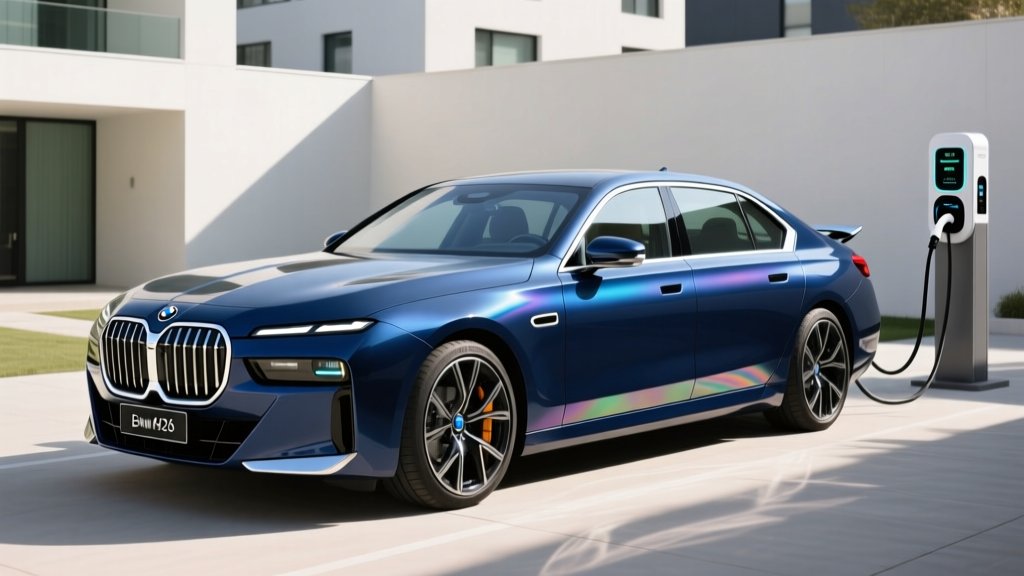
The BMW i7 is the battery-electric flagship of BMW's 7 Series lineup — a full-size luxury sedan that trades the traditional V8 for a dual-motor electric powertrain without sacrificing the ride quality and cabin refinement the 7 Series is known for. For 2026, the i7 xDrive60 remains the volume model, delivering 536 horsepower, an EPA-estimated 318 miles of range, and a cabin loaded with technology including the available 31-inch Theater Screen for rear passengers.
But at a starting MSRP above $124,000, the i7 occupies a rarefied segment where buyers expect perfection. Does BMW's electric flagship deliver, or do rivals like the Mercedes-Benz EQS and Lucid Air offer more for the money? Here's the data-driven breakdown.
| Specification | Value |
|---|---|
| EPA Estimated Range | 318 miles (19" wheels); 295 miles (21" wheels) |
| Battery (Usable Capacity) | 101.7 kWh (gross ~105.7 kWh), NMC lithium-ion |
| Drivetrain | Dual-motor AWD (xDrive) |
| Horsepower / Torque | 536 hp / 549 lb-ft |
| 0-60 mph | 4.5 seconds |
| Max DC Fast Charge Rate | 195 kW (CCS/NACS) |
| 10-80% DC Fast Charge Time | ~34 minutes |
| Level 2 Charge Rate (11 kW onboard) | ~30 miles per hour |
| MPGe (Combined) | 82 MPGe |
| Energy Consumption | 41 kWh/100 mi |
| Cargo Volume | 17.7 cu ft (trunk) |
| Rear Legroom | 42.8 inches |
| Battery Warranty | 8 years / 100,000 miles |
| Base MSRP (xDrive60) | $124,200 (before destination) |
Range and Efficiency: EPA Numbers vs. Real-World Driving
The BMW i7 xDrive60 carries a large 101.7 kWh usable battery pack using NMC (nickel manganese cobalt) chemistry — chosen for its higher energy density, which is necessary to push a 5,800-pound luxury sedan past 300 miles of range. With the standard 19-inch aerodynamic wheels, the EPA rates the i7 at 318 miles combined.
EPA sticker: 318 miles (19" wheels)
Highway driving (70-75 mph): Expect 260-285 miles. The i7's large frontal area and sedan weight penalize high-speed efficiency more than city driving where regenerative braking recovers energy.
Cold weather (below 32°F): Plan for 220-260 miles depending on cabin heating use. NMC chemistry loses roughly 15-25% capacity in freezing temps without consistent preconditioning.
Mixed real-world average: ~280-295 miles for moderate-climate owners doing a mix of city and highway driving.
Efficiency is rated at 82 MPGe combined, translating to 41 kWh per 100 miles. That's competitive with the Mercedes-Benz EQS 450+ (which achieves slightly better efficiency at 37 kWh/100 mi but is RWD-only) and trails the lighter Lucid Air Grand Touring (which achieves 131 MPGe). The physics are straightforward: heavier vehicles with wider tires require more energy per mile, and the i7 prioritizes ride isolation and sound deadening over weight savings.
Charging Speed: DC Fast Charging and Home Setup
The i7 supports a peak DC fast-charge rate of 195 kW via its CCS1 port (or NACS, depending on model-year adapter availability as BMW transitions to the Tesla connector standard). That peak rate is achievable at a compatible 200+ kW station, but as with all EVs, the charge curve tapers significantly as the battery fills.
| Charge Level | Power (kW) | Speed / Time | Notes |
|---|---|---|---|
| Level 1 (120V household) | ~1.4 kW | ~4 miles per hour | Emergency only; full charge in ~72 hours |
| Level 2 (240V, 48A) | 11.5 kW | ~30 miles per hour; full charge in ~10.5 hrs | Requires hardwired 60A circuit or NEMA 14-50 at 40A |
| DC Fast (peak) | 195 kW | 10-80% in ~34 min | Peak rate sustained to ~40% SoC, then tapers |
| DC Fast (average 10-80%) | ~130 kW avg | ~170 miles added in 34 min | Curve drops to ~75 kW above 80% SoC |
Preconditioning matters. The i7's navigation system will automatically precondition the battery for optimal charge speed when a DC fast charger is set as your destination. Without preconditioning — for example, arriving at a charger after the car has been parked cold — expect 10-80% times to stretch to 45+ minutes in cold weather. Always navigate to your charger using the built-in system to trigger thermal prep.
For home charging, the i7's 11 kW onboard charger is adequate for overnight replenishment. Most owners driving 40-60 miles daily will recover their daily use in roughly two hours on a Level 2 home charger. A full Level 2 installation typically costs $800-$2,000 depending on your electrical panel's capacity and the run length from panel to garage.
Performance and Driving Dynamics
The i7 xDrive60 uses a dual-motor all-wheel-drive configuration producing 536 horsepower and 549 lb-ft of torque. The 0-60 mph sprint takes 4.5 seconds — quick for a 5,800-pound sedan, though not in sports-car territory. BMW also offers the i7 M70, which bumps output to 650 hp and drops the 0-60 time to 3.5 seconds, at a significant price premium.
Where the i7 earns its flagship badge is ride quality. The standard adaptive air suspension with automatic self-leveling absorbs road imperfections with genuine isolation. Rear-axle steering (included on most trims) shrinks the turning circle and adds agility surprising for a 212-inch-long sedan. The xDrive AWD system provides confident traction in rain and light snow, though ground clearance remains sedan-typical at 5.3 inches.
Regenerative braking offers multiple modes: adaptive (which uses radar to adjust regen based on traffic ahead), high (接近 one-pedal driving but doesn't always come to a full stop), and low (coasting). BMW does not offer true one-pedal driving to a standstill as standard, which may frustrate drivers accustomed to that feature in a Tesla or Hyundai Ioniq.
Interior, Tech, and Cargo Space
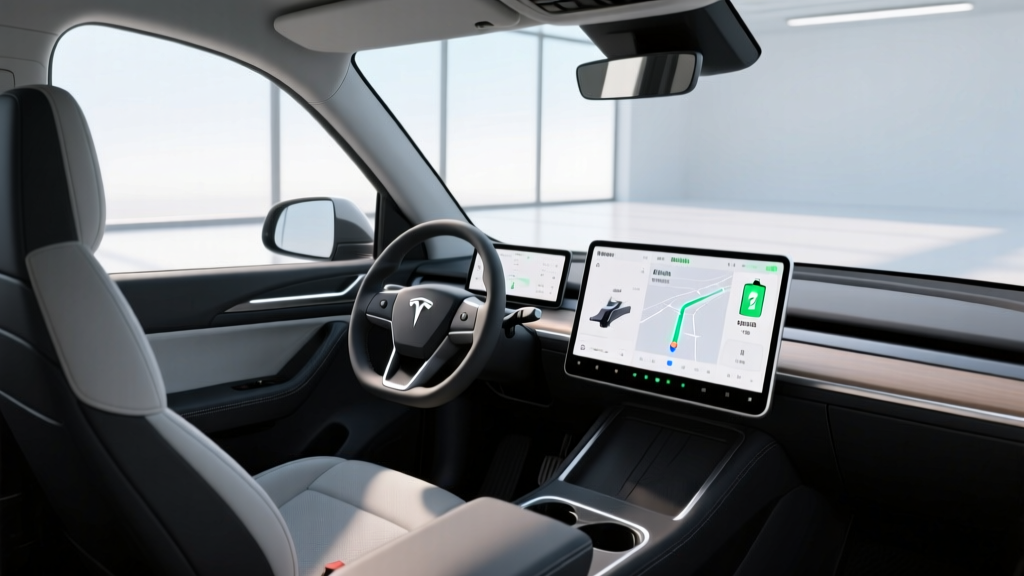
The i7 cabin is a showcase of BMW's latest design language, centered on the Curved Display — a single glass panel housing a 12.3-inch instrument cluster and a 14.9-inch infotainment touchscreen running iDrive 8.5. Wireless Apple CarPlay and Android Auto are standard, along with a head-up display and a Bowers & Wilkins 36-speaker surround-sound system (available).
The standout rear-seat feature is the available 31-inch BMW Theater Screen, an 8K display that drops from the ceiling and integrates Amazon Fire TV. It's genuinely impressive for chauffeured use or family road trips with rear-seat passengers, though it's a $3,000+ option.
Practical dimensions:
- Trunk: 17.7 cu ft — competitive with the EQS sedan (22 cu ft) but significantly less than the Lucid Air's available frunk-plus-trunk layout.
- Rear legroom: 42.8 inches — generous for full-size sedan duty and a key advantage over midsize EV sedans.
- Front headroom: 40.1 inches — adequate even with the panoramic glass roof, though taller drivers may notice the battery-raised floor position.
- No frunk: Unlike the Lucid Air or Tesla Model S, the i7 has no front trunk. The space under the hood houses HVAC and electronics.
On the driver-assistance front, the i7 comes standard with BMW's Driving Assistant Professional, a Level 2 (SAE) system that includes adaptive cruise control with stop-and-go, lane centering, and automatic lane change (with driver confirmation via turn signal). This is not autonomous driving — the driver must remain engaged and hands must periodically touch the wheel. The available Highway Assistant adds hands-free driving at up to 85 mph on compatible divided highways, similar to GM's Super Cruise in capability but still requiring driver attention via eye monitoring.
Pricing, Trims, and Federal Tax Credit Status
The 2026 BMW i7 lineup starts at $124,200 for the xDrive60 (plus $995 destination), with the high-performance M70 starting around $168,500. A well-optioned xDrive60 with the Theater Screen, Executive Package, and 21-inch wheels typically lands between $135,000 and $145,000.
| Trim | Base MSRP | Federal §30D Credit Eligible? | Effective Price (if eligible) |
|---|---|---|---|
| xDrive60 | $124,200 | No — exceeds $55,000 sedan MSRP cap | $124,200 |
| M70 | $168,500 | No — exceeds $55,000 sedan MSRP cap | $168,500 |
Under IRS §30D rules, new clean vehicle credits are capped at a $55,000 MSRP for sedans. The BMW i7, at $124,200+, exceeds this cap by a wide margin and does not qualify for the $7,500 federal EV tax credit. Buyers should not factor a federal credit into their purchase calculation.
Some state-level incentives (such as California's CVRP or utility rebates) may still apply depending on your jurisdiction — check your state energy office or utility provider for current programs.
The i7's 8-year/100,000-mile high-voltage battery warranty is standard and meets the federal minimum. BMW covers capacity degradation below 70% of original capacity within that period. The standard vehicle warranty is 4 years/50,000 miles with complimentary scheduled maintenance for 3 years/36,000 miles.
BMW i7 vs. Key Competitors
The i7 competes in a small but growing segment of full-size electric luxury sedans. Here's how it stacks up on the metrics that matter:
| Metric | BMW i7 xDrive60 | Mercedes EQS 450+ | Lucid Air Grand Touring |
|---|---|---|---|
| EPA Range | 318 mi | 352 mi | 516 mi |
| Battery (kWh usable) | 101.7 | 107.8 | 112.0 |
| Horsepower | 536 hp | 355 hp | 819 hp |
| 0-60 mph | 4.5 sec | 5.9 sec | 3.0 sec |
| Max DC Charge (kW) | 195 kW | 200 kW | 250+ kW |
| 10-80% Time | ~34 min | ~31 min | ~20 min |
| Base MSRP | $124,200 | $104,400 | $125,600 |
| Federal Credit? | No | No | No |
| Rear Legroom | 42.8 in | 41.9 in | 37.6 in |
The takeaway: The Lucid Air wins on range and charging speed decisively. The EQS wins on price and efficiency. The BMW i7 wins on rear-seat space, ride refinement, and brand cachet for traditional BMW loyalists. None qualify for the federal credit.
Pros
- Exceptional ride quality and cabin isolation — flagship-worthy comfort
- Generous rear legroom (42.8 in) for chauffeured or family use
- 318-mile EPA range is adequate for most daily needs and moderate road trips
- Standard Highway Assistant (hands-free Level 2 on divided highways)
- BMW build quality, dealer network, and complimentary maintenance
- Impressive Theater Screen option for rear-seat entertainment
Cons
- No federal tax credit eligibility due to MSRP cap
- 195 kW peak DC charge rate trails Lucid Air (250+ kW) and Porsche Taycan (270 kW)
- No front trunk (frunk) — limits total cargo versatility
- Efficiency of 41 kWh/100 mi is below segment leaders
- True one-pedal driving (to full stop) not standard
- $124,200 starting price is steep, especially without a tax credit offset
Who Should Buy the BMW i7 Electric Car?
Choose the BMW i7 if:
- You prioritize ride comfort and cabin silence over maximum range or charge speed
- You need genuine full-size sedan rear legroom for passengers or executive transport
- You're a BMW loyalist who values the brand's dealer network and iDrive ecosystem
- You want hands-free highway driving (Level 2) without subscribing to a third-party system
- Your daily commute is under 100 miles and you charge at home overnight
Look elsewhere if:
- Maximum range is your top priority — the Lucid Air Grand Touring offers 516 miles for a similar price
- You need the fastest possible road-trip charging — the Air or Taycan charge significantly faster
- Budget is a primary concern — the EQS 450+ starts $20,000 lower with more range
- You want a frunk for extra cargo flexibility
The i7 is a compelling luxury EV for buyers who value BMW's specific blend of driving dynamics and comfort. It's not the most efficient, fastest-charging, or longest-range option in its segment — but it may be the most comfortable place to spend 300 miles of driving.
Frequently Asked Questions
What is the real-world range of the BMW i7?
The EPA rates the i7 xDrive60 at 318 miles with 19-inch wheels. In mixed real-world driving, expect 280-295 miles. Highway-only driving at 70+ mph drops this to roughly 260-285 miles, and cold weather (below freezing) can reduce range to 220-260 miles. The 21-inch wheel option reduces EPA range to 295 miles.
How fast does the BMW i7 charge?
On a DC fast charger, the i7 peaks at 195 kW and charges from 10% to 80% in approximately 34 minutes under ideal conditions (preconditioned battery, compatible station). At home on a Level 2 charger (240V, 48A), it adds about 30 miles of range per hour, fully recharging overnight in roughly 10.5 hours.
Does the BMW i7 qualify for the federal EV tax credit?
No. Under current IRS §30D rules, sedans must have an MSRP at or below $55,000 to qualify for the $7,500 federal clean vehicle credit. The i7 starts at $124,200, making it ineligible regardless of buyer income or battery sourcing. Check your state for possible local incentives.
Is the BMW i7 worth buying vs. the Mercedes EQS or Lucid Air?
It depends on your priorities. The Lucid Air Grand Touring offers dramatically more range (516 mi) and faster charging. The Mercedes EQS 450+ costs $20,000 less and is more efficient. The BMW i7 excels in ride refinement, rear-seat space, and BMW's driver-assistance ecosystem. If comfort and brand loyalty matter most, the i7 earns its price. If range and value lead your checklist, look to Lucid or Mercedes.
What is the BMW i7's battery warranty?
BMW covers the i7's high-voltage battery for 8 years or 100,000 miles, whichever comes first. The warranty guarantees the battery will retain at least 70% of its original usable capacity during that period. The standard vehicle warranty is 4 years/50,000 miles.
Is the BMW i7 self-driving?
No. The i7's Driving Assistant Professional and available Highway Assistant are SAE Level 2 driver-assistance systems. The driver must remain attentive, keep eyes on the road (monitored by camera), and be ready to take over at any time. This is comparable to GM Super Cruise or Tesla Autopilot — advanced assistance, not autonomous driving.