BMW i4 Neue Klasse Rendering: A First Look at BMW's Next-Gen Electric Sedan
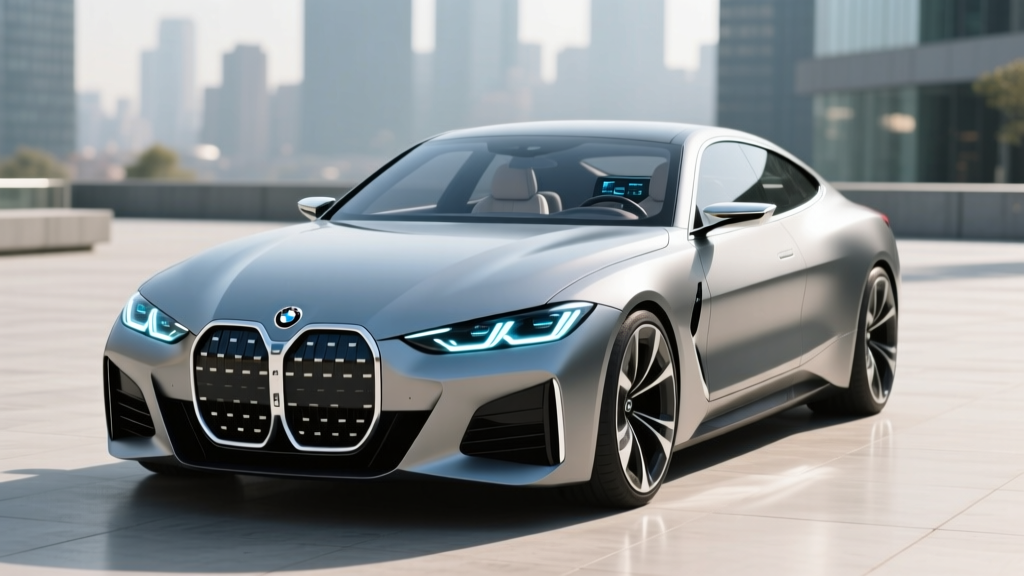
Every few months, a fresh BMW i4 Neue Klasse rendering surfaces from the European automotive press, and each one sharpens our picture of what BMW's next-generation electric 4 Series Gran Coupe will look like. Built on BMW's dedicated Neue Klasse platform — a ground-up EV architecture debuting with the iX3 replacement in late 2025 — the next i4 is expected to arrive for the 2027 model year (likely hitting U.S. showrooms in calendar-year 2026). BMW has not released official specs, pricing, or a confirmed on-sale date. Everything below is based on BMW's published Neue Klasse platform details, supplier disclosures, concept-vehicle reveals, and independent renderings from outlets like Car and Driver and European trade media.
Platform and Design: What the Renderings Tell Us
The current BMW i4 (G26) rides on a modified CLAR platform shared with the 4 Series Gran Coupe — meaning it carries legacy compromises like a tall floor and a transmission tunnel hump. The Neue Klasse architecture eliminates that entirely. BMW has confirmed the platform uses a dedicated EV skateboard with a flat battery pack, rear-biased weight distribution, and a new generation of BMW eDrive motors that are up to 20% more compact and 25% more efficient than the current fifth-gen units.
Design-wise, the most widely circulated BMW i4 Neue Klasse renderings borrow heavily from the Vision Neue Klasse concept shown at IAA 2023 and the Vision Neue Klasse X concept from 2024. Expect a simplified, angular interpretation of the kidney grille (now a flat, illuminated panel rather than a functional air intake), a stretched wheelbase, a fastback roofline retained from the current Gran Coupe, and flush door handles. The overall stance appears lower and wider than the current i4, with shorter overhangs enabled by the dedicated EV layout.
Estimated Range, Battery, and Efficiency
BMW has confirmed that Neue Klasse vehicles will use round lithium-ion cells (similar in format to Tesla's 4680 cells) supplied by CATL and EVE Energy. These prismatic-to-round cells offer approximately 20% higher energy density than the current i4's pouch cells. BMW has not published a specific kWh capacity for the i4 successor, but based on platform leaks and the battery sizes in comparable Neue Klasse models, we estimate:
| Specification | Estimated (i4 Neue Klasse) | Current i4 eDrive40 (2025) |
|---|---|---|
| Battery Chemistry | NMC (nickel manganese cobalt), round cells | NMC, pouch cells |
| Battery Capacity (Usable) | ~90–100 kWh (est.) | 83.9 kWh |
| EPA Range (Est.) | ~350–400 miles (est.) | 307 miles |
| Efficiency (Est.) | ~2.8–3.1 mi/kWh (est.) | 3.0 mi/kWh (97 MPGe combined) |
| Drivetrain | RWD (base), AWD (dual-motor xDrive) | RWD / AWD |
| 0–60 mph (Est.) | ~5.3s (base RWD), ~3.7s (M60 xDrive est.) | 5.5s / 3.7s |
| Horsepower (Est.) | ~335 hp (base), ~590 hp (M60) | 335 hp / 536 hp |
Charging Speed: DC Fast Charge and Home Level 2
BMW has confirmed that Neue Klasse vehicles will support an 800-volt electrical architecture, a major upgrade from the current i4's 400V system. This enables dramatically faster DC fast charging. Based on BMW's stated targets and comparable 800V platforms (Hyundai E-GMP, Porsche PPE):
| Charging Level | Estimated Power | Estimated Speed |
|---|---|---|
| Level 1 (120V household) | ~1.4 kW | ~4–5 miles per hour |
| Level 2 (240V home, 48A) | ~11.5 kW | ~34–38 miles per hour |
| DC Fast Charge (peak) | ~250–300 kW (est.) | 10–80% in ~18–22 minutes (est.) |
| DC Fast Charge (sustained avg) | ~180–220 kW (est.) | Expect taper above 80% SoC |
The 800V architecture means the i4 Neue Klasse should sustain higher charging power deeper into the state-of-charge curve than the current model, which peaks around 205 kW but drops off sharply past 60%. The new round-cell battery is also expected to handle higher C-rates (charge rates relative to capacity) with less thermal stress, potentially improving long-term battery health during frequent fast charging.
For home charging, BMW will likely include or offer an 11 kW onboard charger (up from the current 11 kW unit), meaning a full overnight charge on a 48-amp Level 2 home charger in roughly 9–10 hours from near-empty. Most owners charging from 20–80% daily will see a full replenishment in about 5–6 hours.
Interior, Technology, and Cargo Space
The Neue Klasse interior represents BMW's most significant cabin overhaul in a decade. The concept previews what BMW calls "Panoramic Vision" — a full-width head-up display projected across the base of the windshield, replacing the traditional instrument cluster. A central touchscreen (likely 14–15 inches) handles primary infotainment, running BMW's new iDrive X operating system with over-the-air updates, AI-driven voice assistant, and wireless Apple CarPlay/Android Auto.
BMW has also committed to using more recycled and vegan materials in Neue Klasse cabins, with a simplified center console, fewer physical buttons, and haptic-feedback touch surfaces.
Estimated dimensions based on the stretched Neue Klasse skateboard:
- Wheelbase: ~114 inches (est., up ~1.5" from current i4)
- Rear legroom: ~36 inches (est., improved by flat floor)
- Cargo volume (rear seats up): ~17–18 cu ft (est.)
- Cargo volume (rear seats folded): ~44–47 cu ft (est.)
- Frunk: Possible small front trunk (~2 cu ft), enabled by compact eDrive motors — not confirmed
The flat floor (no transmission tunnel) is the biggest practical improvement over the current i4, which inherits a tall center hump from its ICE-platform origins. Rear-seat passengers should notice meaningfully better foot room and a more natural seating position.
Pricing, Trims, and Federal Tax Credit Outlook
BMW has not announced pricing for the i4 Neue Klasse. Based on the current i4 lineup and inflation adjustments, here are preliminary estimates alongside current pricing for reference:
| Trim | Current i4 MSRP (2025) | Neue Klasse i4 Est. MSRP | Federal §30D Credit (Est.) |
|---|---|---|---|
| eDrive40 (base RWD) | $57,900 | $58,000–$62,000 | Uncertain — see below |
| xDrive40 (AWD) | $62,900 | $64,000–$68,000 | Uncertain — see below |
| M60 xDrive | $72,900 | $74,000–$79,000 | Uncertain — see below |
- MSRP cap: Sedans must be ≤$55,000 MSRP to qualify. This is a significant hurdle — the current i4 starts above that cap, and the Neue Klasse version likely will too.
- Buyer income cap: AGI ≤$150,000 (single) / ≤$300,000 (joint) to claim the credit.
- Battery sourcing: Critical minerals and battery components must meet escalating domestic-content thresholds per IRS §30D rules. BMW's reliance on CATL (China) and EVE Energy (China) for cells may complicate eligibility.
- Point-of-sale transfer: If eligible, the up-to-$7,500 credit can be applied as a discount at the dealership.
- FEOC restriction: Vehicles with battery components from a "foreign entity of concern" (primarily Chinese companies) are disqualified. This is the biggest risk factor for BMW's Neue Klasse credit eligibility.
Bottom line: The i4 Neue Klasse will likely NOT qualify for the full $7,500 federal credit at launch unless BMW restructures its battery supply chain. Consult a tax professional and check the latest fueleconomy.gov listings when the vehicle goes on sale.
Driver Assistance and Smart Features
BMW's current Driving Assistant Professional package includes adaptive cruise with stop-and-go, lane-keeping, and automatic lane-change on highways. The Neue Klasse platform is expected to debut a next-generation ADAS suite with higher-resolution sensor fusion (cameras, radar, and likely LiDAR on higher trims).
BMW's driver-assistance systems, including any new features on the Neue Klasse i4, are SAE Level 2 — meaning the driver must remain fully attentive, keep hands on or near the wheel, and be ready to take over at all times. This is not "self-driving." BMW has tested Level 3 highway systems in Germany (where regulations permit hands-off driving under 40 mph in traffic jams), but U.S. availability of Level 3 features remains uncertain and depends on state-by-state regulation.
Expect BMW to offer highway assist with automatic lane changes, evasive steering assist, and cross-traffic warning. A new "Highway Assistant" feature (similar to GM's Super Cruise or Ford's BlueCruise) allowing hands-off driving on mapped divided highways is plausible but not confirmed for the U.S. market at launch.
Pros and Cons: What We Know So Far
- Dedicated EV platform — flat floor, better interior space, lower center of gravity
- 800V architecture — potentially 10–80% in under 22 minutes at capable DC chargers
- Round-cell NMC battery with ~20% higher energy density
- 350–400 mile estimated range (base RWD)
- Panoramic Vision HUD — a genuinely new interior experience
- Improved rear-seat comfort vs. current CLAR-based i4
- BMW's driving dynamics reputation — expect sharp handling
- Base MSRP likely exceeds the $55,000 §30D sedan cap — federal tax credit unlikely
- Chinese-supplied battery cells risk FEOC disqualification from credits
- Still 1–2 years from production — early adopters face a long wait
- No confirmed frunk — BMW has historically skipped front trunks
- Gran Coupe roofline limits rear headroom and cargo height vs. SUV alternatives
- iDrive X touch-heavy interface may frustrate button-preferring drivers
Who Should Wait for the BMW i4 Neue Klasse?
- You want a sporty electric sedan with BMW driving dynamics and don't need a car today
- Fast DC charging (800V, sub-22-minute 10–80%) is a priority for road trips
- You value a flat-floor cabin and improved rear-seat practicality over the current i4
- You're planning a 2027 model-year purchase and can wait for reviews and real-world testing
- You need a vehicle in the next 6–12 months
- Federal tax credit eligibility is essential to your budget math
- You prefer proven, reviewed specs over projections
- You want an SUV form factor (look at the iX3 Neue Klasse or Tesla Model Y)
Key competitors to cross-shop: Tesla Model 3 (from ~$38,990, up to 363 mi EPA), Hyundai Ioniq 6 (from ~$37,500, up to 361 mi EPA, 800V charging), Mercedes-Benz CLA EV (upcoming MMA platform, similar timeline), and the Polestar 4. Each undercuts the i4 on price and some on range, but none match BMW's combination of build quality and driving refinement.
Frequently Asked Questions
What is the real-world range of the BMW i4 Neue Klasse?
BMW has not published EPA figures — the car is still in development. Based on platform data, we estimate an EPA rating of 350–400 miles for the base RWD model. Real-world highway driving at 75 mph in moderate weather should yield roughly 300–320 miles; in sub-freezing temperatures, expect 250–280 miles. These are projections, not guarantees.
How fast does it charge at home and on DC fast chargers?
With the new 800V architecture, DC fast charging should peak around 250–300 kW (estimated), enabling a 10–80% charge in roughly 18–22 minutes at a compatible 350 kW station. At home on a 48-amp Level 2 charger (240V, ~11.5 kW), expect about 34–38 miles of range added per hour, or a full charge overnight in 9–10 hours.
How much will the BMW i4 Neue Klasse cost after tax credits?
Estimated base MSRP is $58,000–$62,000. However, because the §30D sedan MSRP cap is $55,000 and BMW's battery supply chain relies on Chinese suppliers (CATL, EVE Energy), the i4 Neue Klasse is unlikely to qualify for the $7,500 federal credit at launch. Your actual out-of-pocket cost will likely be the full MSRP minus any state incentives. Check IRS.gov for current eligibility rules.
Is the BMW i4 Neue Klasse worth waiting for vs. competitors?
If you prioritize driving dynamics, build quality, and fast 800V charging in a luxury sedan, it's worth monitoring. But you'll wait until late 2026 or 2027, pay a premium over the Tesla Model 3 or Hyundai Ioniq 6, and likely forgo the federal tax credit. If budget or immediate availability matters, current alternatives are compelling.
Does the BMW i4 Neue Klasse qualify for the federal EV tax credit?
Almost certainly not at launch. The §30D credit requires a sedan MSRP at or below $55,000 (the i4 will exceed this) and battery sourcing that avoids "foreign entities of concern" (FEOC) — a category that includes the Chinese firms supplying BMW's cells. This could change if BMW restructures its supply chain before U.S. sales begin, but don't count on it.
What battery chemistry does the Neue Klasse i4 use?
NMC (nickel manganese cobalt) in a round-cell format, similar to Tesla's 4680 cells. BMW has confirmed this chemistry for all Neue Klasse models. NMC offers higher energy density than LFP, better cold-weather performance, and supports faster charging — but at a higher cost and with more supply-chain complexity around critical minerals.
What is the warranty on the BMW i4 Neue Klasse battery?
BMW has not published Neue Klasse-specific warranty terms. The current i4 carries an 8-year/100,000-mile battery warranty with a 70% capacity-retention threshold. Expect BMW to match or slightly exceed this for the new platform, but official terms won't be confirmed until closer to launch.
Sources: BMW Group press releases on Neue Klasse platform (2023–2025), fueleconomy.gov for current i4 EPA data, IRS §30D clean vehicle credit guidance. All Neue Klasse i4 specs are estimates based on available platform information and are subject to change.