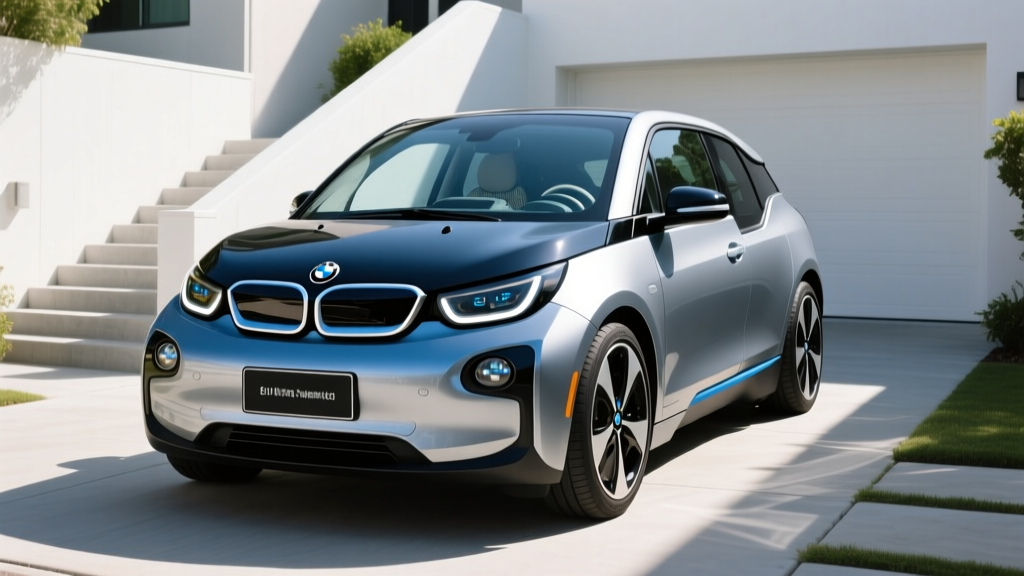
The BMW i3 remains one of the most distinctive electric vehicles ever built. Its carbon-fiber-reinforced plastic (CFRP) chassis, sustainable interior materials, and tight urban turning circle made it a genuine city EV pioneer. But BMW ended U.S. i3 production after the 2021 model year, and today's buyers are navigating a used market full of aging battery packs, discontinued parts, and model-year quirks that can turn a bargain into a money pit.
If you're researching BMW i3 years to avoid, you've come to the right place. We've analyzed owner reports, battery degradation data, recall histories, and real-world range tests across every i3 generation to help you buy smart — or walk away from a bad deal.
BMW i3 Model Years at a Glance: Quick Verdict
Here's the short version before we get into the data. The i3 went through three distinct battery generations, and the model year you choose determines everything from daily range to long-term reliability.
| Generation | Model Years | Battery (Total / Usable kWh) | EPA Range (BEV) | Verdict |
|---|---|---|---|---|
| Gen 1 (60 Ah) | 2014–2016 | 22 kWh / ~18.8 kWh | 72–81 mi | ⚠️ Avoid unless ultra-cheap & local-only |
| Gen 2 (94 Ah) | 2017–2018 | 33 kWh / ~27.2 kWh | 114 mi | ✅ Sweet spot for value buyers |
| Gen 3 (120 Ah) | 2019–2021 | 42.2 kWh / ~37.9 kWh | 153 mi | ✅ Best all-around used i3 |
The BMW i3 Years to Avoid (And Why)
2014–2016: The 60 Ah Battery Risk Zone
The earliest i3 models shipped with a 22 kWh (total) Samsung SDI battery pack using 60 Ah cells. When new, these delivered an EPA-estimated 81 miles of range (2014–2015) or 72 miles (2016, due to a slightly revised testing cycle). The chemistry is NMC (nickel manganese cobalt), which was standard for the era but has shown notable degradation over a decade of use.
Here's why these years top the "avoid" list:
- Battery degradation: 60 Ah packs commonly lose 15–25% of original capacity by 80,000–100,000 miles. A degraded 2014 i3 may deliver just 55–65 real-world miles in mixed driving — and as few as 40–50 miles in cold weather or at highway speeds.
- REx (Range Extender) complications: The optional 647cc two-cylinder gasoline range extender on 2014–2016 models is prone to fuel system issues when owners run the car primarily on electricity for months. Stale fuel, clogged injectors, and failed fuel pumps are common complaints.
- DC fast-charge limitations: The 60 Ah i3 maxes out at just 47 kW on DC fast charging — even with the optional CCS port. That means a 10–80% charge takes roughly 45 minutes, which is painfully slow by 2026 standards.
- Parts discontinuation risk: As BMW shifts focus to its Neue Klasse lineup, replacement CFRP body panels, unique interior trim pieces, and model-specific electronics for early i3s are becoming harder to source.
EPA sticker: 72–81 miles.
Actual mixed driving (2026, degraded pack): 55–68 miles.
Highway at 70 mph: ~45–55 miles.
Cold weather (below 32°F): 40–50 miles.
This is a neighborhood runabout, not a commuter car for most buyers.
2017–2018: The 94 Ah Transition — Generally Safe
BMW upgraded to a 33 kWh (total) / ~27.2 kWh usable Samsung SDI pack with 94 Ah cells for 2017. The EPA range jumped to 114 miles for the BEV version, a meaningful improvement. DC fast charging also improved to a peak of 50 kW via CCS.
These model years are not on the avoid list — they represent solid value in the used market. However, buyers should still request a battery health report (State of Health, or SoH) before purchase. A healthy 94 Ah pack should show 85–92% SoH at 60,000–80,000 miles. Anything below 80% is a negotiation point or a walk-away signal.
2019–2021: The 120 Ah Generation — The Best Used i3
The final i3 generation uses a 42.2 kWh (total) / ~37.9 kWh usable Samsung SDI pack with 120 Ah cells. EPA range reached 153 miles, and DC fast charging peaked at 50 kW (with a sustained rate around 40–45 kW up to about 60% SoC before tapering).
These are the most desirable used i3s and the ones we recommend most strongly. Battery degradation data from European and U.S. owner communities shows 120 Ah packs retaining 90–95% SoH at 50,000 miles — significantly better than the 60 Ah generation at similar mileage.
BMW i3 Full Specifications: What You're Getting
| Specification | Value |
|---|---|
| EPA Range | 153 miles |
| Battery (Total / Usable) | 42.2 kWh / ~37.9 kWh |
| Chemistry | NMC (Samsung SDI, 120 Ah prismatic cells) |
| Motor | Single rear-mounted AC synchronous (RWD) |
| Horsepower | 170 hp (125 kW) |
| Torque | 184 lb-ft |
| 0–60 mph | 6.9 seconds |
| Top Speed | 93 mph (electronically limited) |
| MPGe (Combined) | 113 MPGe |
| Efficiency | 30 kWh/100 mi |
| DC Fast Charge (Peak) | 50 kW (CCS) |
| 10–80% DC Charge Time | ~42 minutes |
| Level 2 Charge Rate | 7.4 kW (240V, 32A) |
| Level 2 Time (0–100%) | ~5.5 hours |
| Level 1 Charge Rate | ~1.4 kW (120V) |
| Cargo Volume (rear seats up) | 15.1 cu ft |
| Cargo Volume (rear seats folded) | 36.0 cu ft |
| Front Legroom | 40.5 in |
| Rear Legroom | 31.9 in |
| Curb Weight | ~2,860 lbs |
| Battery Warranty (Original) | 8 years / 100,000 miles (below 70% capacity) |
Source: U.S. EPA / fueleconomy.gov
EPA sticker: 153 miles.
Actual mixed driving (healthy pack, 60–75°F): 135–150 miles.
Highway at 70 mph: ~115–125 miles (the i3's tall, narrow profile creates aerodynamic drag).
Cold weather (below 32°F): 100–115 miles — the i3 lacks a heat pump, relying on resistive cabin heating that draws heavily from the pack.
Charging the BMW i3: What to Expect in 2026
Charging speed is one of the i3's biggest compromises by modern standards. Here's a breakdown of what you'll experience at each charging level:
| Charging Level | Power (kW) | Miles Added per Hour | Notes |
|---|---|---|---|
| Level 1 (120V household) | ~1.4 kW | ~5 mi/hr | Emergency/trickle only; full charge ~27 hours |
| Level 2 (240V, 32A) | 7.4 kW | ~25 mi/hr | Home standard; full charge ~5.5 hours |
| DC Fast Charge (CCS) | 50 kW peak | ~150 mi/hr (at peak) | 10–80% in ~42 min; tapers above 60% SoC |
The 50 kW DC fast-charge ceiling is the i3's most significant road-trip limitation. For comparison, a 2026 Hyundai Ioniq 5 can sustain 230+ kW on a compatible charger, completing 10–80% in roughly 18 minutes. The i3 will require nearly three times as long at a DC fast charger, making it impractical for frequent highway travel.
Practical charging tip: The i3 uses a CCS1 connector for DC fast charging (when equipped with the optional DC fast-charge package — verify this is included on any used i3 you consider). Some early 2014 models were sold without the DC fast-charge option, limiting them to Level 2 only. Always check for the CCS port below the standard J1772 inlet.
Pricing, Used Market Values, and Tax Credits
The BMW i3 is no longer sold new, so federal tax credit eligibility under IRS §30D does not apply — that credit is for new vehicle purchases only.
However, the Used Clean Vehicle Credit (§25E) may apply if you buy from a licensed dealer. Here are the key rules for 2026:
- Credit amount: 30% of the sale price, up to a maximum of $4,000.
- Vehicle price cap: The dealer sale price must be $25,000 or less.
- Buyer income limits: AGI must not exceed $75,000 (single), $112,500 (head of household), or $150,000 (joint).
- Vehicle age: Must be at least 2 model years old (all i3s qualify).
- Dealer requirement: Must purchase from a licensed dealer who reports the sale to the IRS.
- Battery capacity: Vehicle must have at least 7 kWh of battery capacity (all i3s qualify).
| Model Year | Battery | Typical Price Range | $4,000 Used Credit Eligible? | Effective Price After Credit |
|---|---|---|---|---|
| 2014–2015 | 60 Ah (22 kWh) | $7,500–$11,000 | Yes (if ≤$25K from dealer) | $3,500–$7,000 |
| 2016–2017 | 60/94 Ah | $9,000–$14,000 | Yes | $5,000–$10,000 |
| 2018 | 94 Ah (33 kWh) | $12,000–$17,000 | Yes | $8,000–$13,000 |
| 2019–2020 | 120 Ah (42.2 kWh) | $17,000–$23,000 | Yes (most trims) | $13,000–$19,000 |
| 2021 | 120 Ah (42.2 kWh) | $20,000–$26,000 | Partial (only if ≤$25K) | $16,000–$22,000 |
Price ranges are estimates based on major used-car listing platforms as of early 2026. Actual prices vary by mileage, condition, region, and trim. Confirm §25E eligibility with your dealer and a tax professional. Source: IRS.gov — Used Clean Vehicle Credit
Reliability, Recalls, and Known Issues by Year
Beyond battery degradation, several model-year-specific issues affect the i3's long-term ownership experience:
Recalls to Check
- Fuel tank venting (REx models, 2014–2016): Certain range-extender i3s were recalled for a fuel tank vent line issue that could cause fuel vapor leaks. Verify recall completion on any REx model via NHTSA.gov.
- 12V battery drain (all years): The i3's 12V auxiliary battery is known to drain if the car sits unplugged for extended periods. Unlike the main traction battery, the 12V system powers electronics and door locks — a dead 12V means you can't even open the car.
Common Owner Complaints
- Tire wear and availability: The i3 uses an unusual 155/70R19 tire size (Bridgestone Ecopia EP600 was OEM). These are expensive, have limited brand options, and wear quickly due to the car's instant torque and relatively heavy curb weight for its size.
- Climate control inefficiency: The i3 uses a resistive heater rather than a heat pump. In cold climates, cabin heating can reduce range by 25–35%. This is the single biggest real-world range killer for northern-state owners.
- iDrive infotainment aging: The i3's iDrive system (varies by year) feels dated by 2026 standards. Earlier models (2014–2017) use the older iDrive interface with a smaller screen and no wireless Apple CarPlay. 2018+ models gained a larger display and wireless CarPlay, but Android Auto was never officially supported.
- Suspension and bushings: At 80,000+ miles, front suspension bushings and strut mounts may need replacement — not unusual for a 10-year-old BMW, but labor costs at BMW dealerships can be steep.
BMW i3 vs. Key Used EV Competitors
The i3 competes in the used market against several other affordable EVs. Here's how it stacks up against the most common cross-shopped alternatives:
| Vehicle | Year Range | EPA Range | Battery | DC Fast Charge | Used Price (approx.) |
|---|---|---|---|---|---|
| BMW i3 (120 Ah) | 2019–2021 | 153 mi | 42.2 kWh (NMC) | 50 kW | $17K–$26K |
| Nissan Leaf (62 kWh) | 2019–2023 | 212–226 mi | 62 kWh (NMC) | ~46 kW (CHAdeMO) | $14K–$24K |
| Chevy Bolt EV | 2017–2023 | 238–259 mi | 60–65 kWh (NMC) | ~55 kW (CCS) | $13K–$25K |
| Hyundai Kona Electric | 2019–2021 | 258 mi | 64 kWh (NMC) | ~77 kW (CCS) | $18K–$27K |
| VW e-Golf | 2017–2019 | 125 mi | 35.8 kWh (NMC) | ~50 kW (CCS) | $12K–$18K |
Who Should Buy the BMW i3 — And Who Shouldn't
✅ Buy the i3 If:
- You need a premium-feeling city commuter with a tight 32.8-foot turning circle
- Your daily round-trip commute is under 60 miles
- You can charge at home every night (Level 2 strongly recommended)
- You value unique design, sustainable materials, and BMW driving dynamics
- You want a second car for errands and local driving
- You live in a mild climate (less cold-weather range loss)
❌ Skip the i3 If:
- You need more than 150 miles of range for your commute
- You take regular road trips (50 kW charging is painfully slow)
- You frequently carry rear-seat passengers (31.9" legroom is very tight)
- You live in a cold climate and can't accept 25–35% winter range loss
- You need cargo space for family gear (15.1 cu ft with seats up)
- You want modern driver-assist features (the i3 only offers basic FCW and AEB)
Pre-Purchase Checklist: How to Evaluate a Used BMW i3
Before you hand over any money, insist on these checks:
- Battery State of Health (SoH): Ask the seller or a BMW dealer to pull the battery health report. For a 120 Ah pack, you want to see 85%+ SoH. For a 94 Ah pack, 80%+ is acceptable. Below 70%, the original 8-year/100,000-mile battery warranty may still cover replacement — verify with BMW.
- DC fast-charge port: Physically verify the CCS port exists. Some base 2014–2016 i3s were sold without it.
- REx fuel system (if applicable): On range-extender models, check for fuel system service records. If the owner rarely used the REx, stale fuel may have damaged injectors or the fuel pump.
- Recall completion: Run the VIN at NHTSA.gov and confirm all open recalls have been addressed.
- Tire condition: Check tread depth and note the brand. Budget $600–$900 for a set of replacement tires if the current set is worn.
- 12V battery age: If the 12V battery is original (check the date sticker), plan to replace it ($150–$250).
- Cabin pre-conditioning test: Start the car and test both heating and A/C. The electric climate system should engage immediately without unusual noise.
Frequently Asked Questions
What is the real-world range of the BMW i3?
For the best-used 120 Ah models (2019–2021), expect 135–150 miles in mild-weather mixed driving versus the EPA's 153-mile sticker. Highway driving at 70 mph drops that to 115–125 miles. In freezing temperatures, plan for 100–115 miles due to resistive cabin heating. The older 60 Ah models (2014–2016) may deliver just 55–68 real-world miles with a degraded pack.
How fast does the BMW i3 charge?
The 120 Ah i3 peaks at 50 kW on a DC fast charger, completing 10–80% in approximately 42 minutes. At home on a Level 2 (240V/32A) charger, it adds about 25 miles per hour and fully charges in roughly 5.5 hours. Level 1 (120V) trickle charging adds just 5 miles per hour. By 2026 standards, 50 kW DC charging is slow — most modern EVs charge at 150–350 kW.
Does the BMW i3 qualify for any tax credit?
Not the new-vehicle §30D credit, since the i3 is discontinued. However, you may qualify for the Used Clean Vehicle Credit (§25E) worth up to $4,000 if you buy from a licensed dealer for $25,000 or less and your AGI is within IRS limits ($75K single / $150K joint). Confirm eligibility with your tax professional and review current rules at IRS.gov.
Is the BMW i3 worth buying vs. a used Chevy Bolt or Nissan Leaf?
It depends on your priorities. The Chevy Bolt EV offers 238–259 miles of EPA range and a larger battery for a similar or lower price — it's the practical choice. The Nissan Leaf Plus offers 212+ miles but uses the CHAdeMO connector, which is being phased out at most U.S. charging networks. The i3 wins on interior quality, driving dynamics, and city maneuverability, but you pay a premium for less range and slower charging. For a primary commuter with a longer drive, the Bolt is the stronger pick. For a stylish second car, the i3 excels.
What are the biggest pros and cons of the BMW i3?
- Premium interior with sustainable materials
- Exceptional visibility and tight turning circle (32.8 ft)
- Quick off the line (170 hp, instant torque, 6.9s 0–60)
- Lightweight CFRP construction
- Strong 120 Ah battery longevity data
- Eligible for up to $4,000 used-EV tax credit
- Limited range (153 mi EPA max, less in real-world)
- Slow 50 kW DC fast charging
- Tight rear seat (31.9" legroom)
- No heat pump (severe cold-weather range loss)
- Unusual tire size — expensive replacements
- Dated infotainment, no Android Auto
- Minimal driver-assist tech (no adaptive cruise)
- Discontinued — parts availability declining
How long will a BMW i3 battery last?
BMW warranted the i3's high-voltage battery for 8 years or 100,000 miles against dropping below 70% capacity. Real-world data from owner communities shows the 120 Ah (2019–2021) packs retaining 88–95% capacity at 60,000 miles. The earlier 60 Ah packs degraded more aggressively, with some dropping below 75% by 80,000 miles. If you're buying a 2019–2021 model, the battery should still provide reliable service for another 5–8 years with normal use.
Can I still get the BMW i3 serviced?
Yes — BMW dealerships continue to service the i3, and independent EV-specialty shops are increasingly familiar with the platform. However, unique parts like CFRP body panels, the electric climate compressor, and model-specific trim pieces may require longer lead times as the model ages. We recommend establishing a relationship with a knowledgeable independent BMW/EV shop rather than relying exclusively on dealer service.
Always verify specifications, recall status, and tax-credit eligibility with official sources including fueleconomy.gov, NHTSA, and IRS.gov before making a purchase decision. Used vehicle prices and tax rules are subject to change.