Quick Verdict: The Pioneer EV That Started It All
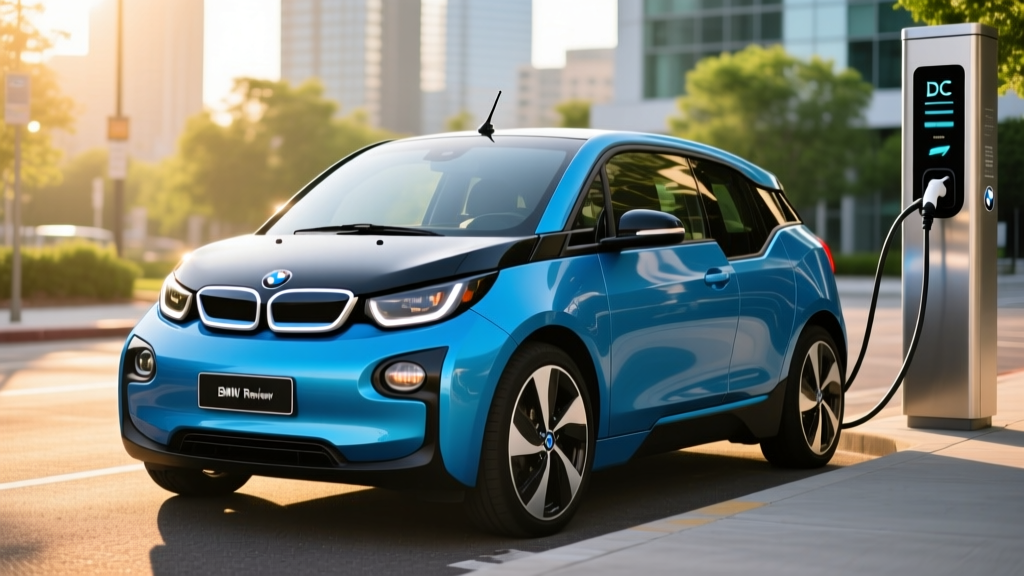
The BMW i3 was one of the first mass-market electric vehicles to prove that a purpose-built EV could be practical, efficient, and genuinely fun to drive. Though BMW discontinued the i3 after the 2021 model year, it remains a compelling option on the used EV market — especially for urban commuters who value nimble handling, a tight turning circle, and a carbon-fiber-reinforced plastic (CFRP) chassis that still feels futuristic.
If you're researching BMW i3 horsepower, the headline number is 170 hp from its rear-mounted electric motor. But the i3 story is about more than peak power: it's about radical lightweighting, exceptional city efficiency, and a unique ownership proposition that still holds up years later.
| Spec | Value |
|---|---|
| Motor Output | 170 hp (125 kW) / 184 lb-ft torque |
| 0–60 mph | 6.9 seconds |
| Drivetrain | Rear-wheel drive (single motor) |
| Battery (Usable) | 37.9 kWh (42.2 kWh gross), NMC |
| EPA Range | 153 miles |
| EPA Efficiency | 113 MPGe (30 kWh/100 mi) |
| Max DC Fast Charge | 50 kW (CCS) |
| 10–80% DC Charge Time | ~39 minutes |
| Level 2 Charge Rate | 7.4 kW (~25 mi/hr) |
| Cargo Volume | 15.1 cu ft (rear seats up) |
| Battery Warranty (New) | 8 years / 100,000 miles |
Battery, Range, and Real-World Efficiency
The final-generation i3 (120 Ah model, introduced for 2019 and sold through 2021) carries a 42.2 kWh gross / 37.9 kWh usable lithium-ion battery pack using NMC (nickel manganese cobalt) cell chemistry. Samsung SDI supplied the prismatic cells, arranged in eight modules of 12 cells each.
The EPA rated the 120 Ah i3 at 153 miles of combined range — a meaningful jump from the earlier 94 Ah model's 114 miles and the original 60 Ah version's 81 miles.
Real-World Range: What to Actually Expect
EPA Sticker: 153 miles
City / Moderate Conditions: 145–160 miles (the i3's regenerative braking and low mass favor stop-and-go driving)
Highway (70+ mph): 120–135 miles (the boxy shape and narrow tires generate more drag at speed)
Cold Weather (below 32°F): 95–115 miles (the i3 lacks a heat pump; resistive cabin heating draws significant battery energy)
The i3 has no active battery thermal management for preconditioning during DC fast charging, which means charge speeds drop noticeably in cold or very hot conditions. Plan accordingly on road trips.
Efficiency is where the i3 genuinely shines. At 113 MPGe combined (30 kWh per 100 miles), it was one of the most efficient EVs ever sold in the U.S. — and it still outperforms most modern EVs in energy consumption per mile. The lightweight CFRP and aluminum structure (curb weight around 2,850 lbs) is the key reason.
BMW i3 Horsepower and Driving Performance
The i3's rear-axle synchronous electric motor produces 170 horsepower (125 kW) and 184 lb-ft of torque. That torque is available from zero RPM, which gives the i3 a punchy, eager feel in city driving that belies its modest peak output.
BMW published a 0–60 mph time of 6.9 seconds for the 120 Ah BEV model. That's brisk enough for confident highway merging and entertaining on back roads, though it won't win drag races against a Tesla Model 3 or Hyundai Ioniq 5.
The i3's handling is its secret weapon. The ultra-light platform, rear-wheel-drive layout, and extremely tight 32.3-foot turning circle make it one of the most agile small cars ever built — electric or otherwise. The skinny 155/70R19 tires prioritize low rolling resistance over grip, so the i3 encourages a smooth, momentum-based driving style rather than aggressive cornering.
The standard one-pedal driving mode is strong and predictable, with regenerative braking that can bring the car to a full stop without touching the brake pedal. This was a standout feature when the i3 launched and remains satisfying today.
For buyers who wanted more range, BMW offered the i3 REx (Range Extender) variant with a 647cc two-cylinder gasoline engine that acted as a generator to maintain battery charge. The REx added roughly 80–100 miles of extended range but added weight, complexity, and required gasoline for longer trips. The REx model rated at 126 miles of electric-only range (EPA) before the generator kicked in.
Charging Speed: DC Fast and Home Level 2
The i3 supports CCS1 DC fast charging at a peak rate of 50 kW. By modern standards (where 150–250 kW is common), this is slow. A 10–80% session takes approximately 39 minutes, and the charge curve is relatively flat because the small battery pack limits how much power it can safely accept.
| Charging Level | Power | Speed (Miles Added per Hour) | Full Charge Time |
|---|---|---|---|
| Level 1 (120V outlet) | ~1.4 kW | ~4–5 mi/hr | ~28 hours |
| Level 2 (240V, 32A) | 7.4 kW | ~25 mi/hr | ~5.5 hours |
| DC Fast (CCS) | 50 kW peak | ~100 mi/hr (10–80%) | ~39 min (10–80%) |
For daily use, most i3 owners charge at home on Level 2. A full overnight charge from near-empty takes about 5.5 hours on a 7.4 kW Level 2 station, which is perfectly adequate for a car with 153 miles of range. The i3's onboard charger maxes out at 7.4 kW, so installing a 48A (11.5 kW) home charger won't speed things up — a 32A circuit is all you need.
The lack of battery thermal preconditioning is a real-world limitation. If you arrive at a DC fast charger with a cold battery (common in winter), the car may limit charge power to 25–30 kW until cells warm up through charge-current heating. BMW does not offer a navigation-based preconditioning feature like Tesla or Porsche.
Pricing, Trims, and Federal Tax Credit Eligibility
Because the BMW i3 was discontinued after 2021, all available examples are now on the used market. Prices vary by mileage, condition, and model year, but typical asking prices for a 2019–2021 i3 (120 Ah) range from $18,000 to $28,000 depending on trim and mileage.
| Item | Amount |
|---|---|
| Original MSRP (2021 base) | $44,450 |
| Original MSRP (2021 i3s) | $47,650 |
| Typical Used Price (2019–2021) | $18,000–$28,000 |
| Used EV Tax Credit (IRS §25E) | Up to $4,000 (30% of sale price, capped) |
| Federal New EV Credit (§30D) | No longer applicable (discontinued) |
Tax credit note: The IRS §30D new-vehicle credit no longer applies because the i3 is out of production. However, the IRS §25E used clean vehicle credit may apply: eligible buyers can claim 30% of the sale price, up to $4,000, on a qualifying used EV purchased from a dealer for $25,000 or less. Income caps apply ($75,000 single / $150,000 married filing jointly), and the vehicle must be at least two model years old. Verify eligibility with your tax professional and the latest IRS guidance, as rules can change.
The i3 was offered in two trims in its final years:
- i3 (base): 170 hp, 153-mile range, 19-inch wheels
- i3s: 184 hp, 153-mile range, sport-tuned suspension, 20-inch wheels, wider track — slightly quicker (0–60 in ~6.5 seconds)
Interior, Cargo, and Daily Practicality
The i3's interior is unlike anything else in the BMW lineup. Sustainable materials dominate: eucalyptus wood dash trim, recycled-plastic textiles, and optional wool-blend upholstery. The open, airy cabin with its thin A-pillars and tall roofline feels more like a loft than a car.
Practicality specifics:
- Cargo (rear seats up): 15.1 cu ft
- Cargo (rear seats folded): 51.0 cu ft
- Rear legroom: 31.9 inches (tight for taller passengers)
- Front headroom: 40.2 inches (excellent)
- Seating: 4 passengers only (no middle rear seat)
The rear-hinged "coach doors" (suicide doors) provide decent rear access but require the front door to open first, which can be awkward in tight parking spots. The small front trunk (frunk) holds the charging cable but not much else.
For a solo commuter or a couple, the i3 is comfortable and practical. For families with children or anyone who regularly hauls cargo, the limited space is a genuine constraint.
Tech, Safety, and Driver Assistance
The final-generation i3 came with BMW's iDrive 6.0 infotainment system on a 10.25-inch display. It supports Apple CarPlay (wired) but not Android Auto. The system is responsive and logical, though it feels dated compared to 2025-era interfaces.
Standard and available driver-assist features include:
- Forward collision warning with city collision mitigation
- Lane departure warning (not lane-keeping assist)
- Park Distance Control (front and rear sensors)
- Adaptive cruise control (optional)
- Automatic high beams (optional)
The i3 does not offer any Level 2 highway driving-assist system (no hands-on-centering or automated lane changes). It is strictly a SAE Level 1 vehicle for driver assistance. If advanced driver-assist features are a priority, the i3 falls short of competitors like the Chevrolet Bolt EUV or Hyundai Kona Electric.
NHTSA did not crash-test the i3. The IIHS rated the 2017–2021 i3 as "Good" in most crashworthiness categories but noted the headlights as "Poor" on base models.
Battery Longevity and Warranty
BMW's original battery warranty covered 8 years or 100,000 miles against capacity loss below 70% of original. For a 2019 model, that warranty extends through 2027; for a 2021 model, through 2029.
Real-world battery degradation data from i3 owners has been encouraging. The Samsung SDI NMC cells in the 120 Ah pack typically show 5–10% capacity loss after 5 years / 60,000 miles, based on community reporting from forums like SpeakEV and i3 owners' groups. The i3's conservative usable buffer (roughly 4.3 kWh held in reserve) helps protect long-term health.
Replacement battery cost, should it be needed out of warranty, is estimated at $8,000–$14,000 including labor — a significant expense relative to the car's current market value. However, module-level repair (replacing individual faulty modules rather than the full pack) is possible and significantly cheaper at $1,500–$3,000.
Pros, Cons, and Who Should Buy
Pros
- Exceptional efficiency (113 MPGe) keeps charging costs minimal
- Ultra-light CFRP construction gives nimble, engaging handling
- Tight turning circle ideal for city driving and parking
- Unique, sustainable interior materials
- Strong one-pedal driving experience
- Battery degradation has proven manageable in real-world use
Cons
- 153-mile EPA range limits road-trip usefulness
- 50 kW DC fast charging is slow by modern standards
- No battery thermal preconditioning for cold-weather charging
- Very limited rear-seat and cargo space
- No Android Auto; dated infotainment
- No advanced Level 2 driver-assist system
- Coach doors awkward in tight spaces
Who This EV Suits Best
Ideal buyer: Urban or suburban commuter driving under 80 miles round-trip daily, with reliable home Level 2 charging, who values efficiency, unique design, and engaging city driving dynamics. The i3 is an excellent second car or a solo commuter's daily driver.
Not ideal for: Families needing rear-seat space, frequent road-trippers, buyers in extreme cold climates (without a garage), or anyone who wants modern driver-assist technology and fast public charging.
Frequently Asked Questions
What is the BMW i3 horsepower?
The standard BMW i3 (120 Ah, 2019–2021) produces 170 horsepower and 184 lb-ft of torque from its single rear-mounted electric motor. The sportier i3s variant bumps output to 184 hp.
What is the real-world range of the BMW i3?
The EPA rates the 120 Ah i3 at 153 miles combined. In real-world driving, expect 145–160 miles in city conditions, 120–135 miles at highway speeds, and 95–115 miles in freezing weather due to resistive cabin heating and cold-battery efficiency loss.
How fast does the BMW i3 charge?
On a DC fast charger, the i3 peaks at 50 kW and takes about 39 minutes from 10–80% state of charge. On a home Level 2 charger (7.4 kW), a full charge takes approximately 5.5 hours. Level 1 (120V) trickle charging adds about 4–5 miles per hour.
Does the BMW i3 qualify for a federal tax credit?
The new-vehicle §30D credit no longer applies because BMW discontinued the i3 after 2021. However, the §25E used clean vehicle credit may provide up to $4,000 (30% of sale price) if you buy a qualifying used i3 from a dealer for $25,000 or less and meet income caps. Consult a tax professional and review current IRS §25E guidance.
Is the BMW i3 worth buying in 2026?
For the right buyer — a city commuter with home charging and modest daily mileage — the i3 is a compelling used-EV value at $18,000–$28,000, potentially dropping to $14,000–$24,000 after the used-EV credit. Its efficiency, handling, and build quality are excellent. However, if you need more range, faster charging, modern infotainment, or family space, a used Chevrolet Bolt EV, Hyundai Kona Electric, or Tesla Model 3 may serve you better.
What's the difference between the BMW i3 and i3s?
The i3s adds 14 hp (184 total), a sport-tuned suspension, wider track, 20-inch wheels, and a slightly quicker 0–60 time (~6.5 seconds). Range is identical at 153 miles EPA. The i3s trades a small amount of ride comfort for sharper handling.
How long will the BMW i3 battery last?
Real-world data suggests the 120 Ah NMC battery loses 5–10% capacity over 5 years / 60,000 miles. BMW's original warranty guaranteed at least 70% capacity for 8 years or 100,000 miles. With proper care (avoiding frequent 100% charges and extreme heat exposure), the pack should provide reliable service well beyond 100,000 miles.