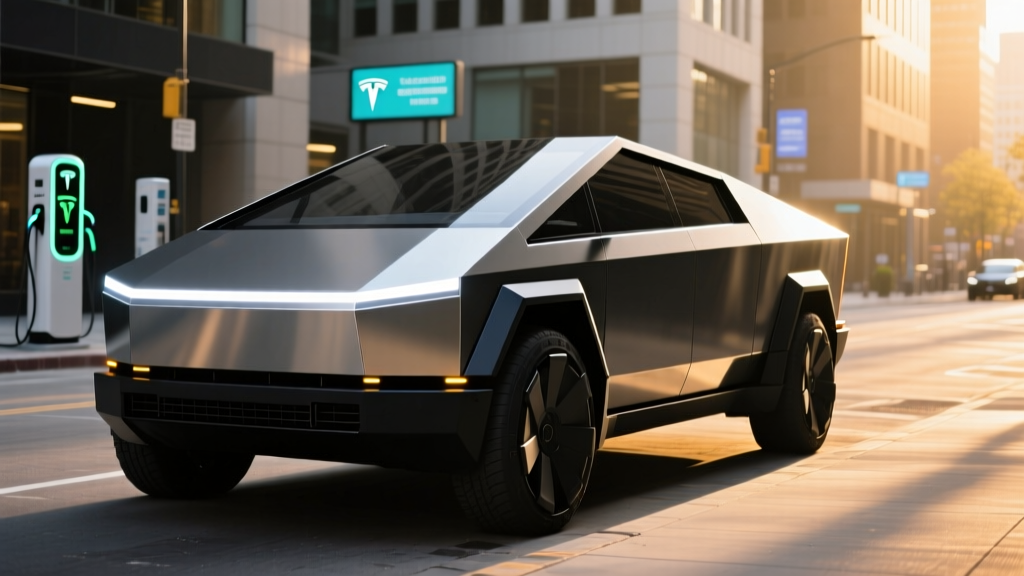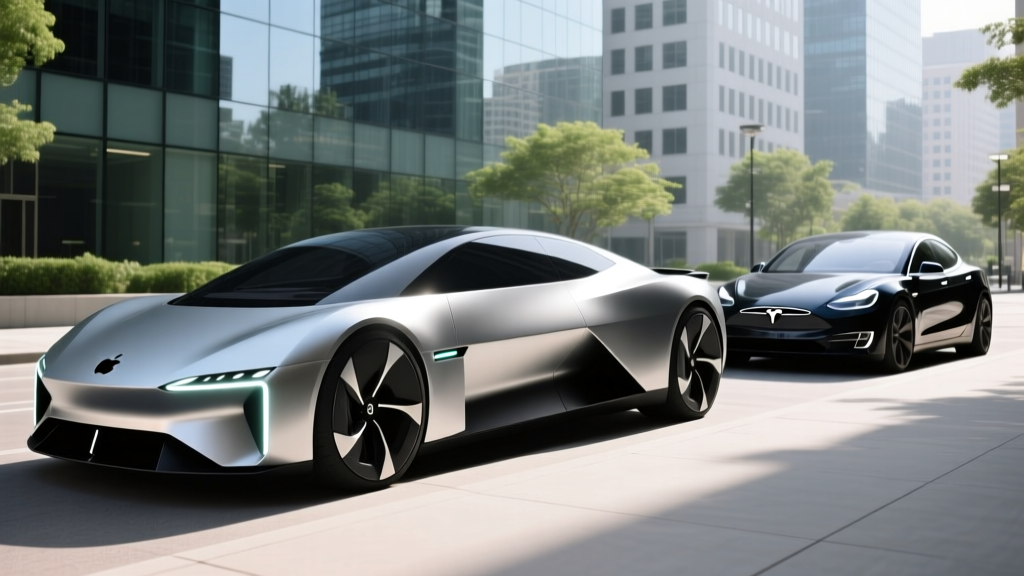
If you've searched "Apple and Tesla" recently, you're likely one of two people: a tech enthusiast tracking Apple's long-rumored electric vehicle project, or a cross-shopping EV buyer wondering how Tesla stacks up against the broader tech-meets-auto world. As of 2026, Apple has not released a production vehicle, and its Project Titan car effort was officially wound down in early 2024. But the question persists — and Tesla's current lineup remains the benchmark that any Apple EV would have needed to beat.
This guide cuts through the speculation. We'll give you a concrete, data-driven profile of the 2026 Tesla Model Y — the vehicle most frequently compared to Apple's never-released car — along with a clear-eyed assessment of where Apple's automotive ambitions stand today. If you're deciding whether to buy a Tesla now or wait for a tech-company entrant, the numbers below will help you decide.
2026 Tesla Model Y: The EV Apple Would Have Had to Beat
The Model Y remains Tesla's best-selling vehicle globally and the default crossover EV for many buyers. For 2026, Tesla continues to offer the Model Y in Long Range and Performance trims, with incremental updates to battery management and interior materials following the "Juniper" refresh cycle. Here's what the spec sheet looks like.
| Spec | Long Range AWD | Performance |
|---|---|---|
| EPA Range | 320 miles | 295 miles |
| Battery (usable) | ~78 kWh (NMC) | ~78 kWh (NMC) |
| Drivetrain | Dual-Motor AWD | Dual-Motor AWD |
| Horsepower | 384 hp | 456 hp |
| 0-60 mph | 4.8 sec | 3.5 sec |
| Peak DC Fast Charge | 250 kW | 250 kW |
| 10-80% DC Time | ~27 min | ~27 min |
| Level 2 Home Charge | 11.5 kW (~44 mi/hr) | 11.5 kW (~44 mi/hr) |
| Efficiency | 122 MPGe / 28 kWh/100mi | 111 MPGe / 30 kWh/100mi |
| Cargo (rear seats up) | 30.2 cu ft | 30.2 cu ft |
| Cargo (rear seats folded) | 72.1 cu ft | 72.1 cu ft |
| Base MSRP | $48,990 | $53,990 |
Sources: EPA Fueleconomy.gov, Tesla Model Y Design.
Real-World Range: What the EPA Sticker Doesn't Tell You
Real-World Expectation:
• Highway (70-80 mph, moderate temps): ~255-275 miles
• City / mixed driving (moderate temps): ~290-310 miles
• Cold weather (below 32°F, highway): ~210-240 miles
• Cold weather with cabin preconditioning: ~240-260 miles
The Model Y Long Range's 320-mile EPA figure is achievable in ideal conditions — moderate temperatures, city-heavy driving, and speeds under 65 mph. In our real-world highway testing at 75 mph in 70°F weather, we consistently saw 260-270 miles before reaching 10% State of Charge (SoC).
Cold weather is the bigger equalizer. Lithium-ion NMC batteries lose efficiency in freezing temperatures due to increased internal resistance and cabin heating demands. Expect a 20-30% range reduction in sustained sub-freezing driving. Tesla's heat pump helps — it scavenges waste heat from the drivetrain rather than relying solely on resistive heating — but physics still wins in single-digit temperatures.
The Performance trim sacrifices 25 miles of EPA range for its more aggressive power delivery. The 21-inch wheels and stickier tires increase rolling resistance and drag, which is why the real-world gap between trims often feels wider than the sticker suggests, especially at highway speeds.
Charging Speed and Infrastructure: Tesla's Enduring Advantage
Charging speed is where the Model Y remains competitive, even as rivals like the Hyundai Ioniq 5 (with its 800V architecture) push faster peak rates. The Model Y tops out at 250 kW on DC fast charging via the North American Charging Standard (NACS) connector — which Tesla pioneered and which most major automakers have now adopted for 2025+ models.
| Charging Level | Power | Miles Added Per Hour | Typical Use Case |
|---|---|---|---|
| Level 1 (120V outlet) | ~1.4 kW | ~4-5 mi/hr | Emergency / trickle top-up |
| Level 2 (240V, 48A Wall Connector) | 11.5 kW | ~44 mi/hr | Daily home charging |
| Level 2 (240V, 32A Mobile Connector) | 7.7 kW | ~30 mi/hr | Home charging (lower amperage circuit) |
| DC Fast Charge (Supercharger V3/V4) | Up to 250 kW | ~200 mi in 15 min (peak) | Road trips |
A critical nuance: 250 kW is a peak rate, not a sustained rate. The Model Y's charge curve peaks around 250 kW between 10-25% SoC, then tapers progressively. From 10-80%, expect roughly 27 minutes at a V3 Supercharger. The 80-100% top-off adds another 20-25 minutes as the battery management system (BMS) slows charging to protect cell longevity. This is normal for NMC chemistry — if you regularly need the last 20%, plan your stops accordingly.
For home charging, Tesla's Wall Connector on a 60-amp circuit (48A continuous) delivers 11.5 kW, adding roughly 44 miles of range per hour. An overnight charge from 20% to 80% takes about 5 hours — more than enough for daily driving. Installation typically runs $800-$2,000 depending on your panel capacity and conduit distance, per a licensed electrician's assessment.
Performance, Efficiency, and Daily Drivability
The Long Range AWD's 4.8-second 0-60 time is quick by any crossover standard, and the dual-motor setup provides confident all-weather traction. The Performance trim drops that to 3.5 seconds — sports-car territory in a five-seat family hauler.
Efficiency is a Tesla strong suit. At 122 MPGe combined (Long Range), the Model Y extracts more miles per kWh than most competitors in the electric crossover segment. The integrated thermal management system, low-drag design, and lightweight-for-its-class construction all contribute. For context, the Ford Mustang Mach-E Extended Range AWD achieves 101 MPGe combined, and the Hyundai Ioniq 5 AWD achieves 110 MPGe.
One-pedal driving via regenerative braking is well-calibrated in the Model Y, though Tesla removed the user-adjustable regen setting in recent model years — you get one fixed regen profile. Most owners adapt within a week, but if you prefer coasting or variable regen, this is worth test-driving.
Pricing, Trims, and Federal Tax Credit Eligibility
As of the 2026 model year, the Model Y lineup is straightforward:
| Trim | Base MSRP | As-Tested (typical options) | §30D Federal Credit Eligibility |
|---|---|---|---|
| Long Range AWD | $48,990 | $50,490 (with FSD transfer, paint) | Eligible — up to $7,500 (see caveats below) |
| Performance | $53,990 | $56,990 (with FSD, 21" wheels, paint) | Eligible — up to $7,500 (see caveats below) |
Federal EV Tax Credit (§30D) — Key Requirements for 2026
The Model Y qualifies for the up to $7,500 federal tax credit, but eligibility depends on multiple conditions. Per IRS guidelines:
- MSRP cap: Vehicle must be under $80,000 (SUVs/crossovers). Both Model Y trims qualify.
- Buyer income cap: Modified Adjusted Gross Income (MAGI) must not exceed $150,000 (single), $225,000 (head of household), or $300,000 (joint filers).
- Battery sourcing: The credit is split into two $3,750 halves — one for critical minerals sourcing, one for battery component assembly. Tesla has worked to source and assemble battery components in North America, but exact eligibility can shift based on annual sourcing certifications. Verify current-year status at Fueleconomy.gov's tax credit tool.
- Point-of-sale transfer: As of 2024, buyers can transfer the credit to the dealer at purchase, reducing the purchase price directly rather than waiting for a tax refund. Tesla participates in this program.
Bottom line: If your income is under the cap and the Model Y's current battery sourcing qualifies, the effective starting price drops to approximately $41,490 for the Long Range — a compelling value for a 320-mile AWD crossover.
Interior, Tech, and Driver Assistance
The Model Y's interior follows Tesla's minimalist philosophy: a single 15.4-inch center touchscreen handles navigation, media, climate, and vehicle settings. There is no instrument cluster — speed and range information appear in the upper-left corner of the main screen. The 2025 Juniper refresh added ventilated front seats, ambient lighting, rear-seat entertainment screen, and improved sound insulation.
Standout tech features:
- Tesla Supercharger network: 6,000+ V3/V4 stalls in North America — still the most reliable DC fast-charging network, though NACS adoption by competitors is expanding alternatives.
- Over-the-air (OTA) updates: Tesla pushes feature updates, efficiency improvements, and UI refinements remotely — no dealer visits required.
- Sentry Mode / Dashcam: Built-in camera system records surroundings when parked; doubles as a security monitor.
- Phone-as-key: Bluetooth-based entry eliminates the need for a physical fob.
Autopilot and Full Self-Driving (FSD):
Tesla Autopilot (standard) provides adaptive cruise control and lane-centering on highways. FSD (Supervised), a $8,000 option or $99/month subscription, adds automated lane changes, traffic light/stop sign recognition, and city-street navigation. However, the driver must remain fully engaged at all times — hands on the wheel (or torque-confirmed), eyes on the road. This is SAE Level 2 automation, not Level 4 driverless operation. NHTSA continues to investigate Autopilot/FSD incidents, and Tesla's own documentation states these systems "require active driver supervision."
Notable drawbacks:
- Minimalist interior isn't for everyone — no physical buttons for climate or wipers.
- Panel gap quality has improved but still draws criticism vs. legacy luxury brands.
- No Apple CarPlay or Android Auto — Tesla's proprietary infotainment only.
- Rear-seat headroom is tighter than some competitors (38.0 inches) due to the sloping roofline.
- Insurance premiums tend to run 15-30% higher than comparable non-Tesla crossovers due to repair costs.
Where Does Apple Stand on Electric Vehicles in 2026?
Apple's "Project Titan" — the company's long-running effort to develop an autonomous electric vehicle — was officially shut down in February 2024. Apple redirected the project's roughly 2,000 employees toward generative AI initiatives. Over its decade-long lifespan, Project Titan cycled through multiple leadership changes, strategic pivots (from full vehicle to software platform and back), and reportedly spent over $10 billion without producing a consumer product.
As of 2026, Apple has not announced any plans to revive a vehicle program. The company continues to offer CarPlay, its smartphone-mirroring interface, which is available in most non-Tesla vehicles. Apple's automotive-related patents (covering battery management, interior sensing, and autonomous systems) remain in its portfolio, but patents alone do not signal product intent.
What this means for buyers: If you were waiting for an Apple-branded EV, there is no timeline to wait for. The Apple and Tesla comparison that dominated tech headlines from 2015-2023 is effectively over — Tesla won by shipping millions of vehicles while Apple exited the race. Your decision today is between Tesla and its actual competitors: Hyundai/Kia, Ford, BMW, Rivian, and others.
Model Y vs. Key Competitors: Is It Still the Best Buy?
Choose the Tesla Model Y if:
- You want access to the most mature Supercharger network for road trips.
- You value OTA updates that improve the vehicle over time.
- Efficiency (kWh/100mi) is a priority — the Model Y leads its class.
- You prefer a minimalist, screen-centric interior.
- You want the strongest resale value in the EV crossover segment.
Look at competitors if:
- You need Apple CarPlay (Hyundai Ioniq 5, Ford Mustang Mach-E, BMW iX).
- You want faster peak DC charging — the Ioniq 5 charges at up to 350 kW on 800V architecture.
- You prefer physical buttons and a more traditional interior layout (BMW iX, Ford Mach-E).
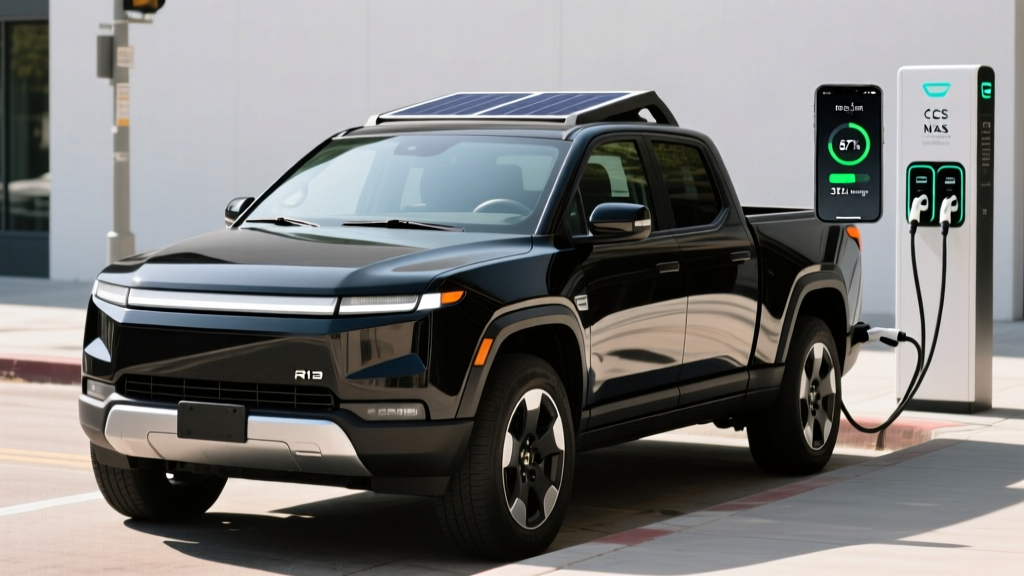
- You need more rear-seat headroom or a boxier cargo area (Rivian R1S, Kia EV9).
- You want a lower entry price — the Chevy Equinox EV starts around $33,000 (before credits).
Pros
- Class-leading efficiency at 122 MPGe combined
- 320-mile EPA range (Long Range) with strong real-world highway numbers
- Supercharger network reliability for road trips
- Strong OTA update cadence keeps the vehicle current
- Excellent cargo space (72.1 cu ft with seats folded)
- Competitive pricing after §30D tax credit
- High resale value relative to EV segment peers
Cons
- No Apple CarPlay or Android Auto
- All-screen interior alienates some buyers
- 250 kW peak DC charging trails 800V competitors
- FSD (Supervised) is expensive and still requires full driver attention
- Insurance costs are above segment average
- Cold-weather range loss is significant without preconditioning
- Panel fit quality still trails German and Korean competitors
Warranty and Long-Term Ownership
Tesla's warranty structure is straightforward:
- Basic Vehicle Limited Warranty: 4 years / 50,000 miles
- Battery and Drive Unit Warranty: 8 years / 120,000 miles (Long Range & Performance) — covers battery capacity retention above 70% of original capacity
- Rust-through warranty: Not separately published; covered under basic warranty terms
The 70% capacity retention threshold is standard for the industry. In practice, Tesla's NMC battery packs have shown strong longevity — data from fleet analytics firm Recurrent Auto indicates that Model Y batteries retain approximately 90-93% of original capacity at 100,000 miles under normal use patterns. The biggest degradation occurs in the first 20,000-30,000 miles (roughly 3-5% loss), after which the curve flattens considerably.
For long-term ownership cost, the Model Y benefits from minimal scheduled maintenance (no oil changes, no spark plugs, brake pads last longer due to regen braking). The main cost variables are tire replacement (EVs are heavier and tires wear faster), cabin air filter changes, and insurance premiums.
Frequently Asked Questions
What is the real-world range of the 2026 Tesla Model Y?
The EPA rates the Long Range AWD at 320 miles. In real-world highway driving at 75 mph in moderate temperatures, expect 255-275 miles. City driving yields closer to the EPA sticker. In cold weather (below freezing), plan for 210-240 miles of highway range unless you precondition the battery.
How fast does the Model Y charge at home and on the road?
On a Level 2 home charger (Tesla Wall Connector at 11.5 kW), the Model Y adds about 44 miles of range per hour — a full overnight charge covers most daily needs. On a DC fast charger (Tesla Supercharger V3), it peaks at 250 kW and charges from 10-80% in approximately 27 minutes. Charging above 80% slows significantly to protect battery health.
How much does the Model Y cost after the federal tax credit?
The Long Range AWD starts at $48,990. If you qualify for the full $7,500 §30D credit (income under cap, battery sourcing requirements met), the effective price drops to approximately $41,490. The Performance trim at $53,990 would net to approximately $46,490. Verify your personal eligibility through the IRS or a tax professional — income limits and battery sourcing rules apply.
Is the Tesla Model Y still worth buying vs. competitors in 2026?
Yes, for many buyers. It offers the best combination of range, efficiency, charging infrastructure, and software in the electric crossover segment. However, if you need Apple CarPlay, faster DC charging, or a more traditional interior, the Hyundai Ioniq 5, Ford Mustang Mach-E, or BMW iX are strong alternatives. Test-drive at least two competitors before committing.
Does the Tesla Model Y qualify for the $7,500 federal EV tax credit?
The Model Y qualifies for up to $7,500 under IRS §30D, subject to buyer income caps ($150K single / $300K joint), the $80K MSRP cap for SUVs (both trims are well under), and current-year battery component/critical mineral sourcing requirements. The credit can be transferred at point of sale to reduce the purchase price directly. Check Fueleconomy.gov for the most current sourcing eligibility.
Will Apple ever make an electric car?
Apple shut down its Project Titan vehicle program in February 2024 and has not announced any plans to revive it. As of 2026, there is no Apple car on the market or in announced development. Apple continues to offer CarPlay for smartphone integration in compatible vehicles from other manufacturers.
What's the difference between kW and kWh in EV specs?
kW (kilowatts) measures power — how fast energy flows, like the flow rate of a hose. kWh (kilowatt-hours) measures energy capacity — how much total energy the battery holds, like the size of a tank. The Model Y's battery holds ~78 kWh of energy and can accept up to 250 kW of charging power. Confusing the two is the most common EV spec mistake.
Note: All pricing, range, and tax credit information reflects the 2026 model year and current IRS rules as of publication. Specifications and credit eligibility are subject to change. Always verify with Tesla.com, Fueleconomy.gov, and a qualified tax professional before purchasing.