Quick Answer: Is the Acura EV Worth Buying?
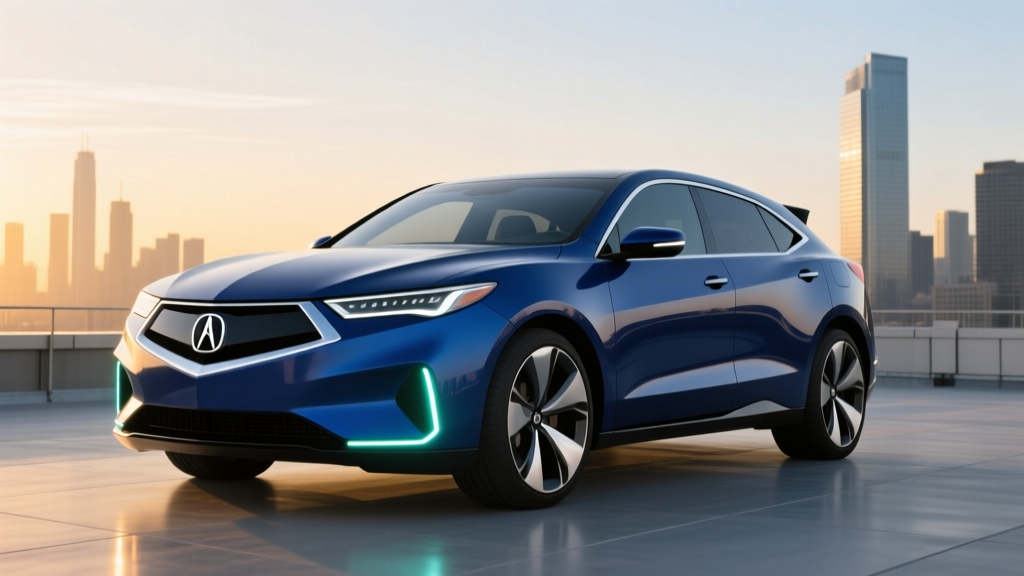
The 2025–2026 Acura ZDX is Acura's first all-electric vehicle — a midsize luxury SUV built on GM's Ultium platform. It delivers up to 313 miles EPA range (Rear-Wheel Drive), 190 kW peak DC fast charging (10–80% in ~27 min), and starts at $64,500 (A-Spec RWD). The Type S variant produces 500 hp with a 285-mile range. Buyers who have home Level 2 charging, drive mostly in moderate climates, and want a premium badge with Super Cruise hands-free driving will find the ZDX compelling. Those in extreme-cold regions, apartment dwellers without charging access, or budget-focused buyers should weigh the real-world trade-offs carefully before signing.
2025–2026 Acura ZDX: Complete Spec Breakdown
Acura launched the ZDX for the 2024 model year on General Motors' Ultium battery architecture, sharing underpinnings with the Cadillac Lyriq and Chevrolet Blazer EV. For 2025–2026, the lineup continues with three core trims. Here are the exact figures you need:
| Spec | ZDX A-Spec (RWD) | ZDX A-Spec (AWD) | ZDX Type S |
|---|---|---|---|
| Base MSRP | $64,500 | $69,500 | $73,500 |
| Battery (usable) | 102 kWh (NMC) | 102 kWh (NMC) | 102 kWh (NMC) |
| EPA Range | 313 mi | 304 mi | 285 mi |
| Real-World Highway Range* | ~260–280 mi | ~250–270 mi | ~230–250 mi |
| MPGe (combined) | 96 MPGe | 94 MPGe | 89 MPGe |
| Horsepower | 358 hp | 490 hp | 500 hp |
| 0–60 mph | ~6.0 sec | ~5.0 sec | ~4.0 sec |
| Peak DC Fast Charge | 190 kW | 190 kW | 190 kW |
| 10–80% DC Charge Time | ~27 min | ~27 min | ~27 min |
| Level 2 (AC) Charge Rate | 19.2 kW | 19.2 kW | 19.2 kW |
| Connector | CCS1 (NACS adapter avail.) | CCS1 (NACS adapter avail.) | CCS1 (NACS adapter avail.) |
| Battery Warranty | 8 yr / 100,000 mi | 8 yr / 100,000 mi | 8 yr / 100,000 mi |
| ADAS | AcuraWatch + Super Cruise | AcuraWatch + Super Cruise | AcuraWatch + Super Cruise |
*Real-world highway range estimated at 70–75 mph in moderate temperatures. Cold-weather (below 20°F) range loss of 20–30% is typical for NMC chemistry without consistent preconditioning.
EPA vs. Reality: What You'll Actually Drive
The 313-mile EPA figure on the RWD model is legitimate for mixed suburban driving in 60–75°F weather. On a 300-mile road trip at 75 mph with A/C running, expect 260–280 miles before you need to stop. In sub-freezing winter conditions, NMC batteries without aggressive thermal preconditioning can lose 25–30% range, dropping the RWD to roughly 220–235 miles. The ZDX does offer battery preconditioning when navigating to a charger — use it to minimize charging-curve taper at DC stations.
Acura ZDX vs. Gas SUV: Real Cost of Ownership
The most common question from luxury SUV shoppers: does going electric actually save money? Let's compare the ZDX A-Spec RWD against the closest gas alternative — the 2025 Acura MDX A-Spec (3.5L V6, 290 hp, EPA 21 mpg combined).
| Cost Factor (5 Years / 75,000 mi) | Acura ZDX A-Spec RWD | Acura MDX A-Spec (Gas) |
|---|---|---|
| Purchase Price (MSRP) | $64,500 | $58,000 |
| Federal Tax Credit (§30D) | Up to $7,500* | $0 |
| Effective Purchase Price | ~$57,000 | $58,000 |
| Fuel / Electricity (75k mi) | $3,375 (home L2 at $0.15/kWh) | $9,375 (premium at $3.75/gal) |
| Maintenance (5 yr) | ~$1,200 | ~$3,800 |
| Insurance (avg annual) | $2,400/yr ($12,000) | $1,900/yr ($9,500) |
| Estimated Depreciation | ~$22,000 | ~$19,000 |
| Total 5-Year Cost | ~$95,575 | ~$99,675 |
*§30D tax credit eligibility depends on MSRP caps (SUVs: ≤$80,000), buyer income limits ($150K single / $300K joint AGI), and battery critical-mineral sourcing requirements. The ZDX qualifies in many configurations, but rules change — verify at IRS.gov before purchase. Credit can be transferred at point of sale as a down-payment reduction.
Over five years, the ZDX saves roughly $4,000–$6,000 on fuel and maintenance combined. Higher insurance premiums and steeper depreciation partially offset those savings. The break-even point depends heavily on your local electricity rates and whether you charge at home versus relying on public DC fast chargers (which cost $0.35–$0.55/kWh, narrowing the gap significantly).
Charging the Acura ZDX: Home, Public, and What It Costs
Charging infrastructure is the single biggest variable in EV ownership satisfaction. The ZDX ships with a CCS1 connector, but Acura provides a NACS adapter for access to Tesla's Supercharger network — critical for road trips in 2025–2026 as many Electrify America and third-party stations remain CCS-only.
| Charging Level | Power (kW) | Miles Added per Hour | Typical Use Case |
|---|---|---|---|
| Level 1 (120V outlet) | 1.4 kW | ~4 mi/hr | Emergency / overnight trickle |
| Level 2 (240V home) | 11.5–19.2 kW | 35–58 mi/hr | Daily home charging (7–9 hr full charge) |
| DC Fast Charge | Up to 190 kW peak | ~650 mi/hr (at peak) | Road trips; 10–80% in ~27 min |
Home Level 2 Installation: What to Budget
If you own a home with a 200-amp electrical panel, a Level 2 hardwired charger installation typically runs $1,200–$3,500 total (equipment + electrician + permit). If your panel needs upgrading to 200A, add $2,000–$4,000. The ZDX's 19.2 kW onboard charger is among the fastest in its class — a full charge from 10% takes roughly 6 hours at maximum Level 2 power, meaning you'll wake up to a full battery every morning.
Public Charging Reality
At a 150–190 kW DC fast charger, the ZDX's charging curve peaks near 190 kW up to roughly 40% State of Charge, then tapers progressively. The 10–80% time of ~27 minutes assumes optimal battery temperature (preconditioning active) and a station delivering full rated power. On Electrify America's 350 kW stalls, you won't exceed 190 kW — that's the vehicle's ceiling, not the station's limitation. Average public DC charging costs $0.35–$0.55/kWh, making a 10–80% top-up roughly $25–$40.
First-Time Acura EV Buyer: What You Must Know
If this is your first electric vehicle, several ownership realities differ sharply from the gas-car experience. Here's what the brochures don't emphasize:
Common Acura EV Misconceptions vs. Facts
| Myth | Fact |
|---|---|
| "I'll get 313 miles no matter how I drive." | EPA is a mixed-cycle lab test. Sustained 75 mph highway driving yields ~265 mi. Below 20°F, expect ~220–235 mi. |
| "Fast charging takes 27 minutes, always." | 10–80% in ~27 min requires battery preconditioning and a station delivering ≥190 kW. Cold batteries or lower-power stalls extend this to 35–45 min. |
| "The battery will need replacing in 5 years." | NMC batteries with liquid thermal management typically degrade 8–12% over 8 years. Acura warranties ≥70% capacity retention for 8 yr / 100,000 mi. Full replacement (rare) costs $15,000–$22,000. |
| "Super Cruise means the car drives itself." | Super Cruise is SAE Level 2 — a hands-off, eyes-on driver-assist system on pre-mapped divided highways. You must remain alert and ready to take over. It is not autonomous driving. |
| "I don't need home charging — public stations are everywhere." | Public DC charging is 3–4× more expensive than home Level 2 and reliability varies. Apartment dwellers should confirm workplace or nearby charging access before committing. |
| "I'll get the full $7,500 tax credit." | Eligibility requires meeting income caps, MSRP limits, and battery-sourcing rules that tighten annually. Verify your specific configuration at IRS.gov. |
Super Cruise: Level 2, Not Self-Driving
Acura's Super Cruise (inherited from GM's Ultium platform) enables hands-free driving on over 400,000 miles of pre-mapped divided highways in the US and Canada. An infrared camera monitors your eyes to confirm attention. Despite the hands-off capability, this is SAE Level 2 automation — you are the driver at all times. It does not handle city streets, construction zones, or unmapped roads. Do not confuse it with Waymo's Level 4 robotaxi service, which operates without a human driver in geofenced areas.
Acura ZDX vs. Key Rivals: Where It Stands
The ZDX doesn't exist in a vacuum. Here's how it stacks up against the luxury midsize EV SUVs it competes with directly:
| Spec | Acura ZDX A-Spec RWD | Cadillac Lyriq (RWD) | BMW iX xDrive50 | Genesis GV60 (AWD) |
|---|---|---|---|---|
| Base MSRP | $64,500 | $58,590 | $87,250 | $62,000 |
| EPA Range | 313 mi | 314 mi | 324 mi | 248 mi |
| Battery | 102 kWh NMC | 102 kWh NMC | 111.5 kWh NMC | 77.4 kWh NMC |
| Peak DC Charge | 190 kW | 190 kW | 200 kW | 240 kW |
| 10–80% DC Time | ~27 min | ~27 min | ~31 min | ~18 min |
| HP / 0–60 | 358 hp / 6.0s | 340 hp / 6.0s | 516 hp / 4.4s | 314 hp / 5.5s |
| Hands-Free ADAS | Super Cruise | Super Cruise | Highway Assistant | None (Level 2 w/ hands-on) |
| Federal Tax Credit | Up to $7,500* | Up to $7,500* | $0 (MSRP & sourcing) | Up to $7,500* |
*Verify current-year eligibility at IRS.gov. Battery sourcing and critical-mineral rules tighten annually.
Key takeaway: The ZDX and Lyriq are platform siblings — nearly identical batteries, charging, and Super Cruise. The ZDX commands a ~$6,000 premium for Acura's interior materials, AcuraWatch safety suite, and brand positioning. The BMW iX offers more range and power but costs $20K+ more and doesn't qualify for the federal credit. The Genesis GV60 charges faster but has 65 fewer miles of range.
Decision Framework: Is the Acura ZDX Right for You?
Choose the Acura ZDX If:
- You have home Level 2 charging (or can install it) — this unlocks the lowest per-mile cost at ~$0.04–0.05/mi vs. $0.12–0.15/mi for gas.
- Your daily commute is under 80 miles round-trip — you'll rarely need public charging and will charge overnight at home.
- You want hands-free highway driving — Super Cruise is one of the best Level 2 systems available, rivaling Ford BlueCruise.
- You value a premium badge without the $90K+ price tag of a BMW iX or Mercedes EQS SUV.
- You qualify for the §30D tax credit — the effective price drops to ~$57,000, making it competitive with the gas MDX.
Look Elsewhere If:
- You live in an apartment without charging access — public DC charging at $0.40/kWh raises your per-mile cost to ~$0.12, eliminating most fuel savings.
- You regularly drive in sub-zero temperatures — 25–30% range loss means 313 miles becomes ~225 miles. Consider a PHEV like the BMW X5 xDrive50e instead.
- You tow frequently — the ZDX is rated for 3,500 lbs max. Gas or diesel SUVs handle 5,000–8,000 lbs without range devastation.
- You need third-row seating — the ZDX is a two-row SUV. The gas MDX offers three rows.
- You want the fastest charging in the segment — the Hyundai Ioniq 5 and Genesis GV60 charge 10–80% in ~18 minutes on 800V architecture.
Real Ownership Costs: 5-Year Breakdown
Here's a realistic 5-year / 75,000-mile ownership projection for the ZDX A-Spec RWD, assuming 80% home charging and 20% public DC fast charging:
| Category | 5-Year Cost | Notes |
|---|---|---|
| Vehicle (after §30D credit) | $57,000 | Assumes full $7,500 credit eligibility |
| Home L2 Charger Install | $2,200 | Avg 240V/48A hardwired install (no panel upgrade) |
| Electricity (75k mi) | $3,940 | 80% home at $0.15/kWh, 20% public at $0.45/kWh |
| Maintenance | $1,200 | Cabin filter, tire rotation, brake fluid; no oil changes |
| Tires (1 set replacement) | $1,400 | EVs wear tires 15–20% faster due to weight and torque |
| Insurance | $12,000 | $2,400/yr avg; EV premiums run 15–25% higher |
| Depreciation | $22,000 | ~34% over 5 yr (luxury EVs depreciate steeper than gas) |
| Total 5-Year Cost | ~$99,740 |
For context, the equivalent gas Acura MDX A-Spec totals approximately $99,675 over the same period. The ZDX's fuel and maintenance savings are almost exactly offset by higher insurance, tire costs, and depreciation. The financial case for the ZDX is strongest when electricity rates are low (under $0.12/kWh) and the full tax credit applies — under those conditions, you can save $5,000–$8,000 over five years.
Frequently Asked Questions
Does the Acura ZDX qualify for the $7,500 federal tax credit?
The ZDX's MSRP is under the $80,000 SUV cap, and many configurations meet the critical-mineral and battery-component sourcing requirements for a partial or full credit. However, buyer income limits ($150,000 single / $300,000 joint modified AGI) and annually tightening sourcing rules affect eligibility. The credit can be transferred to the dealer at point of sale as a down-payment reduction. Always verify your specific eligibility at IRS.gov or with a tax professional before purchase.
How long does it take to charge the Acura ZDX at home?
On a 48-amp Level 2 home charger (delivering ~11.5 kW to the vehicle), a full charge from 10% takes approximately 9–10 hours. The ZDX's 19.2 kW onboard charger can accept more power if you install an 80-amp circuit with a charger capable of 19.2 kW — reducing full-charge time to roughly 6 hours. Most owners plug in overnight and wake up fully charged.
Is the Acura ZDX the same as the Cadillac Lyriq?
They share GM's Ultium platform — same 102 kWh battery, similar powertrains, and Super Cruise hardware. However, the ZDX has unique exterior styling, a different interior design with Acura's signature materials, AcuraWatch safety features, and a distinct suspension tune. Think of them as platform siblings with different personalities, not rebadges.
How does cold weather affect the ZDX's range?
In sustained temperatures below 20°F, expect 20–30% range reduction — the 313-mile RWD model drops to roughly 220–250 miles. This is caused by increased battery internal resistance and cabin heating demands. The ZDX's liquid thermal management and heat pump help mitigate losses. Preconditioning the battery while plugged in before departure recovers some range and improves DC charging speeds.
Can I use Tesla Superchargers with the Acura ZDX?
Yes. Acura provides a NACS (North American Charging Standard) adapter that allows the ZDX to connect to Tesla's Supercharger network. As of 2025–2026, Tesla's V3 Superchargers deliver up to 250 kW — the ZDX will cap at its 190 kW ceiling. This adapter access is a significant advantage for road trips, as the Supercharger network remains the most reliable and widespread DC fast-charging infrastructure in North America, per AFDC station data.
What does the Acura ZDX battery replacement cost?
Full battery pack replacement for the Ultium 102 kWh pack is estimated at $15,000–$22,000 out of warranty. In practice, complete pack failures are rare — most degradation is gradual capacity loss (8–12% over 8 years). Acura's battery warranty covers capacity below 70% for 8 years or 100,000 miles. Individual module replacement (if supported) could reduce costs substantially.
Acura ZDX vs. a plug-in hybrid: which is smarter?
If you can't install home charging, frequently tow, or drive in extreme cold, a PHEV like the BMW X5 xDrive50e (EPA 38 miles electric-only, then 20 mpg gas) offers flexibility without range anxiety. If you have reliable home charging and drive under 200 miles daily, the ZDX's lower running costs, smoother powertrain, and zero tailpipe emissions make it the better long-term choice. Run the numbers for your specific commute and electricity rate — there is no universal answer.