Quick Verdict: The Affordable Long-Range Crossover Chevy Needed to Build
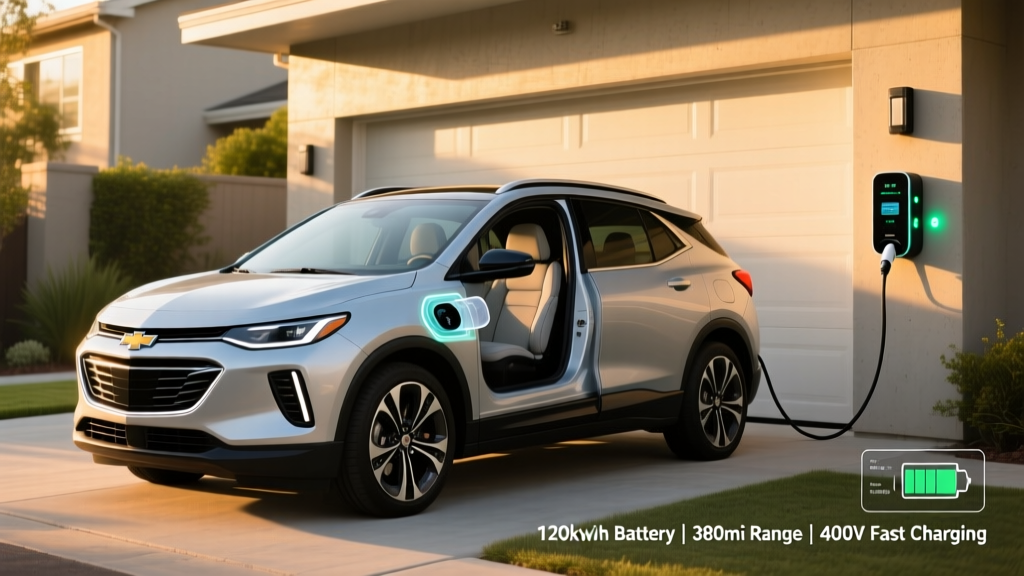
The 2025 Chevrolet Equinox EV LT arrived with a promise that sounded too good to check: over 300 miles of EPA range in a compact crossover starting under $35,000 before incentives. After examining the spec sheet, charging behavior, and ownership math, the LT trim delivers on the core promise — it is the cheapest way to get 300+ miles of rated range in a new EV in the United States for the 2025 model year. But the Equinox EV LT is a study in deliberate trade-offs. You get range and space; you give up charging speed, one-pedal driving refinement, and some interior material quality. For a commuter who can charge at home and wants to minimize upfront cost, it's a compelling package. For road-trippers who rely on DC fast charging, the LT's 170 kW peak charge rate and front-wheel-drive-only layout demand patience.
| Spec | Value |
|---|---|
| EPA Range (LT FWD, 19" wheels) | 319 miles |
| Usable Battery Capacity | 85 kWh (NMC lithium-ion) |
| Drivetrain | Front-wheel drive (single motor) |
| Horsepower / Torque | 213 hp / 236 lb-ft |
| 0–60 mph | ~8.5 seconds (est.) |
| Max DC Fast Charge Rate | 170 kW peak |
| 10–80% DC Fast Charge Time | ~34 minutes (manufacturer est.) |
| Level 2 Home Charge Rate | 11.5 kW (AC) |
| EPA Efficiency (Combined) | 113 MPGe / 30 kWh/100 mi |
| Cargo Volume (behind rear seats) | 26.4 cu ft |
| Cargo Volume (seats folded) | 57.2 cu ft |
| Rear Legroom | 37.8 inches |
| Battery Warranty | 8 years / 100,000 miles |
| Base MSRP (LT 2 FWD) | $34,900 (incl. destination) |
Range and Efficiency: 319 EPA Miles, But What Happens on the Highway?
The headline number is real: the EPA rates the 2025 Equinox EV LT 2 FWD at 319 miles on a full charge when equipped with the standard 19-inch wheels. That figure is achieved on the LT's single-motor front-wheel-drive powertrain drawing from an 85 kWh usable Ultium battery pack with NMC (nickel manganese cobalt) chemistry. Step up to the available 21-inch wheels and the EPA number drops to approximately 294 miles due to increased rolling resistance and weight.
EPA Sticker: 319 miles (LT 2 FWD, 19" wheels)
Real-World Expectation: ~260–285 miles mixed highway/city driving at 70 mph; ~220–250 miles in sustained sub-30°F winter conditions with cabin heat; ~300+ miles achievable in mild-weather city commuting with regen braking.
Why the gap? The Equinox EV LT is a relatively tall, softly tuned crossover optimized for efficiency at moderate speeds. At sustained 70–75 mph highway cruising, aerodynamic drag and the single-speed reduction gearing push consumption closer to 33–35 kWh/100 mi, cutting range by roughly 15–18% below the EPA combined figure. In cold weather, the absence of a standard heat pump on the LT trim (a resistive PTC heater is standard) compounds range loss, as cabin heating can draw 3–5 kW continuously. Owners in northern climates should budget 220–250 miles of practical winter range and plan charging stops accordingly.
On the efficiency side, the EPA rates the LT at roughly 113 MPGe combined, which translates to about 30 kWh per 100 miles. That's competitive with the Hyundai Ioniq 5 (114 MPGe RWD) and slightly behind the Tesla Model Y Long Range (122 MPGe), but entirely respectable for a vehicle in this price class and weight.
Charging Speed: Adequate at Home, Modest on the Road
Charging is where the Equinox EV LT's value-engineering becomes most apparent. The crossover supports a peak DC fast-charge rate of 170 kW on CCS-equipped public chargers (or NACS via adapter at Tesla Superchargers, as GM has adopted the North American Charging Standard for 2025 models). That peak rate is sustained only briefly in the 10–30% state-of-charge window before tapering significantly. The manufacturer-estimated 10–80% charge time is approximately 34 minutes — functional, but 10–15 minutes slower than competitors like the Hyundai Ioniq 5 (18 min on 350 kW chargers) or Tesla Model Y (~25 min on V3 Superchargers).
| Charging Level | Power / Voltage | Miles of Range Added per Hour | Notes |
|---|---|---|---|
| Level 1 (120V household) | ~1.4 kW | ~4–5 mi/hr | Emergency/trickle only; full charge in 60+ hours |
| Level 2 (240V home/work) | 11.5 kW (48A) | ~34–38 mi/hr | Full charge in ~9 hours; ideal overnight |
| DC Fast Charge (public) | 170 kW peak (CCS/NACS) | Up to ~210 mi in 30 min (10–60%) | Tapers above 60% SoC; 10–80% in ~34 min |
For home charging, the onboard 11.5 kW AC charger is a bright spot. On a properly installed 240V/48-amp Level 2 circuit (NEMA 14-50 or hardwired wall connector), you'll recover roughly 34–38 miles of range per hour of charging, meaning a depleted battery reaches full overnight in about 9 hours. This is faster than many competitors in the segment and means daily commuters will rarely need public charging at all — plug in when you get home, wake up full.
Charging-curve reality check: The 170 kW peak is a maximum, not a sustained rate. Expect the LT to hold 150–170 kW from roughly 10–30% SoC, then taper to ~100 kW through 50%, and drop further to ~50–60 kW above 70%. If your road-trip strategy involves charging from 10–80%, plan on 30–35 minutes per stop. If you're comfortable charging only to 60% and driving on, you can cut stops to ~20 minutes.
Performance and Driving Dynamics: Comfortable, Not Quick
The Equinox EV LT 2 sends 213 horsepower and 236 lb-ft of torque to the front wheels via a single permanent-magnet motor. The 0–60 mph sprint takes approximately 8.5 seconds — adequate for merging and passing, but noticeably slower than the dual-motor AWD variants (which add a rear motor for 288 hp and a ~5.9-second 0–60). The LT is front-wheel drive only; all-wheel drive is reserved for the RS and higher trims or as an option on the LT 3.
Ride quality is where the LT earns its keep. The Ultium platform's low center of gravity and independent rear suspension deliver composed, quiet highway manners with minimal body roll. The steering is light and numb — this is not a driver's crossover — but the ride absorbs bumps with a maturity that belies the price. Regenerative braking offers two modes (mild and strong) selectable via steering-wheel paddles, but Chevy does not offer true one-pedal driving that brings the car to a complete stop without brake-pedal input. This is a notable omission for EV veterans accustomed to the one-pedal experience in a Bolt EV, Tesla, or Hyundai.
Interior, Cargo, and Technology
Inside, the LT greets you with a massive 17.7-inch diagonal infotainment touchscreen running GM's Ultifi-based software with Google built-in (Google Maps navigation, Google Assistant, and Play Store apps). An 11-inch digital instrument cluster sits ahead of the driver. Wireless Apple CarPlay and Android Auto are standard, along with a Wi-Fi hotspot. The screen is responsive, high-resolution, and dominates the dash — some will love the real estate, others may find it overwhelming for simple climate adjustments, which are buried in the touchscreen rather than given physical controls.
Material quality reflects the price point. Hard plastics appear on the lower door panels and center console, and the cloth seating surfaces on the LT 2 are durable but unremarkable. The LT 3 adds heated front seats, a heated steering wheel, and leatherette — worth considering in cold climates given the range impact of resistive heating.
Cargo space is generous: 26.4 cubic feet behind the rear seats and 57.2 cubic feet with the 60/40 split rear seats folded. Rear legroom measures 37.8 inches, enough for adult passengers on long trips. There is no front trunk (frunk) — the space is occupied by power electronics — so all cargo goes in the rear.
Driver-assistance tech includes Chevy's Super Cruise availability (on equipped trims with a subscription after the trial period), which provides hands-free driving on over 750,000 miles of mapped divided highways. This is a SAE Level 2 system: the driver must remain attentive, and an infrared camera monitors eye gaze. Standard safety features include automatic emergency braking, lane-keeping assist, blind-spot monitoring, and rear cross-traffic alert under the Chevy Safety Assist suite.
Pricing, Tax Credits, and Total Cost
The 2025 Equinox EV lineup is structured around three trim levels (2, 3, and the sportier RS), each available in FWD or AWD. The LT 2 FWD is the value anchor:
| Trim | Drivetrain | Base MSRP (incl. destination) | Est. After §30D Credit* |
|---|---|---|---|
| LT 2 | FWD | $34,900 | ~$27,400 |
| LT 3 | FWD | $41,900 | ~$34,400 |
| LT 2 | AWD | $38,200 | ~$30,700 |
| RS | AWD | $44,800 | ~$37,300 |
*Federal §30D credit amount assumes full $7,500 eligibility. Actual credit depends on battery sourcing, buyer income, and MSRP caps. Verify with a tax professional and IRS guidelines.
Federal Tax Credit Eligibility (§30D)
The 2025 Equinox EV is assembled at GM's Ramos Arizpe plant in Mexico, and its Ultium battery cells are manufactured in the United States (at GM's Ultium Cells joint-venture facilities in Ohio and Tennessee). As of the current model year, the Equinox EV has qualified for the full $7,500 federal clean vehicle credit under IRS §30D, which can be transferred to the dealer at point of sale as an immediate purchase-price reduction. However, eligibility is subject to several constraints:
- Buyer income caps: Modified AGI must not exceed $150,000 (single), $225,000 (head of household), or $300,000 (joint filers).
- MSRP caps: The vehicle's base MSRP must not exceed $55,000 for SUVs/crossovers (all Equinox EV trims comply).
- Critical minerals and battery component sourcing: Thresholds tighten annually. The percentage of battery components manufactured or assembled in North America and critical minerals sourced from the U.S. or FTA partners must meet escalating yearly requirements. GM's domestic cell production has positioned the Equinox EV favorably, but verify current-year compliance at fueleconomy.gov before purchasing.
The credit can be applied as a point-of-sale rebate through a registered dealer, reducing your out-of-pocket cost immediately rather than waiting for a tax refund. This makes the LT 2 FWD achievable at roughly $27,400 for qualifying buyers — a price point that undercuts nearly every 300-mile EV on the market.
How It Compares: Equinox EV LT vs. the Competition
The Equinox EV LT's natural rivals are the Hyundai Ioniq 5 SE Standard Range, Tesla Model Y (used/depreciated), Nissan Ariya, and the Volkswagen ID.4. Here's how the LT 2 FWD stacks up on the metrics buyers actually compare:
| Vehicle | EPA Range | Peak DC Charge | 10–80% Time | Base MSRP |
|---|---|---|---|---|
| Chevy Equinox EV LT 2 FWD | 319 mi | 170 kW | ~34 min | $34,900 |
| Hyundai Ioniq 5 SE (LR RWD) | 303 mi | 235 kW | ~18 min | $42,600 |
| Volkswagen ID.4 Pro | 291 mi | 170 kW | ~30 min | $40,700 |
| Nissan Ariya Engage FWD | 289 mi | 130 kW | ~40 min | $40,500 |
The Equinox EV LT wins on price and EPA range, but loses on charging speed to the Ioniq 5's 800-volt architecture. If road-trip charging time is a priority, the Ioniq 5 is meaningfully faster. If upfront cost and daily commuting range are paramount, the Equinox EV LT is the segment's value leader.
Pros
- 319-mile EPA range at a sub-$35K starting price — best range-per-dollar in the segment
- Spacious cargo area (26.4 cu ft) and generous rear legroom
- 11.5 kW Level 2 onboard charger enables full overnight home charging
- Large 17.7" infotainment screen with Google built-in
- Federal §30D credit eligibility brings effective price to ~$27,400
- Super Cruise hands-free driving available (subscription)
- Quiet, comfortable ride quality
Cons
- 170 kW peak DC charge rate is slow vs. 800V competitors (~34 min 10–80%)
- No heat pump on LT trim — cold-weather range loss is significant
- No true one-pedal driving (vehicle creeps at stop without brake input)
- FWD only on LT 2; AWD costs $3,300 more
- Hard plastics and cloth seats reflect the budget price
- No front trunk (frunk)
- Climate controls buried in touchscreen — no physical knobs
Who Should Buy the 2025 Equinox EV LT?
The Equinox EV LT is purpose-built for a specific buyer: the home-charging commuter who drives 40–80 miles round trip, can install a Level 2 charger at home, and wants to minimize purchase price while maximizing range. If that's you — particularly if you live in a mild climate where the lack of a heat pump is less punishing — the LT 2 FWD at ~$27,400 after the federal credit is one of the most financially rational EV purchases available in 2025.
This is not the ideal EV for frequent road-trippers who need 20-minute charging stops, performance enthusiasts who want a sub-6-second 0–60, or cold-climate buyers unwilling to accept 220–250 miles of winter range. Those buyers should look at the Ioniq 5 (charging speed), Tesla Model Y (Supercharger network + efficiency), or the AWD Equinox EV RS (power + heated features), accepting higher cost.
Frequently Asked Questions
What is the real-world range of the 2025 Equinox EV LT?
The EPA rates the LT 2 FWD at 319 miles. In real-world mixed driving at highway speeds, expect 260–285 miles. In cold weather (below 30°F), plan for 220–250 miles due to resistive cabin heating and reduced battery efficiency.
How fast does the Equinox EV LT charge?
At home on a 240V Level 2 charger (11.5 kW), it adds ~34–38 miles of range per hour and fully charges in ~9 hours. On a DC fast charger, it peaks at 170 kW and charges from 10–80% in approximately 34 minutes — slower than 800V competitors.
Does the 2025 Equinox EV qualify for the $7,500 federal tax credit?
As of the current model year, the Equinox EV has qualified for the full $7,500 §30D credit, transferable at point of sale. Eligibility depends on buyer income (AGI caps), MSRP limits (all trims comply), and battery-sourcing requirements that tighten annually. Confirm at irs.gov and with your dealer before purchase.
Is the Equinox EV LT worth buying over the Hyundai Ioniq 5 or Tesla Model Y?
If your priorities are lowest purchase price and longest EPA range, yes — the LT undercuts both by $7,000–$10,000 before credits. If fast DC charging, AWD availability, or one-pedal driving matter more, the Ioniq 5 or Model Y are stronger choices at higher cost.
Does the Equinox EV LT have a heat pump?
No. The LT trim uses a resistive PTC heater for cabin warmth, which draws significantly more energy than a heat pump and contributes to greater range loss in cold weather. A heat pump is not available as an option on the LT; it may be standard or optional on higher trims depending on model year.
What is the battery warranty on the Equinox EV?
Chevrolet covers the Ultium battery pack and electric drive components for 8 years or 100,000 miles, whichever comes first. The warranty covers defects and capacity loss below a specified retention threshold (typically 60–70% of original capacity, per GM's warranty documentation).