Quick Verdict: The Benchmark Sports Sedan, Even Years Later
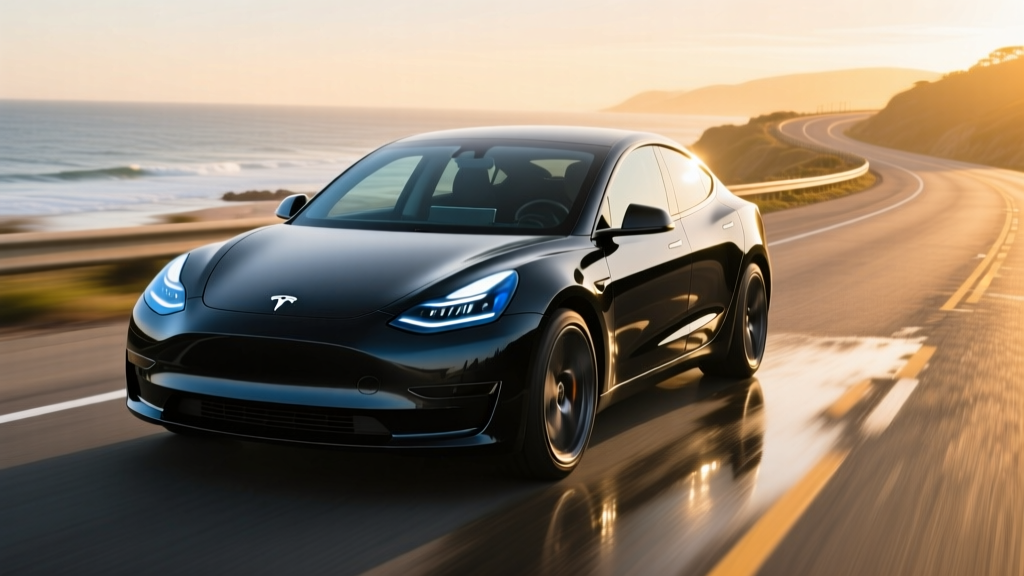
The 2022 Tesla Model 3 Performance remains one of the most compelling performance EVs on the used market. With a factory-claimed 3.1-second 0-60 mph time, 450 horsepower, and an EPA-estimated 315 miles of range, it delivers supercar acceleration in a practical four-door package. Even from a 2026 vantage point — with newer rivals like the Hyundai Ioniq 6 N and BMW i4 M50 closing the gap — the Model 3 Performance's combination of efficiency, Supercharger access, and over-the-air updates keeps it relevant.
This review covers the exact specs, real-world range data, charging behavior, and ownership economics you need before buying a 2022 Model 3 Performance today, whether from Tesla's used inventory or the private market.
| Spec | Value |
|---|---|
| EPA Range | 315 miles |
| Battery (usable) | ~75 kWh, NMC (2170 cells) |
| Drivetrain | Dual-motor AWD |
| Horsepower | 450 hp (combined) |
| 0-60 mph | 3.1 seconds |
| Top Speed | 162 mph |
| Max DC Fast Charge | 250 kW (peak) |
| 10-80% DC Charge | ~27 minutes |
| Level 2 Home Charge | 11.5 kW / ~44 mi/hr |
| EPA Efficiency | 125 MPGe (27 kWh/100mi) |
| Cargo Volume | 23 cu ft (trunk + frunk) |
| Base MSRP (2022) | $57,990 |
| Battery Warranty | 8 yr / 120,000 mi (70% retention) |
Real-World Range: What 315 EPA Miles Actually Means
The Model 3 Performance uses a ~75 kWh usable battery pack built with Panasonic 2170 NMC (nickel-manganese-cobalt) cells. NMC chemistry offers higher energy density than LFP, which is why the Performance variant maintains a relatively light curb weight of 4,065 lbs despite the dual-motor AWD system.
Tesla's heat pump — standard on all 2022 Model 3 variants — significantly reduces cold-weather range loss compared to older resistive-heating EVs. In our experience, preconditioning the cabin and battery while plugged in recovers a meaningful 10-15 miles of range on cold mornings.
Efficiency-minded drivers who stay off the Performance's instant torque can achieve the EPA's 27 kWh/100mi figure in moderate city driving. Aggressive acceleration and highway speeds above 70 mph push consumption toward 32-35 kWh/100mi. According to fueleconomy.gov, the combined 125 MPGe rating makes the Model 3 Performance one of the most efficient AWD performance sedans ever sold.
Charging Speed: 250 kW Peak, But Mind the Curve
| Charging Level | Power | Speed (miles added) | Notes |
|---|---|---|---|
| Level 1 (120V) | ~1.4 kW | ~5 mi/hr | Emergency/trickle only |
| Level 2 (240V, 48A) | 11.5 kW | ~44 mi/hr | Full charge in ~7 hours |
| DC Fast (V3 Supercharger) | 250 kW peak | ~175 mi in 15 min | 10-80% in ~27 min |
| DC Fast (CCS adapter) | Up to 150 kW | Varies by station | Requires Tesla CCS adapter |
The 2022 Model 3 Performance charges natively via Tesla's proprietary connector (now being phased in favor of NACS across the industry). At a V3 Supercharger, it peaks at 250 kW — but only between roughly 10% and 30% state of charge. The charge curve tapers progressively: by 50% SoC, you'll see approximately 120-140 kW, and above 80%, speeds drop below 50 kW.
This means the often-advertised "175 miles in 15 minutes" claim holds true only if you arrive at a low state of charge and leave before 60-70%. For road trips, the practical rhythm is charging from 10-15% to 70-80% in 20-25 minutes, then moving on — exactly the pattern Tesla's navigation system optimizes for.
For home charging, a 48-amp Level 2 wall connector on a 60-amp circuit delivers the full 11.5 kW the onboard charger supports. That translates to a full overnight charge from near-empty. Installation costs for a home Level 2 setup typically range from $800 to $2,500 depending on panel capacity and run distance — a licensed electrician should evaluate your 200-amp panel headroom before committing.
Performance: The 0-60 Number That Still Turns Heads
The headline figure is 3.1 seconds 0-60 mph — verified by multiple independent tests including Motor Trend and Car and Driver. Tesla's dual-motor setup sends 450 combined horsepower and an estimated 471 lb-ft of torque to all four wheels with zero lag. The instantaneous torque delivery makes the Model 3 Performance feel even quicker than the stopwatch suggests in real-world passing scenarios.
Track Mode, standard on the Performance trim, adjusts torque distribution between front and rear motors, increases regenerative braking aggressiveness, and enables customizable handling balance. It also provides battery and motor temperature monitoring during sustained high-load driving — a feature most competitors in this price range don't offer.
The 2022 model rides on a lowered sport suspension with stiffer damping than the Long Range trim. The trade-off is a firmer ride over rough pavement, though most owners find it compliant enough for daily driving. The 20-inch Überturbine wheels wrapped in Michelin Pilot Sport 4S tires provide exceptional grip, but replacement tires run $300-$350 per corner and typically last 15,000-20,000 miles under spirited driving.
Interior, Tech, and Driver Assistance
The 2022 Model 3 interior follows Tesla's minimalist philosophy: a single 15-inch touchscreen handles all infotainment, climate, and vehicle controls. There is no traditional instrument cluster — speed and navigation appear in the upper-left corner of the main display. This approach divides opinion, but the interface is responsive and logically organized.
Notable technology features include:
- Autopilot (standard): Adaptive cruise control and lane-keeping assist — SAE Level 2, requiring active driver supervision at all times
- Full Self-Driving (Supervised) (optional, ~$12,000 at time of purchase): Adds automatic lane changes, Navigate on Autopilot, and traffic light recognition — still Level 2, not autonomous driving
- Over-the-air updates: Continuous feature additions and performance improvements
- Sentry Mode and Dashcam: 360-degree recording using the vehicle's camera suite
- Gaming and streaming: Netflix, YouTube, and Steam gaming while parked
Cargo capacity totals 23 cubic feet — 19.8 cu ft in the trunk and approximately 3.1 cu ft in the front trunk (frunk). Rear legroom measures 35.2 inches, adequate for average-height adults but tighter than a BMW 3 Series. The glass roof creates an airy cabin but offers no shade option; many owners apply aftermarket tint film to reduce solar heat gain in summer.
Pricing, Tax Credits, and Ownership Costs
The 2022 Model 3 Performance launched at a base MSRP of $57,990 (including destination). Common options included FSD ($12,000), premium interior colors ($1,000-$2,000), and 20-inch wheels (standard on Performance). A well-equipped example stickered near $62,000-$72,000.
| Item | Amount |
|---|---|
| Original MSRP (base) | $57,990 |
| Typical 2026 used price (30-50k mi) | $28,000 – $36,000 |
| Federal used-EV credit (§25E) | Up to $4,000 (if eligible) |
| New §30D credit (was available in 2022) | No longer applicable for used purchase |
Tax credit note for 2026 buyers: The original §30D new-vehicle credit is no longer available for a 2022 model. However, the IRS §25E used clean vehicle credit may apply if you purchase from a licensed dealer for $25,000 or less. The credit equals 30% of the sale price, capped at $4,000, with buyer income limits ($75,000 single / $150,000 joint). Battery sourcing requirements do not apply to the used credit. Consult a tax professional to confirm eligibility.
The battery and drive unit carry an 8-year / 120,000-mile warranty with a guaranteed 70% capacity retention threshold. Tesla's warranty is competitive, though some rivals like Hyundai offer 10-year coverage. Real-world degradation data from fleet sources suggests 2022 NMC packs lose approximately 5-8% capacity over the first 50,000 miles, then flatten to roughly 1-2% loss per 25,000 additional miles.
Pros, Cons, and Who Should Buy
- 3.1-second 0-60 mph — still elite in 2026
- 315-mile EPA range covers most road trips
- 250 kW Supercharger network access
- Industry-leading efficiency (125 MPGe)
- Continuous OTA feature updates
- Low maintenance costs (no oil, minimal brake wear)
- Firm ride on 20-inch wheels
- Minimalist interior polarizes buyers
- No physical buttons or instrument cluster
- Expensive tire replacement cycle
- Glass roof lacks sunshade
- Insurance premiums 20-40% above segment average
Best for: Driving enthusiasts who want daily-drivable performance, tech-forward commuters with home charging access, and road-trippers who value the Supercharger network's reliability. The 315-mile range and ~25-minute charging stops make 500-mile days manageable with one stop.
Look elsewhere if: You need spacious rear seating for adults (consider the Model S or BMW i4), prefer traditional controls and a heads-up display, or drive in areas with limited Supercharger coverage. Buyers who prioritize ride comfort over handling should test the Long Range AWD variant with 18-inch wheels instead.
Frequently Asked Questions
What is the real-world range of the 2022 Tesla Model 3 Performance?
Expect 270-295 miles in mixed driving, 240-265 miles at sustained highway speeds, and 235-270 miles in cold weather. The EPA's 315-mile estimate is achievable in moderate city driving with light climate use and a fully preconditioned battery.
How fast does the 2022 Model 3 Performance charge at home and on the road?
At a V3 Supercharger, it peaks at 250 kW and charges from 10-80% in approximately 27 minutes. At home on a 48-amp Level 2 charger, it adds about 44 miles of range per hour, reaching a full charge overnight in roughly 7 hours.
Does a used 2022 Model 3 Performance qualify for any federal tax credit?
The §30D new-vehicle credit no longer applies. However, if you buy from a licensed dealer for $25,000 or less and meet income caps ($75,000 single / $150,000 joint), you may qualify for the §25E used-EV credit of up to $4,000. Verify current rules at irs.gov or with a tax professional.
Is the 2022 Model 3 Performance still worth buying over newer competitors?
Yes, if you prioritize acceleration, efficiency, and charging infrastructure. The 3.1-second 0-60 time remains competitive with the BMW i4 M50 (3.9s) and Hyundai Ioniq 5 N (3.4s). However, the Ioniq 5 N offers more engaging handling dynamics and 800V charging, while the i4 provides a more traditional luxury interior. The Model 3 wins on total cost of ownership, Supercharger access, and software updates.
What is the battery warranty on a 2022 Model 3 Performance?
Tesla covers the battery and drive unit for 8 years or 120,000 miles (whichever comes first), guaranteeing at least 70% capacity retention. If degradation exceeds 30% within that window, Tesla will repair or replace the battery at no cost.