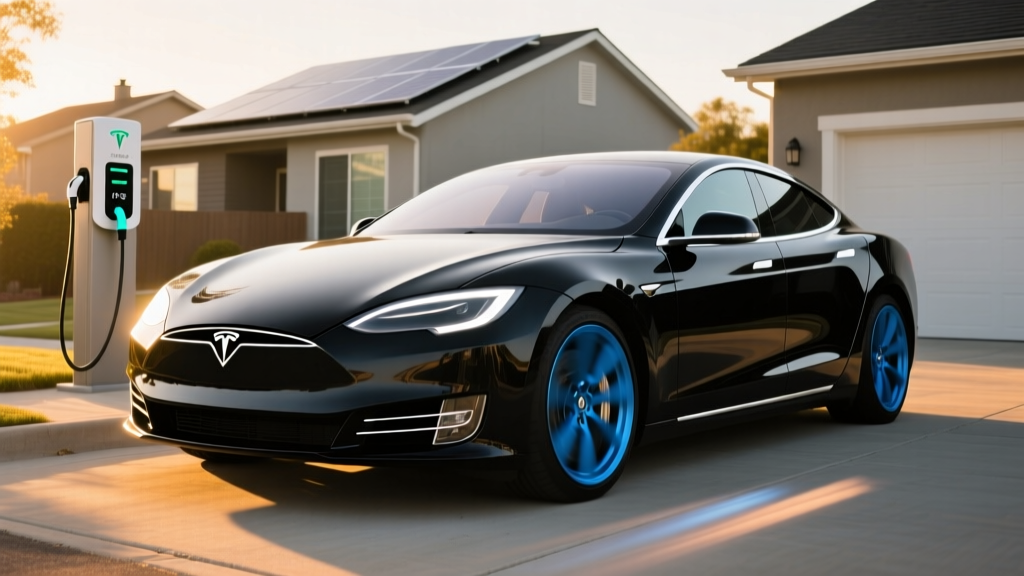
The 2021 Tesla Model S represents a pivotal year in the sedan's history. Early 2021 production carried over the pre-refresh "Raven" architecture, while mid-year Tesla introduced the heavily revised "Palladium" platform with a new interior, yoke steering option, tri-motor Plaid powertrain, and updated battery thermal management. For used-EV shoppers in 2026, understanding which version you're looking at is critical — the differences in range, charging speed, and interior quality are substantial.
This review covers both the early-2021 Long Range (pre-refresh) and the late-2021 Long Range / Plaid (Palladium refresh) to give you a complete picture of what's available on the used market today.
2021 Model S Specifications at a Glance
| Spec | Long Range (Pre-Refresh, Early 2021) | Long Range (Palladium, Late 2021) | Plaid (Palladium, Late 2021) |
|---|---|---|---|
| EPA Range | 412 mi | 405 mi | 390 mi |
| Battery (usable) | ~100 kWh (NMC) | ~95 kWh (NMC) | ~95 kWh (NMC) |
| Drivetrain | Dual-Motor AWD | Dual-Motor AWD | Tri-Motor AWD |
| Horsepower | ~670 hp | ~670 hp | 1,020 hp |
| 0-60 mph | 3.1 sec | 3.1 sec | 1.99 sec |
| Max DC Fast Charge | 200 kW | 250 kW | 250 kW |
| 10-80% DC Time | ~40 min | ~28 min | ~28 min |
| Level 2 Rate | 11.5 kW (~34 mi/hr) | 11.5 kW (~34 mi/hr) | 11.5 kW (~34 mi/hr) |
| MPGe (combined) | 121 MPGe | 120 MPGe | 116 MPGe |
| Original MSRP | $79,990 | $89,990 | $129,990 |
Sources: EPA / fueleconomy.gov, Tesla press archives.
Real-World Range: What the EPA Number Doesn't Tell You
Long Range (Palladium): EPA 405 mi — Expect ~340-360 mi in mixed real-world driving; ~280-310 mi sustained highway at 75+ mph; ~240-270 mi in freezing temperatures with cabin heat.
Plaid: EPA 390 mi — Expect ~320-340 mi mixed; ~260-290 mi highway; ~220-250 mi in cold weather.
Long Range (Pre-Refresh): EPA 412 mi — Similar mixed results (~345-365 mi), though the older thermal management system is slightly less efficient in extreme cold.
The Model S's EPA range figures remain among the highest of any production EV in 2026, but the real-world reconciliation matters. Tesla's heat pump (standard on Palladium models) significantly reduces cold-weather range loss compared to the pre-refresh cars, which used a resistive PTC heater that could consume 3-5 kW continuously in winter. If you live in a northern climate, a Palladium-era Model S will lose roughly 25-35% of range in sub-freezing conditions, while the pre-refresh cars can lose 35-45%.
Highway efficiency is where the Model S's large, heavy sedan platform shows its physics. At 75-80 mph, aerodynamic drag dominates, and you'll see consumption around 300-330 Wh/mi depending on wheel size (the 19" Tempest wheels are noticeably more efficient than the 21" Arachnids). According to fueleconomy.gov, the combined efficiency is 120 MPGe for the Long Range Palladium — excellent for a 4,500+ lb luxury sedan.
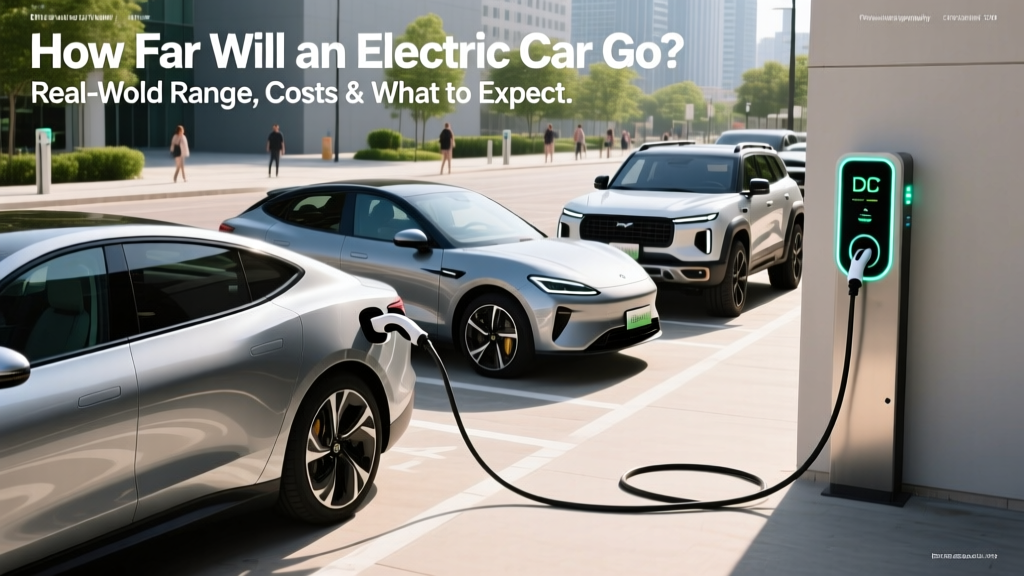
Charging Speed: DC Fast Charging and Home Setup
| Charging Level | Power / Rate | Miles Added per Hour | Notes |
|---|---|---|---|
| Level 1 (120V) | ~1.4 kW | ~3-4 mi/hr | Emergency/trickle only |
| Level 2 (240V, 48A) | 11.5 kW | ~34 mi/hr | Full overnight charge in ~9-10 hours |
| DC Fast (V3 Supercharger) | Peak 250 kW (Palladium) / 200 kW (Pre-Refresh) | ~750 mi/hr at peak | 10-80% in ~28 min (Palladium) |
| DC Fast (CCS adapter) | Up to 250 kW at compatible stations | Varies | Tesla CCS adapter required for non-Tesla networks |
The Palladium Model S (late 2021) supports peak 250 kW on V3 Superchargers, but as with all EVs, that peak is not sustained. The charge curve is strong between 10-50% SoC, where you'll see 200-250 kW, then tapers progressively. From 50-80%, expect 100-150 kW, and above 80% the rate drops sharply to protect the NMC cells. A typical 10-80% session takes about 28 minutes under ideal battery preconditioning.
The pre-refresh (early 2021) Model S peaks at roughly 200 kW and has a slightly more aggressive taper, pushing 10-80% to around 38-42 minutes. If fast-charging speed is a priority for road trips, the Palladium cars are meaningfully better.
For home charging, the onboard charger accepts up to 11.5 kW on Level 2 (48 amps). A full charge from 10% takes roughly 9-10 hours — fine for overnight replenishment. You'll need a NEMA 14-50 outlet or a hardwired Tesla Wall Connector on a 60-amp circuit to achieve this rate. Installation costs typically range from $500-$2,000 depending on panel proximity and whether a service upgrade is needed.
Connector note: The 2021 Model S uses Tesla's proprietary connector (now standardized as NACS). With Tesla opening the Supercharger network to other brands, NACS has become the dominant North American standard. For non-Tesla DC fast chargers (Electrify America, EVgo), you'll need Tesla's CCS adapter, which Tesla sells for approximately $250.
Performance and Drivetrain
The 2021 Model S lineup offers two distinct performance tiers:
Long Range (Dual-Motor AWD): With ~670 horsepower from front and rear permanent-magnet motors, the Long Range hits 0-60 mph in 3.1 seconds. That's supercar territory from just a few years ago, delivered silently and with all-weather traction. The dual-motor setup provides precise torque vectoring and confident acceleration in rain and snow.
Plaid (Tri-Motor AWD): The Plaid adds a second rear motor for a total of three carbon-sleeve rotors producing 1,020 hp. The claimed 1.99-second 0-60 mph time requires a prepared surface and rollout subtraction, but even in real-world conditions, this car reaches 60 mph in roughly 2.3-2.5 seconds. It remains one of the quickest production cars ever built. The Plaid also features torque vectoring across the rear axle, giving it genuinely capable cornering dynamics for a 4,766-lb sedan.
Both versions use a single-speed reduction gear — no traditional transmission. Regenerative braking is aggressive and enables near one-pedal driving, though Tesla removed the adjustable regen setting in favor of a fixed "hold" mode.
Interior, Technology, and Cargo
The pre-refresh and Palladium interiors are dramatically different, and this is often the deciding factor for used buyers.
Pre-Refresh (Early 2021): The older interior uses a 17" vertically oriented touchscreen, a traditional round steering wheel, and a mix of older materials. Build quality was inconsistent — panel gaps, rattles, and creaks were common complaints. The instrument cluster is a small secondary screen behind the wheel.
Palladium (Late 2021): Tesla completely redesigned the cabin with a 17" horizontally oriented "cinematic" display, a rear-seat 8" entertainment screen, ventilated front seats, a panoramic glass roof with improved UV coating, and a new HVAC system with HEPA filtration (Bioweapon Defense Mode). The controversial yoke steering wheel was introduced as an option (round wheel still available). Build quality improved noticeably, though still not at German-luxury levels.
Infotainment and Tech: Both versions run Tesla's proprietary software with built-in navigation, streaming (Spotify, Netflix, YouTube while parked), over-the-air updates, and a mobile app for remote climate control, charging status, and vehicle location. The Palladium cars feature an AMD Ryzen processor (replacing the older Intel Atom), which makes the UI dramatically more responsive.
Driver Assistance: All 2021 Model S vehicles include basic Autopilot (adaptive cruise control + lane centering) as standard. Tesla's Full Self-Driving (Supervised) was available as a $10,000-$15,000 add-on depending on when it was purchased.
Tesla Autopilot and FSD (Supervised) are SAE Level 2 driver-assistance systems. The driver must remain fully engaged, keep hands on the wheel (or demonstrate attention via the cabin camera on Palladium models), and be prepared to take over at any moment. These are NOT self-driving systems. Only Level 4 services like Waymo operate without a human driver in defined areas.
Cargo and Passenger Space:
- Rear trunk: 26.3 cu ft (with rear seats up)
- Front trunk (frunk): 3.1 cu ft — small, fits a charging cable bag or small backpack
- Total cargo (seats folded): ~58.1 cu ft
- Rear legroom: 35.4 inches
- Front legroom: 42.7 inches
- Seating: 5 passengers standard
The Model S remains one of the most practical luxury sedans for cargo, thanks to its hatchback-style liftback trunk — a significant advantage over traditional sedan competitors like the Mercedes EQS or BMW i7.
Pricing, Used Market, and Federal Tax Credit
As a used vehicle in 2026, the 2021 Model S is no longer eligible for the new-vehicle §30D federal tax credit. However, it may qualify for the Used Clean Vehicle Credit (§25E), which provides up to $4,000 (or 30% of the sale price, whichever is less).
| Trim | Original MSRP | Typical Used Price (2026) | §25E Used EV Credit Eligibility |
|---|---|---|---|
| Long Range (Pre-Refresh) | $79,990 | $38,000 - $48,000 | Likely eligible (under $25k cap: check specific listing) |
| Long Range (Palladium) | $89,990 | $48,000 - $62,000 | Eligible if sale price ≤ $25,000 — most listings exceed cap |
| Plaid | $129,990 | $65,000 - $85,000 | Not eligible (exceeds $25,000 sale price cap) |
§25E Used EV Credit Requirements (per IRS.gov):
- Sale price must be $25,000 or less
- Buyer income caps: $75,000 single / $112,500 head of household / $150,000 joint (modified AGI)
- Vehicle must be at least 2 model years old (2021 qualifies in 2026)
- Must purchase from a licensed dealer (private-party sales do not qualify)
- Credit is 30% of sale price, up to $4,000 maximum
- Can only be claimed once per buyer every 3 years
In practice, most 2021 Model S listings in 2026 exceed the $25,000 sale price cap, meaning the used-EV credit is unavailable for the majority of these cars. A pre-refresh Long Range in higher mileage or with cosmetic issues may occasionally list near $25,000, making it one of the few scenarios where the credit applies. Always verify eligibility with a tax professional before relying on the credit.
Battery Health, Warranty, and Longevity
The 2021 Model S uses NMC (nickel manganese cobalt) lithium-ion cells in a ~95-100 kWh usable pack. Tesla's battery warranty covers 8 years or 150,000 miles (whichever comes first) against degradation below 70% of original capacity.
For a 2021 model in 2026, you're looking at approximately 3 remaining years of battery warranty coverage. This is an important consideration — if the pack degrades significantly, a replacement out of warranty costs roughly $15,000-$22,000 depending on the specific pack configuration.
Real-world degradation data from Tesla fleet analytics and owner reports suggests:
- Average degradation at 5 years / 75,000 miles: ~8-12% capacity loss
- NMC packs tend to show slightly more early degradation than LFP chemistry, but the Model S has never been offered with LFP
- Frequent DC fast charging and regularly charging to 100% accelerate degradation modestly
- Tesla recommends daily charging to 80-90% for NMC packs, reserving 100% for trips
The basic vehicle warranty was 4 years / 50,000 miles — expired for all 2021 models by 2025. Drive unit (motor) warranty mirrors the battery at 8 years / 150,000 miles. Suspension, HVAC, and electronics are out of warranty, and repairs can be costly — air suspension replacement runs $1,500-$2,500 per corner, and the Palladium touchscreen replacement exceeds $2,000.
Pros and Cons
- Class-leading EPA range (390-412 mi)
- Access to Tesla Supercharger network (most reliable DC network in North America)
- Plaid performance is unmatched in any sedan at any price
- Over-the-air updates continue to add features years after purchase
- Hatchback liftback design offers practical cargo space
- Strong resale value relative to other luxury EVs
- Excellent efficiency (120 MPGe combined for Long Range)
- Pre-refresh interior quality and build consistency are below luxury expectations
- Yoke steering is polarizing and not ideal for low-speed maneuvering
- No Apple CarPlay or Android Auto — Tesla's closed ecosystem only
- Out-of-warranty repair costs are high (suspension, screens, electronics)
- Used-EV tax credit (§25E) rarely applies due to $25k price cap
- FSD (Supervised) remains SAE Level 2 — not autonomous despite the name
- Rear visibility is compromised by the sloping roofline and small rear window
- Insurance premiums are among the highest in the EV segment
Who Should Buy a 2021 Model S in 2026?
Choose the 2021 Model S Long Range if: You want maximum range for road trips, value Supercharger network access, need a practical luxury sedan with genuine cargo space, and prioritize efficiency and tech over traditional luxury materials.
Choose the 2021 Model S Plaid if: Performance is the primary draw, you want the quickest production sedan available, and you accept the range trade-off (~15 fewer EPA miles) and higher insurance costs.
Look elsewhere if: You want Apple CarPlay, prefer traditional luxury build quality (consider the Mercedes EQS or BMW i7), need a vehicle under $35,000 with tax credit eligibility, or want a third row for family hauling.
The 2021 Model S is best suited for tech-forward commuters and road-trippers who value range and charging infrastructure above all else. It excels as a daily driver that can also handle 500+ mile days with one or two Supercharger stops. Families will appreciate the hatchback cargo flexibility, though the lack of a third row and the sloping roofline limit its utility compared to the Model X or Rivian R1S.
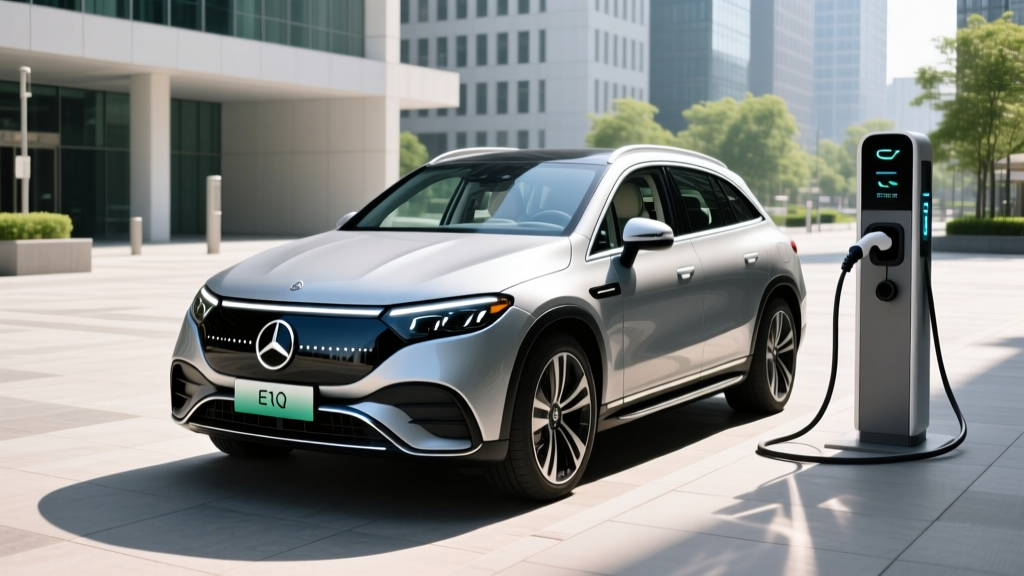
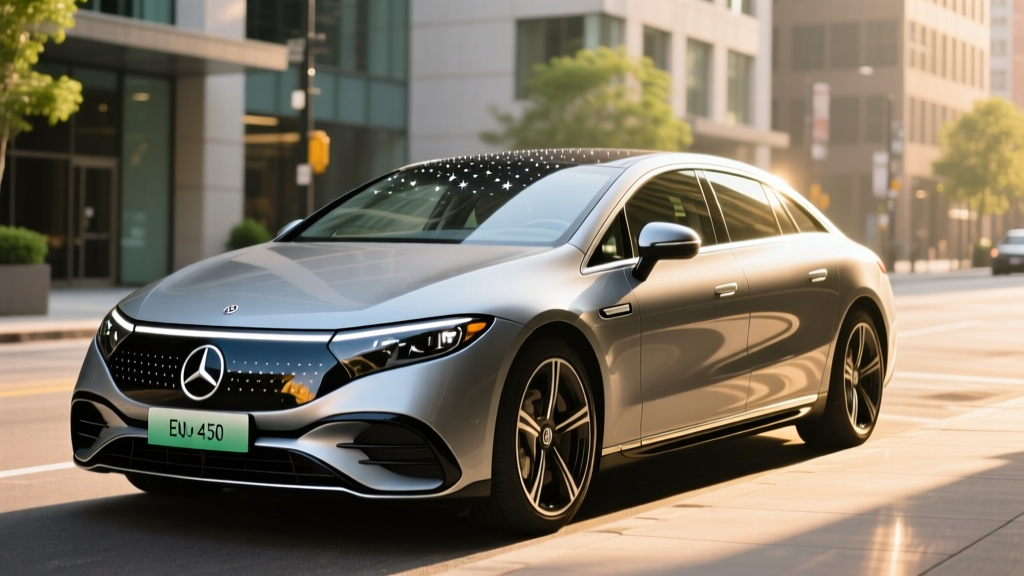
For buyers prioritizing luxury ambiance and ride comfort, the Mercedes EQS 450+ (350 mi EPA, available on the used market in a similar price range) offers a quieter cabin, superior materials, and available rear-axle steering. But it can't match the Model S on range, charging speed, or Supercharger access.
Frequently Asked Questions
What is the real-world range of the 2021 Model S?
Expect roughly 340-360 miles in mixed driving for the Long Range Palladium (EPA 405 mi). Highway-only driving at 75+ mph drops this to 280-310 miles, and freezing temperatures can reduce range to 240-270 miles. The Plaid delivers slightly less due to its tri-motor powertrain.
How fast does the 2021 Model S charge?
The Palladium models peak at 250 kW on V3 Superchargers, achieving 10-80% in approximately 28 minutes with proper battery preconditioning. Pre-refresh models peak at ~200 kW, taking about 38-42 minutes for the same session. Home Level 2 charging at 11.5 kW adds roughly 34 miles per hour, fully replenishing overnight.
Does the 2021 Model S qualify for any federal tax credit?
Not the new-vehicle §30D credit. It may qualify for the §25E Used Clean Vehicle Credit (up to $4,000), but only if purchased from a dealer for $25,000 or less, and the buyer meets income caps. Most 2021 Model S listings exceed the $25,000 price cap, making the credit unavailable in most cases. Consult a tax professional for your specific situation. See IRS §25E guidelines.
Is the 2021 Model S worth buying vs. competitors?
If range, Supercharger access, and performance are your top priorities, the Model S remains hard to beat. If you prioritize traditional luxury, consider the Mercedes EQS or BMW i7. If you need more space, look at the Model X or Rivian R1S. The Lucid Air offers comparable range but has a much smaller service and charging network.
How long will the 2021 Model S battery last?
Tesla's NMC packs in the Model S typically lose 8-12% capacity over 5 years / 75,000 miles. The battery warranty covers degradation below 70% for 8 years / 150,000 miles. With proper charging habits (daily limit of 80-90%, avoiding frequent 100% charges), many packs are expected to last 200,000+ miles before reaching the 70% threshold.
Is Tesla Autopilot or FSD self-driving?
No. Both Autopilot and Full Self-Driving (Supervised) are SAE Level 2 driver-assistance systems. The driver must remain fully attentive, keep hands on or near the wheel, and be ready to take control instantly. Tesla's cabin camera monitors attention on Palladium models. These systems reduce highway fatigue but do not replace the driver.