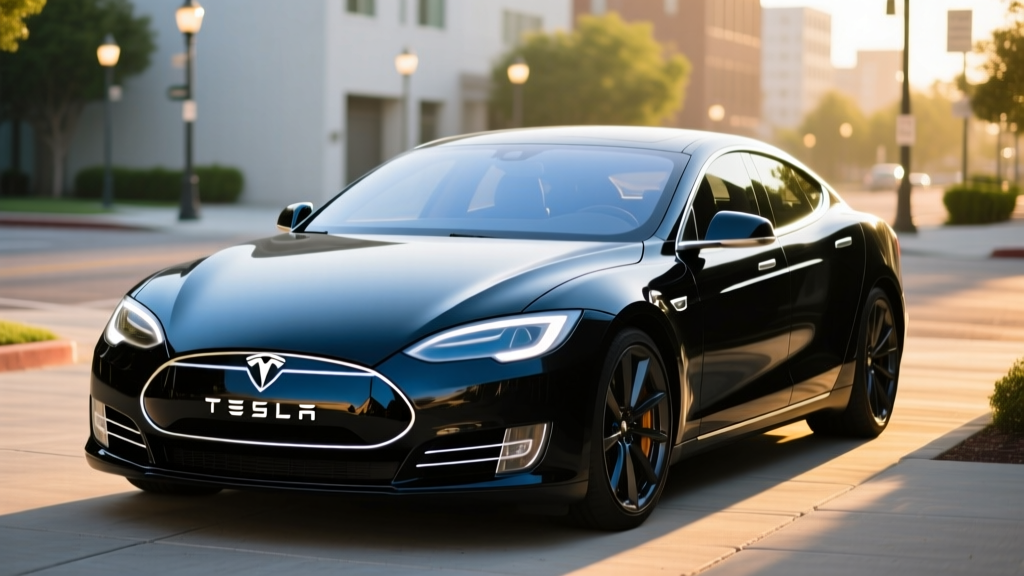
The 2015 Tesla Model S P85D was a watershed vehicle when it launched — a dual-motor, all-wheel-drive sedan that could embarrass supercars off the line while seating five adults in near silence. More than a decade later, it circulates on the used-EV market at a fraction of its original price, attracting buyers who want Tesla's Supercharger network access and flagship sedan comfort without the flagship price tag. But buying a 10+ year-old electric vehicle demands hard questions about battery health, charging speed, and long-term ownership costs. Here is the data-driven breakdown you need before signing the papers.
Quick Verdict: The 2015 P85D at a Glance
| Spec | 2015 Tesla Model S P85D |
|---|---|
| EPA Range (original) | 253 miles |
| Battery Capacity | 85 kWh (gross) / ~81 kWh usable |
| Battery Chemistry | NMC (Nickel Manganese Cobalt) |
| Drivetrain | Dual-Motor AWD |
| Horsepower | 691 hp (combined, peak) |
| 0–60 mph | 3.2 seconds (with Ludicrous, originally Insane at 3.5s) |
| Max DC Fast Charge | ~120 kW (Supercharger V2) |
| Level 2 Charge Rate | 10 kW (single charger) / 20 kW (twin chargers option) |
| EPA Efficiency | 93 MPGe combined (36 kWh/100 mi) |
| Cargo Volume | 26.3 cu ft (rear) + 5.3 cu ft (frunk) |
| Original MSRP | ~$120,000 (as-tested w/ options) |
| 2026 Used Market Range | $22,000–$38,000 |
| Battery Warranty (original) | 8 years / unlimited miles |
Real-World Range: What to Expect in 2026
Real-World Expectation (2026, aged battery): 180–220 miles in mixed driving; 150–175 miles at sustained 75 mph highway speeds; 130–155 miles in sub-30°F winter conditions.
The P85D shipped with an 85 kWh NMC battery pack — a lithium-ion architecture using nickel, manganese, and cobalt cathode chemistry optimized for high energy density and power output. When new, the EPA rated it at 253 miles. According to fueleconomy.gov, the combined efficiency was 93 MPGe, translating to roughly 36 kWh per 100 miles.
But that was 2015. NMC chemistry in early Tesla packs has demonstrated measurable degradation over time. Industry data and owner reports suggest 10- to 15-year-old Model S packs typically retain between 75% and 85% of original capacity, depending on charging habits, climate exposure, and whether the owner routinely charged to 100%. A P85D that started at ~81 kWh usable may now deliver 60–70 kWh usable — directly compressing range.
Highway driving at 75+ mph pushes efficiency closer to 38–42 kWh/100 mi, further eroding range. In freezing temperatures, the cabin heater and battery thermal management system draw additional energy, and cold cells cannot accept or deliver power as efficiently. Plan on 130–155 miles of usable range in harsh winter conditions before needing a charge. This is not a road-trip EV without careful Supercharger route planning.
Charging Speed: DC Fast and Home Level 2
The 2015 P85D predates the CCS charging standard in North America. It uses Tesla's proprietary connector, which in 2015 was the only game in town for DC fast charging. The vehicle can access the full Tesla Supercharger network — the strongest public charging infrastructure in the US — but at charge rates far below today's benchmarks.
| Charging Method | Power (kW) | Speed (mi/hr of charge) | 10–80% Time |
|---|---|---|---|
| Supercharger V2 (DC fast) | ~120 kW peak | ~280 mi/hr (at peak) | ~40–50 minutes |
| Level 2 (single onboard charger, 240V/48A) | 10 kW | ~29 mi/hr | ~7–8 hours (full) |
| Level 2 (twin chargers option, 240V/80A) | 20 kW | ~58 mi/hr | ~3.5–4 hours (full) |
| Level 1 (120V standard outlet) | ~1.4 kW | ~3–4 mi/hr | N/A (overnight top-up only) |
A critical distinction: kW (kilowatts) measures power — the rate at which energy flows into the battery. kWh (kilowatt-hours) measures energy — the total capacity of the battery. The P85D's 85 kWh battery charged at a peak of 120 kW will not sustain that rate throughout the session. Like all lithium-ion batteries, the charge curve tapers significantly above 50–60% state of charge (SoC). You will see 120 kW only at low SoC; above 80%, the rate drops sharply to protect cell longevity. A 10–80% session at a Supercharger V2 typically takes 40–50 minutes.
For home charging, a Level 2 wall connector on a 60-amp circuit delivers up to 10 kW (single charger) or 20 kW (twin chargers). Overnight charging from 20% to 80% is easily achievable with either configuration. Most P85D buyers should budget for a professional Level 2 installation at home — expect $500–$1,500 for the wall connector and $800–$2,500 for electrician labor and permitting, depending on your panel capacity and run distance.
CCS adapter note: Tesla has opened portions of the Supercharger network to non-Tesla EVs via a Magic Dock adapter, but Tesla vehicles do not need an adapter to use Superchargers. However, the P85D cannot use third-party CCS networks (Electrify America, EVgo) without a third-party CHAdeMO-to-Tesla adapter, which is expensive (~$400+), bulky, and limited to ~50 kW. For practical purposes, the Supercharger network is this car's only viable DC fast-charging option.
Performance: Insane Mode and Dual-Motor AWD
The P85D's dual-motor setup pairs a large rear induction motor with a smaller front motor, delivering all-wheel-drive traction and a combined peak output Tesla rated at 691 horsepower. In standard "Insane" mode, the P85D hits 0–60 mph in approximately 3.5 seconds. Cars equipped with the Ludicrous Mode upgrade (introduced mid-production, available as an over-the-air or hardware update) drop that to 3.2 seconds — figures that were astonishing in 2015 and remain genuinely quick today.
The air suspension provides adjustable ride height and a comfortable, adaptive ride quality. Handling is competent for a 4,800-pound sedan, though the weight is noticeable in transitions. Regenerative braking is strong and predictable, enabling near one-pedal driving in most conditions — a hallmark Tesla trait that reduces brake wear significantly.
Compared to a 2015 BMW 5 Series or Mercedes E-Class, the P85D demolishes them in straight-line acceleration while offering lower running costs (electricity vs. premium fuel). The trade-off: those German sedans had more polished interiors and more intuitive infotainment in that era.
Interior, Cargo, and Tech Features
The P85D's cabin was minimalist before minimalism was trendy. The 17-inch center touchscreen dominated the dashboard, controlling everything from climate to navigation to media. In 2026, this screen and the underlying software feel dated compared to current Tesla models and competitors, but Tesla's over-the-air updates kept the interface functional for years. Note: some 2015 models may have experienced screen delamination or MCU1 (Media Control Unit) failures — a known issue that Tesla addressed through a recall and replacement program. Verify whether the MCU has been upgraded to MCU2 or later before purchasing.
Cargo space: 26.3 cubic feet in the rear hatch area (the Model S is a liftback, not a traditional sedan trunk) plus 5.3 cubic feet in the front trunk (frunk). Total: 31.6 cu ft. Rear legroom is generous at 35.4 inches, and the flat floor makes the rear seat comfortable for three adults on short trips.
Driver assists: The 2015 P85D shipped with first-generation Autopilot hardware (Hardware 1 / HW1). This is a basic SAE Level 2 system offering adaptive cruise control and lane-keeping assist. It is not Full Self-Driving, and it is not capable of the advanced features available on Hardware 3/4 vehicles. The driver must remain fully engaged at all times. Autopilot on HW1 is functional for highway cruising but lacks the sophistication, camera resolution, and neural-net processing of modern Tesla systems. Buyers expecting autonomous driving capability will be disappointed.
Pricing, Tax Credits, and Ownership Costs
The 2015 P85D carried an original MSRP starting around $105,000 before options, with well-equipped examples reaching $120,000–$130,000. In the 2026 used market, prices typically range from $22,000 to $38,000 depending on mileage, battery health (State of Health, or SoH), condition, and whether the MCU and drive unit have been replaced.
| Cost Factor | Detail |
|---|---|
| Original MSRP (2015) | ~$105,000–$130,000 |
| 2026 Used Price Range | $22,000–$38,000 |
| Federal Used EV Tax Credit (§25E) | Up to $4,000 (30% of sale price, capped) |
| Federal New EV Credit (§30D) | NOT eligible — applies only to new vehicles |
| Estimated Insurance (annual) | $1,800–$2,800 (varies by state/driver) |
| Estimated Annual Electricity Cost | ~$550–$800 (at 12,000 mi/yr, $0.14/kWh avg) |
Tax credit clarification: The §30D federal tax credit of up to $7,500 applies exclusively to new electric vehicles and has MSRP caps ($55,000 for sedans), buyer income limits, and battery-sourcing requirements per IRS guidelines. The 2015 P85D does not qualify. However, the §25E used clean vehicle credit may provide up to $4,000 (30% of the sale price, capped at $4,000) if purchased from a licensed dealer for $25,000 or less, subject to buyer income caps ($75,000 single / $150,000 joint). Verify eligibility with a tax professional before relying on this credit.
Battery replacement risk: The original 8-year/unlimited-mile battery warranty has expired for all 2015 P85Ds. If the pack fails or degrades below acceptable levels, a replacement or remanufactured battery from Tesla typically costs $12,000–$20,000 depending on availability and labor. Third-party options exist but vary in quality. Always request a battery health report (accessible via the Tesla service menu or third-party diagnostic tools) before purchasing. A pack showing less than 75% State of Health should be priced accordingly or avoided.
Drive unit failures: Early dual-motor Teslas experienced a higher-than-average rate of drive unit failures, particularly the large rear motor. Tesla addressed many under warranty, but out-of-warranty replacements run $5,000–$8,000. Check service records carefully.
Pros and Cons
Pros
- Supercharger network access — still the most reliable DC fast-charging network in the US
- Brutal acceleration (3.2–3.5s 0–60) that still impresses in 2026
- Spacious liftback body with 31.6 cu ft total cargo volume
- Air suspension provides adjustable ride height and comfort
- Low running costs vs. comparable gasoline luxury sedans
- OTA software updates kept the vehicle functional for years
Cons
- Significant battery degradation — expect 180–220 mi real-world, not the 253 mi EPA sticker
- Slow DC fast charging by 2026 standards (120 kW vs. 250–350 kW on modern EVs)
- Outdated Autopilot hardware (HW1) — basic Level 2 only, no FSD capability
- Expired battery/drive unit warranty — $12,000–$20,000 replacement risk
- MCU1 screen failures are common; verify upgrade status
- No CCS adapter compatibility — locked to Tesla Superchargers for DC fast charging
- Insurance costs remain elevated for a high-performance used EV
Who Should Buy the 2015 P85D?
Choose the P85D if: You want a fast, comfortable luxury sedan for daily commuting and moderate road trips, you have reliable home Level 2 charging, you live near Superchargers, and you accept the risk of out-of-warranty battery/drive unit repairs. It suits enthusiasts who value acceleration and Tesla's ecosystem over cutting-edge range or autonomy.
Skip the P85D if: You need 300+ miles of reliable range, you live in a charging desert, you want modern driver-assist features, you cannot absorb a potential $15,000+ repair bill, or you need CCS compatibility for non-Tesla charging networks. Consider a used 2018+ Model 3 Long Range, a 2020+ Model Y, or a newer Hyundai Ioniq 5 / Kia EV6 instead — all offer better efficiency, faster charging, and more modern hardware at comparable used prices.
Frequently Asked Questions
What is the real-world range of the 2015 Tesla Model S P85D in 2026?
With battery degradation factored in, expect 180–220 miles in mixed driving, 150–175 miles at highway speeds, and 130–155 miles in cold weather. The original 253-mile EPA rating assumed a new battery under ideal conditions.
How fast does the P85D charge at home and on the road?
On a Supercharger V2, it peaks at ~120 kW, reaching 10–80% in roughly 40–50 minutes. At home on a Level 2 wall connector, the single onboard charger delivers 10 kW (~29 mi/hr), while the optional twin chargers deliver 20 kW (~58 mi/hr).
Does the 2015 P85D qualify for any federal EV tax credit?
It does not qualify for the §30D new-vehicle credit. It may qualify for the §25E used-EV credit of up to $4,000 if purchased from a dealer for $25,000 or less and you meet income requirements. Confirm details with a tax professional and the IRS §25E page.
Is the 2015 P85D worth buying vs. a newer used EV?
It depends on your priorities. For $25,000–$35,000, you get flagship luxury, AWD, and supercar acceleration. But you accept degraded range, slow charging, outdated driver assists, and significant repair risk. A used Model 3 Long Range or Ioniq 5 offers more modern technology and lower risk at similar prices.
What is the biggest risk of buying a used 2015 P85D?
Battery and drive unit failures after warranty expiration. A battery replacement costs $12,000–$20,000; a drive unit replacement costs $5,000–$8,000. Always obtain a battery health report and full service history before purchasing.
Can the P85D use non-Tesla charging networks?
Not practically. The P85D uses Tesla's proprietary connector and cannot natively connect to CCS chargers (Electrify America, EVgo). Third-party CHAdeMO adapters exist but are expensive, heavy, and slow (~50 kW). The Supercharger network is your primary DC fast-charging option.