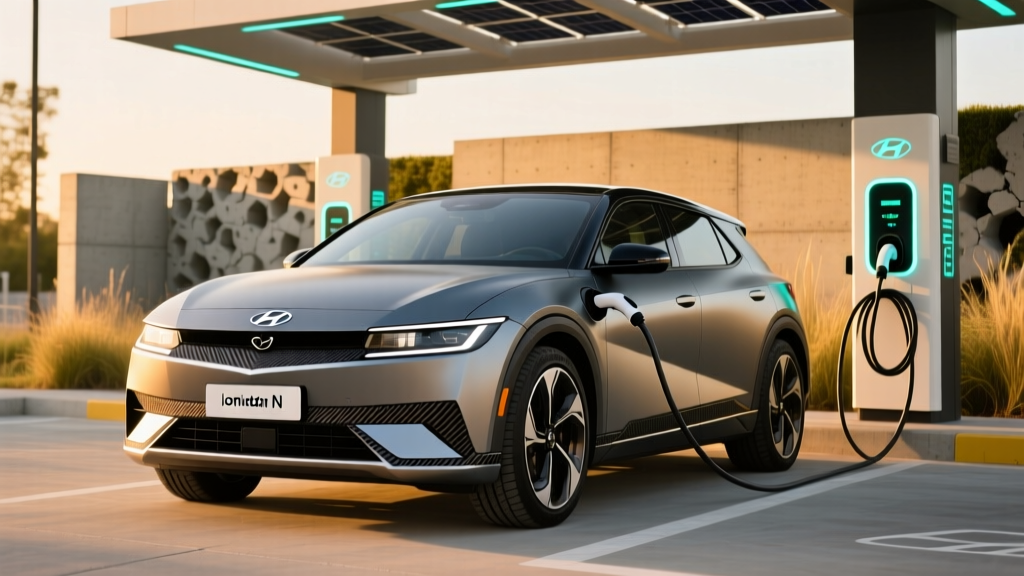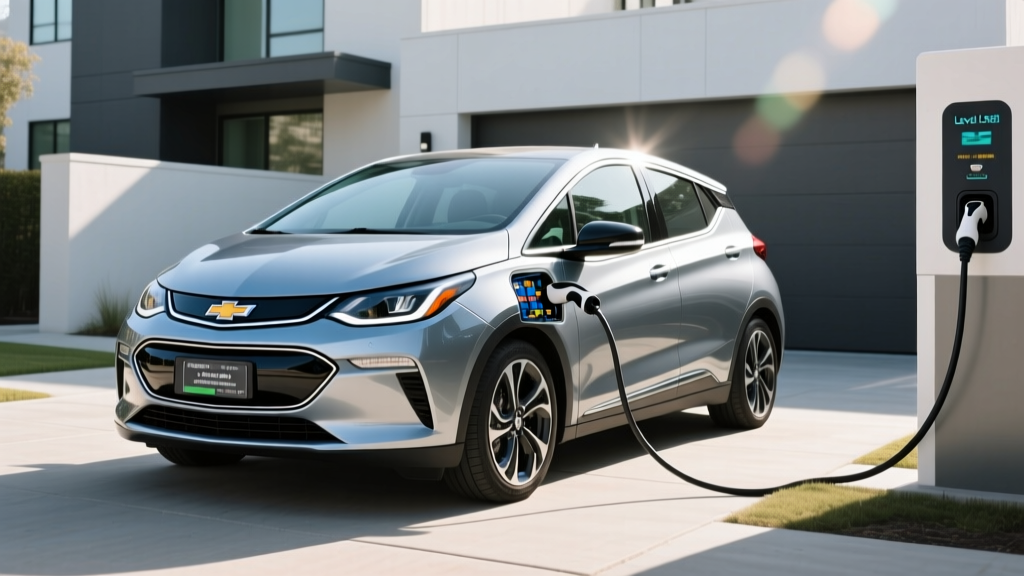
The reality of 2 door electric cars in 2026: Your options are limited but compelling. The mainstream market offers the BMW i4 (EPA 307 miles, $52,200 base) and the Ford Mustang Mach-E GT (EPA 290 miles, $59,995) as practical choices. If you're considering a true coupe, the Tesla Model 3 Performance ($52,990, 315 miles EPA) remains the benchmark, though it's technically a sedan with coupe-like proportions. Expect real-world highway range of 240-270 miles, DC fast charging from 10-80% in 18-28 minutes depending on the model, and potential federal tax credits up to $7,500 if you meet IRS §30D income and battery-sourcing requirements.
What 2 Door Electric Cars Are Actually Available?
The market for two-door EVs remains surprisingly thin in 2026. Most manufacturers have prioritized crossovers and sedans, leaving buyers seeking sporty, compact electric options with fewer choices than the gas-powered coupe segment. Here's what you can actually buy new:
Current Production Models
| Model | EPA Range | Battery (kWh) | Peak DC Charge | 10-80% Time | 0-60 mph | Base MSRP |
|---|---|---|---|---|---|---|
| BMW i4 eDrive40 | 307 mi | 81.5 (NMC) | 205 kW | ~31 min | 5.5 sec | $52,200 |
| BMW i4 M50 | 269 mi | 81.5 (NMC) | 205 kW | ~31 min | 3.7 sec | $67,900 |
| Ford Mustang Mach-E GT | 290 mi | 91 (NMC) | 150 kW | ~38 min | 3.5 sec | $59,995 |
| Tesla Model 3 Performance | 315 mi | 82 (NMC) | 250 kW | ~18 min | 2.9 sec | $52,990 |
Real-world range caveat: EPA estimates assume mixed driving at moderate temperatures. On sustained highway trips at 70-75 mph, expect 15-20% range reduction. In freezing weather (below 32°F), battery chemistry and cabin heating can drop usable range by 25-35%. The BMW i4 eDrive40's 307-mile EPA rating translates to roughly 250-260 miles on a cold winter highway drive.
Cost Breakdown: 2 Door EV vs Gas Coupe
The purchase price of a 2 door electric car typically runs $50,000-$68,000 before incentives. But the total cost of ownership tells a different story than the sticker price alone.
5-Year Ownership Comparison
| Cost Category | BMW i4 eDrive40 | BMW 430i Gran Coupe (Gas) | Difference |
|---|---|---|---|
| Purchase Price (MSRP) | $52,200 | $48,300 | +$3,900 |
| Federal Tax Credit (§30D) | -$3,750* | $0 | -$3,750 |
| 5-Year Fuel/Energy Cost | $4,200** | $9,800*** | -$5,600 |
| 5-Year Maintenance | $2,100 | $4,500 | -$2,400 |
| 5-Year Insurance | $11,400 | $9,600 | +$1,800 |
| 5-Year Total | $66,150 | $72,200 | -$6,050 |
*Assumes buyer meets income caps and vehicle qualifies for partial credit based on battery sourcing rules. Check IRS §30D guidelines for current eligibility.
**Based on 15,000 miles/year, $0.14/kWh national average, 80% home charging.
***Based on 15,000 miles/year, 28 MPG combined, $3.60/gallon.
Charging Reality: What You Need to Know
Charging infrastructure access determines whether a 2 door electric car works for your lifestyle. Here's the practical breakdown:
Home Charging (Level 2)
Equipment cost: $500-$1,200 for a quality 48-amp Level 2 charger (ChargePoint Home Flex, Wallbox Pulsar Plus, or Tesla Wall Connector).
Installation cost: $800-$2,500 depending on electrical panel capacity and distance from panel to garage. If your home has a 200-amp panel with spare capacity, expect the lower end. Older homes with 100-amp panels may need a $2,000-$4,000 panel upgrade.
Charging speed: A 48-amp Level 2 charger delivers roughly 11.5 kW, adding 35-45 miles of range per hour. An overnight charge (8 hours) fully replenishes any 2 door EV in this guide.
Public DC Fast Charging
The BMW i4 and Tesla Model 3 Performance can accept 200+ kW peak charging rates, but sustained rates matter more than peak numbers. The charging curve tapers significantly above 80% state of charge to protect battery longevity. Here's what that means in practice:
- 10-80% charge: 18-38 minutes depending on model and charger capability
- 80-100% charge: Adds another 20-40 minutes due to taper
- Real-world road trip: Plan 20-30 minute stops every 200-250 miles
Network compatibility: Tesla uses NACS connectors and the Supercharger network. BMW and Ford use CCS1 connectors, compatible with Electrify America, EVgo, and ChargePoint DC fast chargers. Tesla has opened some Superchargers to non-Tesla vehicles via built-in adapters, but availability remains limited.
Tax Credit Eligibility: The Fine Print
The federal EV tax credit under IRS §30D offers up to $7,500, but qualification depends on multiple factors that change annually:
2026 Requirements
- MSRP cap: $55,000 for sedans/coupes, $80,000 for SUVs/trucks (the BMW i4 M50 at $67,900 exceeds the sedan cap and qualifies for $0)
- Buyer income limits: $150,000 single / $300,000 joint modified adjusted gross income
- Battery sourcing: Increasing percentages of battery components and critical minerals must be sourced from the U.S. or free-trade-agreement countries
- Point-of-sale transfer: You can transfer the credit to the dealer for an immediate price reduction rather than waiting for tax refund
Current reality: Most 2 door electric cars qualify for $3,750 or $0 in 2026 due to battery-sourcing requirements. The Tesla Model 3 Performance qualifies for $3,750 (partial credit) as of early 2026. Always verify current eligibility on the IRS website before purchase.
Decision Framework: Should You Buy?
Choose a 2 Door Electric Car If:
- You have access to home charging (garage or dedicated parking spot with 240V outlet)
- Your daily driving is under 200 miles round-trip
- You value low maintenance costs and instant torque acceleration
- You live in an area with reliable public charging for occasional road trips
- You plan to keep the vehicle 5+ years to recoup the higher purchase price
Consider a Gas or Hybrid Coupe Instead If:
- You lack home charging access and rely on street parking
- You regularly drive 300+ miles in a day without time for charging stops
- You live in extreme cold climates (sustained sub-zero temperatures) and have range anxiety
- You need to minimize upfront purchase cost and plan to sell within 3 years
- You frequently tow or carry heavy loads (EVs lose more range under load)
Common Misconceptions
| Myth | Fact |
|---|---|
| "EV batteries need replacement every 5 years" | Federal law mandates 8-year/100,000-mile battery warranties. Real-world data shows 10-15% degradation over 150,000 miles for NMC chemistry. |
| "Charging takes hours" | Home Level 2 charging adds 40 miles per hour overnight. DC fast charging reaches 80% in 20-40 minutes on road trips. |
| "EVs are worse in winter" | Range drops 25-35% in freezing temps, but EVs start reliably, heat instantly, and have better traction control due to low center of gravity. |
| "The grid can't handle EVs" | Most charging happens overnight during off-peak hours when grid capacity is underutilized. Smart charging and V2G technology balance load. |
First-Time EV Buyer Checklist
- Verify home charging feasibility: Check electrical panel capacity (need 50-amp circuit for 48-amp charger). Get electrician quote before purchase.
- Test drive in your typical conditions: Highway, city, cold weather if applicable. Assess regenerative braking feel and one-pedal driving preference.
- Download charging apps: PlugShare, ChargePoint, EVgo to map public charging near home, work, and frequent destinations.
- Calculate your actual electricity rate: Check your utility bill. $0.10-$0.20/kWh is typical. Some utilities offer EV-specific time-of-use rates with cheaper overnight charging.
- Research insurance costs: EVs typically cost 15-25% more to insure due to higher repair costs. Get quotes before committing.
- Understand warranty coverage: Battery (8yr/100k mi), powertrain (8yr/100k mi), basic (4yr/50k mi typical). Read the fine print on capacity retention thresholds.
FAQ: 2 Door Electric Cars
What's the cheapest 2 door electric car?
The BMW i4 eDrive40 at $52,200 base MSRP is the most affordable new 2 door EV coupe in 2026. After a potential $3,750 federal tax credit, effective price drops to ~$48,450. Used options like the 2022-2023 Tesla Model 3 can be found for $30,000-$38,000.
Do 2 door electric cars hold their value?
EV depreciation has historically been steeper than gas cars (40-50% over 3 years vs 30-35% for gas), but this is improving as the market matures. Tesla and BMW models retain value better than lesser-known brands. Battery health and charging history significantly impact resale.
Can I take a 2 door EV on a road trip?
Yes, with planning. The BMW i4's 307-mile EPA range and 205 kW charging capability means 200-250 mile legs with 20-30 minute charging stops. Apps like A Better Routeplanner help map charging stops. Expect 20-30% longer travel time vs gas on 500+ mile trips.
What happens if the battery fails?
Federal law requires 8-year/100,000-mile battery warranties covering defects and capacity loss below 70-80% (varies by manufacturer). Out-of-warranty replacement costs $12,000-$20,000 depending on battery size, but catastrophic failures are rare. Most batteries retain 85-90% capacity at 100,000 miles.
Are 2 door electric cars faster than gas coupes?
In straight-line acceleration, yes. The Tesla Model 3 Performance hits 0-60 mph in 2.9 seconds, beating most gas coupes under $100,000. Electric motors deliver instant torque with no lag. However, gas coupes may feel more engaging on twisty roads due to lighter weight and traditional steering feedback.