Introduction to the Compact EV Budget Battle
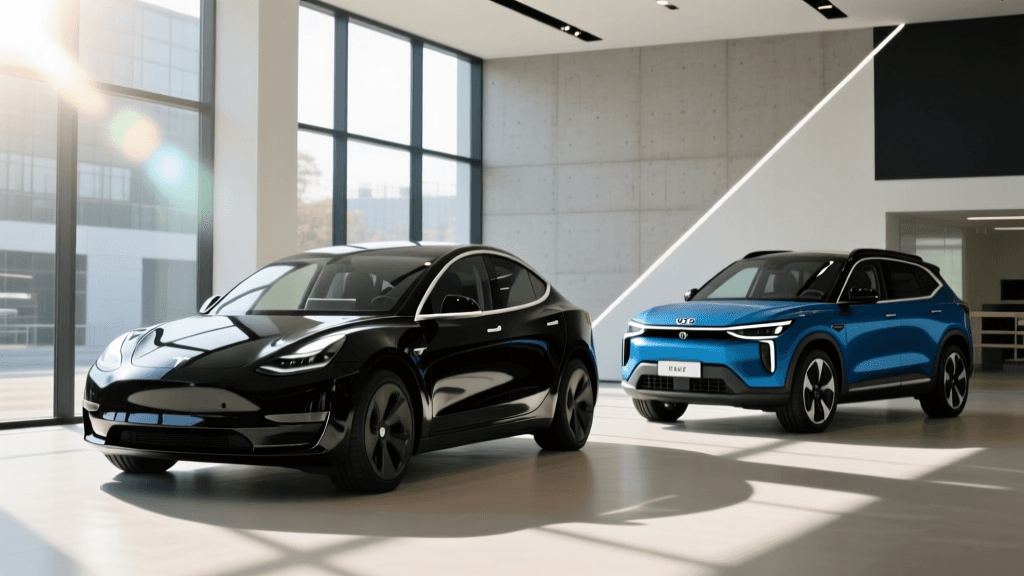
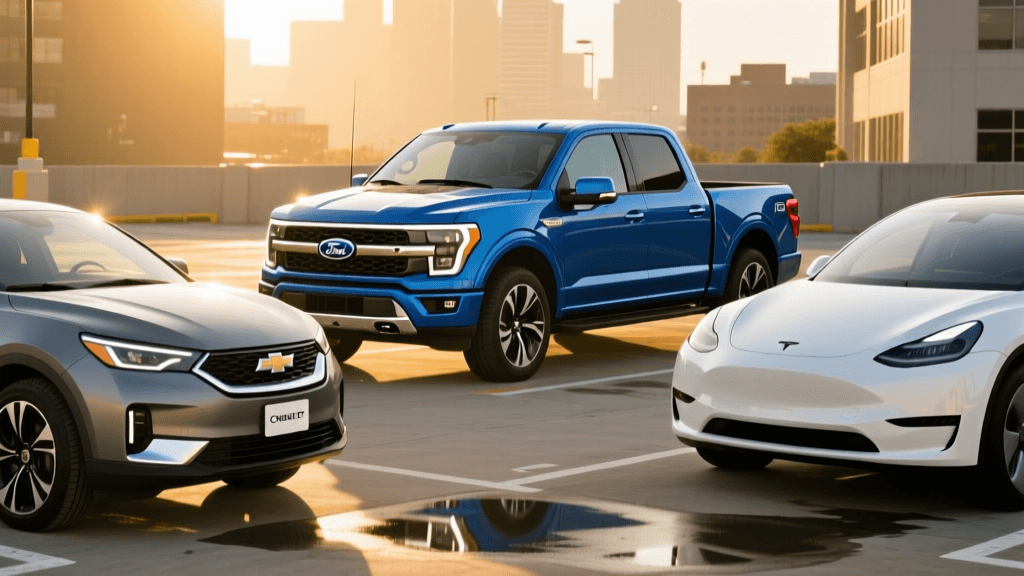
For beginners stepping into the electric vehicle market, the sheer number of choices can be overwhelming. However, when it comes to the compact electric SUV segment, two heavyweights consistently dominate the conversation: the industry-defining Tesla Model Y and the brand-new, value-focused Chevrolet Equinox EV. While the Model Y has enjoyed years of market dominance and widespread acclaim, General Motors has entered the arena with the Equinox EV, promising impressive range and a significantly lower barrier to entry. But which one is truly more affordable when you look beyond the initial sticker price?
In this beginner's complete guide, we will break down the true affordability of the Chevrolet Equinox EV versus the Tesla Model Y. We will analyze base pricing, federal tax incentives, home charging setup costs, insurance premiums, and long-term maintenance. By the end of this comparison, you will have a crystal-clear understanding of which electric SUV offers the best financial fit for your lifestyle and budget.
Sticker Price and Trim Level Breakdown
The most obvious starting point for any affordability comparison is the Manufacturer's Suggested Retail Price (MSRP). Tesla operates with a direct-to-consumer model, meaning the price you see on their website is generally the price you pay, minus any applicable incentives. The Chevrolet Equinox EV, on the other hand, is sold through traditional franchised dealerships, which can introduce variables like dealer markups or negotiated discounts.
Tesla Model Y Pricing
The Tesla Model Y is primarily available in two main configurations for the everyday buyer: the Long Range All-Wheel Drive and the Performance variant. The Long Range model typically starts around $44,990 (before destination fees). While Tesla occasionally adjusts its pricing in response to market demands and manufacturing efficiencies, the Model Y firmly sits in the premium compact SUV tier. You are paying for the Tesla badge, the proprietary Supercharger network access, and industry-leading software integration.
Chevrolet Equinox EV Pricing
Chevrolet has aggressively targeted the budget-conscious buyer with the Equinox EV. The entry-level 2LT trim with Front-Wheel Drive (FWD) starts at an incredibly competitive MSRP of approximately $34,995, including destination charges. If you want All-Wheel Drive (AWD) or the sportier RS trim, the price climbs closer to $43,000 to $46,000. However, the base 2LT FWD model is the true star of the Equinox lineup, offering an EPA-estimated 315 miles of range at a price point that undercuts the base Model Y by roughly $10,000 before any incentives are applied.
The $7,500 Federal Tax Credit Factor
When evaluating EV affordability, you must factor in the federal tax credits established by the Inflation Reduction Act. According to the IRS Clean Vehicle Credit guidelines, eligible buyers can receive up to $7,500 in tax credits for purchasing a new, qualifying electric vehicle. Crucially, as of 2024, buyers can transfer this credit to the dealer at the point of sale, effectively acting as an immediate $7,500 down payment or price reduction.
Both the Chevrolet Equinox EV and the Tesla Model Y currently qualify for the full $7,500 federal tax credit, provided the buyer meets the income caps and the vehicle's battery components satisfy North American sourcing requirements. When you apply this point-of-sale rebate, the financial gap between the two vehicles widens dramatically in Chevrolet's favor. A $34,995 Equinox EV 2LT effectively drops to an out-of-pocket cost of around $27,495, making it one of the most affordable 300+ mile EVs on the market. The Model Y Long Range drops to roughly $37,490. For a beginner on a strict budget, the Equinox EV's post-incentive pricing is nearly impossible to beat.
Home Charging Setup and Daily Fuel Costs
A common pitfall for EV beginners is forgetting to budget for home charging infrastructure. Relying solely on public charging is expensive and inconvenient. To truly benefit from EV ownership, you need a Level 2 home charger.
Home Charger Installation
According to the Department of Energy's Alternative Fuels Data Center, installing a dedicated 240-volt Level 2 charging station at home typically costs between $500 and $2,000, depending on your home's electrical panel capacity and the distance from the panel to your garage. Both Tesla and Chevrolet offer their own branded wall connectors, but third-party options like ChargePoint or Emporia are often more affordable and universally compatible. The installation cost is a one-time fee that applies equally to both vehicles, meaning it does not inherently favor one over the other, but it is a mandatory upfront cost to factor into your budget.
The NACS vs. CCS Charging Standard
Tesla uses the North American Charging Standard (NACS), which grants seamless access to the highly reliable Tesla Supercharger network. Chevrolet is currently in a transition period. Early Equinox EV models are equipped with the CCS charging port, but GM is adopting NACS for future models and providing adapters for existing owners. While the Equinox EV will eventually access Tesla Superchargers via an adapter, beginners should be aware that using an adapter can sometimes be a slightly less seamless experience than the native plug-and-charge ecosystem Tesla owners enjoy. However, the Equinox EV supports up to 170 kW of DC fast-charging, meaning it can add roughly 70 miles of range in just 10 minutes on compatible public networks, keeping road-trip costs and times highly manageable.
Insurance Premiums and Repair Realities
Insurance is where the Tesla Model Y often takes a significant financial hit. Because Teslas feature specialized aluminum bodies, proprietary software, and a limited network of certified third-party repair shops, collision repairs can be exceptionally costly. Insurance companies pass these costs onto the consumer. It is not uncommon for Model Y owners to face annual insurance premiums that are 30% to 50% higher than the industry average for compact SUVs.
Chevrolet, conversely, benefits from General Motors' massive, established dealership and third-party repair network. The Equinox EV shares many underlying structural and safety components with traditional GM vehicles, making it much easier and cheaper for standard body shops to repair. For a beginner buyer, the Equinox EV will likely yield hundreds of dollars in annual savings on insurance premiums alone, further widening the affordability gap over a multi-year ownership period. To understand the baseline environmental and efficiency impacts of these vehicles, the Environmental Protection Agency's EV overview is an excellent resource for understanding how EV efficiency translates to long-term carbon and cost savings.
5-Year Total Cost of Ownership (Data Table)
To truly understand affordability, we must look at the Total Cost of Ownership (TCO). The table below provides an estimated 5-year/75,000-mile financial breakdown for a beginner buyer purchasing the base FWD Equinox EV 2LT versus the AWD Model Y Long Range. Note that estimates for electricity, insurance, and depreciation can vary based on location and driving habits.
| Cost Category (5-Year Estimate) | Chevy Equinox EV (2LT FWD) | Tesla Model Y (Long Range AWD) |
|---|---|---|
| Base MSRP (approx.) | $34,995 | $44,990 |
| Federal Tax Credit | -$7,500 | -$7,500 |
| Effective Purchase Price | $27,495 | $37,490 |
| Home Charger Setup | $1,200 | $1,200 |
| Electricity (Home/Public) | $2,800 | $3,100 |
| Insurance Premiums | $7,500 | $11,500 |
| Maintenance & Repairs | $1,500 | $1,800 |
| Estimated Depreciation | $12,000 | $18,500 |
| Total 5-Year Cost | $52,495 | $73,590 |
*Note: Depreciation is calculated based on the effective purchase price post-tax credit. Tesla's higher starting price and recent market price cuts have led to steeper initial depreciation curves compared to Chevrolet's budget-friendly entry point.
Final Verdict: Which EV Fits Your Budget?
When it comes to pure, unadulterated affordability, the Chevrolet Equinox EV is the undisputed champion for the beginner buyer. By leveraging an aggressively low starting MSRP, full eligibility for the $7,500 point-of-sale federal tax credit, and vastly superior insurance and depreciation metrics, the Equinox EV offers a 300+ mile electric experience at a price point that rivals internal combustion compact SUVs. It is the perfect choice for budget-conscious commuters, new EV adopters, and families looking to minimize their monthly transportation expenses without sacrificing modern tech or range.
However, the Tesla Model Y remains the superior choice for buyers who prioritize native access to the Supercharger network, cutting-edge autonomous driving software, and blistering AWD performance. If your budget allows for a $20,000+ premium over five years in exchange for the Tesla ecosystem and superior road-trip convenience, the Model Y is still a phenomenal vehicle. But if your primary goal is to transition to electric mobility while keeping your wallet as full as your battery, the Chevrolet Equinox EV is the smartest financial move you can make today.