Introduction to the EV Affordability Battlefield
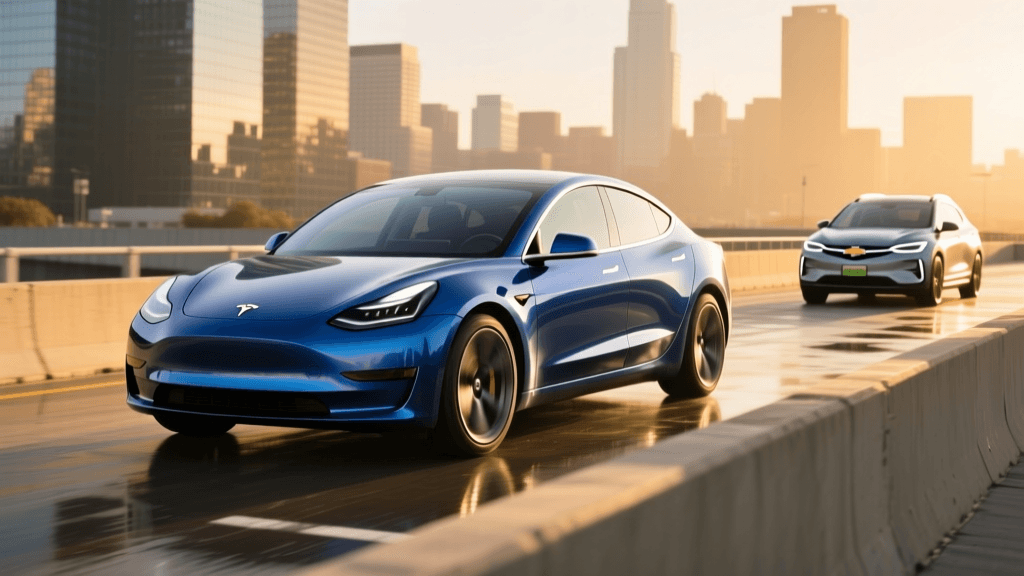
Stepping into the electric vehicle (EV) market for the first time can feel overwhelming. Between deciphering battery chemistries, understanding charging speeds, and navigating fluctuating sticker prices, finding the right EV for your budget requires a bit of homework. Today, we are putting two of the most highly anticipated and popular electric crossovers head-to-head: the Chevrolet Equinox EV and the Tesla Model Y.
While the Tesla Model Y has dominated global sales charts for years, the Chevrolet Equinox EV has entered the chat with a promise that is music to a beginner's ears: true, unadulterated affordability. But comparing EVs goes far beyond the sticker price on the dealership window. To truly understand which vehicle is the better financial decision for your household, we must calculate the Total Cost of Ownership (TCO). This includes the purchase price, federal tax incentives, home charging setup, daily electricity costs, insurance premiums, and long-term maintenance.
In this beginner's complete guide, we will break down the Chevy Equinox EV vs Tesla Model Y affordability comparison so you can drive away with confidence, knowing exactly how much these electric SUVs will cost you over the next five years.
Sticker Shock: Base MSRP and Trim Breakdown
The most immediate difference between these two electric crossovers is the entry price. Tesla operates with a direct-to-consumer model, meaning the price you see online is generally the price you pay, minus a destination fee. The Tesla Model Y Long Range AWD typically starts around $47,740 (including destination). This trim offers an EPA-estimated range of roughly 308 miles, dual-motor all-wheel drive, and access to Tesla's industry-leading Supercharger network.
On the other side of the ring, Chevrolet utilizes a traditional dealership network. The Chevrolet Equinox EV 2LT (the most popular entry-level trim equipped with the larger battery pack) starts at an MSRP of approximately $33,400, which includes the destination freight charge. This trim offers an impressive EPA-estimated range of 319 miles, front-wheel drive (with AWD available for an extra cost), and GM's expansive Ultium battery architecture.
Beginner Takeaway: Right out of the gate, the Chevy Equinox EV boasts a massive sticker price advantage of over $14,000. For families on a strict budget, this initial gap is difficult for Tesla to overcome without significant price cuts or special financing offers.
The $7,500 Question: Federal Tax Credits Explained
One of the most critical concepts for an EV beginner to master is the Federal Clean Vehicle Tax Credit. Thanks to the Inflation Reduction Act (IRA), eligible buyers can receive up to $7,500 off the purchase of a qualifying new EV. According to the Internal Revenue Service (IRS), to qualify for the full amount, the vehicle must meet strict battery component and critical mineral sourcing requirements, and the buyer must meet specific income caps.
Currently, both the Chevrolet Equinox EV (built in North America) and the Tesla Model Y (built in Fremont, CA, and Austin, TX) qualify for the full $7,500 federal tax credit, provided the buyer's modified adjusted gross income falls below the IRS thresholds ($300,000 for joint filers, $150,000 for individuals).
The Point-of-Sale (POS) Advantage: As of 2024, buyers can transfer this $7,500 credit directly to the dealership at the time of purchase. This acts as an instant down payment, drastically reducing the amount you need to finance. When we apply the POS rebate to our base models, the financial picture shifts dramatically:
- Equinox EV 2LT Effective Price: $25,900
- Model Y Long Range Effective Price: $40,240
At an effective price of under $26,000, the Equinox EV competes directly with gas-powered compact SUVs, making it an absolute steal for budget-conscious buyers.
Fueling Up: Home Charging vs. Public Networks
When transitioning from gas to electric, your "fuel" costs will drop significantly, but they vary based on your local electricity rates and the vehicle's efficiency. Efficiency in EVs is measured in miles per kilowatt-hour (mi/kWh). Data from Fueleconomy.gov shows that lighter, more aerodynamic vehicles generally achieve higher mi/kWh ratings.
The Tesla Model Y is widely considered the gold standard for EV efficiency. Its heat pump, lightweight construction, and aerodynamic profile allow it to squeeze more miles out of every kilowatt-hour compared to the slightly heavier, boxier Equinox EV. If you are charging exclusively on public DC Fast Chargers (where rates can exceed $0.40 per kWh), the Model Y's superior efficiency will save you roughly 10% to 15% on road trip charging costs compared to the Chevy.
However, the vast majority of EV charging happens at home on a Level 2 (240-volt) charger. If your local utility charges an average of $0.15 per kWh, the efficiency gap between the two vehicles shrinks to mere pennies per day. To maximize affordability, beginners should budget $500 to $1,200 for a professional electrician to install a NEMA 14-50 outlet in their garage, enabling cheap, overnight home charging for either vehicle.
The Hidden Costs: Insurance and Maintenance
Affordability isn't just about buying the car; it's about keeping it on the road. This is where the traditional automaker holds a distinct advantage over the tech-centric disruptor.
Insurance Premiums: Teslas are notoriously expensive to insure. Because Tesla utilizes proprietary body panels, specialized aluminum repair techniques, and integrated sensor suites, collision repairs are costly. Insurance companies pass these costs onto the consumer. On average, insuring a Model Y costs between $2,200 and $2,800 annually, depending on your zip code and driving record. The Equinox EV, sharing a lineage and parts bin with millions of other GM vehicles, benefits from standard insurance rates, typically hovering around $1,500 to $1,800 per year.
Maintenance and Repairs: The U.S. Department of Energy's Alternative Fuels Data Center notes that EVs generally cost significantly less to maintain than internal combustion engine vehicles because they lack oil changes, spark plugs, and complex multi-speed transmissions. However, when out-of-warranty repairs or minor bodywork are needed, Chevrolet's vast network of certified local dealerships offers cheaper, more accessible service than Tesla's often backlogged, centralized service centers.
Depreciation: What Happens When You Sell?
Depreciation is the silent killer of automotive wealth. Historically, Teslas held their value incredibly well. However, recent aggressive price cuts by Tesla on new models have severely impacted the resale value of used Model Ys. When the new price drops, the used market follows suit immediately.
The Chevrolet Equinox EV is a brand-new nameplate. While all EVs suffer from steeper depreciation curves than gas cars due to rapid battery tech advancements, the Equinox EV's incredibly low entry price (post-tax credit) means it has less absolute dollar value to lose. If you buy an Equinox EV for $26,000 out the door, a 40% depreciation hit over three years leaves you with a modest loss. If you buy a Model Y for $45,000, that same percentage loss equates to thousands of dollars more out of your pocket.
5-Year Total Cost of Ownership (TCO) Breakdown
To visualize the affordability comparison, let's look at an estimated 5-year TCO table. This assumes 15,000 miles driven annually, a mix of 80% home charging and 20% public fast charging, and the application of the $7,500 federal tax credit at the point of sale.
| Cost Factor (5-Year Estimate) | Chevy Equinox EV (2LT FWD) | Tesla Model Y (Long Range AWD) |
|---|---|---|
| Effective Purchase Price | $25,900 | $40,240 |
| Estimated Insurance (5 Yrs) | $8,250 | $12,500 |
| Electricity / Fuel (5 Yrs) | $2,900 | $2,600 |
| Maintenance & Repairs | $1,200 | $1,500 |
| Home Charger Install (One-Time) | $800 | $800 |
| Total 5-Year Gross Cost | $39,050 | $57,640 |
Note: This table does not factor in resale value or financing interest rates, which will vary heavily based on your credit score and local dealer markups.
Final Verdict: Which EV Wins Your Wallet?
When it comes to pure, unfiltered affordability, the Chevrolet Equinox EV is the undisputed champion of this comparison. By leveraging the federal point-of-sale tax credit, Chevy has positioned the Equinox EV as an accessible gateway into the electric lifestyle. It offers excellent range, a comfortable and familiar interior, and drastically lower insurance premiums. For the beginner buyer who wants a reliable daily commuter that won't break the bank or strain their monthly budget, the Equinox EV 2LT is a phenomenal choice.
However, the Tesla Model Y justifies its premium price tag for a specific type of buyer. If you frequently take long cross-country road trips, value blistering acceleration, require standard all-wheel drive for harsh winters, and demand seamless access to the native Supercharger network, the Model Y remains the ultimate tech-forward family hauler. You are paying a premium for software, performance, and infrastructure.
The Bottom Line: If your primary goal is maximizing your budget and minimizing your monthly expenses, buy the Chevy Equinox EV. If you view your vehicle as a high-tech gadget and are willing to pay a premium for industry-leading software and charging convenience, the Tesla Model Y is worth the extra investment.