Introduction: The Mainstream EV Showdown
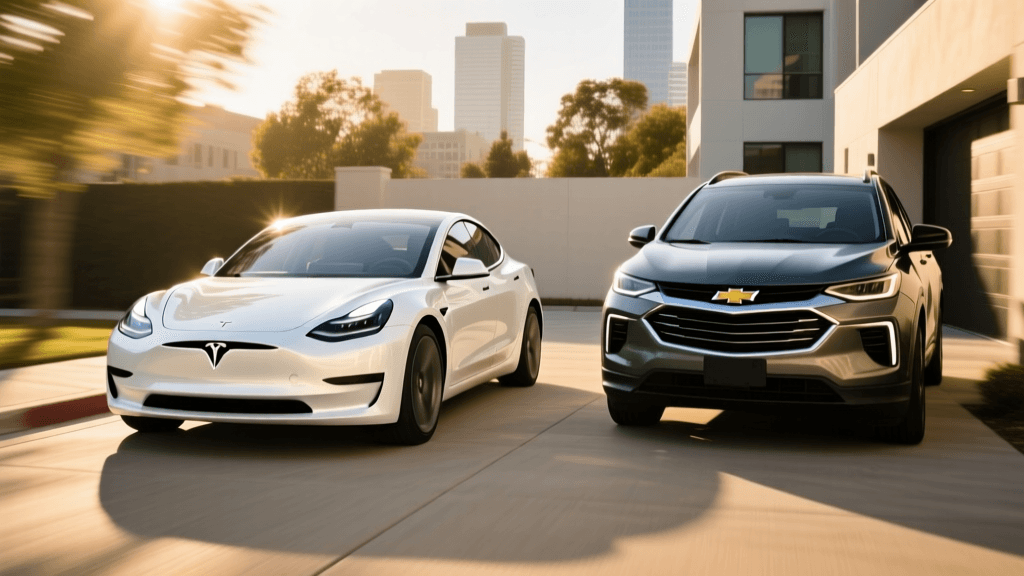
Stepping into the world of electric vehicles for the first time can feel overwhelming, especially when trying to decipher the true cost of ownership. Two of the most talked-about compact electric SUVs on the market today are the Chevrolet Equinox EV and the Tesla Model Y. While the Model Y has dominated sales charts for years, Chevy has entered the arena with the Equinox EV, promising a more traditional driving experience and an aggressive price point. But which one is actually more affordable when you look beyond the showroom sticker price?
In this beginner's complete guide, we will break down the affordability of the Chevy Equinox EV versus the Tesla Model Y. We will explore the initial purchase price, federal tax incentives, home charging setup costs, daily running expenses, and long-term ownership factors like insurance and maintenance. By the end of this comparison, you will have a crystal-clear understanding of which EV best fits your budget and lifestyle.
Sticker Price and Trim Level Breakdown
When you first walk into a dealership or configure your car online, the Manufacturer's Suggested Retail Price (MSRP) is the most obvious number. The Tesla Model Y is offered primarily in two configurations: the Long Range All-Wheel Drive and the Performance variant. The Long Range model typically starts around $47,990, while the Performance trim pushes past $51,000. Tesla's pricing can fluctuate frequently based on supply chain dynamics and corporate strategy, but this is the general baseline for a well-equipped Model Y.
On the other hand, the Chevrolet Equinox EV offers a wider ladder of trims, starting with the more budget-friendly 2LT and climbing up to the fully loaded 3RS. Prices generally range from roughly $33,000 for the base fleet-oriented models up to about $43,000 for a fully optioned 3RS AWD with launch edition packages. For a fair comparison against the Model Y Long Range, we will look at the Equinox EV 3LT AWD, which hovers around the $41,900 mark. Right out of the gate, the Equinox EV holds a distinct advantage in base pricing, offering a lower barrier to entry for first-time EV buyers.
The $7,500 Federal Tax Credit Factor
Affordability in the EV space is heavily influenced by government incentives. According to the Internal Revenue Service (IRS), the New Clean Vehicle Credit can knock up to $7,500 off the cost of a qualifying electric vehicle. As of 2024, the beauty of this incentive is that it can be transferred to the dealer at the 'point of sale,' effectively acting as an immediate cash discount on your purchase price rather than a tax credit you have to wait to claim during tax season.
The Tesla Model Y, assembled in the United States with compliant battery components, reliably qualifies for the full $7,500 credit, bringing its effective starting price down to approximately $40,490. The Chevrolet Equinox EV's qualification has been a bit more nuanced. Because early production models utilized battery cells sourced from Mexico, some initial trims faced hurdles with the strict North American battery component requirements. However, GM has been aggressively adjusting its supply chain, and many Equinox EV trims now qualify or are slated to qualify as battery sourcing shifts. Buyers must verify the specific VIN's eligibility on the official IRS portal before signing the paperwork. If both vehicles qualify, the Equinox EV's lower starting MSRP means its final out-the-door price will remain significantly lower than the Model Y.
The Hidden Cost of Home Charging Setup
Many beginners do not realize that buying an EV often requires a minor home renovation. To enjoy the convenience of waking up to a 'full tank' every morning, you will need a Level 2 home charger, which requires a 240-volt outlet (like a NEMA 14-50) or a hardwired connection. According to the Alternative Fuels Data Center, professional installation of a Level 2 charging setup typically costs between $500 and $1,500, depending on your home's existing electrical panel capacity.
If you choose the Tesla Model Y, you might opt for the Tesla Wall Connector (around $475). If you choose the Equinox EV, Chevy often provides complimentary installation of a Level 2 charger through specific promotional programs, or you can purchase a third-party unit like the ChargePoint Home Flex (around $600). If your home's electrical panel needs an upgrade to support a 50-amp circuit, costs can spike by an additional $1,000 to $2,000. While this upfront cost is identical for both vehicles, Chevy's occasional free-charger promotions can save Equinox buyers roughly $500 in hardware costs during their first year of ownership.
Efficiency and Daily Running Costs
Once you are on the road, affordability shifts to how efficiently the vehicle uses electricity. The EPA measures this in MPGe (Miles Per Gallon equivalent). The Tesla Model Y Long Range is an efficiency marvel, achieving an EPA-estimated 111 MPGe combined. The heavier, more traditionally styled Equinox EV AWD achieves roughly 96 MPGe combined. While the Model Y is technically more efficient, the real-world cost difference is surprisingly small.
The U.S. Department of Energy's Fuel Economy Guide notes that the national average cost of electricity is roughly $0.17 per kWh. Assuming you drive 1,000 miles a month and charge exclusively at home, the Model Y will cost you approximately $45 per month in electricity. The Equinox EV, being slightly less aerodynamic and heavier, will cost you about $52 per month. That is a difference of just $7 a month. When compared to a gas-powered SUV that might cost $150 to $200 a month in fuel, both EVs represent massive monthly savings, effectively neutralizing the efficiency gap in everyday budgeting.
Insurance, Maintenance, and Depreciation
Insurance is where the Tesla Model Y often catches new owners off guard. Because Teslas utilize specialized repair networks, proprietary parts, and advanced (but expensive to replace) sensor arrays, insurance premiums for the Model Y are notoriously high. Depending on your zip code and driving history, insuring a Model Y can cost 20% to 40% more than insuring a comparable Chevy. The Equinox EV benefits from GM's massive, established dealer network and widely available body parts, making it significantly cheaper to insure.
Maintenance on both vehicles is minimal compared to gas cars—no oil changes, no spark plugs, and regenerative braking saves your brake pads. However, Tesla's mobile service and service center wait times can sometimes necessitate renting a car if a major repair is needed, whereas Chevy's ubiquitous dealership network makes dropping off the Equinox EV much more convenient. Regarding depreciation, Teslas have experienced steep depreciation curves recently due to aggressive price cuts on new models, which hurts used resale values. The Equinox EV is too new to have long-term data, but traditional legacy automakers often see more predictable, stabilized depreciation after the initial year-one drop.
Head-to-Head Affordability Comparison Table
| Cost Factor | Chevrolet Equinox EV (3LT AWD) | Tesla Model Y (Long Range AWD) |
|---|---|---|
| Estimated Base MSRP | $41,900 | $47,990 |
| Federal Tax Credit (Point of Sale) | Up to $7,500 (Verify VIN) | $7,500 |
| Effective Starting Price | ~$34,400 | ~$40,490 |
| Est. Home Charger Setup | $500 - $1,500 (Promos may apply) | $1,000 - $1,500 |
| Efficiency (Combined MPGe) | 96 MPGe | 111 MPGe |
| Est. Monthly Fuel Cost (Home) | ~$52 | ~$45 |
| Est. Annual Insurance Premium | $1,600 - $2,000 | $2,200 - $2,800 |
The Verdict: Which EV is Best for Your Budget?
When evaluating the Chevrolet Equinox EV versus the Tesla Model Y strictly through the lens of affordability, the Chevy Equinox EV emerges as the clear winner for the budget-conscious beginner. It offers a significantly lower effective purchase price, cheaper insurance premiums, and the peace of mind that comes with GM's traditional dealership service network. It is the ideal choice for buyers who want a practical, comfortable, and highly affordable daily commuter without paying the 'Tesla tax' associated with the brand's premium status.
However, the Tesla Model Y is not without its financial merits. If you prioritize cutting-edge software, access to the native Supercharger network (though Chevy now has adapter access), and class-leading efficiency, the Model Y justifies its higher upfront cost. Furthermore, if you plan to utilize public fast-charging frequently rather than charging at home, the Model Y's superior efficiency and charging speed will save you more money and time on road trips. Ultimately, if your primary goal is to minimize monthly expenses and upfront costs while transitioning to an electric lifestyle, the Chevy Equinox EV is the most financially sensible choice on the market today.