The New Era of Electric Performance: Beyond Straight-Line Speed
For the better part of a decade, the electric vehicle performance narrative was dominated by a single, easily quantifiable metric: straight-line acceleration. Because electric motors deliver instantaneous torque, early performance EVs made a habit of obliterating internal combustion engine (ICE) supercars in 0-60 mph sprints. However, as the industry matures, the definition of a performance EV is undergoing a radical transformation. Today’s automotive engineers and tomorrow’s industry trends are focused on a much more complex holy grail: corner-carving handling, sustained thermal management, and driver engagement.
The future of the performance EV sector is not just about going fast in a straight line; it is about how advanced torque vectoring, predictive AI suspensions, and next-generation battery chemistries will allow these heavy machines to dance through apexes with the agility of mid-engine sports cars. In this guide, we rank the best performance electric vehicles currently on the market based on their acceleration and handling capabilities, while analyzing the future industry trends that will dictate the next generation of electric supercars.
Ranking the Best Performance EVs by Acceleration and Handling
1. Lucid Air Sapphire: The Handling and Efficiency King
The Lucid Air Sapphire is a masterclass in electric powertrain packaging and dynamic tuning. Producing a staggering 1,234 horsepower via a tri-motor setup (one front, two rear), the Sapphire rockets from 0-60 mph in an independently verified 1.89 seconds. But its true brilliance lies in its handling. Lucid implemented a specialized rear-axle torque-vectoring system that can push or pull the car through corners, effectively masking its substantial curb weight. The Sapphire’s bespoke suspension tuning and custom Michelin Pilot Sport 4S tires allow it to achieve lateral grip numbers that rival dedicated track cars. Looking toward the future, Lucid’s miniaturized motor technology points toward a trend where EVs can achieve massive power outputs without sacrificing cabin space or adding excessive weight.
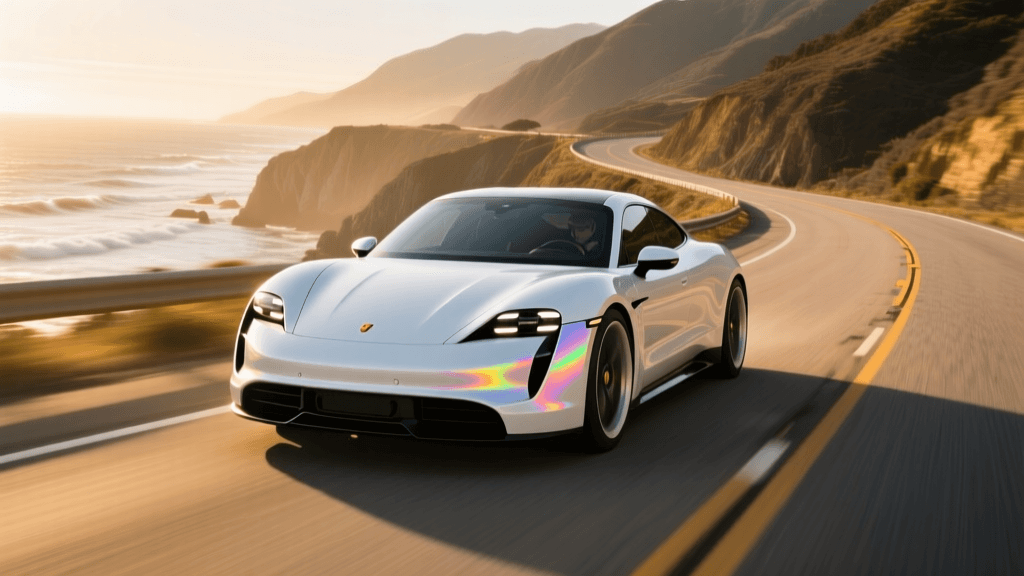
2. Porsche Taycan Turbo GT: The Track-Ready Benchmark
Porsche has long been the gold standard for sports car handling, and the Taycan Turbo GT represents the zenith of their electric engineering. With up to 1,019 horsepower via Launch Control, it hits 60 mph in just 2.1 seconds. More importantly, the Turbo GT introduces the Weissach package, shedding over 150 pounds of sound deadening and rear-seat hardware to optimize the power-to-weight ratio. The handling is governed by Porsche Active Ride, an incredibly advanced active suspension system that uses electromechanical actuators to keep the body perfectly flat through high-G cornering. This technology is a direct preview of the future of performance EVs, where mechanical anti-roll bars are replaced by software-defined, actively controlled damping systems.
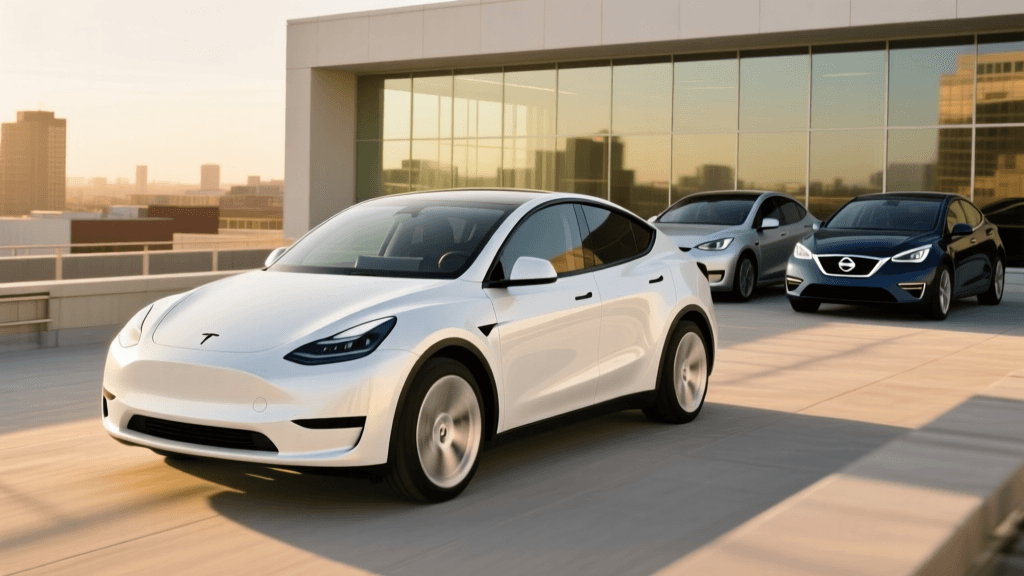
3. Tesla Model S Plaid: The Acceleration Anomaly
The Tesla Model S Plaid remains one of the most famous performance EVs in the world, largely due to its mind-bending 1.99-second 0-60 mph time. Utilizing a tri-motor configuration with carbon-sleeved rotors capable of spinning past 20,000 RPM, the Plaid is an absolute monster on the drag strip. However, when it comes to handling, the Model S Plaid sits a step below the Lucid and Porsche in pure track readiness. Its steering feel is notoriously numb, and the chassis can feel overwhelmed by the sheer torque output on tight, technical circuits. Yet, Tesla’s over-the-air update capability means that traction control algorithms and torque distribution maps are constantly evolving, hinting at a future where software updates can fundamentally alter a vehicle's track-day personality.
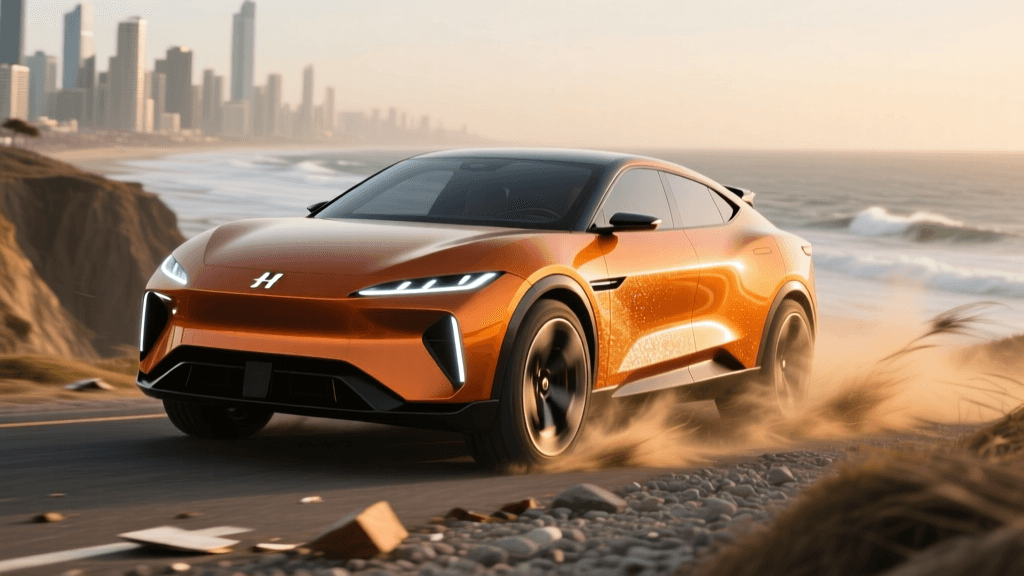
4. Hyundai Ioniq 5 N: The Future of Simulated Engagement
While it may not have the sub-two-second 0-60 mph times of its luxury rivals, the Hyundai Ioniq 5 N is arguably the most important performance EV on the market today regarding future industry trends. Hyundai’s N division recognized that the biggest threat to EV performance cars was a lack of emotional connection. To solve this, the Ioniq 5 N features N e-Shift, which simulates the torque interruptions and visceral kicks of an 8-speed dual-clutch transmission, complete with synthesized engine notes and rev-matching. Furthermore, its N Torque Distribution system allows drivers to adjust the front-to-rear power split and simulate the behavior of a limited-slip differential. This focus on psychological engagement and gamified handling dynamics will likely become a standard expectation for future performance EVs.
Performance EV Comparison Chart
| Vehicle Model | 0-60 mph (Seconds) | Top Speed (mph) | Key Handling Technology | Approx. Base Price |
|---|---|---|---|---|
| Lucid Air Sapphire | 1.89s | 205 | Rear-Axle Torque Vectoring | $249,000 |
| Porsche Taycan Turbo GT | 2.1s | 190 | Porsche Active Ride Suspension | $230,000 |
| Tesla Model S Plaid | 1.99s | 200 | Tri-Motor Carbon-Sleeved Rotors | $89,990 |
| Hyundai Ioniq 5 N | 3.4s (N Grin Boost) | 161 | N Torque Distribution & e-Shift | $66,100 |
Future Trends Shaping the Next Generation of Performance EVs
The current crop of hyper-EVs is spectacular, but the automotive industry is already engineering the next paradigm shift. The transition from fast in a straight line to track-capable corner carvers will be driven by three major technological trends over the next five to ten years.
Advanced Torque Vectoring and AI Suspension
As seen in the Porsche Taycan Turbo GT, the future of handling lies in the elimination of traditional mechanical linkages. Quad-motor setups, where each wheel is independently driven and braked by its own dedicated motor, will become more prevalent in high-end performance EVs. This allows for microsecond-adjustments to torque at each individual corner. When paired with AI-driven predictive suspensions that use LiDAR and forward-facing cameras to read the road surface and pre-adjust damping rates before the tire even hits a bump, the next generation of EVs will offer a level of grip and body control that defies physics.
Solid-State Batteries: Lighter, Faster, Cooler
The Achilles heel of current performance EVs is weight. Battery packs exceeding 100 kWh add thousands of pounds, leading to high tire wear and immense momentum that brakes and suspensions must fight through corners. The industry's holy grail is the solid-state battery. According to research tracked by the U.S. Department of Energy, solid-state batteries replace the liquid electrolyte with a solid material, offering significantly higher energy density, faster charging times, and reduced fire risk. For performance EVs, this means manufacturers can achieve the same 300-mile range with a battery pack that is 30% to 40% lighter. This drastic weight reduction will fundamentally transform EV handling, allowing for sharper turn-in, shorter braking distances, and less thermal degradation during track use.
Active Aerodynamics and Immersion Cooling
To sustain high speeds on a track without battery derating, thermal management is critical. Future performance EVs will move away from traditional liquid cooling plates and adopt direct immersion cooling, where battery cells are submerged in a dielectric fluid. This allows for rapid heat dissipation during repeated hard launches and high-speed cornering. Additionally, active aerodynamics—such as deployable rear wings, active front splitters, and underbody air channels that adjust in real-time based on steering angle and speed—will provide massive downforce exactly when needed, without ruining the vehicle's drag coefficient on the highway.
Final Thoughts: The Convergence of Track and Street
The era of the one-dimensional, straight-line-only electric car is officially over. The best performance EVs on the market today, from the Lucid Air Sapphire to the Porsche Taycan Turbo GT, prove that electric powertrains can be tuned for world-class handling, balance, and driver feedback. As we look toward the future, the integration of solid-state batteries, quad-motor torque vectoring, and AI-driven chassis controls will blur the line between heavy grand tourers and lightweight track weapons. For automotive enthusiasts and buyers alike, the golden age of electric performance is not behind us; it is just beginning to hit its stride.