The Evolution of Electric Performance: Beyond Straight-Line Speed
When electric vehicles first entered the mainstream performance conversation, the metric of choice was simple: straight-line acceleration. The instant torque delivery of electric motors made sub-three-second 0-60 mph times accessible to heavy sedans, fundamentally disrupting the internal combustion hierarchy. However, as the industry matures, the definition of a top-tier performance EV has shifted dramatically. Today, the best performance electric vehicles are ranked not just by their drag-strip dominance, but by their cornering agility, thermal endurance, and dynamic handling capabilities. Looking toward the future, the industry outlook points toward a new era of AI-driven suspensions, solid-state battery integration, and advanced torque vectoring that will blur the line between road cars and dedicated track weapons. In this comprehensive guide, we rank the current kings of electric acceleration and handling, provide actionable track-prep advice, and explore the technological trends that will define the next decade of EV performance.
Ranking the Kings: Best Performance EVs for Acceleration and Handling
1. Porsche Taycan Turbo GT: The Handling Benchmark
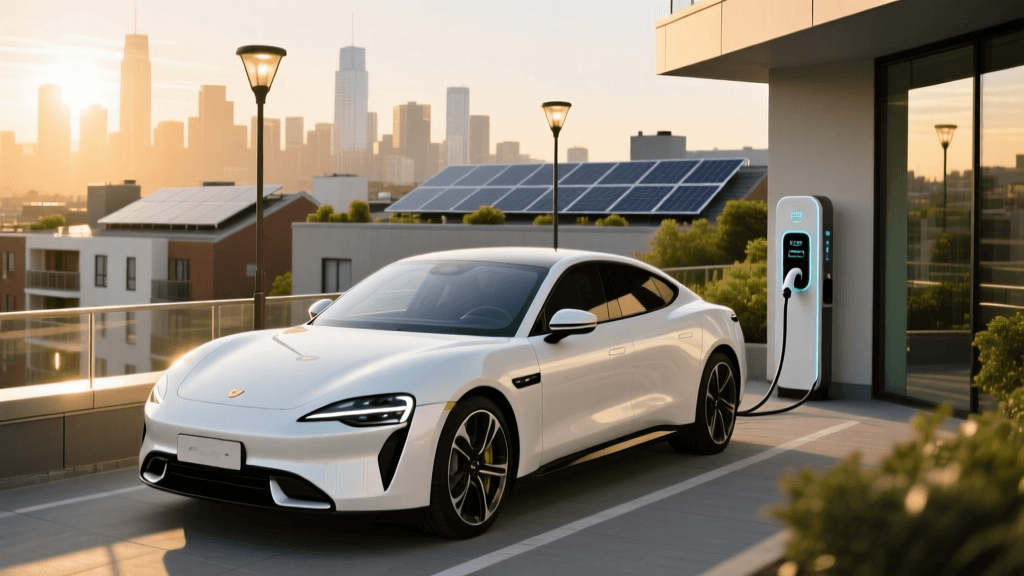
While many EVs can achieve mind-bending straight-line speed, the Porsche Taycan Turbo GT stands alone as the ultimate benchmark for dynamic handling and track endurance. Porsche has leveraged decades of motorsport engineering to create an EV that communicates with the driver in a way that feels remarkably analog. The Turbo GT variant, especially when equipped with the lightweight Weissach Package, sheds unnecessary mass and utilizes a highly tuned active suspension management system (PASM) that keeps the car incredibly flat through high-speed sweepers. The rear-axle steering system is a game-changer, effectively shrinking the car's wheelbase in tight corners while providing high-speed stability on long straights. With up to 1,019 horsepower available via Launch Control and a bespoke Attack Mode that temporarily boosts output for track scenarios, the Taycan Turbo GT proves that heavy batteries can be mastered by superior chassis tuning. For the latest specifications and engineering deep-dives, you can explore the official Porsche Taycan lineup.
2. Lucid Air Sapphire: The Luxury Hypercar Killer
The Lucid Air Sapphire is a masterclass in powertrain miniaturization and raw, unadulterated power. Utilizing a tri-motor setup with two bespoke rear motors and one front motor, the Sapphire generates a staggering 1,234 horsepower. Its 0-60 mph time of 1.89 seconds places it in hypercar territory, but its true brilliance lies in how it puts that power to the ground. Lucid engineers developed a specialized torque-vectoring algorithm that can route power to individual rear wheels in milliseconds, effectively pulling the heavy sedan through the apex of a corner. The inclusion of massive carbon-ceramic brakes and bespoke Michelin Pilot Sport 4S tires ensures that the Air Sapphire can actually shed its immense speed before reaching the braking zone. It is a vehicle that redefines what a luxury grand tourer can achieve on a closed circuit, and you can view its full technical dossier on the Lucid Air Sapphire official page.
3. Tesla Model S Plaid: The Acceleration Pioneer
The Tesla Model S Plaid remains the pioneer that forced legacy automakers to take electric performance seriously. Its tri-motor architecture, featuring innovative carbon-sleeved rotors that prevent the motors from expanding and tearing themselves apart at high RPMs, delivers 1,020 horsepower continuously. The Plaid's 0-60 mph time of roughly 1.99 seconds is legendary, and its top speed of 200 mph (with the carbon ceramic brake package) is unmatched in its price bracket. While its handling is slightly more compromised by its weight and older chassis architecture compared to the Porsche or Lucid, recent over-the-air Track Mode updates have significantly improved its transient response and cooling algorithms. The Plaid remains the ultimate value proposition for buyers who prioritize mind-altering acceleration above all else.
4. Hyundai Ioniq 5 N: The Future of Simulated Engagement
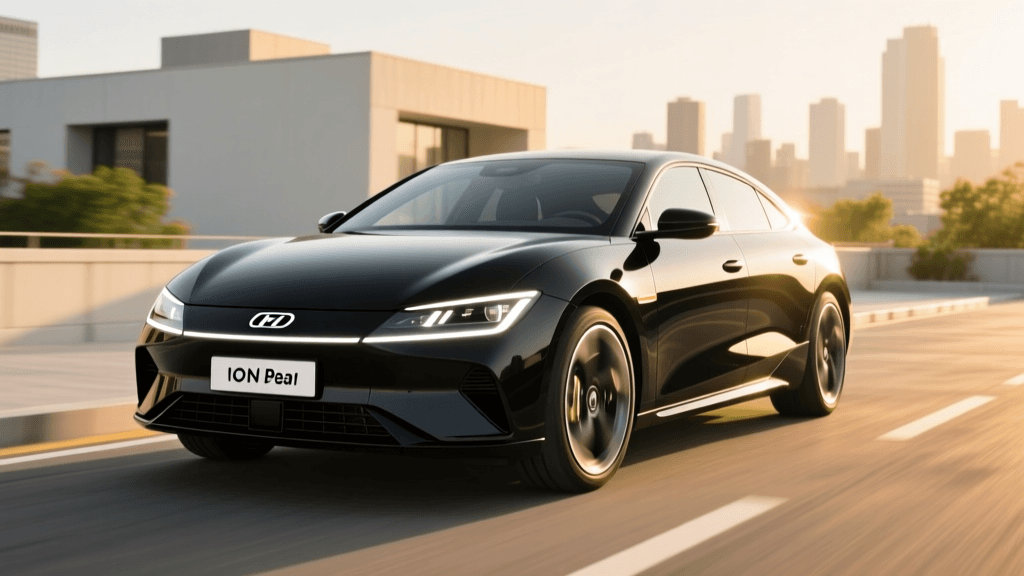
Hyundai took a radically different approach with the Ioniq 5 N, prioritizing driver engagement and emotional connection over outright lap records. While its 641 horsepower (or 650 with N Grin Boost) and 3.2-second 0-60 time are impressive, the car's genius lies in its software and chassis integration. Hyundai's N division implemented a simulated 8-speed dual-clutch transmission that delivers physical, jarring shifts, complete with simulated rev-matching and torque interruptions. The N Pedal software mimics the aggressive throttle response of a turbocharged combustion engine, while the active sound design provides a visceral auditory experience. Furthermore, the physical chassis is heavily reinforced, and the electronically controlled limited-slip differential (e-LSD) provides incredible corner-exit traction. The Ioniq 5 N represents the future of making EVs fun for enthusiasts, proving that software can successfully bridge the emotional gap left by the absence of engine noise. Discover more about this revolutionary hot hatch on the Hyundai Ioniq 5 N portal.
Performance EV Comparison Chart
| Model | 0-60 mph (s) | Peak HP | Top Speed (mph) | Handling Highlight |
|---|---|---|---|---|
| Porsche Taycan Turbo GT | 2.1 | 1,019 | 190 | Active Aero & Rear-Axle Steering |
| Lucid Air Sapphire | 1.89 | 1,234 | 205 | Twin-Rear Torque Vectoring |
| Tesla Model S Plaid | 1.99 | 1,020 | 200 | Carbon-Sleeved Rotor Endurance |
| Hyundai Ioniq 5 N | 3.2 | 650 | 163 | Simulated DCT & e-LSD |
Actionable Advice: Preparing Your Performance EV for the Track
Owning a high-performance EV is only half the battle; properly preparing it for track duty is essential to avoid thermal derating and premature component wear. Here are practical, actionable steps to take before hitting the circuit:
- Battery Preconditioning Timing: Never arrive at the track with a cold battery. Plug your vehicle into a Level 2 or DC fast charger and activate the car's native 'Track Prep' mode exactly 45 to 60 minutes before your first session. This brings the battery cells to the optimal thermal window (usually between 104°F and 122°F), ensuring maximum discharge capability and preventing the BMS from limiting power output.
- Tire Selection and Pressures: EVs require specific tire compounds to handle their immense weight and instant torque. If your car does not come with EV-specific track tires, upgrade to a high-treadwear 200TW tire like the Michelin Pilot Sport Cup 2 or Goodyear Supercar 3. Crucially, EV tires heat up much faster than ICE cars due to the weight; start with cold pressures 2-3 PSI lower than the manufacturer's street recommendation, as they will spike rapidly on track.
- High-Temperature Brake Fluid Flush: The regenerative braking systems in EVs mean the friction brakes are used less on the street, but on a track, the physical brakes must absorb the kinetic energy of a 5,000-pound vehicle. Flush the factory fluid with a high-boiling-point DOT 4 or DOT 5.1 racing fluid (such as Castrol SRF or Motul RBF 660) to prevent pedal fade and vapor lock during heavy braking zones.
Future Trends Shaping the Next Generation of Performance EVs
The current crop of performance EVs is incredibly impressive, but industry analysts and automotive engineers are already developing the next wave of technologies that will solve the inherent compromises of electric performance.
Solid-State Batteries and the End of the Pendulum Effect
The single biggest hurdle to EV handling is mass. Current lithium-ion battery packs are incredibly heavy and mounted low, creating a 'pendulum effect' that makes rapid directional changes feel sluggish and puts immense stress on tires. The industry is racing toward solid-state battery commercialization. According to research from institutions like Argonne National Laboratory, solid-state batteries promise significantly higher energy density and reduced weight. By shaving hundreds of pounds off the battery pack while maintaining range, future performance EVs will achieve a power-to-weight ratio and agility that rivals mid-engine combustion supercars, fundamentally altering their cornering dynamics.
AI-Driven Active Suspension and Predictive Damping
While current adaptive dampers react to road imperfections in milliseconds, the future lies in predictive, AI-driven suspensions. By utilizing the same LiDAR, radar, and camera arrays currently used for autonomous driving features, future performance EVs will scan the track surface up to 100 meters ahead. The onboard AI will pre-adjust individual corner damping rates, spring stiffness, and active anti-roll bars before the tire even encounters the apex or the curb. This will allow heavy EVs to maintain a perfectly flat attitude through corners, effectively masking their mass from the driver.
Advanced Immersion Cooling for Track Endurance
Thermal management remains the Achilles heel of electric track cars. After two or three hot laps, battery temperatures spike, and the vehicle's software intentionally limits power to prevent cell damage. The future of EV track endurance relies on direct-to-cell immersion cooling. Instead of circulating coolant through pipes beneath the battery cells, next-generation packs will submerge the cells directly in a dielectric fluid. This allows for vastly superior heat transfer, enabling performance EVs to run qualifying-pace laps for hours without experiencing thermal derating.
Conclusion: The Road Ahead for EV Enthusiasts
The narrative that electric vehicles are merely heavy, soulless drag racers is officially dead. As demonstrated by the Porsche Taycan Turbo GT, Lucid Air Sapphire, and Hyundai Ioniq 5 N, the current generation of performance EVs offers a diverse range of handling characteristics and driver engagement levels. Looking forward, the integration of solid-state batteries, AI-predictive chassis controls, and advanced thermal management will only widen the performance envelope. For automotive enthusiasts, the future of electric speed and handling is not just about going faster in a straight line; it is about achieving a holistic, deeply engaging driving experience that pushes the boundaries of physics and software engineering alike.