The Apartment EV Dilemma: How to Charge Without a Garage
Transitioning to an electric vehicle (EV) when you live in an apartment, condo, or multi-family dwelling without a dedicated garage can feel daunting. The traditional narrative of EV ownership revolves around plugging in at home overnight and waking up to a full battery. But what if you don't have a driveway? What if your building's property management refuses to install Level 2 chargers? Living in an apartment shouldn't exclude you from the EV revolution, but it does require a strategic approach to charging flexibility, route planning, and vehicle selection.
This comprehensive how-to guide and ranking will show you exactly how to evaluate your local charging ecosystem, manage your daily routine, and choose the best EVs specifically engineered to thrive in an apartment-dwelling lifestyle. We will rank the top vehicles based on their DC Fast Charging (DCFC) capabilities, network access, and overall efficiency when home charging isn't an option.
Step 1: How to Audit Your Local Charging Ecosystem
Before purchasing an EV, you must map out your charging ecosystem. Relying solely on a single public charger is a recipe for frustration. Follow these actionable steps to audit your environment:
- Map the DCFC Network: Use the Alternative Fuels Data Center station locator to identify all DC Fast Charging stations within a three-mile radius of your apartment, your grocery store, and your workplace. Look for stations with multiple stalls, high uptime ratings, and amenities like restrooms or coffee shops.
- Investigate Workplace Charging: Many employers now offer Level 2 charging as a perk. If you can plug in at work for 8 hours, your apartment's lack of charging infrastructure becomes largely irrelevant. A standard Level 2 workplace charger can add up to 200 miles of range during a standard workday.
- Assess 120V Trickle Charging Options: If you have a ground-floor parking spot near a standard exterior 120V outlet, you might be able to use a portable Level 1 cord-set. While slow (adding about 3 to 5 miles of range per hour), this can cover a short daily commute overnight. Always ensure you are using a heavy-duty, outdoor-rated extension cord if necessary, and check your lease agreement regarding exterior outlet usage.
- Know Your 'Right to Charge' Laws: If you own a condo, research your state's Right to Charge laws. States like California, New York, and Florida have legislation that prevents Homeowners Associations (HOAs) from unreasonably denying EV charger installations in your designated parking spot.
Ranking Methodology: What Makes an EV Apartment-Friendly?
When ranking the best EVs for apartment dwellers, we prioritize charging flexibility over raw luxury or sheer horsepower. According to the U.S. Department of Energy, understanding the nuances of public charging speeds and network reliability is critical for drivers without home setups. Our criteria include:
- DC Fast Charging (DCFC) Speed: Apartment dwellers rely on public fast chargers. Vehicles that can charge from 10% to 80% in under 25 minutes are heavily favored to minimize time spent at public plazas.
- Network Access and NACS Compatibility: Access to the most reliable charging networks (like Tesla's Supercharger network via the North American Charging Standard) is paramount.
- Battery Preconditioning: The ability to automatically warm or cool the battery while navigating to a charger ensures you hit peak charging speeds immediately upon arrival, regardless of the weather.
- Efficiency and Range: Higher efficiency means fewer trips to the public charging plaza.
The Top 3 EVs for Apartment Dwellers Ranked
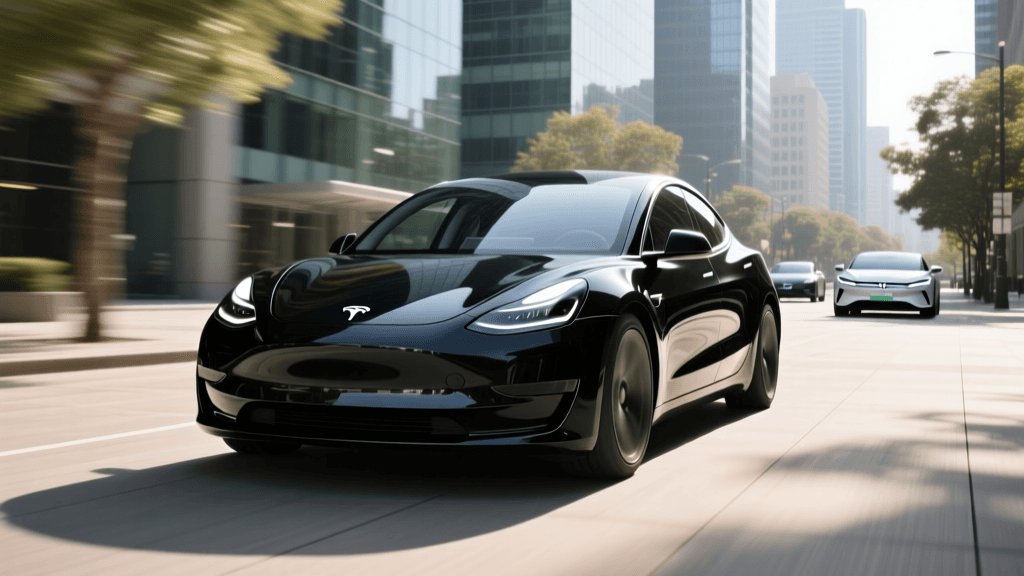
1. Tesla Model Y: The Network King
The Tesla Model Y remains the undisputed champion for apartment dwellers, primarily due to its seamless integration with the Tesla Supercharger network. For those without home charging, the reliability of the charging network is just as important as the car itself. The Model Y features exceptional battery preconditioning; simply enter a Supercharger into the navigation, and the car will automatically prepare the battery for maximum charging speed.
Furthermore, the Model Y's energy efficiency is industry-leading, meaning you get more miles per kWh, reducing the frequency of your public charging visits. With the ongoing expansion of the Supercharger network to other brands, Tesla owners still enjoy the most frictionless, plug-and-charge experience available, eliminating the need to fumble with multiple charging apps or faulty credit card readers in the rain.
2. Hyundai Ioniq 5: The 800-Volt Charging Speedster
If you prefer not to buy a Tesla, the Hyundai Ioniq 5 is the ultimate alternative for apartment living. Built on Hyundai's Electric-Global Modular Platform (E-GMP), the Ioniq 5 features an 800-volt electrical architecture. This allows it to accept DC fast charging rates of up to 250 kW, enabling a blistering 10% to 80% charge in just 18 minutes under optimal conditions. This ultra-fast charging capability turns a public charging stop into a quick bathroom and coffee break.
Additionally, the Ioniq 5 comes equipped with a Vehicle-to-Load (V2L) adapter, which allows you to power external devices or even trickle-charge another EV. While it relies on the CCS network (and upcoming NACS adapters), its sheer charging speed makes it incredibly easy to integrate into a busy urban lifestyle where time at a public charger is precious.
3. BMW i4: The Efficiency and Adapter Master
The BMW i4 is a luxury option that excels in real-world efficiency and adaptability. For apartment dwellers who frequently drive on highways, the i4's aerodynamic profile and excellent thermal management system yield impressive range figures that often exceed EPA estimates. Data from FuelEconomy.gov highlights that advanced thermal management and aerodynamics play a massive role in preserving range in varied climates.
BMW has also been proactive in securing NACS adapters for its current fleet, granting i4 owners access to Tesla's Supercharger network in the near future. This dual-network access (CCS and NACS) provides unparalleled flexibility, ensuring that no matter which charging plaza is closest to your apartment, you will have a reliable place to plug in.
Comparison Chart: Apartment EV Charging Specs
| EV Model | Max DCFC Rate | 10-80% Charge Time | Architecture | Network Access |
|---|---|---|---|---|
| Tesla Model Y | 250 kW | ~27 Minutes | 400V | Native NACS (Superchargers) |
| Hyundai Ioniq 5 | 235 kW | ~18 Minutes | 800V | CCS (NACS via adapter) |
| BMW i4 eDrive40 | 200 kW | ~31 Minutes | 400V | CCS (NACS via adapter) |
How-To Guide: Daily Habits for Apartment EV Owners
Owning an EV without a home charger requires a slight shift in daily habits. Here is how to optimize your ownership experience:
- Leverage Regenerative Braking: In stop-and-go city traffic typical of apartment living, set your EV's regenerative braking to the maximum setting. This captures kinetic energy and feeds it back into the battery, effectively extending your range and reducing the need for frequent public charging sessions.
- Combine Chores with Charging: Time your DCFC sessions with your weekly routines. Find a charging plaza located near your favorite grocery store, gym, or coffee shop. This turns 'dead time' spent charging into productive or enjoyable time.
- Utilize Off-Peak Public Rates: Many public charging networks, such as Electrify America or EVgo, offer discounted rates during off-peak hours (typically late at night or early morning). If your schedule permits, charging late at night can save you significant money compared to peak afternoon rates.
- Manage Battery Health: Since you are relying on DC Fast Charging more often than home Level 2 charging, be mindful of battery degradation. Try to keep your battery state of charge between 20% and 80% for daily use, only charging to 100% when you are planning a long road trip. Most modern EVs allow you to set a daily charge limit in the vehicle's infotainment system.
Conclusion: Embracing the EV Apartment Lifestyle
Living in an apartment does not mean you have to miss out on the financial and environmental benefits of driving an electric vehicle. By carefully auditing your local charging infrastructure, leveraging workplace amenities, and selecting a vehicle with top-tier DCFC capabilities and network access, you can enjoy a seamless EV experience. The Tesla Model Y, Hyundai Ioniq 5, and BMW i4 represent the pinnacle of charging flexibility, ensuring that your public charging stops are fast, reliable, and effortlessly integrated into your urban lifestyle.