The Luxury EV Landscape: Separating Marketing from Reality
When shopping for a premium electric vehicle, it is remarkably easy to be seduced by glowing spec sheets, massive touchscreens, and staggering horsepower figures. However, the true essence of a luxury EV lies not in its ability to launch off a line, but in its capacity to isolate its occupants from the chaos of the outside world while providing intuitive, frictionless technology. As the market matures, several misconceptions have taken root among buyers. In this guide, we are busting the most pervasive myths surrounding luxury EV comfort and technology, highlighting common buyer mistakes, and ranking the top contenders that actually deliver on the premium promise.
Myth #1: Bigger Screens Equal Better Technology
The most common mistake luxury EV buyers make is equating screen real estate with technological superiority. A massive pane of glass does not inherently mean the user interface (UI) is intuitive, nor does it guarantee the underlying processing power can handle complex tasks without lag.
The Reality: Processor speed, software update cadence, and haptic feedback quality matter far more than diagonal inches. For example, a system that forces you to navigate through three sub-menus to adjust the climate control is a failure of luxury, regardless of how beautiful the OLED panel is. True luxury technology anticipates your needs, utilizing voice AI, contextual awareness, and physical shortcut buttons where appropriate.
Myth #2: Air Suspension Guarantees a Cloud-Like Ride
Many buyers assume that checking the 'adaptive air suspension' box automatically results in a magic-carpet ride. This is a costly misconception. Electric vehicles carry significantly more weight than their internal combustion counterparts due to massive battery packs. If the suspension tuning and damping algorithms are not specifically calibrated for this extra mass, the vehicle will suffer from 'head-toss' and porpoising over undulating roads.
The Reality: Noise, Vibration, and Harshness (NVH) engineering is the true benchmark of luxury comfort. According to testing data from Car and Driver's extensive BMW i7 reviews, the integration of active roll stabilization and specialized acoustic foam in the tires does more for passenger comfort than air springs alone. A luxury EV must actively cancel out high-frequency road noise, which becomes glaringly obvious when there is no engine hum to mask it.
Myth #3: Peak Range is More Important Than Charging Architecture
Buyers frequently obsess over achieving 400+ miles of EPA-estimated range, often paying thousands extra for the largest battery pack available. This leads to the mistake of ignoring the vehicle's electrical architecture.
The Reality: A vehicle with a 300-mile range built on an 800-volt architecture can charge from 10% to 80% in under 20 minutes, whereas a 400-volt vehicle with a 400-mile range might take 45 minutes or more to achieve the same state of charge. For road trip comfort, spending less time at a charging plaza is vastly superior to carrying around 300 extra pounds of battery cells you rarely use. The U.S. Department of Energy highlights on their official EV technology hub that thermal management systems and voltage architectures dictate real-world charging usability far more than raw battery capacity.
The Rankings: Best Luxury EVs for Comfort and Technology
Based on cabin isolation, software fluidity, ride quality, and passenger amenities, here are the top luxury EVs currently on the market.
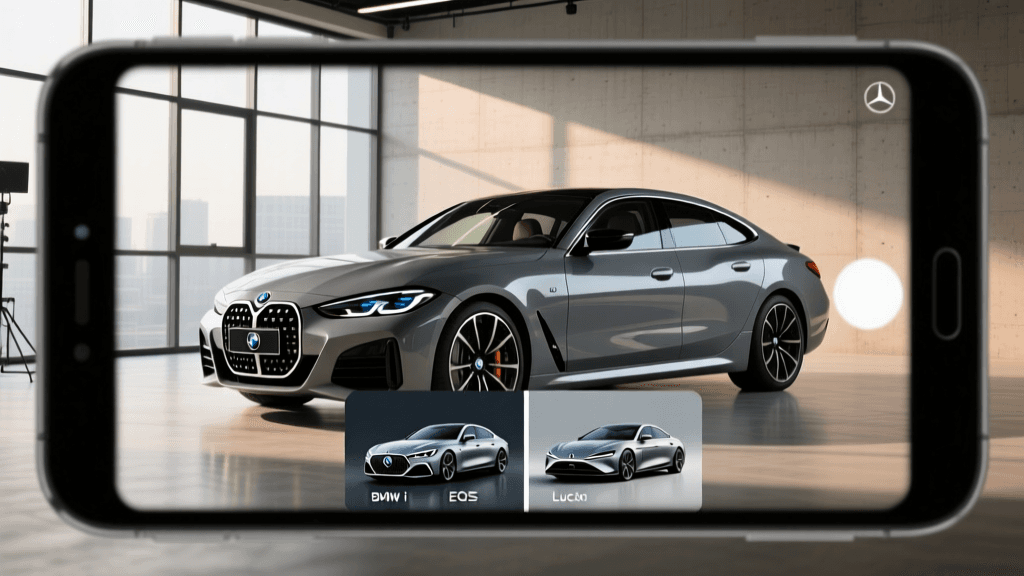
1. BMW i7: The NVH and Rear-Seat Tech King
The BMW i7 is currently the benchmark for traditional luxury translated into the electric era. It does not try to be a spaceship; instead, it perfects the executive sedan formula. The cabin is whisper-quiet at highway speeds, thanks to acoustic glazing and heavily insulated wheel arches. The available 31.3-inch 8K Theater Screen for rear passengers, complete with integrated Amazon Fire TV and a 1,965-watt Bowers & Wilkins Diamond surround sound system, sets a new standard for chauffeured comfort.
Mistake to Avoid: Do not skip the Executive Lounge seating package if you frequently carry rear passengers. The standard seats are comfortable, but the reclining lounge seats with heated armrests elevate the experience to Maybach levels.
2. Mercedes-Benz EQS: The Hyperscreen and Ride Quality Benchmark
The Mercedes-Benz EQS remains a technological tour de force. Its 0.20 drag coefficient makes it one of the most aerodynamic production cars in the world, which drastically reduces wind noise at 80 mph. The optional 56-inch MBUX Hyperscreen is a marvel of glass manufacturing, but its true brilliance lies in the 'zero-layer' UI, which uses AI to surface the exact menu you need before you even ask for it. Furthermore, the Energizing Air Control Plus system utilizes a massive HEPA filter to ensure cabin air purity, a vital but often overlooked comfort metric.
Mistake to Avoid: The EQS relies heavily on regenerative braking that can be aggressive if left in the wrong setting. Use the paddle shifters behind the steering wheel to set it to 'D Auto', allowing the car's radar to seamlessly blend regen and friction braking based on the traffic ahead, preventing passenger motion sickness.
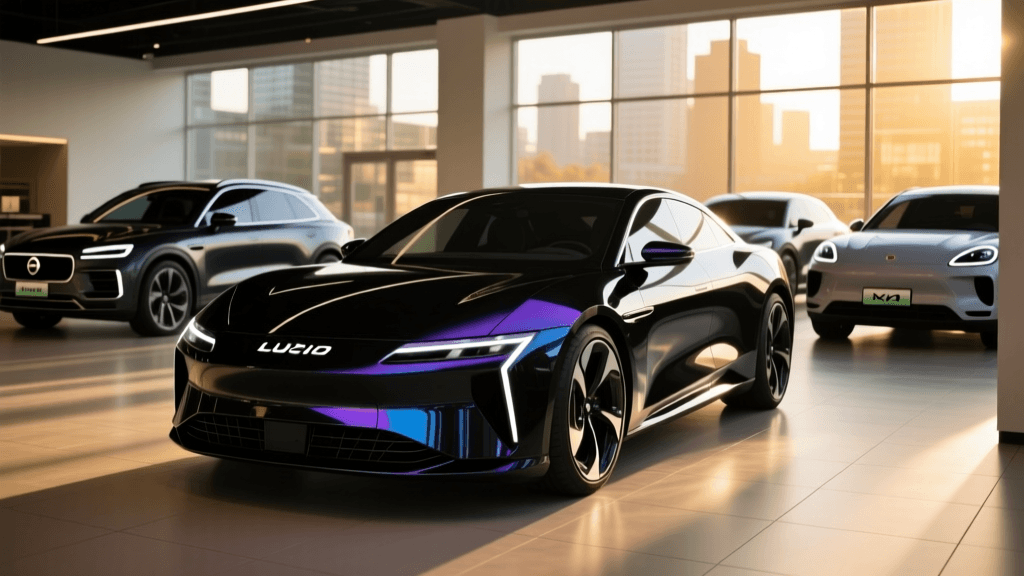
3. Lucid Air: The Space, Efficiency, and 900V Marvel
The Lucid Air approaches luxury from an engineering-first perspective. Its 900V+ battery architecture allows for blistering charging speeds, while its miniaturized drive units free up an astonishing amount of interior space. The 34-inch curved glass canopy floats elegantly above the dashboard, providing incredible visibility without the glare issues found in lesser systems. The ride quality is exceptionally compliant, though it lacks the sheer mass-isolation of the heavier BMW i7.
Mistake to Avoid: Buyers often configure the Lucid Air with the 21-inch wheels for aesthetic reasons. This not only reduces your EPA range but also introduces more road noise and harshness into the cabin. Stick to the 19-inch or 20-inch wheels for optimal comfort.
Comparison Chart: Comfort and Tech Metrics
| Vehicle | Starting Price (Approx.) | Architecture | Key Tech Feature | Comfort Highlight |
|---|---|---|---|---|
| BMW i7 xDrive60 | $120,000 | 400V | 31.3-inch 8K Theater Screen | Class-leading NVH isolation |
| Mercedes EQS 580 | $115,000 | 400V | 56-inch MBUX Hyperscreen | HEPA Air Filtration & Aero |
| Lucid Air Grand Touring | $138,000 | 900V+ | 34-inch Curved Glass Canopy | Class-leading interior volume |
Common Buyer Mistakes at the Dealership
When you are ready to test drive these luxury contenders, avoid these critical evaluation errors:
- Testing Only on Smooth Pavement: Luxury EVs are heavy. Take the vehicle over broken pavement, expansion joints, and potholes. Listen for rattles and feel for how quickly the suspension settles after a bump. If the car continues to bounce, the damping is inadequate for the battery weight.
- Ignoring the Software Boot Time: Turn the car completely off, walk away, and come back. How long does it take for the infotainment system to be fully responsive? Laggy software in a $100,000+ vehicle is unacceptable.
- Forgetting the Trunk Utility: Many luxury EV sedans feature sloping rooflines that result in tiny, useless trunk openings. If you plan on traveling with golf clubs or large luggage, physically test the cargo space before signing the paperwork.
- Overlooking Thermal Comfort: EVs use battery power to heat the cabin. Ensure the vehicle has a heat pump (standard on most modern luxury EVs) and test the rapid-heating capabilities of the seats and steering wheel, which use far less energy than blasting the HVAC.
Conclusion
True luxury in the electric age is not about overwhelming the driver with unnecessary gadgets or brute force. It is about the seamless integration of advanced software, exceptional acoustic engineering, and intelligent thermal and charging management. By looking past the marketing hype, avoiding the trap of prioritizing screen size over UX, and understanding the real-world implications of charging architectures, you can select a luxury EV that provides genuine, long-term comfort and satisfaction. Whether you choose the executive isolation of the BMW i7, the aerodynamic brilliance of the Mercedes EQS, or the space-efficient engineering of the Lucid Air, make sure your decision is based on the realities of daily ownership, not just the spec sheet.