The Apartment EV Challenge: How to Thrive Without a Home Charger
Owning an electric vehicle when you live in an apartment or multi-family dwelling presents a unique set of logistical hurdles. Without a private garage to install a Level 2 home charger, apartment dwellers must rely on public infrastructure, workplace charging, and strategic route planning. However, the rapid expansion of public charging networks and advancements in EV battery architecture have made apartment living with an EV not just possible, but highly convenient—if you choose the right vehicle.
This comprehensive how-to guide and ranking will walk you through the exact strategies for managing EV ownership without a home charger, and rank the best EVs on the market based on their charging flexibility, network access, and real-world efficiency.
How-To: Mastering the Public Charging Ecosystem
Before diving into the best vehicles, you need a strategy. According to the U.S. Department of Energy, public charging infrastructure is growing exponentially, but relying on it requires a shift in habits compared to gas-powered cars or home-charged EVs.
Step 1: Map Your DCFC Corridors
Direct Current Fast Chargers (DCFC) are your primary fueling stations. Use apps like PlugShare or the vehicle's native navigation to identify 150kW+ chargers within a 10-minute detour of your daily commute or regular grocery runs. The goal is to integrate charging into tasks you already do, rather than making dedicated 'gas station' trips.
Step 2: Leverage Destination and Workplace Charging
Destination charging (Level 2 chargers at gyms, malls, and grocery stores) is ideal for apartment dwellers. While slower than DCFC, plugging in for 2 hours while shopping can add 40 to 60 miles of range. Furthermore, the Alternative Fuels Data Center notes that workplace charging is becoming a standard employee perk; if your office offers it, it can entirely eliminate the need for weekend public charging trips.
Step 3: Master Battery Preconditioning
Cold batteries charge significantly slower. Always use your EV's built-in navigation to route to a fast charger. This triggers the vehicle's thermal management system to precondition the battery, ensuring it accepts the maximum charging rate the moment you plug in, drastically reducing your wait time in the parking lot.
Ranking Criteria: What Makes an EV Apartment-Friendly?
To rank the best EVs for those without home charging, we evaluated vehicles based on four critical pillars:
- Network Access & Reliability: Does the vehicle have native access to the most reliable networks (like Tesla's Superchargers), or does it require third-party adapters?
- DC Fast Charging Speed: How quickly can the vehicle go from 10% to 80%? Faster charging means less time spent hanging around public plazas.
- Battery Architecture: 800-volt systems offer vastly superior charging speeds and thermal management compared to older 400-volt systems.
- Real-World Efficiency: As measured by the U.S. Environmental Protection Agency, higher MPGe and lower kWh/100mi ratings mean fewer overall trips to the public charger.
The Best EVs for Apartment Dwellers Ranked
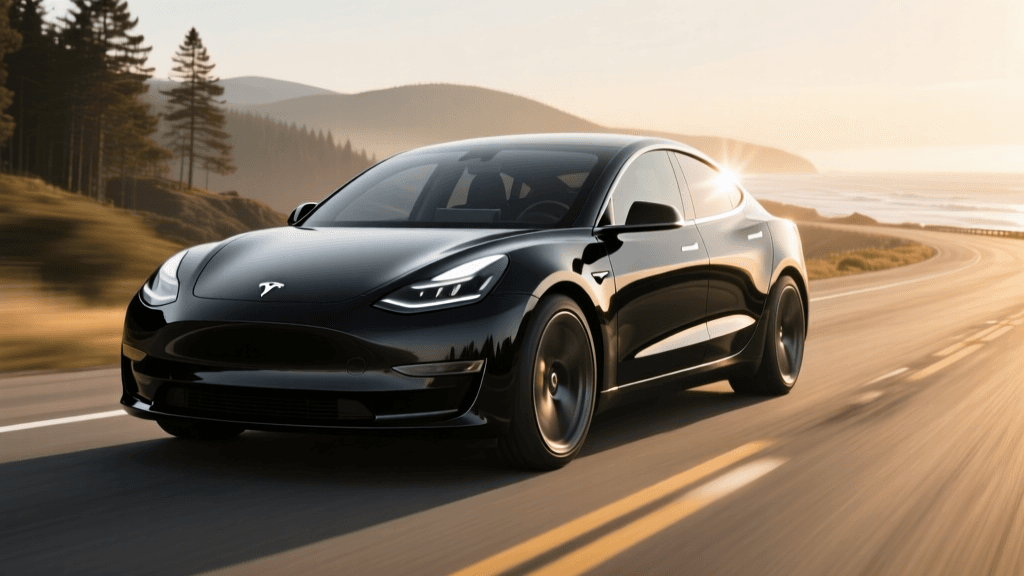
1. Tesla Model 3 (Highland) - The Undisputed Network King
For apartment dwellers, the Tesla Model 3 remains the gold standard, primarily due to the Tesla Supercharger network. While other networks are improving, Tesla's proprietary plugs and stall reliability mean you spend less time troubleshooting broken screens and more time actually charging.
The refreshed 'Highland' Model 3 offers exceptional aerodynamic efficiency, yielding over 340 miles of range on the Long Rear-Wheel Drive trim. This high efficiency means you will visit public chargers less frequently. Furthermore, the native integration between the car's navigation and the Supercharger stalls ensures the battery is perfectly preconditioned upon arrival, allowing for peak charging speeds of up to 250 kW.
Apartment Dweller Advantage: Unmatched plug-and-charge reliability. You never need to fiddle with payment apps or broken CCS connectors in the rain.
2. Hyundai Ioniq 5 - The Ultra-Fast Charging Champion
If you live near Electrify America or other high-speed third-party networks, the Hyundai Ioniq 5 is a revelation. Built on Hyundai's Electric-Global Modular Platform (E-GMP), the Ioniq 5 utilizes an 800-volt battery architecture. This allows it to accept charging speeds up to 350 kW on compatible stalls.
In real-world testing, the Ioniq 5 can charge from 10% to 80% in just 18 minutes under optimal conditions. This ultra-fast charging capability transforms the public charging experience from a tedious chore into a quick bathroom and coffee break. Additionally, Hyundai now provides a NACS adapter, granting Ioniq 5 owners access to Tesla Superchargers, effectively giving this vehicle the best of both worlds.
Apartment Dweller Advantage: The 18-minute 10-80% charge time minimizes the friction of relying on public DCFC infrastructure.
3. Chevrolet Equinox EV - The Range Efficiency Value Pick
Not everyone needs ultra-fast charging if their daily routine allows for infrequent, longer charging sessions. The Chevrolet Equinox EV 3RS offers an EPA-estimated 319 miles of range at a highly accessible price point. Its massive battery and excellent efficiency mean that many apartment dwellers will only need to visit a public fast charger once a week, or even less, depending on their commute.
While its peak charging speed of 150 kW is slower than the Ioniq 5, the Equinox EV's ability to stretch its range makes it an incredible value for renters who want to minimize the total time spent at charging plazas over the course of a month. It also features native NACS port integration for newer models, securing future-proof access to Superchargers.
Apartment Dweller Advantage: Massive range reduces the frequency of public charging trips, making weekly top-ups manageable rather than a bi-weekly necessity.
Comparison Chart: Apartment EV Charging Flexibility
| Vehicle | Max DCFC Rate | Architecture | Network Advantage | Est. 10-80% Time |
|---|---|---|---|---|
| Tesla Model 3 LR | 250 kW | 400V | Native Supercharger | ~28 Minutes |
| Hyundai Ioniq 5 | 350 kW | 800V | NACS Adapter Included | ~18 Minutes |
| Chevy Equinox EV | 150 kW | Ultium (400V) | Native NACS (2025+) | ~42 Minutes |
Expert Tips for Negotiating with Property Managers
If you want to transition from public charging to on-site charging, you will need to approach your property management company. Here is how to build a compelling case:
- Highlight the 'Right to Charge' Laws: Many states, including California, Colorado, and Florida, have enacted laws that prevent landlords from unreasonably denying EV charger installation requests. Research your local statutes before your meeting.
- Propose a Zero-Cost Installation: Offer to pay for the installation and hardware yourself. Suggest networked chargers (like ChargePoint or Enel X) that allow the property manager to bill you directly for electricity usage via an app, ensuring the building pays nothing out of pocket.
- Suggest a Shared Amenity: If dedicated parking isn't available, propose installing a dual-port Level 2 charger in a few guest spots as a premium amenity that the building can monetize, increasing property value and attracting eco-conscious tenants.
Final Thoughts
Living in an apartment does not disqualify you from the EV revolution. By choosing a vehicle with superior charging flexibility—like the network-dominant Tesla Model 3, the blistering-fast Hyundai Ioniq 5, or the long-range Chevrolet Equinox EV—you can seamlessly integrate public charging into your lifestyle. Master your local DCFC map, leverage destination charging, and enjoy the smooth, silent, and cost-effective ride that only an electric vehicle can provide.