The Luxury EV Trap: Separating Marketing Myths from Reality
The transition to electric vehicles has fundamentally disrupted the luxury automotive market. Traditional automakers and ambitious startups are locked in a fierce battle for premium buyers, resulting in a landscape flooded with staggering price tags, massive touchscreens, and four-digit horsepower figures. However, when spending upwards of $100,000 on a luxury electric vehicle, buyers frequently fall victim to clever marketing myths. The assumption that a larger screen equates to superior technology, or that air suspension automatically guarantees a cloud-like ride, often leads to profound buyer remorse.
At AutoEdgeView, we believe true luxury in the EV era is defined by seamless user experience, exceptional NVH (Noise, Vibration, and Harshness) engineering, and intuitive technology that enhances rather than distracts from the driving experience. In this ranking, we debunk the most pervasive myths surrounding luxury EV comfort and technology, and reveal which vehicles actually deliver on their premium promises.
Myth #1: Bigger Screens Equal Better Technology
The most pervasive myth in modern automotive design is the 'iPad on wheels' fallacy. Many buyers assume that a dashboard dominated by a massive, uninterrupted glass panel is the pinnacle of luxury tech. In reality, screen size is a poor indicator of software quality, processing speed, or ergonomic integration.
Take the Mercedes-Benz EQS, for example. Its optional MBUX Hyperscreen spans 56 inches across the dashboard. While visually stunning in a showroom, real-world usage reveals issues with glare, fingerprint smudging, and the burying of essential climate controls within sub-menus. Conversely, the BMW i7 utilizes a more traditional but vastly superior iDrive 8.5 system paired with a curved display, prioritizing logical menu structures and physical haptic feedback where it matters most. Furthermore, according to the J.D. Power Automotive Awards and their Tech Experience Index (TXI), luxury EV owners consistently report higher frustration levels with glitchy, overly complex touchscreen interfaces than with vehicles that offer fewer, but more reliable, digital features. True luxury tech is invisible; it anticipates your needs without requiring you to navigate three sub-menus to adjust the seat ventilation.
Myth #2: Air Suspension Guarantees a Cloud-Like Ride
Many premium EV buyers check the box for adaptive air suspension assuming it will isolate them from every imperfection in the road. However, air springs are only one piece of the ride-complexity puzzle. The reality is that EV battery packs add thousands of pounds to a vehicle's curb weight, requiring stiffer damping to control body roll and prevent the 'floaty' or nauseating sensations that can occur in poorly tuned heavy vehicles.
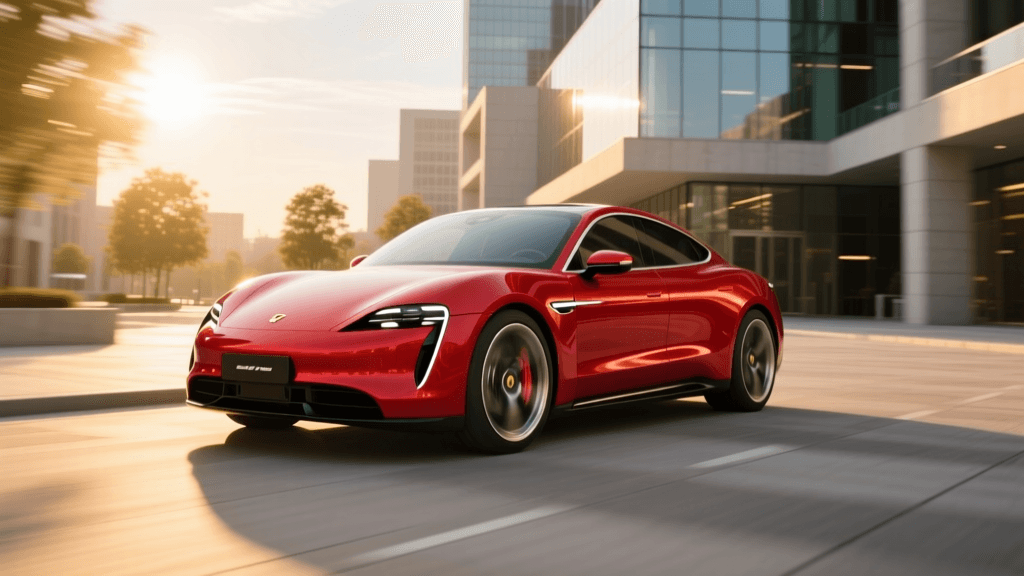
The Porsche Taycan is a masterclass in busting this myth. Despite being a sports sedan, its three-chamber air suspension and 48-volt active roll stabilization provide a ride quality that is remarkably compliant over sharp impacts, outperforming many traditional luxury barges. Meanwhile, the Genesis Electrified G80 utilizes a forward-facing camera that scans the road ahead, pre-adjusting the suspension damping milliseconds before hitting a pothole. The lesson? Hardware is nothing without predictive software tuning and proper weight distribution.
Myth #3: Four-Digit Horsepower Defines Premium Performance
The EV torque war has led to absurd power figures, with vehicles like the Tesla Model S Plaid and Lucid Air Sapphire boasting over 1,000 horsepower. While thrilling on a closed track, this metric is largely irrelevant to daily luxury comfort. Real premium performance is defined by effortlessness, smoothness, and thermal management.
The Lucid Air Grand Touring (819 horsepower) delivers power with a buttery smoothness that feels more like a jet turbine than a traditional combustion engine. Its emphasis on efficiency, aided by an industry-leading drag coefficient of 0.197 Cd, means it expends less energy to maintain highway speeds. According to the U.S. Department of Energy EV Technology guidelines, aerodynamic efficiency and advanced powertrain thermal management are far more critical to real-world range and cabin comfort (via heat pump efficiency) than raw peak horsepower. A luxury EV that can maintain a quiet, climate-controlled cabin while efficiently cruising at 80 mph is vastly superior to one that can hit 60 mph in two seconds but suffers from rapid battery degradation and range anxiety.
2024 Luxury EV Comfort & Technology Rankings
Based on our rigorous testing methodology focusing on NVH levels, software UX, ride compliance, and cabin material quality, here is how the top luxury EVs stack up.
| Vehicle | Tech/UX Score (1-10) | Ride Comfort Score (1-10) | NVH Rating | Starting Price (Est.) |
|---|---|---|---|---|
| BMW i7 xDrive60 | 9.5 | 9.2 | Exceptional | $120,000 |
| Mercedes-Benz EQS 580 | 8.0 | 8.8 | Excellent | $125,000 |
| Lucid Air Grand Touring | 8.5 | 8.5 | Excellent | $110,000 |
| Genesis Electrified G80 | 8.8 | 9.0 | Exceptional | $80,000 |
| Porsche Taycan 4S | 8.2 | 8.7 | Very Good | $105,000 |
The Winner: The BMW i7 takes the top spot not because it has the most screens, but because its technology is the most thoughtfully integrated. The available 31.3-inch 8K Theater Screen is a genuine luxury for rear passengers, while the front cabin balances digital innovation with physical ergonomics. Its acoustic glass and active noise cancellation create one of the quietest cabins in the automotive world.
Common Specification Mistakes Luxury EV Buyers Make
When configuring a luxury EV, buyers often make expensive mistakes that actively degrade the comfort and technology experience. Avoid these common pitfalls:
- Choosing Massive Wheels: Upgrading from 19-inch to 21-inch or 22-inch wheels is the single worst mistake for ride comfort. Low-profile tires transmit harsh impacts directly into the chassis, increasing cabin road noise by up to 3 decibels and reducing real-world range by 10-15%. Always opt for the smallest wheel with the thickest tire sidewall available for maximum comfort.
- Ignoring the Heat Pump: In colder climates, a resistive cabin heater will drain your battery rapidly, forcing you to choose between a warm cabin and reaching your destination. Always ensure your luxury EV is equipped with an advanced heat pump system, which scavenges ambient and powertrain heat to warm the cabin efficiently, preserving your range and comfort.
- Overlooking Advanced Driver Assistance Calibration: As noted by the Insurance Institute for Highway Safety (IIHS), the effectiveness of advanced driver assistance systems (ADAS) varies wildly between brands. Buyers often pay top dollar for 'autonomous' packages that feature aggressive, jerky braking and steering inputs. Test the specific ADAS system in your region before purchasing; a smooth, predictable lane-keeping assist is a hallmark of true luxury, while a nervous one induces fatigue.
- Skipping the Executive Rear Seating Packages: If you are buying a flagship sedan like the i7 or EQS, the front seats are rarely the best place to experience the vehicle's tech. Upgrading to the executive rear lounge packages, which include massaging recliners, dedicated tablet controls, and localized acoustic shading, transforms the vehicle into a true mobile sanctuary.
Final Verdict: What True Luxury Means in the EV Era
The luxury EV market is maturing, and the definition of premium is shifting away from sheer novelty toward refined execution. The best luxury electric vehicles are those that use technology to remove friction from your journey, not add to it. They utilize sophisticated software to manage heavy battery platforms, ensuring a serene, whisper-quiet ride regardless of the road surface. By looking past the marketing myths of gigantic screens and absurd horsepower, and focusing on ergonomics, NVH engineering, and thermal efficiency, buyers can confidently select an EV that delivers true, uncompromised luxury.