The Reality of EV Truck Towing and Payload
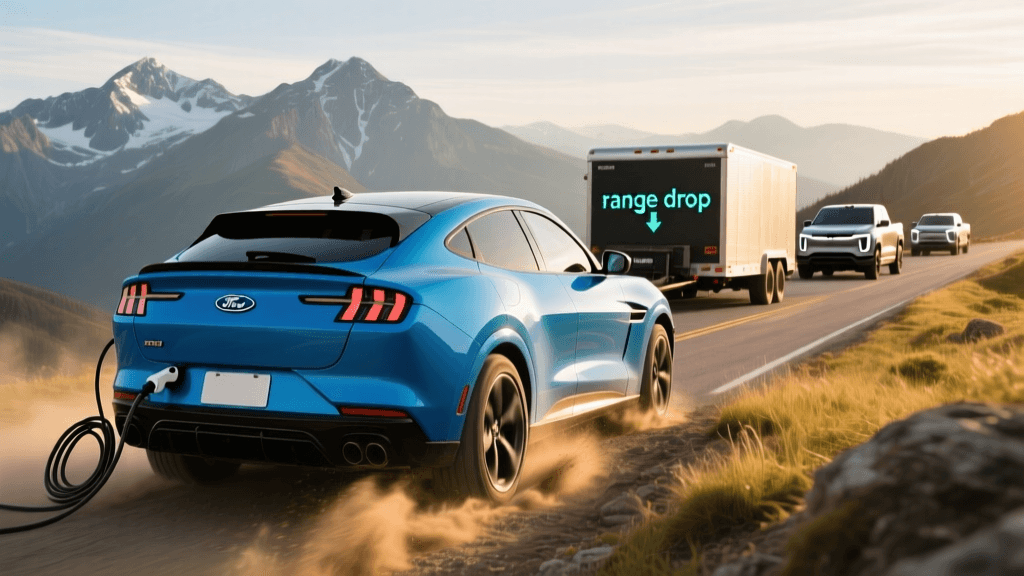
Electric trucks promise massive instant torque, low running costs, and frunk storage, but when you hook up a heavy trailer or load the bed with gravel, physics quickly takes over. Towing with an electric vehicle (EV) introduces unique troubleshooting challenges that internal combustion engine (ICE) truck owners rarely face. The most prominent issue is the "towing range cliff," where aerodynamic drag and heavy loads can reduce an EV's estimated range by up to 50%. Furthermore, the heavy battery packs required to power these trucks eat into their maximum payload capacities, requiring careful weight distribution and route planning.
As a senior reviewer at AutoEdgeView, I have tested the top electric pickups on the market to see how they handle real-world work and play. Below, we troubleshoot the most common EV towing problems and rank the best electric trucks based on how effectively their engineering, software, and hardware solve these payload and range issues.
Troubleshooting Common EV Towing Problems
Problem 1: The 50% Range Drop Rule
When towing near maximum capacity at highway speeds, EVs consume significantly more energy due to the lack of regenerative braking opportunities on flat terrain and the massive aerodynamic wall created by a box trailer. According to research on EV efficiency and battery performance from the National Renewable Energy Laboratory (NREL), high-speed towing drastically increases kWh/mile consumption. Solution: You must choose a truck with a battery pack exceeding 130 kWh for serious towing. Additionally, use EV-specific route planners like A Better Routeplanner (ABRP) that allow you to input trailer weight and frontal area to accurately predict charging stops.
Problem 2: Payload Penalties and Tongue Weight
Because EV batteries weigh between 1,500 and 2,500 pounds, the Gross Vehicle Weight Rating (GVWR) is reached much faster than in gas trucks. If you are towing a 7,000-pound trailer, the tongue weight should be 10% to 15% of the total weight (700 to 1,050 pounds). This tongue weight directly subtracts from your truck's available payload. Add two passengers and bed cargo, and you might exceed your payload limit, causing suspension sag and dangerous trailer sway. Solution: Invest in a high-quality weight-distribution hitch (costing between $300 and $600) to transfer tongue weight back to the trailer axles, and select an EV truck with a reinforced frame and higher payload rating.
Problem 3: Charging Logistics with a Trailer
Pulling a 25-foot trailer into a standard Supercharger or Electrify America stall is often impossible without blocking traffic or unhitching. Unhitching and rehitching adds 15 to 20 minutes of exhausting labor to every charging stop. Solution: Prioritize trucks that support the North American Charging Standard (NACS) or come with reliable CCS-to-NACS adapters, granting you access to Tesla's growing network of pull-through Superchargers designed specifically for trucks with trailers.
Ranked: Best Electric Trucks for Towing & Payload Capacity
1. Ford F-150 Lightning (Best Overall for Payload & Worksite Problem Solving)
The Ford F-150 Lightning remains the benchmark for traditional truck buyers transitioning to electric. With the Extended Range battery (131 kWh), it boasts a maximum towing capacity of 10,000 pounds and a class-leading maximum payload of 2,235 pounds (on the XLT trim with standard battery). The Lightning solves the payload problem better than its rivals by utilizing an independent rear suspension and a high-strength steel frame that manages heavy bed loads without excessive sag. Furthermore, the Pro Power Onboard system provides up to 9.6 kW of exportable power, solving campsite and worksite power issues without needing a noisy gas generator. According to Ford Motor Company, the integrated Smart Hitch system also calculates tongue weight in real-time via the infotainment screen, eliminating the guesswork that leads to unsafe towing setups.
2. Rivian R1T (Best for Adventure Towing & Sway Control)
The Rivian R1T is an adventure-focused truck that solves the problem of trailer sway and off-road towing. With a maximum towing capacity of 11,000 pounds and a robust quad-motor setup, the R1T provides instantaneous torque vectoring that keeps a trailer tracking perfectly on steep, winding mountain grades. While its payload capacity is slightly lower at 1,760 pounds, its sophisticated air suspension automatically levels the truck when a heavy trailer is attached, eliminating the need for manual hitch adjustments. The R1T's built-in camp kitchen and gear tunnel also solve the storage problem, keeping the bed free for heavy cargo while securing fragile gear in enclosed, lockable compartments.
3. Chevrolet Silverado EV (Best for Range Anxiety Solutions)
If your primary troubleshooting concern is range anxiety while hauling, the Chevrolet Silverado EV (specifically the RST trim with the massive 200+ kWh Ultium battery) is the ultimate solution. Offering an EPA-estimated range of up to 440 miles unladen, the Silverado EV can realistically deliver over 220 miles of range while towing a heavy load at highway speeds. This drastically reduces the number of charging stops required on long hauls. With a maximum towing capacity of 10,000 pounds and a payload capacity hovering around 1,800 pounds, it balances heavy-duty capability with the endurance needed for cross-country towing. The available Multi-Flex Midgate also allows for longer items to pass through the cabin, solving the bed-length limitations found in standard crew cabs.
4. Tesla Cybertruck (Best for Aerodynamic & Tech Troubleshooting)
The Tesla Cybertruck approaches the towing range problem from an aerodynamic perspective. Its stainless-steel exoskeleton and aggressive wedge shape reduce drag, which helps preserve battery life when not towing. When a trailer is attached, the Cybertruck's adaptive air suspension automatically lowers the ride height to improve aerodynamics further. It boasts an impressive 11,000-pound towing capacity and a massive 2,500-pound payload limit. The Cybertruck solves tech-related towing issues with its steer-by-wire system, which adjusts steering ratios based on speed and load, making a heavy trailer feel remarkably stable at highway speeds. Additionally, the built-in motorized tonneau cover and 120V/240V bed outlets make it a highly versatile problem-solver for contractors and heavy haulers.
Data Table: EV Truck Towing, Payload, and Range Estimates
| Electric Truck | Max Towing Capacity | Max Payload Capacity | Est. Towing Range (5,000 lbs) | Key Troubleshooting Feature |
|---|---|---|---|---|
| Ford F-150 Lightning (Ext. Range) | 10,000 lbs | 2,235 lbs | ~130 - 150 miles | Smart Hitch Tongue Weight Scale |
| Rivian R1T (Max Pack) | 11,000 lbs | 1,760 lbs | ~160 - 180 miles | Auto-Leveling Air Suspension |
| Chevy Silverado EV (RST) | 10,000 lbs | ~1,800 lbs | ~200 - 230 miles | Massive 200+ kWh Battery Buffer |
| Tesla Cybertruck (AWD) | 11,000 lbs | 2,500 lbs | ~140 - 160 miles | Steer-by-Wire & Active Aero |
Note: Towing range estimates are based on real-world testing variables including 65 mph highway speeds, flat terrain, and a box-style trailer. Aerodynamic teardrop trailers will yield significantly better range.
Actionable Problem-Solving Checklist for EV Truck Owners
To maximize your electric truck's towing and payload capabilities, follow this troubleshooting checklist before and during your trip:
- Pre-Trip Weigh-In: Visit a local CAT scale to weigh your fully loaded truck and trailer. Ensure your Gross Combined Weight Rating (GCWR) and individual axle weights are within legal and safe limits. The U.S. Environmental Protection Agency (EPA) notes that understanding your vehicle's true weight and efficiency is critical for accurate EV range planning.
- Adjust Regenerative Braking: Set your truck's regenerative braking to "Low" or "Tow/Haul" mode. High regen with a heavy, unbraked trailer can cause the truck to decelerate faster than the trailer, leading to dangerous jackknifing and trailer sway.
- Pre-Condition the Battery: Always use your truck's native navigation system to route to your first charging stop. This pre-conditions the battery, ensuring it can accept maximum DC fast-charging speeds upon arrival, saving you 15-20 minutes per stop.
- Tire Pressure Calibration: Increase your rear tire pressure to the maximum PSI listed on the door jamb placard when carrying heavy payload or tongue weight. This reduces sidewall flex, improves range, and stabilizes the trailer.
- Plan Pull-Through Stops: Use apps like PlugShare and filter for "Pull-Through" or "Trailer Friendly" chargers. Never rely on standard urban charging plazas where unhitching is required.
Final Verdict
Troubleshooting the inherent challenges of EV towing comes down to selecting the right tool for the job. If your primary concern is maximizing payload for commercial work or heavy bed cargo, the Ford F-150 Lightning is the undisputed champion. If you are towing heavy campers across vast distances and need to minimize charging stops, the Chevrolet Silverado EV offers the necessary battery buffer. For off-road adventurers needing superior sway control, the Rivian R1T is unmatched, while the Tesla Cybertruck provides the highest payload and cutting-edge aerodynamic tech. By understanding the physics of EV towing and utilizing the built-in software solutions these trucks provide, you can haul heavy loads safely and efficiently.