Used EV Showdown: Battery Health and Value Ranked
The used electric vehicle market has exploded in recent years, offering unprecedented access to zero-emission driving at a fraction of the cost of a new car. However, buying a used EV comes with a unique set of anxieties, chief among them being battery degradation. Unlike a gas-powered car where you might worry about a worn transmission or a failing timing belt, an EV's battery pack is its most expensive and critical component. According to the U.S. Department of Energy, modern EV batteries are designed to last, but their real-world State of Health (SoH) varies wildly based on chemistry, thermal management, and how the previous owner treated them.
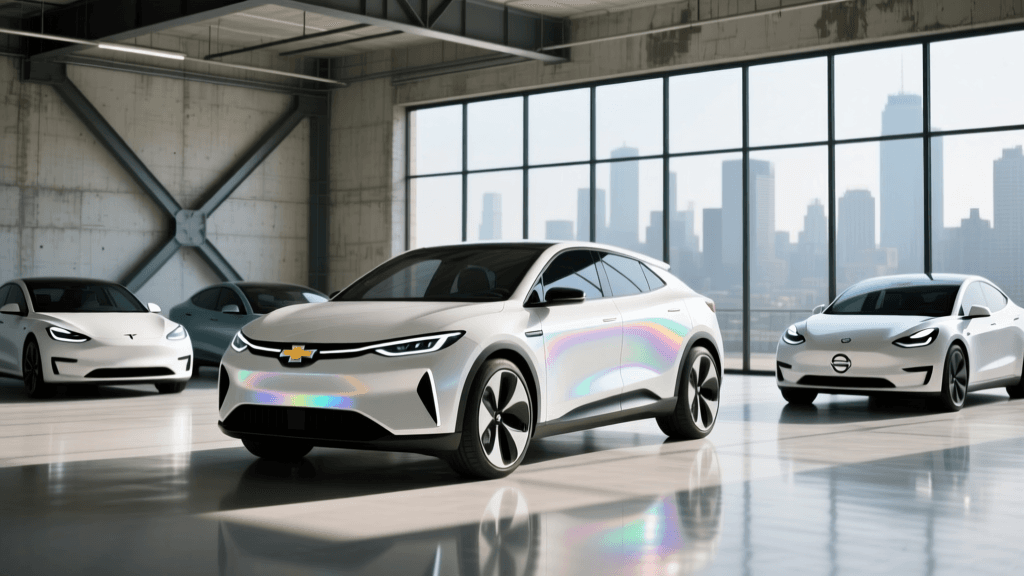
To help you navigate the secondhand market, we have organized a head-to-head product showdown featuring three of the most popular used EVs: the Chevrolet Bolt EV, the Tesla Model 3, and the Nissan Leaf. We will rank them based on battery health longevity, thermal management systems, and overall value proposition.
The Contenders: Specs and Market Positioning
For this showdown, we are focusing on model years between 2018 and 2021. This sweet spot captures vehicles that have taken their initial depreciation hit but still feature modern battery chemistries and reasonable range capabilities.
- Chevrolet Bolt EV (2018-2021): Equipped with a 60 kWh to 65 kWh battery pack, offering an EPA-estimated 238 to 259 miles of range. Known for its practical hatchback design and peppy acceleration.
- Tesla Model 3 (2018-2021): Available in Standard Range Plus (50-55 kWh) and Long Range (75-82 kWh) variants. The Long Range models boast over 300 miles of EPA range and access to the Supercharger network.
- Nissan Leaf (2018-2021): Offered with a 40 kWh battery (149 miles range) or the Plus model with a 62 kWh battery (212-226 miles range). It remains a staple in the budget-friendly used EV segment.
Head-to-Head: Thermal Management and Chemistry
The single biggest predictor of long-term battery health in a used EV is its thermal management system. Lithium-ion batteries degrade faster when exposed to extreme heat or when repeatedly fast-charged without adequate cooling.
Tesla Model 3: The Gold Standard in Thermal Management
Tesla utilizes a highly sophisticated liquid cooling and heating system integrated directly into the battery pack's architecture. The Model 3's Battery Management System (BMS) is widely considered the industry benchmark. It actively conditions the battery during Supercharging and pre-heats it in cold weather, significantly reducing the stress on the cells. As a result, Model 3 batteries exhibit some of the lowest degradation rates in the industry.
Chevrolet Bolt EV: Liquid-Cooled Reliability
The Bolt EV also features an active liquid thermal management system. While its BMS may not be as dynamically aggressive as Tesla's in extreme cold preconditioning, it does an excellent job of keeping the NMC (Nickel Manganese Cobalt) cells within a safe temperature band during daily driving and DC fast charging. Furthermore, the massive battery recall and replacement program initiated by GM means many used Bolts on the market today have brand-new, 100% SoH battery packs installed under warranty.
Nissan Leaf: The Passive Cooling Achilles Heel
The Nissan Leaf is the outlier in this showdown because it relies on passive air cooling rather than a liquid thermal management system. While this reduces weight and manufacturing costs, it leaves the battery vulnerable to 'Rapidgate'—a condition where the car severely throttles DC fast-charging speeds to prevent the battery from overheating. In hot climates, or for drivers who frequently rely on fast charging, Leaf batteries degrade noticeably faster than their liquid-cooled counterparts.
Battery Health (State of Health) Real-World Data
According to extensive fleet and consumer data analyzed by Recurrent Auto, EV battery degradation is not linear. Most EVs experience a steeper drop in capacity during the first two years (roughly 5% to 8%), followed by a long, slow plateau. However, the Leaf's passive cooling system causes it to deviate from this favorable curve in warmer climates. Data shows that 2018-2020 Leafs in states like Arizona or Texas frequently show SoH readings between 82% and 88% after 60,000 miles. In contrast, Model 3s and Bolt EVs from the same era and mileage typically retain 90% to 94% of their original capacity.
The EPA Fuel Economy guidelines note that while all EVs will lose some range over time, liquid-cooled batteries are far more likely to stay above the critical 80% SoH threshold well past the 100,000-mile mark, which is vital for retaining resale value and daily usability.
The Value Proposition: Price vs. Usable Range
When buying a used EV, you are essentially buying used miles of range. To determine the true value, we must look at the average used market price relative to the real-world usable range you get today.
| Vehicle (2019-2020 Models) | Avg. Used Price (Est.) | Original EPA Range | Est. Current Range (90% SoH) | Cost Per Mile of Range |
|---|---|---|---|---|
| Chevrolet Bolt EV (Premier) | $16,500 | 259 miles | 233 miles | $70.81 |
| Nissan Leaf SV Plus (62 kWh) | $15,000 | 215 miles | 185 miles (assuming 86% SoH) | $81.08 |
| Tesla Model 3 Long Range AWD | $24,000 | 322 miles | 296 miles | $81.08 |
As the table illustrates, the Chevrolet Bolt EV offers an unmatched cost-per-mile-of-range ratio. Because of its lower entry price and excellent battery retention (or brand-new replacement packs), it is arguably the most financially sound used EV purchase on the market. The Tesla Model 3 commands a premium, but you are paying for the Supercharger network, over-the-air updates, and superior performance. The Leaf, despite having the lowest absolute sticker price, actually offers a worse value proposition than the Tesla when factoring in its degraded battery health and lack of fast-charging infrastructure access.
How to Check Battery Health Before Buying
Never buy a used EV without verifying the State of Health (SoH). Here is how to test each contender:
- Tesla Model 3: Perform a manual range calculation. Charge the car to 100% (or use the 90% daily limit and do the math) and look at the rated range displayed on the screen. Compare this to the original EPA numbers. You can also use third-party apps like Tessie or Recurrent that connect to the Tesla API to pull exact SoH data.
- Chevrolet Bolt EV: You will need an OBD2 scanner and an app like CarScanner or Torque Pro. Look for the 'Battery State of Health' or 'Capacity' PID. Additionally, run the Carfax to see if the battery was replaced under the GM recall—if it was, you are getting a brand-new battery.
- Nissan Leaf: The Leaf has a built-in capacity bar on the dashboard (out of 12 bars), but this is notoriously inaccurate. You must use an OBD2 dongle paired with the LeafSpy app. LeafSpy will give you the exact Hx (Health) percentage and mV deviation between cells, which is critical for identifying failing modules.
The Final Verdict: Ranking the Best Used EVs
#1: Chevrolet Bolt EV (Best Overall Value & Battery Health)
The Chevy Bolt EV takes the top spot in our showdown. Its combination of a spacious interior, 259 miles of original range, and active liquid cooling makes it a phenomenal used buy. The looming shadow of the battery recall has ironically turned into a massive benefit for secondhand buyers; finding a Bolt with a newly replaced, 100% SoH battery is entirely possible, effectively giving you a brand-new EV powertrain in a used car shell.
#2: Tesla Model 3 (Best Tech, Network, and Longevity)
The Model 3 secures second place. It is more expensive upfront, but its advanced thermal management ensures that the battery will easily outlast the car's chassis. If your budget allows for the $24,000+ entry point, the Model 3 offers the best road-trip capabilities and the lowest long-term degradation anxiety.
#3: Nissan Leaf Plus (Best for Strict Budgets and Mild Climates)
The Nissan Leaf rounds out the list. It is a comfortable, quiet, and practical commuter car. However, its passive air-cooling system severely limits its battery health longevity and fast-charging utility. We only recommend the used Leaf if you live in a mild, temperate climate, have access to home Level 2 charging, and can secure a 62 kWh Plus model with a verified SoH above 90% via LeafSpy.