The EV Towing Dilemma: Why Capacity Isn't Everything
Electric vehicles have fundamentally changed the automotive landscape, but when it comes to the rugged demands of truck ownership, the transition to battery power introduces a unique set of challenges. For contractors, outdoor enthusiasts, and weekend warriors, the best electric trucks must do more than just accelerate quickly; they need to tow heavy trailers, haul massive payloads, and solve the logistical nightmares that arise when you combine a 10,000-pound trailer with a finite battery pack.
While manufacturers boast impressive maximum towing and payload figures on their spec sheets, the real-world application of these numbers requires a deep understanding of EV physics, weight distribution, and charging infrastructure. In this comprehensive guide, we rank the top electric trucks on the market based on their official towing and payload capacities. More importantly, we approach this list from a troubleshooting and problem-solving perspective, addressing the most common issues EV truck owners face when pushing their vehicles to the limit.
2024 Electric Truck Towing and Payload Rankings
Before we dive into troubleshooting, let us establish the baseline capabilities of the current EV truck market. The following rankings are based on the maximum available towing and payload capacities for each model when properly equipped. Note that achieving these maximums often requires specific battery packs, tow packages, and wheel configurations.
| Electric Truck Model | Max Towing Capacity | Max Payload Capacity | Key Towing Feature |
|---|---|---|---|
| Chevrolet Silverado EV (Work Truck) | 12,500 lbs | 1,800 lbs | Available 4-Wheel Steer |
| Tesla Cybertruck (AWD) | 11,000 lbs | 2,500 lbs | Adaptive Air Suspension |
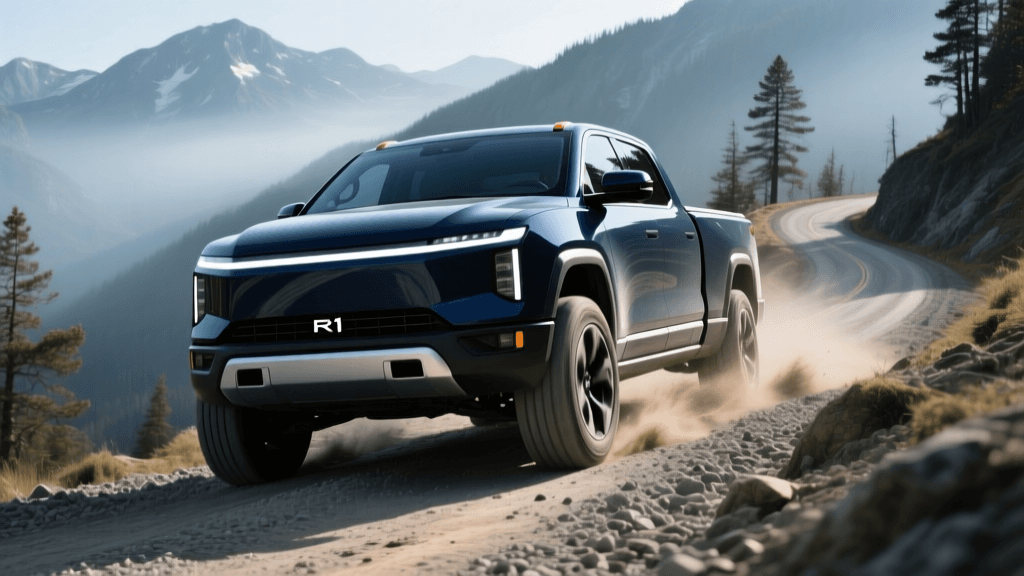
| Rivian R1T (Dual-Motor) | 11,000 lbs | 1,760 lbs | Integrated Gear Tunnel |
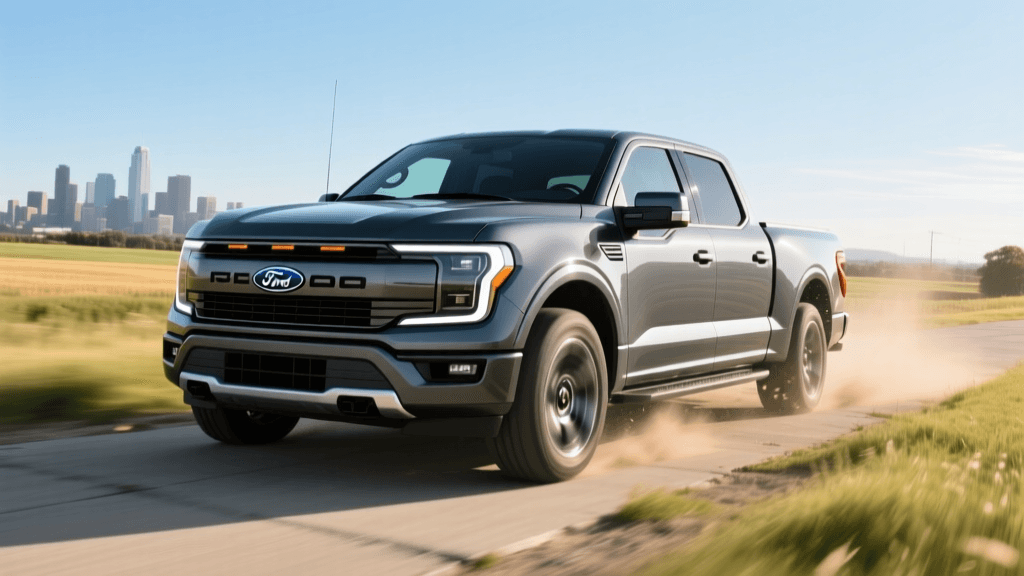
| Ford F-150 Lightning (Extended Range) | 10,000 lbs | 2,000 lbs | Pro Power Onboard / Smart Hitch |
| GMC Hummer EV Pickup | 8,500 lbs | 1,300 lbs | CrabWalk / Extract Mode |
As noted by Car and Driver's extensive testing of the F-150 Lightning, maximum capacity is only half the battle. The software integration, hitch monitoring, and suspension management are what truly separate a capable workhorse from a heavily weighted commuter. Similarly, Rivian's official R1T specifications highlight how software updates and air suspension tuning can dynamically alter the towing experience and keep the truck level under heavy loads.
Troubleshooting Problem #1: Severe Range Degradation While Towing
The Problem: You hook up a 7,000-pound camper to your electric truck, and your estimated range immediately plummets by 40% to 50%. You are suddenly facing severe range anxiety and are forced to stop at chargers every 90 miles.
The Diagnosis: Electric motors are incredibly efficient, but they cannot cheat physics. Towing a large, boxy trailer creates massive aerodynamic drag, which increases exponentially with speed. Furthermore, the heavy rolling resistance of a loaded trailer forces the battery to discharge at a much higher rate, generating more heat and reducing overall efficiency.
The Solution and Actionable Steps:
- Speed Management: The most effective troubleshooting step for range loss is reducing your highway speed. Dropping from 75 mph to 65 mph can recover up to 15-20% of your lost range. Aerodynamic drag is the primary enemy of EV towing.
- Trailer Aerodynamics: If you are shopping for a camper or cargo trailer, prioritize models with rounded front caps, side skirts, and aerodynamic boat tails. Avoid flat-front utility trailers if long-distance EV towing is in your future.
- Pre-Conditioning: Always pre-condition your truck's battery while it is still plugged into your home charger. This brings the battery to optimal operating temperature using grid power rather than your precious onboard range.
- Regenerative Braking Settings: Switch your truck's regenerative braking to the maximum setting. When going downhill with a heavy trailer, aggressive regen can recapture significant energy and save your mechanical brakes from overheating.
Troubleshooting Problem #2: Payload Limit Confusion and Hitch Sag
The Problem: You are towing a trailer that is well under your truck's maximum towing capacity, but the rear suspension is sagging, the steering feels light, and the onboard scales warn you that you have exceeded your payload limit.
The Diagnosis: Many owners confuse towing capacity with payload capacity. Towing capacity is how much weight the truck can pull behind it on a trailer. Payload capacity is the maximum weight the truck can carry directly on its axles, including passengers, cargo in the bed, and the tongue weight of the trailer. Tongue weight typically accounts for 10% to 15% of the total trailer weight.
The Solution and Actionable Steps:
- Calculate True Payload: If you are towing a 10,000-pound trailer with the Ford F-150 Lightning, the tongue weight will be roughly 1,000 to 1,200 pounds. The Ford F-150 Lightning's max payload is around 2,000 pounds (depending on the trim and battery). That leaves only 800 pounds for you, your passengers, and gear in the bed. Always check your specific door jamb sticker for the exact payload rating of your individual truck.
- Use a Weight Distribution Hitch (WDH): To solve rear-end sag and light steering, invest in a high-quality Weight Distribution Hitch (such as those from Equal-i-zer or Curt). A WDH uses heavy-duty spring bars to distribute the tongue weight across all axles of the tow vehicle and the trailer, restoring proper steering geometry and braking balance.
- Onboard Scales Calibration: Trucks like the F-150 Lightning feature onboard scales. Ensure you are using the Tare function correctly by zeroing out the scale before loading the bed and attaching the trailer to get accurate real-time telemetry on your smartphone.
Troubleshooting Problem #3: The Charging Infrastructure Bottleneck
The Problem: Your battery is at 15%, you have a 25-foot travel trailer attached, and you pull into a standard public charging station. You realize that to plug in, you would have to block multiple chargers, unhitch your trailer in a crowded parking lot, or use an extension cord (which is a massive safety hazard).
The Diagnosis: The public EV charging network was largely designed for passenger cars, not full-size trucks towing 30-foot trailers. Standard pull-in spots simply do not accommodate the combined length of a truck and trailer, creating a major logistical bottleneck for long-haul EV truckers.
The Solution and Actionable Steps:
- Route Planning with Pull-Through Filters: Use advanced routing apps like A Better Routeplanner (ABRP) or the native navigation systems in the Chevrolet Silverado EV and Tesla Cybertruck. Filter your route specifically for pull-through or trailer-friendly charging stations. Networks like Electrify America and Tesla are actively expanding pull-through Superchargers specifically to solve this problem.
- Destination Charging Strategy: Whenever possible, plan overnight stops at RV parks or campgrounds equipped with NEMA 14-50 outlets or Level 2 J1772 chargers. Using a high-quality mobile connector, you can charge overnight without ever needing to unhitch or maneuver into a tight public charging stall.
- Never Use Extension Cords: If you cannot reach the charger, do not use standard household extension cords. The high amperage required for DC Fast Charging or even Level 2 AC charging will melt standard cords and cause fires. If a spot does not accommodate your rig, move on to a designated truck stop or pull-through location.
Best Practices for Maximizing Your EV Truck's Utility
Owning an electric truck requires a paradigm shift in how you approach work and recreation. The instantaneous torque of an electric motor makes these vehicles incredible towing machines, offering smooth, gearless acceleration that puts traditional diesel engines to shame in terms of drivability and low-end grunt. However, the energy density of liquid fuel still holds an advantage for long-haul, heavy-duty towing in remote, un-electrified areas.
To get the most out of your electric truck, treat it as a specialized tool. For local job sites, daily commutes, and weekend trips within a 200-mile radius, an EV truck is an unparalleled, low-maintenance workhorse that can double as a mobile generator via bi-directional charging features like Ford's Pro Power Onboard or GM's PowerBase. For cross-country hauls with maximum payload, meticulous route planning and an understanding of your truck's aerodynamic and weight limitations are mandatory.
By understanding the hard data behind towing capacities and proactively troubleshooting the inevitable challenges of EV ownership, you can confidently harness the massive torque and technological superiority of today's best electric trucks without getting stranded on the side of the highway.