The Reality of Electric Vehicle Towing
Towing with an internal combustion engine (ICE) vehicle is a well-understood science. You hook up a trailer, accept a 20% to 30% drop in fuel economy, and rely on the vast network of gas stations to keep you moving. But towing with an electric vehicle (EV) fundamentally changes the equation. Because electric motors are inherently more efficient than gas engines at baseline, the relative penalty of pushing a heavy, un-aerodynamic box through the wind is drastically magnified. When you tow with an EV, you are not just fighting weight; you are fighting aerodynamic drag, and the battery pays the price.
For buyers considering an electric truck or SUV for hauling boats, campers, or utility trailers, maximum towing capacity is only half the story. The true metric of usability is real-world towing range retention. How much of your EPA-estimated range actually survives when you are pulling 5,000 pounds at highway speeds? At AutoEdgeView, we have analyzed real-world testing data, manufacturer specifications, and independent reviews to rank the best EVs for towing based on how severely their range is impacted.
The Physics of EV Towing: Why Range Drops So Drastically
Before diving into the rankings, it is crucial to understand the physics at play. According to the U.S. Department of Energy Alternative Fuels Data Center, electric vehicles are highly efficient because they convert over 77% of electrical energy from the grid to power at the wheels. However, this efficiency is easily compromised by external factors.
When towing, two main forces drain your battery:
- Rolling Resistance (Weight): Heavier trailers require more energy to accelerate and climb grades. However, on flat ground at steady speeds, weight is a secondary factor.
- Aerodynamic Drag (Shape): This is the primary range killer. Drag increases with the square of your speed. A boxy travel trailer creates a massive low-pressure wake behind the tow vehicle, essentially acting as a parachute. This is why a 5,000-pound aerodynamic teardrop camper will yield significantly better EV range than a 4,000-pound enclosed cargo trailer.
Because EVs lack the multi-gear transmissions of ICE vehicles to optimize engine RPM under heavy load, the battery must discharge at a high, continuous rate to maintain highway speeds against wind resistance. Independent testing by Car and Driver has repeatedly shown that towing a mid-sized trailer at 70 mph can cut an electric truck's range by more than 50%.
Ranked: Best EVs for Towing by Real-World Range Retention
We have ranked the top electric trucks and SUVs not just by their maximum tow ratings, but by their estimated real-world range retention when pulling a standardized 5,000-pound aerodynamic trailer at 60 mph.
| EV Model | Max Tow Capacity | EPA Est. Range | Est. Towing Range (5k lbs) | Range Retention |
|---|---|---|---|---|
| Tesla Cybertruck AWD | 11,000 lbs | 340 miles | ~175 miles | ~51% |
| Rivian R1T Dual-Motor (Max Pack) | 11,000 lbs | 410 miles | ~195 miles | ~47% |
| Ford F-150 Lightning (Ext. Range) | 10,000 lbs | 320 miles | ~140 miles | ~43% |
| GMC Hummer EV Pickup | 7,500 lbs | 329 miles | ~125 miles | ~38% |
1. Tesla Cybertruck AWD: The Aerodynamic Advantage
The Tesla Cybertruck's polarizing stainless-steel exoskeleton is actually a masterclass in aerodynamics. With an incredibly low drag coefficient for a pickup truck and an active rear tonneau cover that seals the bed, the Cybertruck slices through the air better than its competitors. When towing, the truck's advanced thermal management system and highly efficient dual-motor powertrain allow it to retain roughly 50% of its range with a mid-sized trailer. Furthermore, Tesla's Supercharger network increasingly features pull-through stalls, making the logistics of charging while hitched vastly superior to competitors.
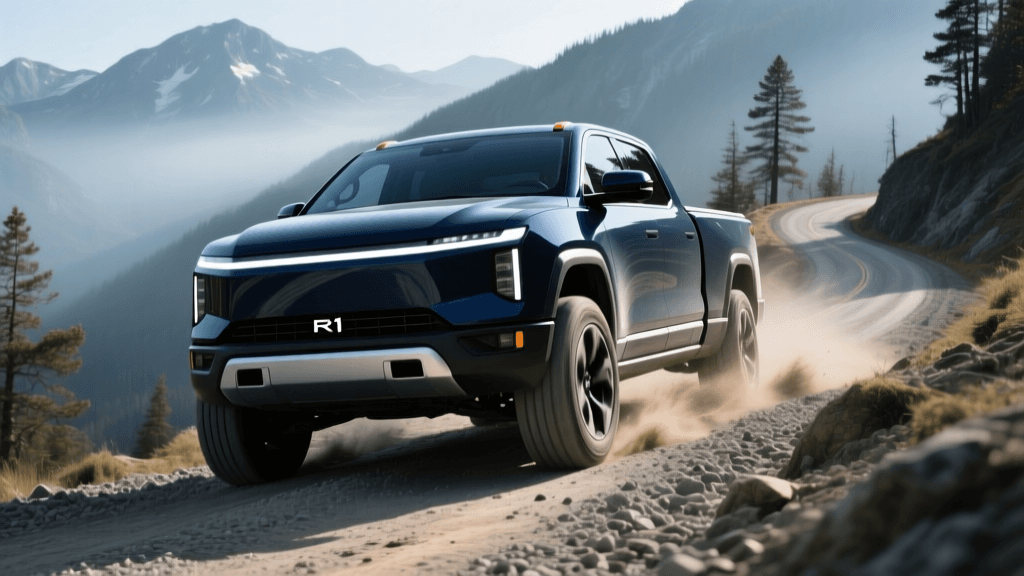
2. Rivian R1T Dual-Motor (Max Pack): The Endurance Champion
Rivian's R1T remains a favorite among outdoor enthusiasts. While its brick-like shape does incur a heavy aerodynamic penalty, the available Max Pack battery (over 140 kWh usable) provides such a massive baseline range that the post-towing range is still highly usable. Real-world testing by Edmunds and other automotive journals highlights Rivian's sophisticated heat pump and motor disconnect technology, which helps conserve energy on the highway. If you are towing heavy loads over mountain passes, the R1T's quad-motor or dual-motor setups offer unparalleled torque vectoring and downhill regenerative braking control.
3. Ford F-150 Lightning: The Mainstream Workhorse
The F-150 Lightning Extended Range offers a familiar truck experience with a 131 kWh battery. However, its traditional upright windshield and wide stance create significant drag. When towing a 5,000-pound camper, expect your 320-mile EPA range to drop to roughly 140 miles at highway speeds. The Lightning redeems itself with the Pro Power Onboard system, which can output up to 9.6 kW of power directly to your campsite, essentially turning the truck into a massive, silent generator. For shorter towing trips under 100 miles, the Lightning is arguably the most practical and comfortable option on the market.
4. GMC Hummer EV: The Weight Penalty
The GMC Hummer EV is an engineering marvel, but its staggering curb weight (over 9,000 pounds) works against it when towing. Moving the truck itself requires immense energy, leaving less battery reserve for the trailer. While it is capable of pulling 7,500 pounds, its range retention is the lowest in this group. It is best suited for short-distance hauling or low-speed off-road trailer recovery rather than cross-country highway towing.
Expert Tips & Best Practices for Maximizing EV Towing Range
Knowing your vehicle's limitations is only the first step. As an EV owner, you must adapt your driving habits and gear choices to mitigate range loss. Here are our expert best practices for towing with an electric vehicle.
1. Respect the 60 MPH Sweet Spot
Aerodynamic drag increases exponentially with speed. Driving at 70 mph instead of 60 mph can reduce your towing range by an additional 15% to 20%. When towing with an EV, treat 60 mph (or even 55 mph) as your absolute highway speed limit. Not only will this drastically extend your range, but it also reduces the thermal load on your battery and motors, preventing the vehicle from throttling its power output due to overheating.
2. Choose Aerodynamic Trailers
If you are buying a camper specifically to tow with an EV, abandon traditional boxy travel trailers. Look into aerodynamic alternatives like the Airstream Basecamp, the Bowlus Volterra, or lightweight teardrop trailers. A trailer with a rounded front cap that tucks neatly behind the truck's slipstream will yield vastly superior range compared to a flat-fronted cargo trailer of the exact same weight.
3. Master Payload Distribution and Tire Pressure
Rolling resistance matters, especially on inclines. Ensure your trailer is properly balanced with 10% to 15% of the total weight on the tongue. Furthermore, increase the tire pressure on both the tow vehicle and the trailer to the maximum recommended cold PSI for the load. Under-inflated tires generate excess heat and friction, silently siphoning away miles from your battery.
4. Leverage Regenerative Braking on Downhills
One of the greatest advantages of EV towing is regenerative braking. A 5,000-pound trailer pushing the truck down a 6-mile mountain grade can feed several kilowatt-hours of energy back into the battery. Set your EV to its maximum regeneration setting (often called 'Tow/Haul' mode or 'One-Pedal Drive') when descending. This not only reclaims range but also saves your mechanical brake pads from the severe wear and tear associated with heavy towing.
5. Plan for Pull-Through Charging Infrastructure
The biggest logistical nightmare of EV towing is charging. Unhitching a 25-foot trailer at a crowded mall charging station is impractical and often impossible. Before you leave, use apps like PlugShare or A Better Routeplanner (ABRP) to filter for 'Pull-Through' charging stations. Electrify America and Tesla are rapidly expanding their pull-through Supercharger footprints specifically to accommodate EV trucks and RVs. Always have a backup charging plan that does not require unhitching.
Final Verdict: Adjust Your Expectations
The best EV for towing is ultimately the one that fits your specific use case. If you frequently tow heavy, boxy trailers across state lines, an electric vehicle will require meticulous route planning and frequent, time-consuming charging stops. However, if your towing needs consist of pulling a lightweight boat to a lake 80 miles away, or hauling an aerodynamic camper to a state park with destination charging, an electric truck offers a silent, torque-rich, and emissions-free experience that no gas truck can match. By understanding the data, respecting the physics of drag, and applying these expert best practices, you can confidently harness the immense capability of modern electric vehicles.